The postman still delivers polling cards to nine plots in a field where no one lives — nine families a county map names, though everyone warns the ground floods and can't be walked.
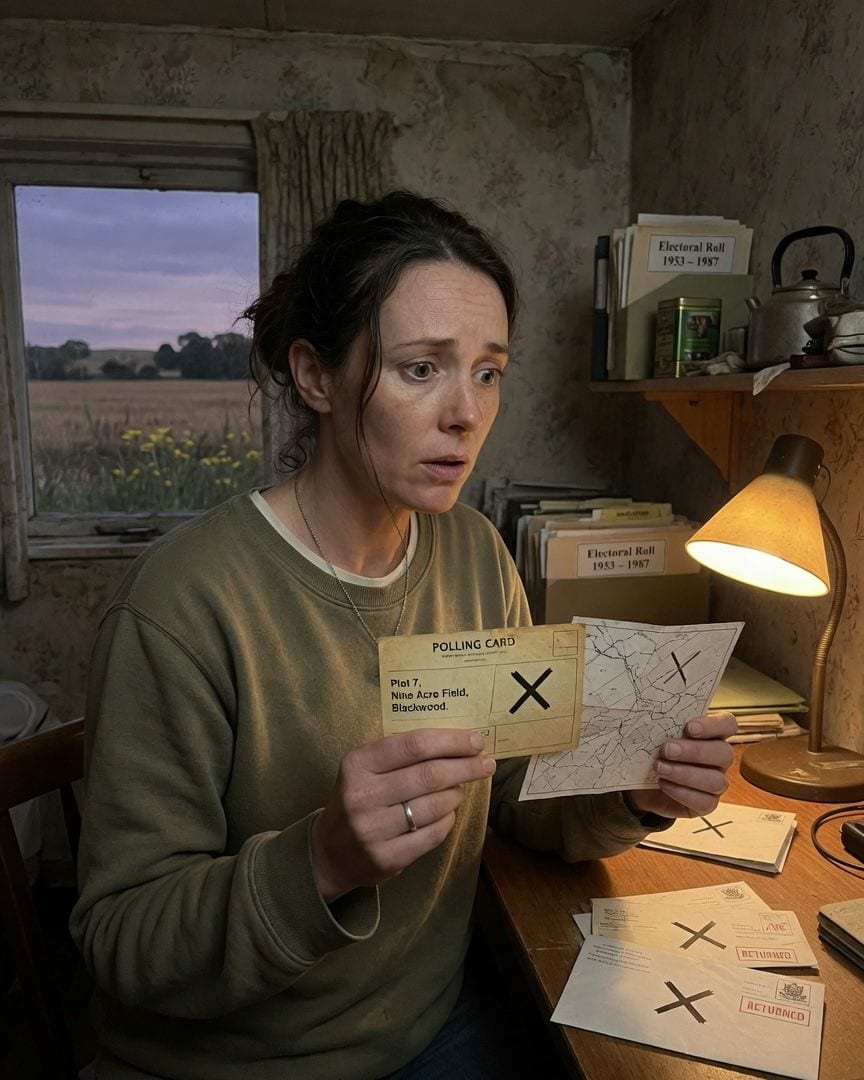
Blackwood was quiet, almost unnervingly so. When I first moved here, I thought it was charming. Just the kind of place to escape the city noise.
I bought a small cottage on the edge of town, and the first thing everyone mentioned, usually with a flat, unwavering gaze, was Nine Acre field. "It floods, don't walk it," they'd say. Every single one of them.
Like a script.
I'm a rational person. I walked Nine Acre field. It was beautiful, sure, a sprawling expanse of dry grass and wildflowers, especially in the late afternoon light. And it was dry. Bone dry.
Not a puddle, not a hint of saturation, even after a heavy rain shower. So the warning felt like an old wives' tale, or maybe just a local quirk. I enjoyed the peace out there.
The unsettling part wasn't the warning itself, but the town council's persistence, or rather, the postal service's.
Every few months, I'd see Marcus Sheppard, our local postman, on his rounds, a man whose face seemed permanently set in a mild frown.
He’d be carrying these bright white envelopes, always the same kind: official-looking, with the town crest, addressed to nine specific plots within Nine Acre field. But there were no houses there.
The old tithe map I'd seen at the council office showed faint outlines of structures, perhaps old farmsteads, but they were long gone. The mail was always the same. Polling cards.
I couldn't shake the image of those neat stacks, addressed to nothing but empty air, delivered to a field where no one lived.
Curiosity, I suppose, is a dangerous thing. It gnawed at me. I visited the county archive, a place that smelled of dust and old paper, presided over by Vivian Mercer.
Vivian was a woman of few words, her glasses perched low on her nose as she meticulously sorted through microfiche. I requested access to the local electoral roll, specifically for the Nine Acre plots.
Without a word, she produced a thick, leather-bound ledger, its pages yellowed with age, and pointed to the relevant section. I found nine names, each meticulously tied to a specific plot within the field.
Patterson, Underwood, Holloway – families I hadn't encountered in Blackwood. The addresses were indeed within Nine Acre.
I decided to try a different angle. I approached Marcus at the post office a few days later, feigning casual interest about the volume of mail he handled. He was sorting a stack of letters, his back to the counter.
"Must be a lot to keep track of, all these houses, old and new," I started. He grunted, not looking up. "Especially places like Nine Acre," I pressed, watching his reflection in the glass.
His eyes flicked away, a tiny, almost imperceptible twitch. "Standing orders," he mumbled, his voice flat. "Old families. Just the way it's done." He wouldn't meet my gaze.
But as he turned to place a bundle of letters onto a shelf, I glimpsed a pile of returned mail tucked away behind the counter.
And there they were: several bright white envelopes, identical to the polling cards I’d seen him deliver. They weren't marked 'undeliverable.' They were just... 'returned.' And on each one, a small, hand-drawn symbol. A stark, stylized 'X'.
Back at the archive, the 'X' burned in my mind. I pressed Vivian, asking for any old maps or records specifically pertaining to Nine Acre, anything that might shed light on these 'old families.'
She sighed, a puff of dust escaping her lips, and produced a sturdy, unlabeled box from a lower shelf.
Inside, beneath a faded tithe map of Blackwood, I found it: a stack of polling cards, yellowed and brittle, addressed to the very Nine Acre families I'd found in the electoral roll.
Every single one bore that same hand-drawn 'X' symbol. The dates on the cards stretched back, some from decades before I was born.
My fingers trembled as I traced the symbol on the top card, a chill crawling up my arm. Then, as I reached for the tithe map, a chilling recognition dawned.
Faint, almost invisible, a version of the same stylized 'X' was etched into the map's margin, right beside a previously unnoticed, blank tenth plot. It was the exact spot where I had walked just weeks ago.
The stylized 'X' became an obsession. It was in my notes, in my dreams. I scoured the archive, cross-referencing names from the polling cards with any old town records Vivian could find.
She seemed to tolerate my presence, though she never offered any help beyond the requested documents. I found a handful of sparse newspaper clippings from the 1950s and 70s, tucked away in folders labeled "Local Interest."
They reported 'unexplained disappearances' – always of entire families, always from specific plots bordering Nine Acre. The articles were vague, quickly dismissed as "runaways" or "tragedy," but the pattern was undeniable.
And in the margins of some of the archived clipping folders, almost a doodle, was that faint, almost identical 'X' symbol. It was everywhere.
I returned to the Nine Acre tithe map, examining the outlines of the nine plots more closely. They looked like ghost imprints of long-gone buildings.
I found an old property deed for the Patterson plot, dated 1968, one of the last names on the electoral roll. The deed was incomplete, signed only by a single, looping initial, and listed no new owner.
It was as if the property simply ceased to be transferred. No sale, no inheritance. Just… gone.
I started to feel eyes on me. It began subtly.
Marcus, the postman, started appearing in odd places – lingering by my gate for a moment too long, visible from my kitchen window as he 'sorted mail' on the street corner, always with his back mostly to me.
The air around my house seemed to thicken, a subtle shift in pressure, as if someone was just outside the threshold of my perception.
One evening, I heard a soft scrape at my front door, a sound like a fingernail dragging across wood. My breath caught. I’d been reading late, the only light on in the house.
Peeking through the peephole, I saw only the retreating shadow of Marcus, turning the corner of my porch, merging into the deeper twilight. On my doormat lay a freshly printed polling card. My blood ran cold.
It was addressed to 'Resident.' It was for one of the Nine Acre plots, but someone had neatly crossed out the printed address and, in a precise, almost identical hand to the 'X' on the old cards, penciled in my own address.
The stylized 'X' symbol was drawn in the corner, darker and more confident than any I had seen before. A cold dread settled in my gut, solid and heavy. Someone knew I was digging. And they were sending a message.
I didn't sleep that night. The next morning, I confronted Marcus, the marked polling card clutched in my hand, my knuckles white. I shoved it at him the moment he appeared on my street. "What is this?"
I demanded, my voice tight. His calm exterior finally cracked, a flicker of raw fear in his eyes. He glanced around nervously, then grabbed my arm gently, his touch surprisingly strong. "Not here," he whispered, his voice strained.
He led me to a secluded bench by the river, the morning mist still clinging to the water's surface.
He spoke in hushed tones, his gaze distant, fixed on the slow-moving current. "The 'don't walk it' rule... it's not superstition, Charlotte. It's a warning." He paused, as if gathering himself. "Nine Acre isn't just a field.
It's where people went." The words hung in the damp air. He spoke of a cycle, a pattern of disappearances that had claimed families for generations, always from those specific plots, always within a certain timeframe.
The town, he explained, had learned to live with it, to manage it. "The electoral roll, the polling cards," he continued, his voice barely a whisper, "it's our way of acknowledging the 'residents' of Nine Acre. A grim census."
He admitted his own great-grandfather, Robert Sheppard, had vanished from his Nine Acre farm in 1968. "His name," Marcus said, his voice cracking slightly, "is on one of those perpetual polling cards. My family's been here for centuries.
We know how it works." The 'X' symbol, he confirmed, was the field's mark, a sign of its claim. A sign that the cycle was in motion. My mind reeled.
The incomplete deed, the vague newspaper clippings, the quiet evasions of the townspeople, his own fear… it all clicked into place. Not a collection of oddities, but a terrible, coherent sense.
My mind reeled with the horrifying coherence of it all: the cycle, the disappearances, the town's chilling complicity. The safe explanation of folklore died right there by the riverbank. This wasn't some quaint local superstition. It was a mechanism.
A living, breathing thing. Marcus, his gaze distant, added that the cycle was due again, this very year. His words were a physical blow.
Then, he reached into his worn satchel and pulled out an old, brittle photograph, its edges soft with age.
It showed a group of townspeople from a century ago, standing at the edge of Nine Acre, their faces solemn, almost expectant. But my eyes were drawn to the foreground.
Front and center, was a woman who was the spitting image of me, my exact features staring back from the sepia-toned past. She held a polling card, clearly marked with the stylized 'X'.
She looked directly at the camera, a faint, knowing smile playing on her lips. Marcus looked at me, his voice barely a whisper. "The field doesn't just take. Sometimes, it calls."
The photograph was a punch to my gut. It wasn't just a resemblance; it was me. Not just a newcomer, an accidental trespasser; I was part of the pattern, a 'return' to complete the cycle.
Marcus explained the town's generations-long agreement, the unspoken rules: to ensure the field's demands were met without wider catastrophe. The 'polling cards' weren't just a census; they were a macabre ballot, a ritual that guided the field's periodic 'selection.'
My walking the field, my 'accidental' discovery of the cards, my unsettling resemblance to the woman in the photo—it wasn't coincidence. It was the field's call, and my response, drawing me in.
The faint structures on the old map, he confirmed, were the sites of previous 'residents,' where their lives had been anchored before they were claimed.
I realized I had been living inside the monstrous shape of the pattern all along, a piece moving into place.
I tried to fight it. I packed a bag, throwing clothes and essentials into it with frantic energy, intending to leave Blackwood, to break free of the grim inheritance. My car keys felt heavy in my hand.
But every road out felt wrong, impossibly long, turning back on itself. The engine sputtered, the GPS signal died, leaving a blank screen.
The air grew thick with a pervasive, earthy scent, like damp soil and something else, something metallic and alive, that pulled me back.
The townspeople I passed on the single road out gave me knowing, sorrowful looks, their silence a heavy weight. Their gazes were an invisible net.
I found myself driving, almost against my will, back towards Nine Acre. My hands gripped the wheel, but they weren't fully my own.
As I reached the field's edge, the air shimmered, and I saw them: faint, ethereal outlines of the old farmhouses, the structures from the tithe map, rising from the dry earth like heat haze.
Whispers, like rustling leaves in a sudden breeze, carried my name, mingling with others: Patterson, Holloway, Sheppard. The pattern snapped into terrifying focus. I was not escaping; I was being drawn home.
A profound sense of belonging, cold and absolute, washed over me. I knew, with chilling certainty, that I was already inside it.
Charlotte Thatcher's car was found abandoned on the winding road leading out of Blackwood a few days later, the engine cold, keys still in the ignition. Her packed bag lay on the passenger seat, untouched. Her house was neat, undisturbed.
On the kitchen counter, next to a wilting houseplant, lay a single, freshly marked polling card addressed to 'Charlotte Thatcher,' for an address within Nine Acre. The stylized 'X' was drawn in dark ink, precise and final.
The town of Blackwood settled back into its quiet rhythms. The electoral roll was updated. Years later, a new family moved into Charlotte's old house, charmed by the quiet, close-knit community.
One afternoon, the new resident saw Marcus Sheppard, the old postman, walking slowly past Nine Acre field. He paused at the edge, gazing across the dry expanse, a faint, knowing smile playing on his lips.
The field always gets its vote.
If this one got to you
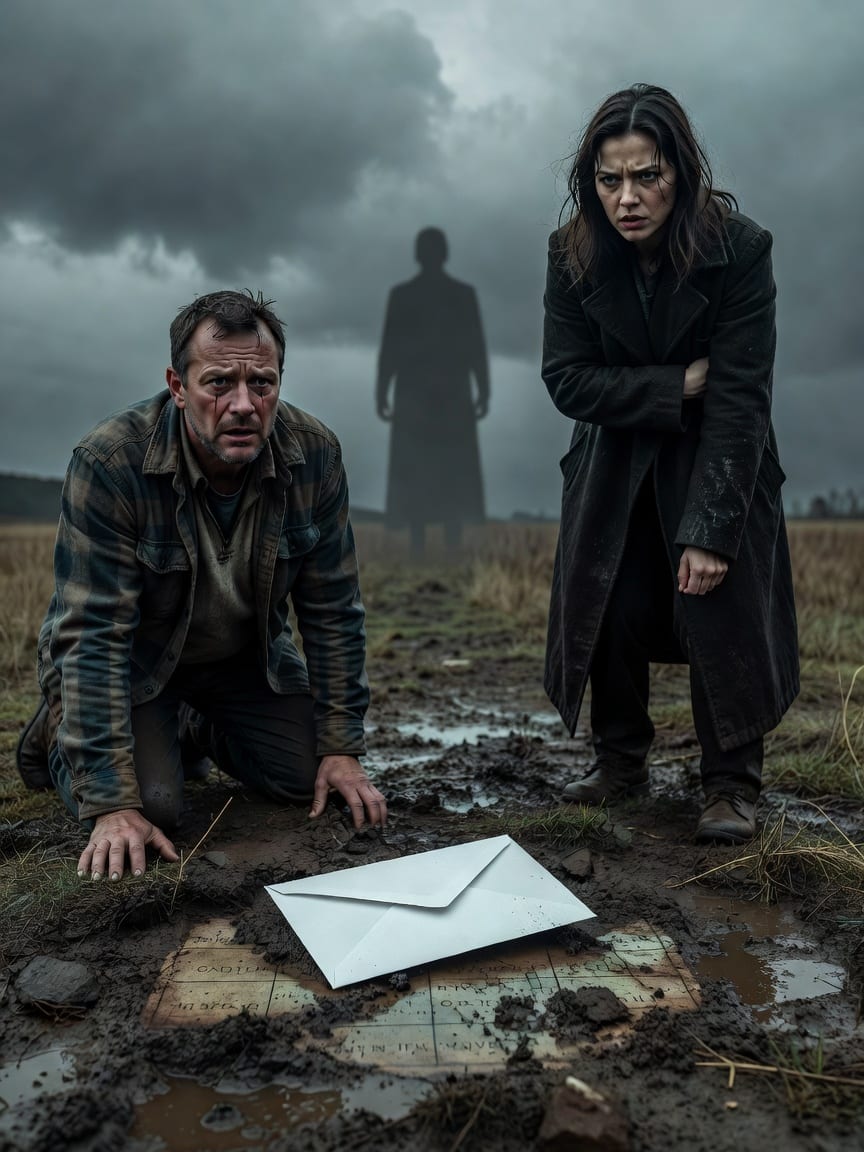
My mail carrier delivers polling cards to Nine Acre Field. It floods, they say. The tithe map shows nine family plots there.
As the new county archivist, I was used to quiet days poring over dusty records. But then I found an empty field, Nine Acre, was receiving current-year polling cards and utility notices for nine distinct addresses. When I investigated, I unearthed a perfectly crisp, current-year tax bill, buried in its soil, surprisingly warm against my fingers.
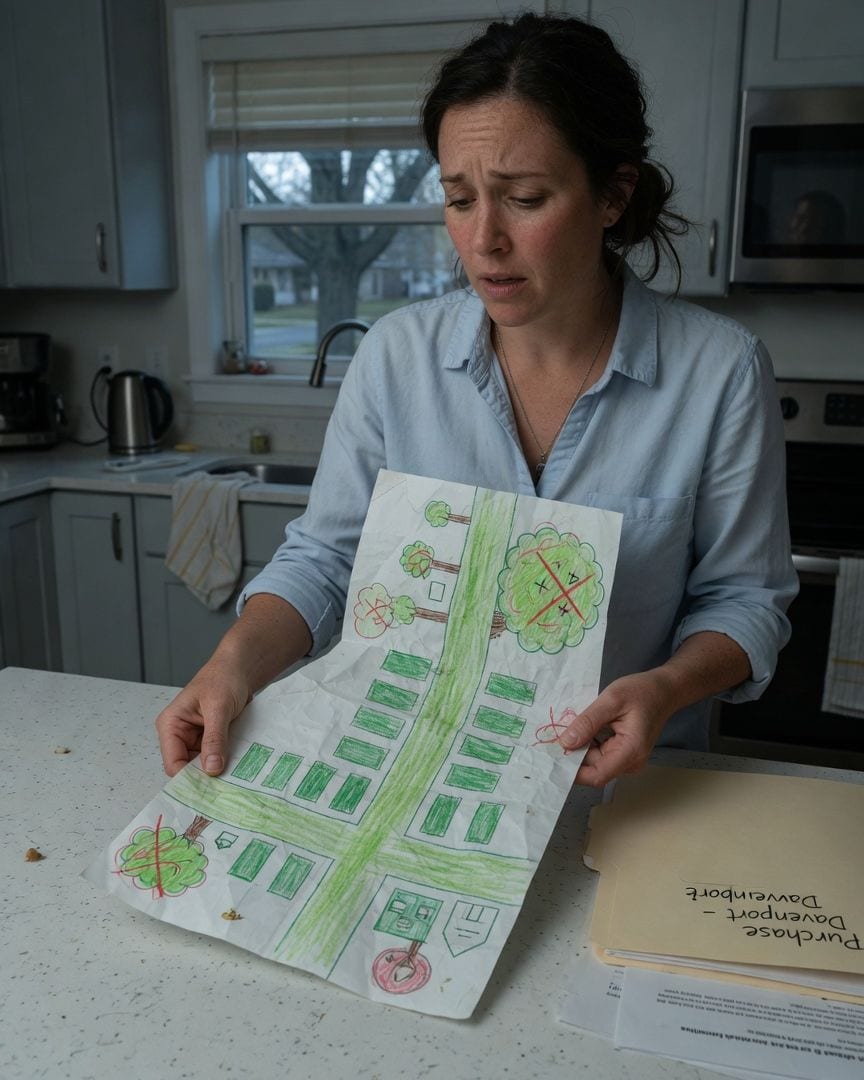
A hand-drawn map keeps arriving through our letterbox — every space on the lane marked green, except the one spot under the old lime tree, alone in red. The agent made us swear we'd never park there.
My new house came with a strange local quirk: weekly maps slipped through my letterbox, each one marking a specific parking spot with an angry red X. A legal addendum about the spot, and my neighbors' evasiveness, made me uneasy. But nothing prepared me for the ancient, identical map I found, which marked my own house with that terrifying red X.
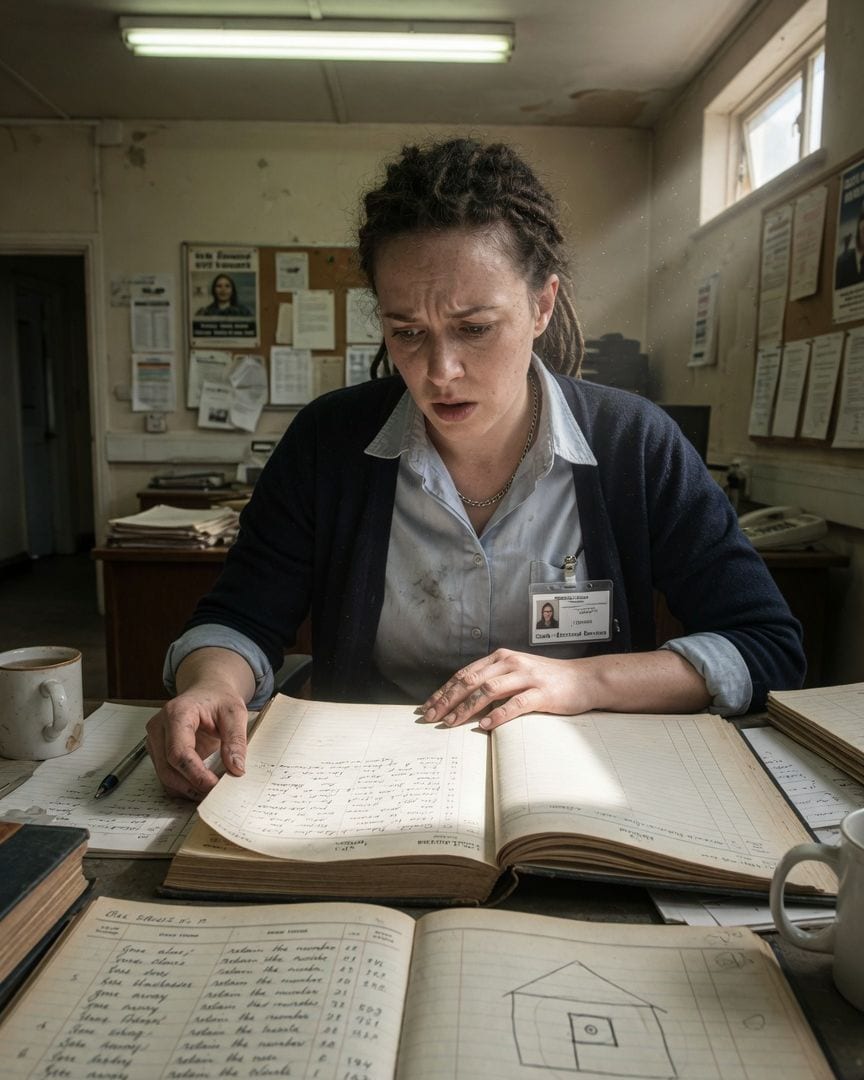
My electoral roll shows Elector 114 at 9 Bell Court has a new name this year. But the old rolls list a different person for 114 every election since 1950.
As a municipal clerk, my mornings are usually spent in monotonous cross-referencing. But today, a strange pattern caught my eye: a specific elector number at 9 Bell Court has been assigned to a different person every year since 1950, each entry marked with the same unsettling instruction: 'retain the number to the house.' What started as an oddity has now become a widespread, coded system hidden in the oldest registers.
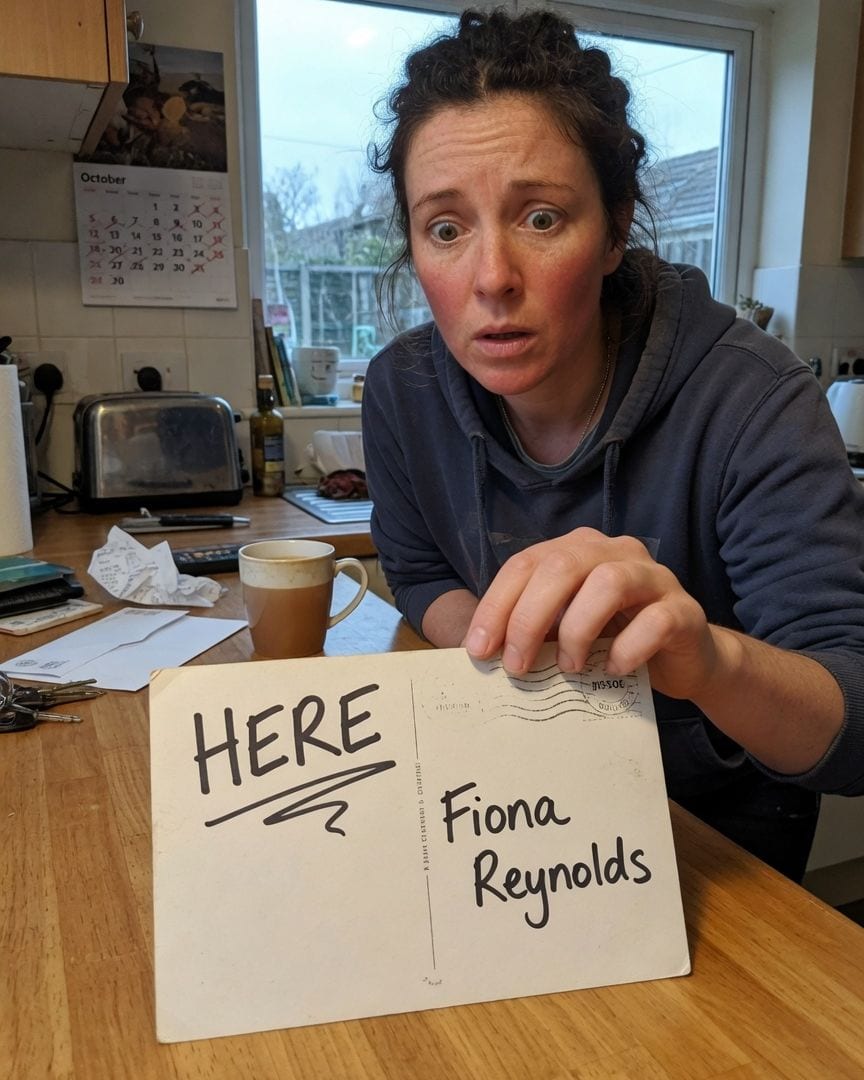
My dead brother's handwriting keeps arriving on cards, postmarked from the level crossing where he died. He never wrote to me.
The first card arrived from my brother, James, a week ago. He died fifteen years ago, but his distinctive handwriting was undeniable, each message postmarked from Bissoe, the site of his death. Now the third card, 'HERE,' makes me question everything I thought I knew.
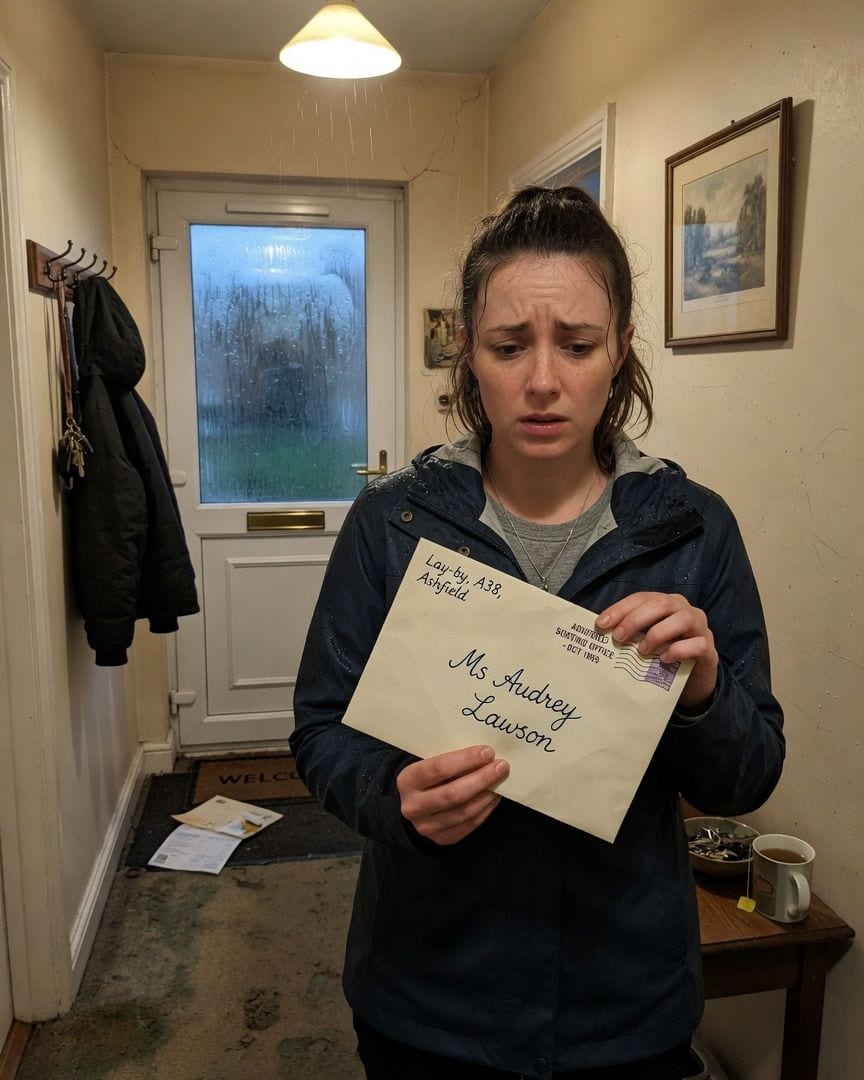
My condolence card arrived for a death that never happened, postmarked from a sorting office that closed before I was born.
My first envelope arrived on a Tuesday, nestled with bills. It bore my full name and a return address for an A38 lay-by that held only a crash barrier. But the postmark read ASHFIELD SORTING OFFICE – OCT 1985, an office decommissioned before I was even born.
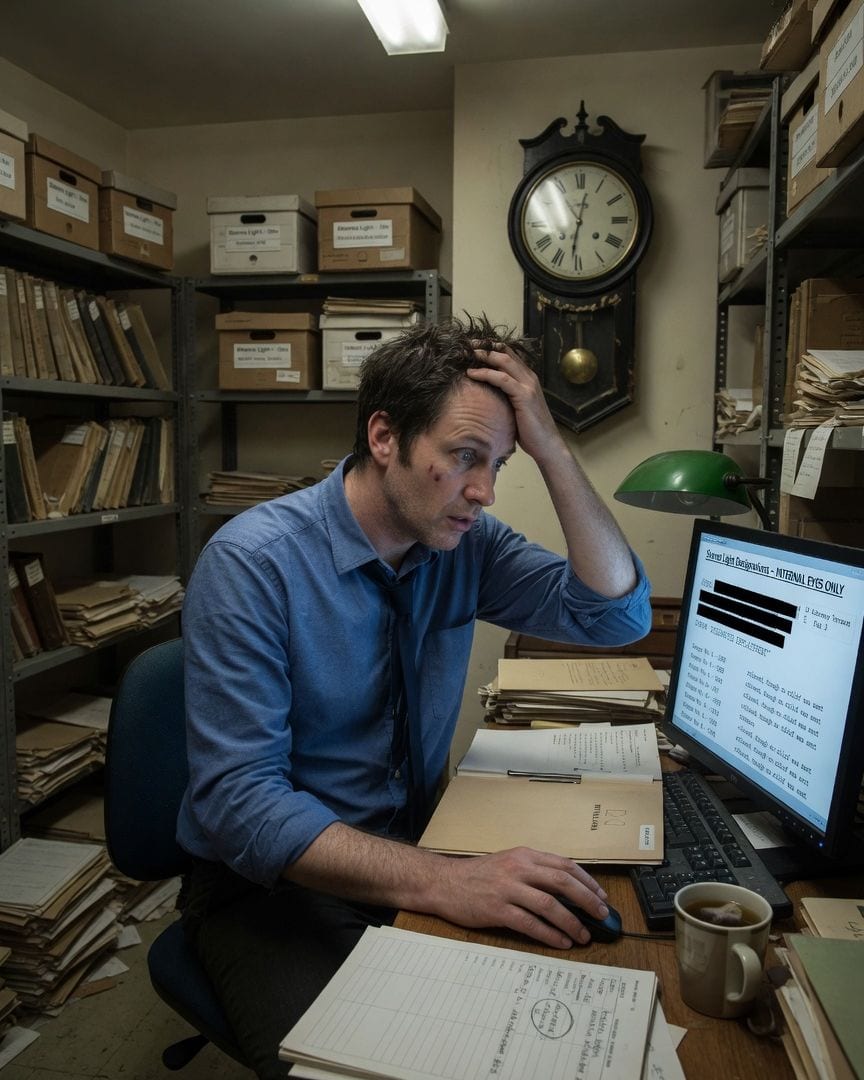
I found my street address in a century-old lighthouse file, printed decades before I lived there.
As a maritime archivist, my world revolves around forgotten lives and dusty ledgers. But the Skerne Light files broke that quiet rhythm, revealing a chilling pattern: 'Keeper number 6' relieved, though no relief was sent, repeating for decades. Now, an internal document with a strange code has led me to a redacted entry, revealing my own street address, decades before I ever lived there.