My running watch caught footsteps and a low voice right at my shoulder, saying 'keep going, don't turn around.' I was completely alone on the towpath.
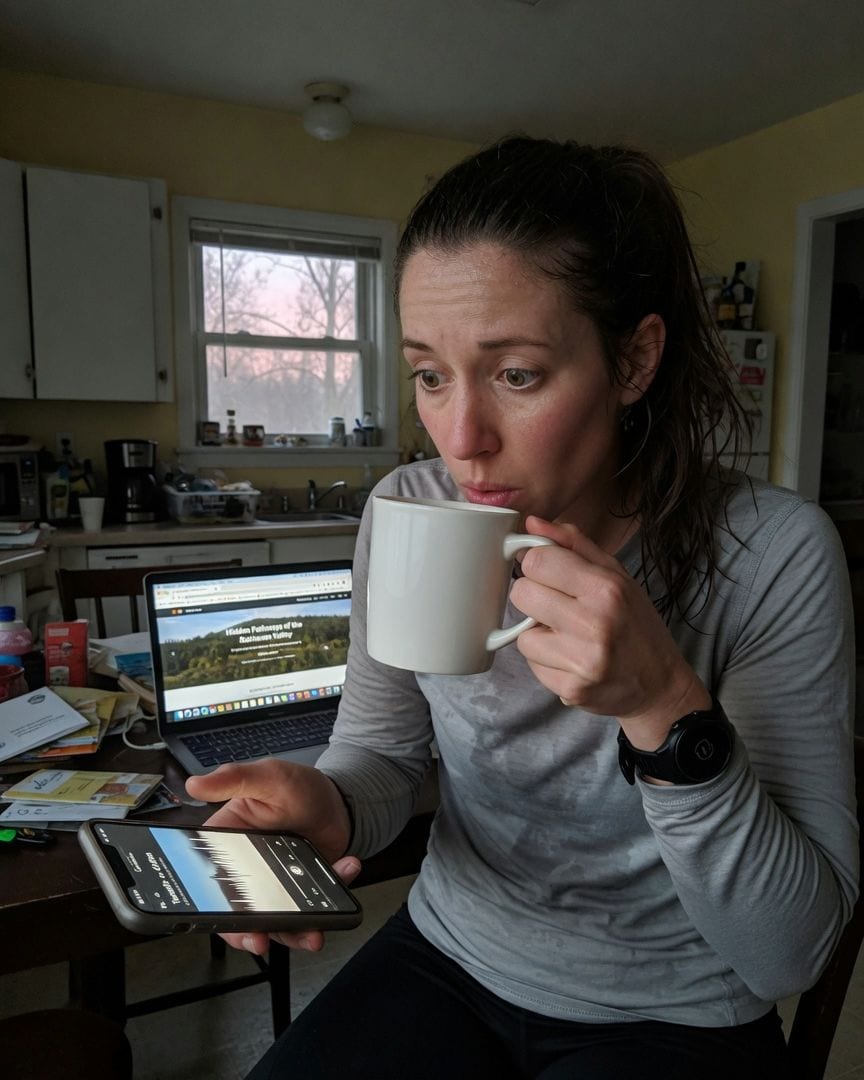
The crisp autumn air was exactly why I loved my morning runs on the old canal towpath.
Deserted most weekdays, it was my sanctuary – just me, the gravel crunching under my feet, and the faint rustle of reeds by the water. That morning was no different.
The sky was still pale, the sun just thinking about rising, painting the clouds a soft rose.
I had my new running watch on, tracking my pace, heart rate, and, as a new feature I'd enabled, thirty seconds of audio with each workout.
I liked the idea of hearing the birds later, or the rare distant barge horn. Just mundane sounds, a digital postcard from my run. The path was empty, truly empty. I scanned ahead, behind, just a habit. Nothing.
Just my own rhythmic thump, thump, thump on the gravel.
Back home, showered, and cooling down with a coffee, I synced the watch to my phone. Habit. My pace was good, heart rate steady. I scrolled to the audio segment from the towpath.
A recording icon glowed, then the familiar sounds of my run filled the quiet kitchen. My breathing, a little heavier than I thought. The steady, repetitive crunch-crunch of my trainers on the gravel path. It played for maybe twenty seconds.
Then, clear as a bell, a second set of footsteps. Not mine. Heavier, a distinct scrape-shush just behind my left shoulder, almost in sync with my own rhythm, but a beat off.
I frowned, thinking it was distortion, a trick of the mic. I rewound. Crunch-crunch… scrape-shush. Definitely there. And then, a low, gravelly voice, right at my ear, no more than six inches away: "keep going, don't turn around."
I froze. Coffee cup halfway to my mouth. The sound wasn't a whisper; it was a normal speaking volume, the words perfectly articulated. My heart, which had just cooled down, started hammering. I live alone. The towpath had been empty.
I played it again, the dread tightening in my chest. Scrape-shush… "keep going, don't turn around." It was undeniably there. A physical presence, captured on a digital file, from a moment I remembered as completely solitary.
My hand shook as I hit rewind a fourth time.
The next day, I didn’t run. I walked. Back to that exact stretch of the towpath, the recording of the voice playing softly on my phone, looping in my pocket. I scanned everything, every inch of the path.
A hidden speaker? Some kind of weird acoustic echo point? I pushed aside overgrown reeds, peered into culverts, looked for abandoned cameras, anything. The path was just... gravel. Overgrown reeds. The placid canal water. Unremarkable. I found nothing.
Not a single trace of anything that could explain the recording. My rational mind, which had spent the night trying to construct elaborate scenarios involving drones, pranksters, or a highly localized hallucination, found no purchase.
Determined to find a rational explanation, I spent the afternoon at the local library, a place I hadn't properly visited since college. I started with the towpath's history, searching for forgotten incidents, any peculiar features.
I scrolled through digitized old newspaper clippings, census records from the early 20th century, even obscure online forums dedicated to local lore. Most leads were dead ends. Tales of phantom barges, a drowned child, a rumored smuggler’s route.
Easily dismissed folklore, the kind of stories that accumulate around any old waterway.
Then, tucked away in a dusty volume titled 'Hidden Pathways of the Oakhaven Valley,' I found it. A faded, hand-drawn map of the local area, clearly much older than any ordnance survey I'd ever seen.
It wasn’t a map I recognized at first glance, but it depicted familiar landmarks—the bend in the river, the old mill house (now a coffee shop), the church steeple visible from my street.
My finger traced the familiar line of the canal. And there it was. A specific segment of the towpath, precisely where I'd heard the voice, labeled 'The Shepherd's Path.'
The line on the map wasn't quite identical to the modern towpath; it deviated slightly, veering inland, leading into a heavily wooded area where no modern road or building exists on official maps.
I cross-referenced it with Google Earth – just dense, unbroken forest.
My gaze lingered on the path. And next to it, a small, stylized symbol, almost like a brand. A curved line with a small, circular dot at one end. A simple design, yet unsettlingly familiar. My breath hitched.
It was a precise, exact match for the tiny logo etched onto the side of my own running watch, the one I'd bought online a few months ago, its brand name something generic I couldn't even recall.
I stared at the faded, hand-drawn map spread across the library table.
My finger traced the 'Shepherd's Path' that mirrored my running route, then pointed to the stylized symbol next to it – a symbol that was an exact, unsettling match for the tiny logo etched onto the side of my own running watch.
I looked from the map to the blank, wooded area where something should be, her breath catching.
The map was old, yellowed, a relic of a forgotten time, yet it spoke directly to my present, to the impossible recording on my wrist.
The silent, unlisted space on the map where the path ended felt like a gaping mouth, waiting.
The next morning, the old map was spread out on my kitchen table, a contrast to the glowing screen of my laptop. I tried to cross-reference the 'Shepherd's Path' with modern satellite imagery and topographical data.
The area marked on the old map, where the path veered off, was indeed a dense, unbroken forest on current maps. No discernible structures, no clearings, not even old foundations visible through the tree canopy.
It was as if whatever was there – if anything – had simply vanished, leaving no trace for modern eyes.
The silence of that unmarked patch of green on the satellite image felt heavy, like a secret keeping its own counsel.
I knew I needed to talk to someone. Not just anyone. Someone who knew the town’s deep history, the kind of person who remembered what was before the official records. Roy Ford came to mind.
Retired local historian, former librarian, known for his encyclopedic, if a little eccentric, knowledge of the town's past.
I drove over to his small cottage, the old map folded carefully in my bag. He was exactly as I remembered him, a thin man with sharp eyes behind thick glasses, perpetually smelling of old paper and tea.
I laid the map on his cluttered table, carefully omitting the detail about my watch. "Have you ever seen a map like this, Roy? This 'Shepherd's Path'?"
He leaned in, peering at the faded lines, his brow furrowed. He picked it up, turned it over, held it to the light. "Hmm. Curious. Looks like a local's sketch, not an official survey.
There were always little paths, you know, shortcuts people took before the roads went in. 'Shepherd's Path'… probably just a local eccentricity. Or a surveyor's joke." He hesitated, though, his eyes lingering on the label.
He ran a finger along the line of the path, then pressed his lips together before handing it back. "Lots of stories about that stretch of woods, though," he added, almost as an afterthought.
"Folks getting lost, especially the young ones. Nothing concrete, just whispers. Kids' tales, probably." He waved a dismissive hand, but there was a flicker of something unreadable in his gaze, a brief shadow I couldn't quite place.
I returned to my runs, keeping to the towpath, but now the solitude felt different. The crisp autumn air felt heavier, the silence more profound.
I felt a persistent prickle at the back of my neck, a sense of being observed, even when I was certain I was alone. Every rustle in the reeds, every creak of a distant branch, made me jump.
My phone, my watch, my home, it all felt... porous. I dove back into the library archives, following Roy's subtle hints about the woods.
I found an archived local newspaper clipping from fifty years ago, a series of short articles detailing 'runaway' cases from the district. All from families living near the towpath. All quickly closed without explanation.
Families 'near the towpath.' The dread deepened, suggesting a pattern, not an isolated incident. Not children playing truant.
A few days later, an email arrived in my inbox. The sender was anonymous, the address a random string of characters: [email protected]. Untraceable. The subject line was blank. My fingers were cold as I clicked it open.
The body of the email contained only five words:
‘Some paths are best left untrod, Hannah.’
My name. Plain as day. My full name. The blood drained from my face. I stared at the screen, then at my own reflection in the dark glass. No one knew I was actively investigating this. No one.
I hadn't posted anything online. Hadn't told anyone but Roy Ford, and he certainly wouldn't send a message like this. He barely knew how to turn on a computer, let alone compose an anonymous, cryptic warning.
A cold dread settled in my stomach, turning to ice. Someone knew. Someone was watching. Not just the towpath, not just my general interest in local history, but me. My specific actions, my current pursuit, and my identity.
I frantically checked my computer for spyware, ran antivirus scans, looked for tracking apps on my phone. Nothing obvious, nothing I could immediately identify. The warning was precise. Personal.
It was a direct message from the unknown, confirming my deepest, most irrational fears: my digging had been noticed. The silence around 'The Shepherd's Path' wasn't empty; it was guarded.
I felt a chill, a tangible presence in my own home, as if the sender wasn't just outside my window, but had been inside my digital space, reading over my shoulder.
The air around me seemed to thicken, the light in the room to dim slightly.
I drove straight to Roy Ford's house, the anonymous email burning in my hand. I practically fell out of the car. He answered the door, a steaming mug in hand, and blinked at my frantic appearance. "Hannah? What's wrong, dear?"
"This," I choked out, shoving my phone, screen-first, at him. "Someone sent this to me. Someone knows." My voice was tight, thin with suppressed fear. "And they know my name, Roy. My name."
Roy’s usually composed demeanor crumbled. He took the phone, squinting at the screen, then looked at me, his face paling, the color draining from it like water down a drain.
He let out a long, shuddering sigh, the sound more of a groan. He ran a trembling hand over his thinning hair. "I knew I shouldn't have kept quiet," he murmured, his eyes unfocused, staring into some distant memory.
"I should have told you when you first asked."
He sat down heavily on his worn armchair, gesturing for me to take the sofa. "It wasn't a surveyor's joke, Hannah. Or a local legend." He paused, gathering his thoughts, his voice low, raspy. "It was called The Shepherd's Watch.
Not a hospital, not a prison, but... a place for 're-integration.' For 'lost souls,' they called them."
He explained that it had operated for decades, hidden deep in the woods where the old map showed the unmarked area. "Well-funded, off the grid. My grandmother, Clara Ford, she worked there as an administrator.
She always said it was for 'the greater good.' To help people, guide them back to the right path." He swallowed hard. "The 'Shepherds,' as they were called, would patrol the path, 'guiding' new arrivals.
Or 'charges,' as my grandmother sometimes called them."
My blood ran cold. "The voice," I whispered, barely audible. "On my watch. It said, 'keep going, don't turn around.'"
Roy’s head snapped up. His eyes widened, fixing on mine. "That was it. That was the standard instruction. Used to prevent the new arrivals from seeing the facility prematurely, or... or attempting to escape. A calming phrase, she called it.
To keep them compliant." He looked genuinely disturbed, as if speaking the words aloud had broken a spell. "The institution was supposedly shut down years ago. Quietly. Its existence scrubbed from official records.
My grandmother always said they were thorough about their secrets." He slumped back, visibly relieved to finally unburden himself, yet also terrified for me. "They were thorough, Hannah. About their secrets. More thorough than anyone knows."
Roy, still shaken from his confession, paced his small living room like a caged animal. "My grandmother," he said, his voice thick with unease, "she was meticulous. Obsessive, really. She kept everything. Said it was 'just in case.'
Meticulous digital records, even when everything else was still on paper in that place." He stopped pacing, looking at me with haunted eyes. "She stored them on some private server, long defunct now. An old URL, a username, a password."
He paused, then added, his voice barely a whisper, "She always called it 'the channel that uses your name.' Said it was the only way to really understand what they were doing."
He fumbled in a dusty drawer of an antique desk, rummaging through old letters and yellowed photographs. Finally, he pulled out a faded index card with a jumble of characters scrawled on it in elegant, antique script.
He pressed it into my hand. "I should have destroyed it years ago. Never thought it would matter."
Back home, my hands trembled as I typed the cryptic URL into my browser. It was an archaic, text-based interface, a relic from a forgotten internet era, but it loaded. The background was stark black, the text a glowing green.
I entered the username and password from the index card. The screen flickered violently, lines of code scrolling too fast to read, then it settled. A stark, old interface, simpler than anything I’d seen in decades.
A single file glowed, highlighted, at the top of a short list. The text read:
'CRANE, HANNAH. Assessment File.'
My breath hitched. My finger trembled, hovering over the link, the name on the screen a cold, impossible mirror of my own.
My finger hovered, then dropped, hitting the link. The file opened, and I braced myself for… I don't know what. A profile? A surveillance report? But it wasn't an assessment of me. Not directly.
The document that filled the screen was titled: 'CRANE, RENEE. Assessment & Re-integration Log.' Renee. My mother.
It was dated decades ago. My heart pounded against my ribs as I read. The document detailed my mother's 're-education' and 'successful re-integration' into society after exhibiting 'deviant tendencies' in her youth.
It outlined her 'pathway' through the facility, describing how The Shepherd's Watch utilized 'subliminal auditory cues' on specific pathways – like the towpath – to guide and influence subjects, even after their 'release.'
The voice on my running watch, the phantom footsteps, they weren't a glitch, not interference. They were a lingering, automated system. Still active. Still 'monitoring.'
The file coldly stated that Renee was 'released under continued Shepherd monitoring.' A chilling postscript appeared at the bottom, glowing faintly in the old green text:
'Subject's daughter, Hannah, shows similar sensitivities. Monitor for activation.'
The pieces clicked into place with horrifying clarity, each one a cold, hard snap. The voice. The map. Roy's confession. The anonymous warning email, knowing my name. The specific phrase, 'keep going, don't turn around.'
And now, my own name on that file. It was all connected. A generational system of insidious control. A 'channel' of influence that had never truly been shut down, only evolved, retreated into the shadows.
My mother, unknowingly, had been a part of it, a subject, a product. And now, so was I. My 'sensitivities' made me a target. I felt like a puppet, strings invisible until now, but always there, waiting to be pulled.
I drove to my mother’s house, the laptop open on the passenger seat, the glowing green text of her 'Assessment File' a burning accusation in the dim car. I found her in the kitchen, humming softly, making tea.
"Mom," I started, my voice tight. "We need to talk. About something from a long time ago."
She looked at me, a smile faltering. "Hannah? What's wrong? You look like you've seen a ghost."
I slid the laptop across the table, spinning it so she could see the screen. 'CRANE, RENEE. Assessment & Re-integration Log.'
Her eyes widened, then narrowed in confusion, then a dawning horror. Her initial shock gave way to a profound, heart-wrenching breakdown. She scanned the document, her lips moving silently, tears starting to stream down her face.
She confessed, through sobs, to vague, unsettling memories of a 'camp' or 'retreat' she attended as a teenager, after a period of acting out. Memories she had suppressed, dismissed as a bad dream, a difficult phase.
"They called it a 'wellness retreat'," she choked out, her voice raw. "They helped me… 'find my way'."
She had always felt a subtle pull, she admitted, a 'rightness' to certain thoughts and actions, an internal 'guide' she'd never questioned.
This 'channel,' as the file called it, was the Shepherd's pervasive, subliminal influence, subtly shaping her life, nudging her towards 're-integration.'
The realization that she had unknowingly passed on a 'sensitivity' to me, making her daughter a new target, a new 'subject,' crushed her. "Oh, Hannah," she whispered, burying her face in her hands. "My poor girl. I'm so sorry."
She looked up, her eyes red-rimmed but hardening with a resolve I hadn't seen in years. "We have to expose them," Renee whispered, her voice firm despite her tears. "Everything. All of it."
We spent the next hour, fingers flying across the keyboard, initiating a mass download of every file, every log, every 'assessment' from the archive. We had to gather undeniable proof before the 'channel' was discovered and wiped.
The progress bar crept across the screen, agonizingly slow. We were halfway through when the screen flickered violently.
The old interface changed. The green text blurred, scrolling rapidly, then reformed into a single, ominous message:
'Monitoring terminated. Activation detected. Welcome, Shepherd.'
Then the screen went dark. The connection severed. The remaining files, countless decades of secrets, lost forever.
Hannah and Renee managed to salvage fragmented parts of the archive, enough to prove the existence of 'The Shepherd's Watch.' The location of the facility, long abandoned and hidden deep in the woods, was eventually investigated by authorities.
They found empty, sterile rooms, dust-laden machinery, and a network of subterranean passages, but no current activity or lingering personnel. The towpath, after much debate, was eventually marked with 'No Entry' signs, officially closed off for 'environmental rehabilitation.'
The obscure online channel, and all its remaining data, vanished without a trace, wiped clean from the internet, a ghost in the machine.
The official narrative settled on a forgotten, defunct 'wellness facility' with dubious practices, its records a historical oddity.
I continue my runs, but never on the towpath. I stick to the roads now, to open spaces, where I can see everything around me.
I carry the salvaged files in a fireproof box, hidden deep in my closet, a tangible reminder of the Watch. The overt 'channel' is gone, the facility exposed, its physical presence neutralized.
But the chilling thought remains: the 'activation' detected in me, the 'sensitivity' inherited from my mother, might still be within me. A dormant seed of influence.
I wonder if I'm truly free, or if I'm just a Shepherd waiting for a new path.
Sometimes, when I run, I still hear the footsteps behind me, but I never turn around.
If this one got to you
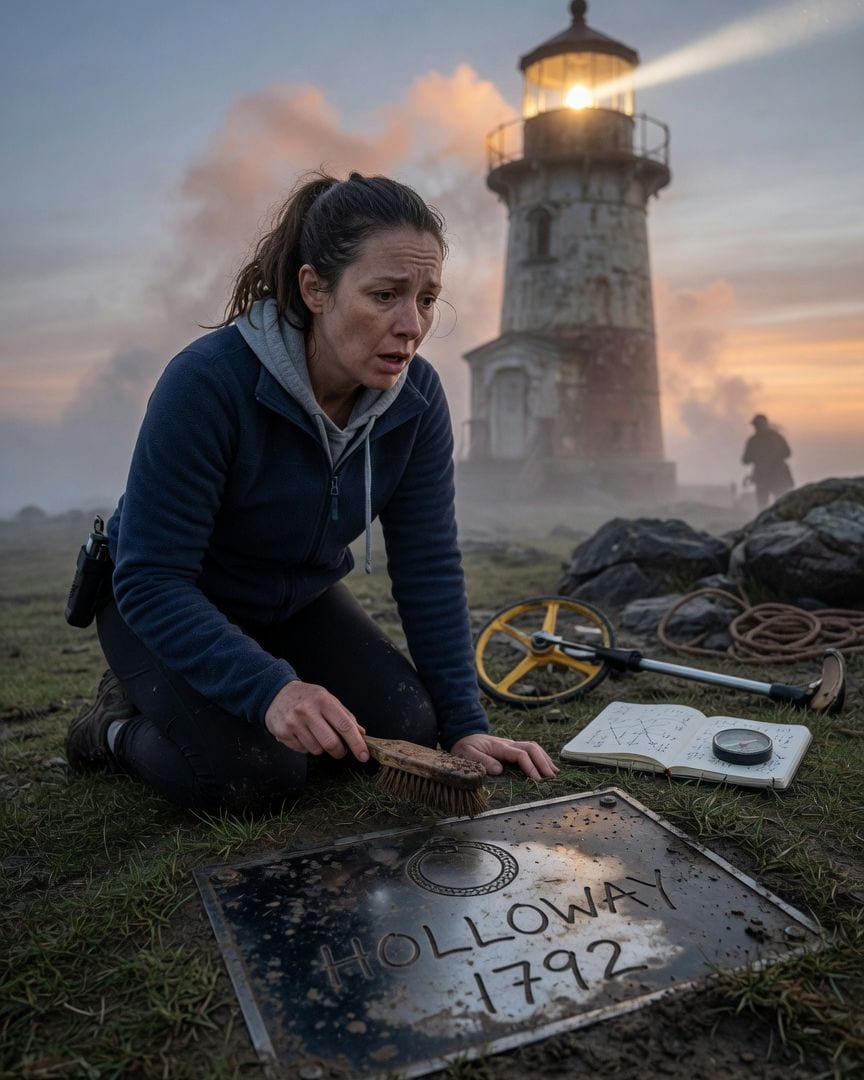
My coastal path just kept curving me back to the lighthouse. Nine miles walked, the same fisherman coiling rope, but I never left.
My morning ritual is a brisk walk along the coastal path. But last Tuesday, after what felt like an hour, I found myself back at the lighthouse, having walked miles to nowhere. My step-counter read 4.5 miles, yet the same fisherman was still coiling the same rope right where I started.
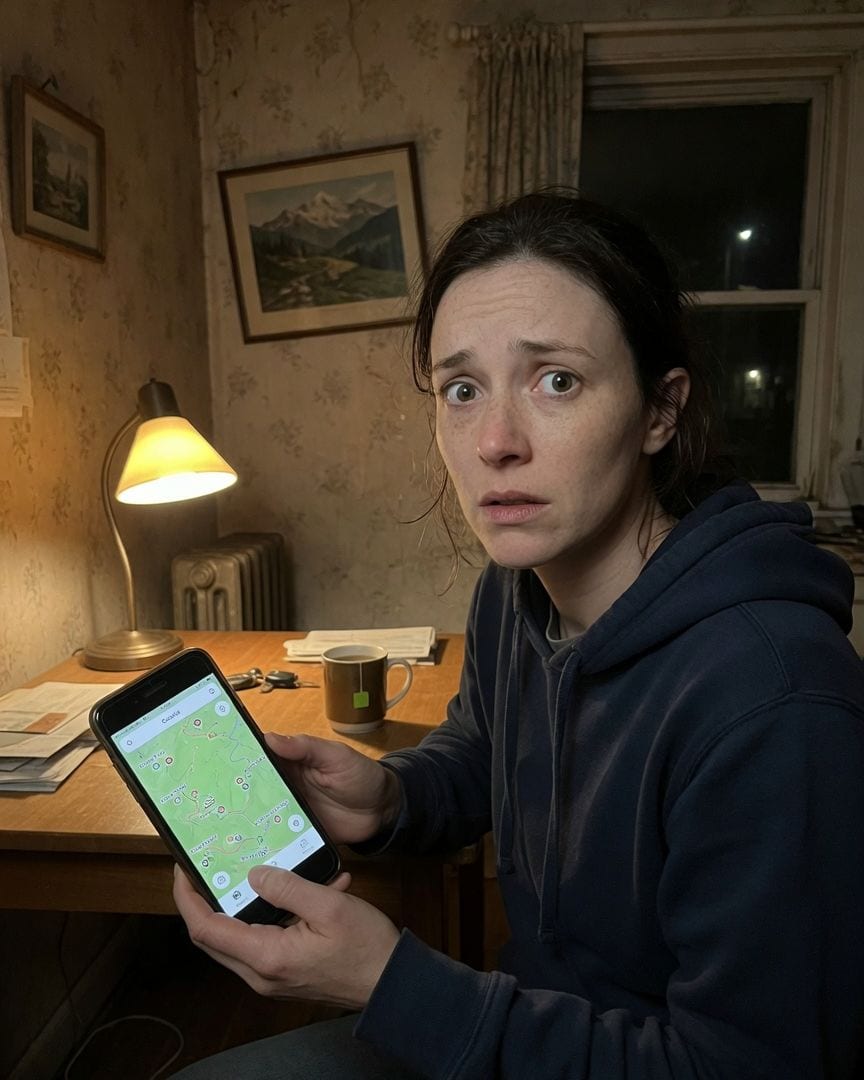
My hiking app scrubbed the hill's name from the map, on a phone that's been in airplane mode for two days.
I just moved to town and hiked a local hill, 'Cathan Tor,' according to my phone's app. But when I mentioned the name to the mechanic, he froze, dropped his wrench, and whispered, 'Don't say that name, Colette.'
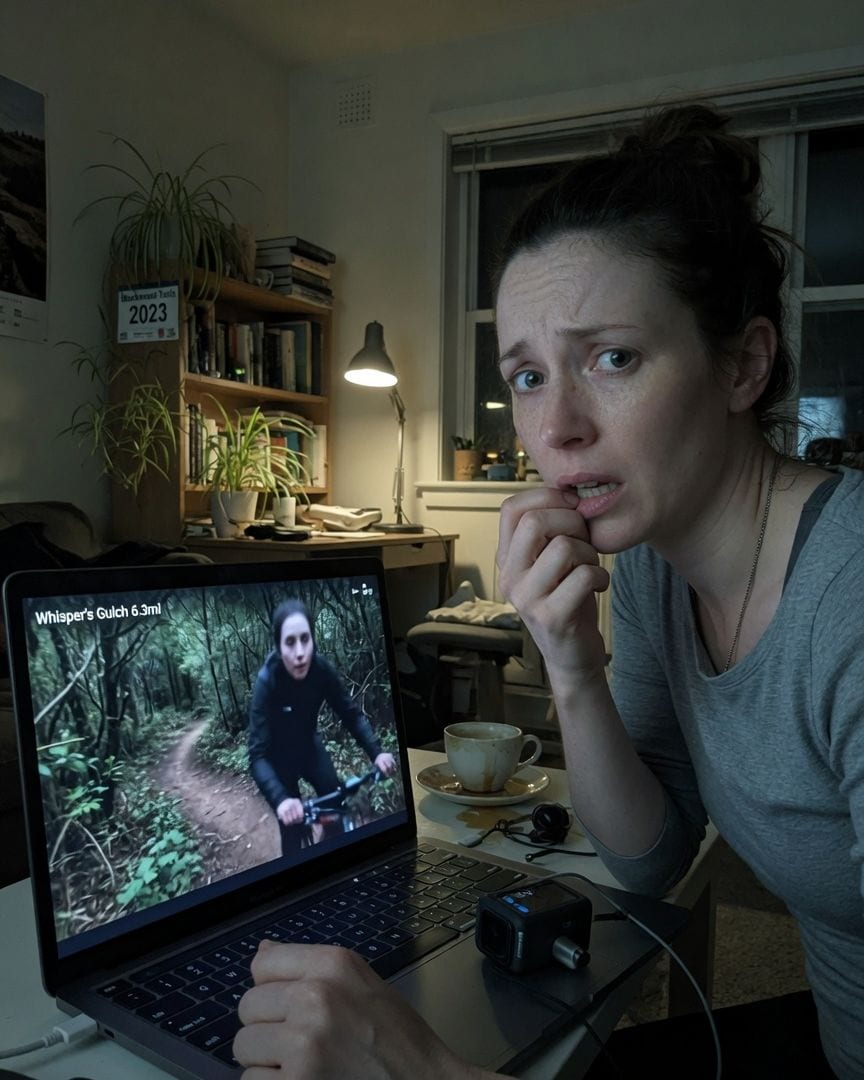
My GoPro filmed a runner behind me for four miles. There was no way onto that trail, or off it.
Every Tuesday, I meticulously review my GoPro footage from my bike ride through Blackwood Trails. But this week, a figure appeared behind me in the video, matching my pace on a path I knew was empty. I watched, horrified, as it materialized and stayed, defying all logic.
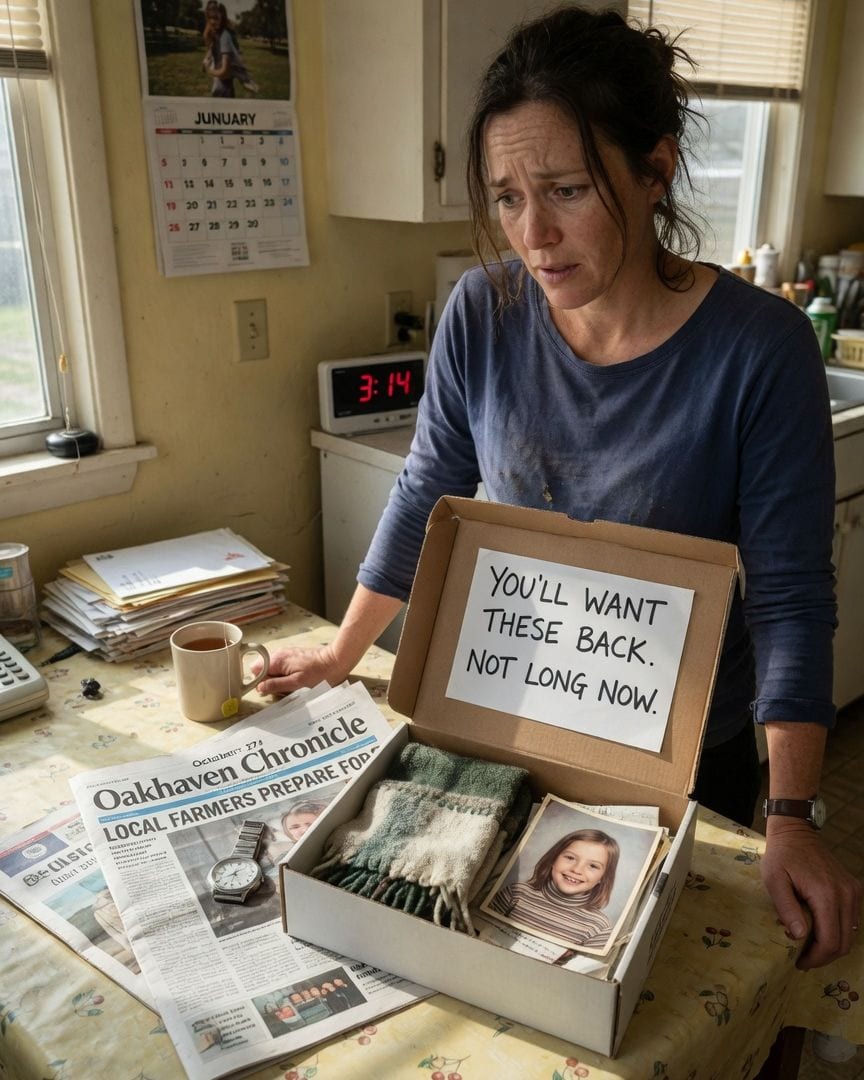
Newspaper dated next week wrapped my lost things. The watch inside was still ticking.
A mysterious courier dropped a plain box on my step, containing my long-lost watch, a treasured scarf, and a childhood photo I hadn't seen in decades. It felt like a strange prank, until I saw the newspaper wrapped around them. The *Oakhaven Chronicle* was dated the week after next.
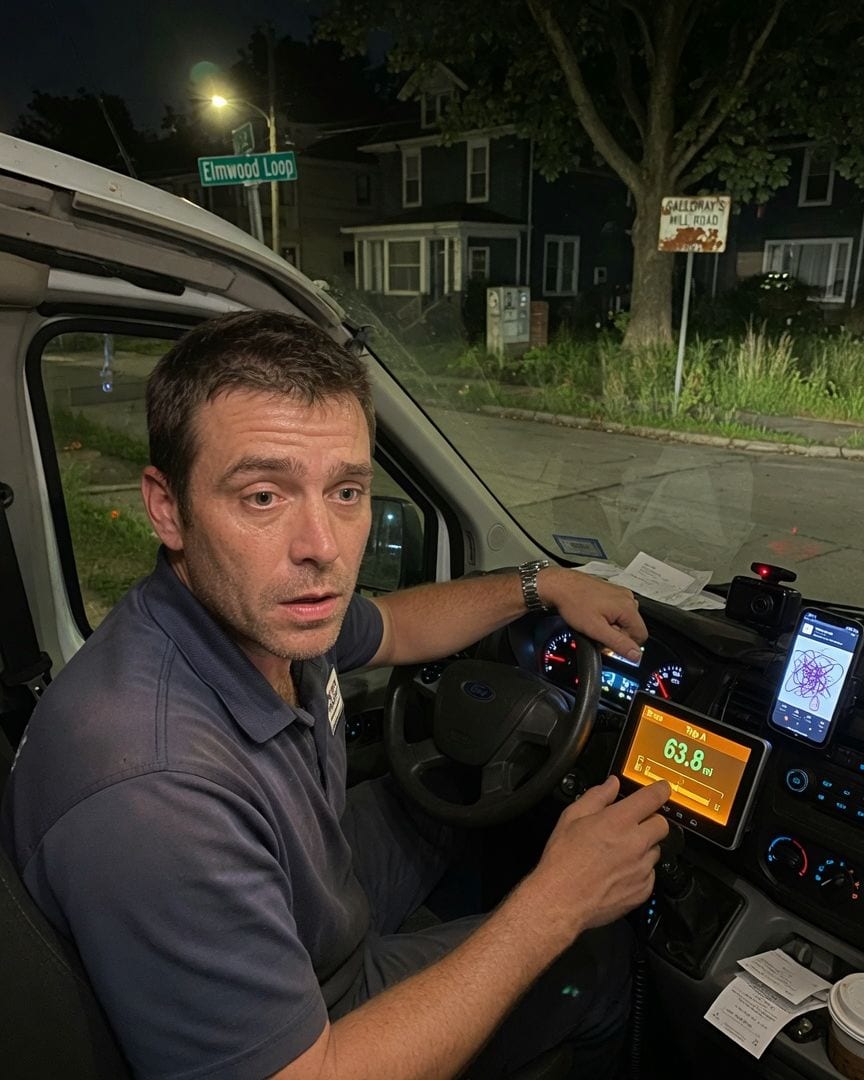
My delivery van's fuel gauge dropped a quarter tank on the Elmwood loop last night. It logged sixty-three miles, a loop I can walk in ten minutes.
I know my routes and my van, but the Elmwood Loop was different. My GPS app showed me standing still on the street, even as I walked for miles, my colleague confirming I hadn't moved. The impossible location left a blank, grey spot on the map.
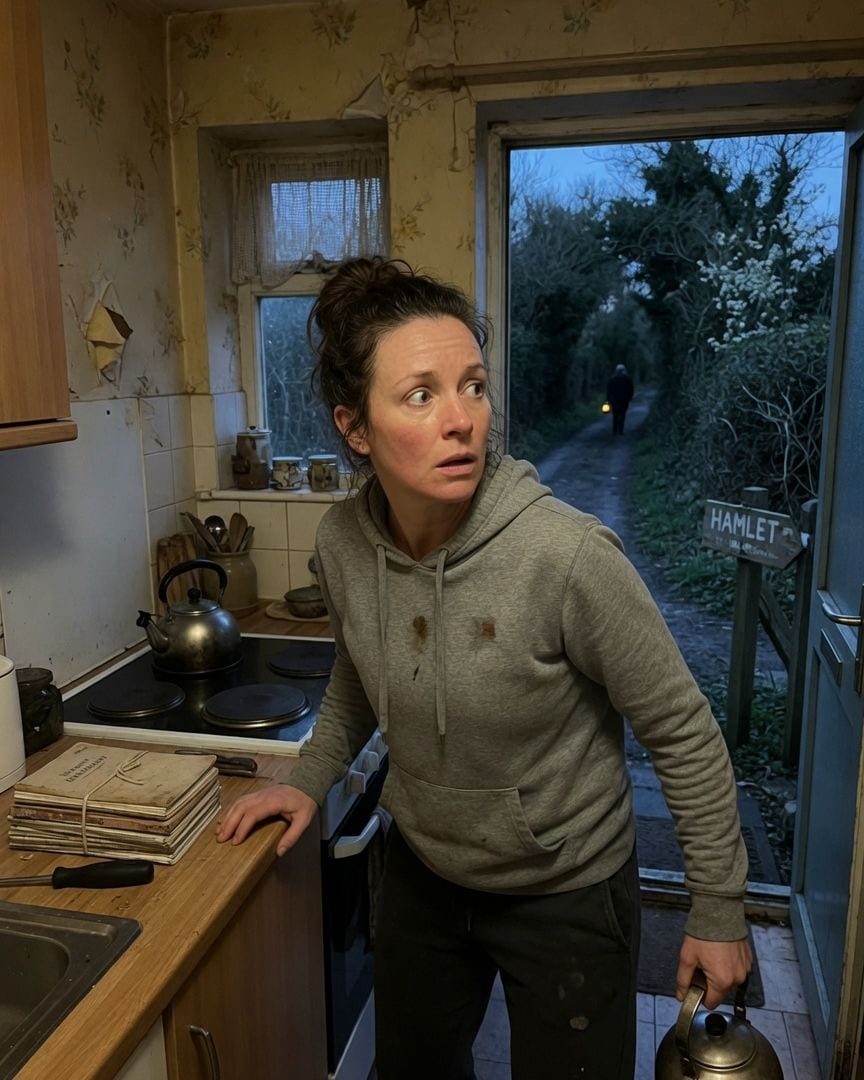
My side gate opens onto a dirt lane between hedgerows, not the close, and a figure with a lantern comes up it toward me.
My side gate normally opens onto the familiar tarmac of the close, but lately, it's opened to a narrow, overgrown dirt lane instead. Three times now, at dusk, I've seen a man with an old-fashioned lantern walking unhurriedly up this impossible lane towards my house. Each time, when I dare to look again, the lane is gone, leaving only the bins and a racing heart.