My brother Bernard orders 'espresso' now. He said 'expresso' his whole life, we always teased him. He came back from the lodge three days ago.
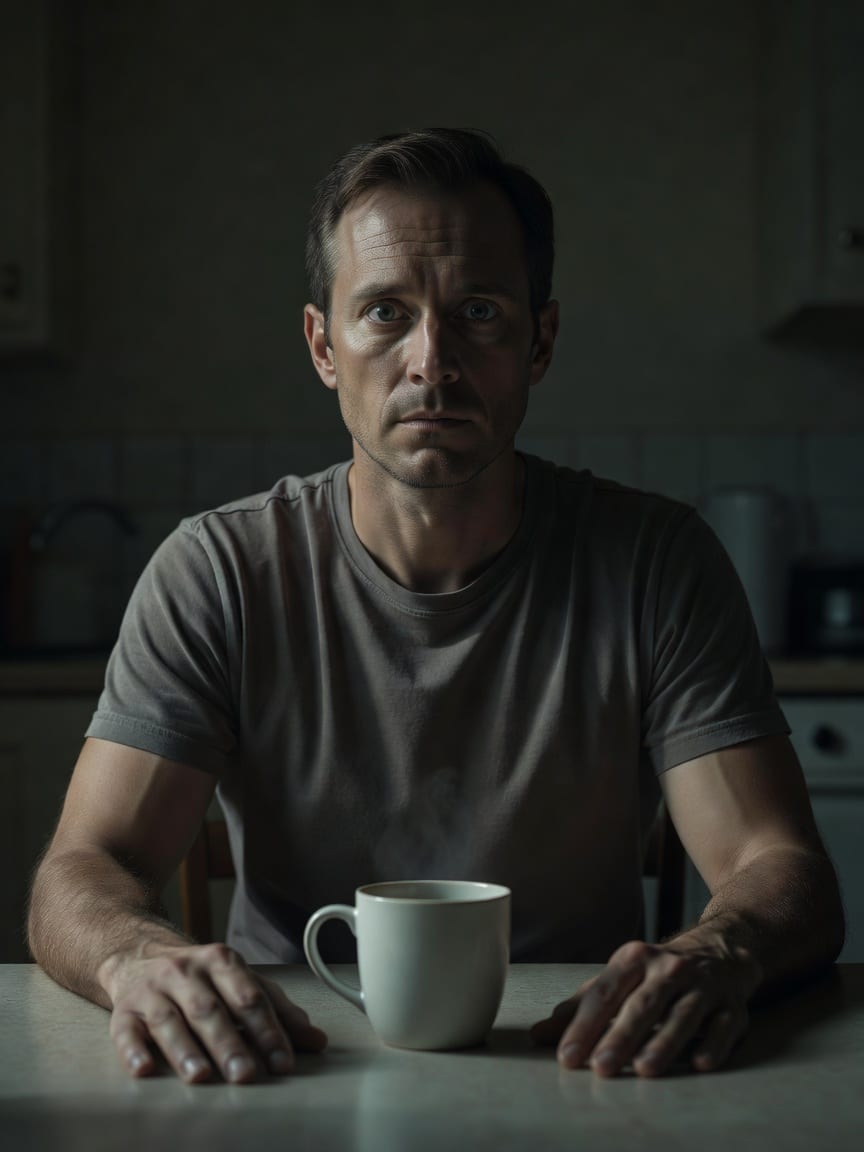
The kitchen smelled of burnt toast and fresh coffee, but I couldn’t taste anything. Bernard sat across from me, his face tan from the slopes, a little weary but undeniably him.
He’d been missing three days from Eagle Peak Ski Lodge, and the relief, everyone said, should have been overwhelming. But it wasn’t. Not anymore.
He’d just asked for ‘espresso’ for the third time this morning, the word crisp and correct, rolling off his tongue with an unfamiliar precision. I’d pointed it out, gently, a little laugh to soften the edge. “Espresso, huh?
Getting fancy on us. Always been ‘expresso’ for you, buddy.” He set down his mug, the ceramic clinking softly against the table. I saw a faint, almost imperceptible tremor in his hand as he did.
He looked at me then, his eyes too steady, too calm, and said he’d never mangled a word like that in his life. Said it as if I’d made it up, invented a lifelong speech impediment just to hurt him.
Forty years. Forty years of ‘expresso,’ a family joke, a habit as ingrained as the small, pale scar above his left eyebrow. He’d never once gotten it right.
Now, he spoke the word with an unwavering gaze, and I felt a sudden, cold certainty bloom in my chest: the man across from me was not Bernard. Not truly.
He had my brother’s face, my brother’s voice, but he was wrong.
A week later, the dread had solidified into a heavy, unshakeable weight. I’d found myself avoiding eye contact, listening too closely to his speech patterns, searching for another tell. Every familiar gesture felt like a performance.
Then, while cleaning out his closet, I found it: Bernard’s old, distinctive red ski jacket, tucked away in the very back.
It was the one he’d worn on every single ski trip since high school, faded at the cuffs, a small, dark burn mark on the left sleeve from a forgotten campfire. He’d always called it his lucky jacket.
I clutched it, a desperate hope fluttering in my chest. Maybe this, this tangible piece of his past, would spark something, a moment of shared nostalgia that might just dispel the creeping unease.
“Look what I found,” I said, holding it out to him in the living room, trying to make my voice light. “Your old lucky jacket. Remember this thing?”
‘Bernard’ took it, his fingers tracing the small burn mark on the sleeve. A faint smile, not quite reaching his eyes, played on his lips. “Ah, yes. I remember this. We wore these on that trip to Whistler, didn’t we?
You had the blue one, and we got caught in that blizzard on the Blackcomb peak.” My breath caught. We’d never been to Whistler together. Bernard went alone, years ago, after his divorce.
I had stayed home with the flu, tucked in bed with hot tea and bad TV. “No, Bernard,” I said, my voice strained, feeling the blood drain from my face. “That was you alone. I was sick.”
His smile didn’t waver. He looked at me, his eyes calm, certain. “Nonsense, Catherine. You were right there. You even joked about how my jacket saved me from frostbite.”
He then detailed the imagined blizzard, the specific jokes we’d supposedly made, the warmth of the lodge afterward, all of it. His recall was vivid, warm, and entirely, utterly false.
The sheer conviction in his voice, the way he looked at me as if I were the one misremembering, was worse than any outright denial. It was a memory, perfectly formed, that he shouldn’t have.
It was a memory that belonged to someone else, or nowhere at all.
I stood frozen in my living room, the ski jacket clutched in my hands, the fabric cool against my trembling fingers.
‘Bernard’ sipped his coffee, his gaze fixed on me with a calm, unblinking intensity that chilled me to the bone. He had just described a memory of us skiing together, a trip I knew, with absolute certainty, never happened.
My mind raced, trying to reconcile the familiar face with the impossible memory, the casual certainty in his eyes. He wasn’t confused, or forgetful. He was wrong.
And he looked at me, then, as if he expected me to agree, to confirm his manufactured past. The air around us crackled with unspoken accusation, a silent demand for my compliance.
I felt a profound, terrifying isolation, a dizzying certainty that I was utterly alone in this, living with something that wore my brother’s face, and knew things it shouldn’t.
The ski jacket incident left me shaken, but resolute. I couldn’t voice my fears to anyone, not yet. Who would believe me? Instead, I began to subtly investigate.
I called the Eagle Peak Ski Lodge, asking about the search efforts, the conditions during Bernard’s disappearance.
The manager, a gruff but polite man named Mr. Thompson, confirmed Bernard was found unharmed, wandering near the old logging road, three days after a sudden, localized whiteout had hit the upper slopes. No one else was reported missing.
He seemed genuinely relieved that Bernard had returned safely.
I then drove to the small town nestled at the base of Eagle Peak. I needed to see if anyone else noticed. I visited the local diner, where Bernard often stopped for breakfast before hitting the slopes.
The owner, a woman named Ruth Doyle, with sharp, intelligent eyes and a kind smile, remembered Bernard well. “Good man, Bernard. Glad he’s back,” Ruth said, wiping down the counter with practiced efficiency.
She always had a knowing look about her, like she’d seen everything the valley had to offer. I cautiously steered the conversation towards Bernard’s return, mentioning the ‘expresso’ slip, trying to make it sound like a funny anecdote.
Ruth merely chuckled, a dry, rustling sound. “People change, dear. Happens.” Her eyes didn’t quite meet mine, though. But then I brought up the ski jacket, the specific, impossible memory of Whistler.
Ruth’s eyes flickered, a flicker of something I couldn’t quite place – not surprise, but a momentary tension that rippled across her composed face. She stopped wiping the counter.
“Oh, that old thing,” Ruth said, too quickly changing the subject to the unseasonable warmth of the weather. I noticed how Ruth avoided eye contact, how her hands, usually steady as she refilled a sugar dispenser, trembled slightly.
It wasn’t dismissal, I realized, but evasion. A guardedness that suggested Ruth knew more than she let on, more than she was willing to share. A cold tendril of fear curled in my stomach.
Ruth wasn’t just a friendly local; she was a gatekeeper to something. This wasn’t just Bernard’s personal oddity; it was something the town, or at least some people in it, had learned to live with, or perhaps, to hide.
The quiet hum of the fluorescent lights in the diner seemed to press down on me, making the air feel heavy.
My visits to the valley became more frequent. I started spending evenings at Ruth Doyle’s diner, nursing lukewarm coffee, observing, listening, trying to find a crack in the old woman’s polite facade. I found none.
She was a master of deflection, of benign small talk. But the feeling of being watched intensified. One evening, after leaving the diner late, the streetlights hazy with the rising fog, I glanced in my rearview mirror.
A dark sedan, unlit, was parked a block down, its silhouette stark against the distant yellow glow. I sped up. It didn’t follow. I slowed. It remained. The next day, ‘Bernard’ mentioned my frequent trips to the valley.
“Spending a lot of time down by Eagle Peak, aren’t you, Catherine?” he asked, his tone casual, almost playful, but his eyes held that unsettling stillness.
We were sitting in the living room, a mug of tea steaming between his hands. “Ruth Doyle says you’ve been asking about the lodge. She says you’re quite persistent.” A knot tightened in my stomach, twisting painfully.
Ruth wouldn’t have volunteered that information. She was too guarded, too careful. Which meant ‘Bernard’ had asked her, or worse, had found a way to know without asking.
The casual mention of Ruth’s name, the specific detail of her ‘persistence,’ felt like a deliberate message, a subtle threat. He knew I was digging. He knew I was getting closer.
That night, I heard a faint creak on the stairs, long after ‘Bernard’ had supposedly gone to bed. I lay utterly still, heart pounding against my ribs, listening to the silence. It was too quiet.
The house felt vast, empty, yet occupied by something that understood my every move, every thought. I wasn’t just investigating anymore; I was being watched. The hunter had become the hunted.
The very walls seemed to breathe around me, holding their breath.
The next morning, driven by a cold terror, I drove straight back to Ruth Doyle’s diner. The fear that ‘Bernard’ knew, that they knew, had overridden any caution I had left.
I found Ruth wiping down tables before opening, her back to the door. “Ruth,” I began, my voice low and urgent, the word a desperate plea. “He knows I’m asking questions. Bernard knows.”
Ruth froze, a dishcloth clutched in her hand. Her face, usually so composed, so unreadable, crumpled slightly, the lines around her mouth deepening.
“I didn’t tell him anything, child, I swear,” she whispered, her eyes darting nervously towards the street outside, as if expecting to see someone there. “He just… he asked. He knew I’d seen you.”
I pressed, moving closer, my hand gripping her arm. “What do you mean, ‘he knew’? How could he know?” Ruth wrung the cloth in her hands, her gaze fixed on the worn linoleum floor. “It’s happened before, Catherine.
Not just your Bernard. Others. People go up to the Peak. They go missing. They come back… different.” I felt a chill that had nothing to do with the early morning air outside. “Different how?”
“Little things,” Ruth murmured, her voice barely audible. “Like your brother’s words. Or a memory they shouldn’t have. My cousin, years ago, after he went missing for a week near the old logging camp. Came back, same face, same scar.
But he started calling his wife by his mother’s name. And he had a new memory of a fishing trip with his father, a trip his father died before he ever took.”
Ruth’s voice was barely a whisper now, strained with a fear that echoed my own. She walked to a dusty shelf behind the counter, her movements slow, deliberate, as if wading through thick water.
She pulled down a faded photo album, its cover worn smooth with age. Her fingers trembled as she flipped through the brittle pages, stopping on a black-and-white photo of a family picnic, decades old. “Look.”
She pointed to a man in the background, smiling faintly at the camera. “That’s my uncle, Thomas. He came back after the ’68 blizzard. Everyone said it was a miracle. But look at his eyes.”
I leaned closer, my breath catching in my throat. The man’s eyes, though smiling, held an unsettling, almost flat stillness. It was the same stillness I saw in ‘Bernard’s’ gaze. The same chilling lack of genuine warmth.
“It always starts small,” Ruth said, her voice hollow, ancient. “Then it grows. They learn. They adapt. But they always leave a trace. And they always know who’s looking too close.”
I looked from the photo to Ruth’s terrified face, the pieces of the puzzle clicking into place with horrifying, sickening clarity. The ‘expresso,’ the impossible memory of Whistler, the unsettling stillness in ‘Bernard’s’ eyes – all of it, a pattern.
A pattern that had been repeating for decades in this quiet valley, hidden in plain sight.
Ruth Doyle’s trembling hand pointed to the faded photograph, to the man in the background whose eyes held the same unsettling stillness as Bernard’s. “They always know,” she repeated, her voice a fragile whisper. “Who is looking too close.
And they don’t like it.” My mind reeled, the weight of Ruth’s words pressing down on me, heavy and suffocating. This wasn’t just about Bernard; it was a recurring horror, a silent, pervasive invasion.
I looked at the old woman, her fear palpable, and asked, “What happens when they know?” Ruth didn’t answer immediately.
Her gaze flickered, not to me, but to the diner’s large front window, out towards the street, towards the distant, dark outline of Eagle Peak. Her eyes widened slightly, a new, deeper terror seizing her, wiping away every other emotion.
She didn’t speak, but her expression, a silent scream of dawning realization, communicated everything. I followed her gaze. Parked across the street, partially obscured by a utility pole, was the dark sedan I’d seen before.
And in its passenger window, a subtle glint of reflected light, as if someone was watching us. Ruth’s hand, still pointing at the photo, dropped slowly, her face paling to an ashen grey. “He’s here,” she mouthed, barely a breath.
“They’re here. And he knows everything.”
My heart hammered against my ribs, a frantic drumbeat against the silence of the diner. I grabbed Ruth’s arm, my fingers digging into her frail flesh. “We have to go!”
But Ruth was frozen, her eyes wide with a terror that transcended immediate danger. “No,” Ruth whispered, her voice cracking, “It’s too late. They don’t want to hurt us, not like that. They just… want to learn.”
I pulled Ruth towards the back exit, forcing her forward. “Learn what?” “Everything,” Ruth choked out, her gaze still fixed on the street, though she was moving now. “How to be. How to live.
They take the missing, wear their skin, and then they observe. They mimic. They gather what they need to become… indistinguishable. But they always leave a tell. A small wrongness. Because they aren’t us.”
I forced Ruth through the back door and into my car, the cold metal of the door handle a stark reality check. I sped away from the diner, towards the winding road that led up to Eagle Peak.
I knew where I had to go. I knew where this had to end. ‘Bernard’ had gone back to the lodge that morning, claiming he needed to ‘tie up loose ends.’
As I drove, the full horrifying picture clicked into place with sickening precision. The missing climbers, the lost hikers, the silent disappearances in the wilderness around Eagle Peak, all dismissed as accidents or search-and-rescue failures. It wasn’t just Bernard.
It was a pattern, an ecosystem of mimicry, of replacement. The entities weren’t just one-offs; they were a persistent, quiet infiltration, perfecting their craft, one subtle, wrong memory at a time.
The lodge, a hub for the missing, was likely a nexus for their operations, a place where the ‘exchange’ happened, where they observed their new identities before returning to the world.
The trees along the road blurred into a dark, menacing wall, pressing in on me.
I found ‘Bernard’ in the deserted main lounge of the Eagle Peak Ski Lodge. He was standing by the large stone fireplace, looking out at the snow-covered slopes, a picture of serene contemplation, almost beautiful in its stillness.
“Bernard,” I said, my voice steady despite the tremor in my hands. He turned, his face calm, that unsettling stillness in his eyes. “Catherine. I knew you’d come.”
“You’re not Bernard,” I stated, my voice firm, allowing no room for doubt. “You never were.” His expression didn’t change. “I am Bernard now. I have his memories, his face, his life.”
“No,” I countered, pulling out the faded photo of Ruth’s uncle, Thomas. “You have a copy. But you miss the details. The ‘expresso.’ The Whistler trip that never happened. The stillness in your eyes, just like Thomas here.”
I thrust the photo towards him, my hand shaking. ‘Bernard’ took the photograph, his gaze falling on the image of Thomas.
For a fleeting moment, a flicker of something unreadable crossed his features – not anger, not fear, but perhaps a cold, analytical recognition, like a scientist observing a data point. Then, the mimicry began to subtly unravel.
The faint smile on his face flattened, his posture stiffened, losing the familiar slump of my brother.
His voice, when he spoke again, was devoid of warmth, a low, resonant tone that was not Bernard’s, a sound that seemed to come from deeper than any human throat. “An interesting observation, Catherine. Your persistence is… notable.”
He handed the photo back. “The learning process is continuous. Some details are harder to acquire than others. But we strive for perfection.” He didn’t deny it. He acknowledged it, like a student reviewing an unsatisfactory grade.
“What do you want?” I whispered, the words barely escaping my lips. “To understand,” the entity said, its voice now completely flat, alien, like stones grinding together. “To experience. To become. Your world is rich with… opportunity.”
It took a step towards me, and I instinctively recoiled, a cold sweat breaking out on my skin.
‘Bernard’s’ features began to subtly, almost imperceptibly, shift, the familiar contours of my brother’s face seeming to stretch and soften, the eyes deepening to an unearthly black, swallowing the light. The illusion was breaking.
“You cannot stop what has begun, Catherine,” it said, its voice now a low hum that vibrated in my bones, in the very floor beneath my feet. “We are already here.” The presence it exuded was vast, ancient, utterly indifferent.
It was not a monster in the traditional sense, but something far more terrifying: a perfect, patient replicator. I knew then that I couldn’t ‘stop’ it in the way I imagined.
I could only expose it, make it abandon this form. “Get out,” I commanded, my voice shaking but resolute, the only power I had left. “Leave him. Leave us alone.”
The entity paused, its shifting features settling into a neutral, smooth mask that was neither Bernard nor fully human, a blank canvas.
It looked at me, then back at the snow-covered slopes, as if contemplating its next move, its next lesson.
Then, with a slow, deliberate turn, it walked towards the lodge’s main entrance, its gait no longer Bernard’s familiar stride, but a smooth, gliding motion that belonged to nothing human.
It opened the heavy wooden door and stepped out into the biting cold, disappearing into the falling snow without a backward glance. The silence it left behind was profound, a vacuum where my brother once was.
I reported Bernard missing again. The police, after a perfunctory search of the immediate area, concluded he must have wandered off into the wilderness and succumbed to the elements, a tragic accident.
Ruth Doyle confirmed my story to the authorities, carefully omitting the more incredible details, focusing on Bernard’s ‘disorientation’ and my ‘grief-fueled imagination.’
The lodge manager mentioned a ‘strange man’ checking out the day after Bernard’s disappearance, but couldn’t offer any useful details. Bernard Carter was officially declared lost. I moved out of our shared house, selling it within months.
I couldn’t bear to live in a place where the ghost of my brother, or whatever wore his face, had walked among me.
The red ski jacket, the one that held the false memory, I burned in a quiet ceremony behind my new, anonymous apartment building. The ‘expresso’ mugs, the family photos – all gone.
I carried the knowledge, a cold, heavy weight in my chest, a permanent mark on my soul. I knew what was out there, lurking in the quiet corners of the world, waiting for the next disappearance.
Months later, I found myself in a coffee shop, far from Eagle Peak, far from the echoes of the lodge. I ordered a latte, my gaze unconsciously scanning the faces around me.
I saw them everywhere now, the subtle tells, the almost-perfect mimicries. A woman laughing a beat too late at her husband’s joke. A man with eyes that were just a fraction too still, too calm.
I wondered how many of them were already here, living among us, learning. I never spoke of it, not to anyone. How could I? The truth would sound like madness, an unraveling of reality.
But the world had changed for me. Every interaction was now a quiet test, every familiar face a potential disguise. I was a witness, marked by a truth too terrible to share, too insidious to ignore.
I learned to live with the constant, low hum of dread, the unsettling certainty that the one who came back was never the only one. I watched, and I waited.
Because the learning process was continuous, and they were always striving for perfection. And sometimes, I imagined, they found it. I picked up my coffee, my fingers brushing against the warm ceramic.
Across the room, a new barista, a young man with a friendly smile, slid a cup across the counter to a customer. “One espresso,” he said, his pronunciation crisp and correct.
I watched the customer take his cup, and as he turned, I noticed a faint, almost imperceptible tremor in his left hand as he reached for the sugar. He looked at her then, his eyes too steady, too calm.
And he smiled.
If this one got to you
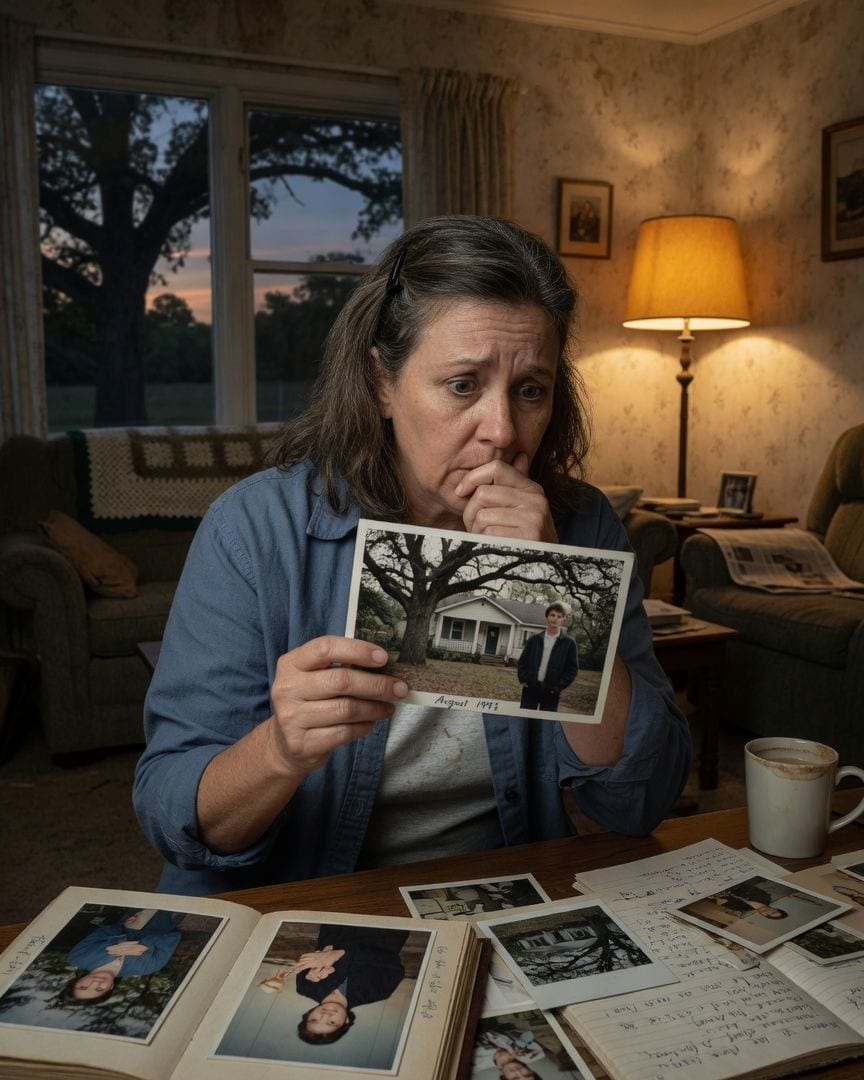
My brother remembers carrying me home after I broke my arm. He was already gone two years when it happened.
After thirty-two years, my brother Joel returned, bringing a relief that felt physical after decades of quiet absence. But when he recounted carrying me home after I broke my arm, a memory I held dear, the warmth in my chest curdled cold. He was twenty years old then, two years gone already, and my mother had carried me.
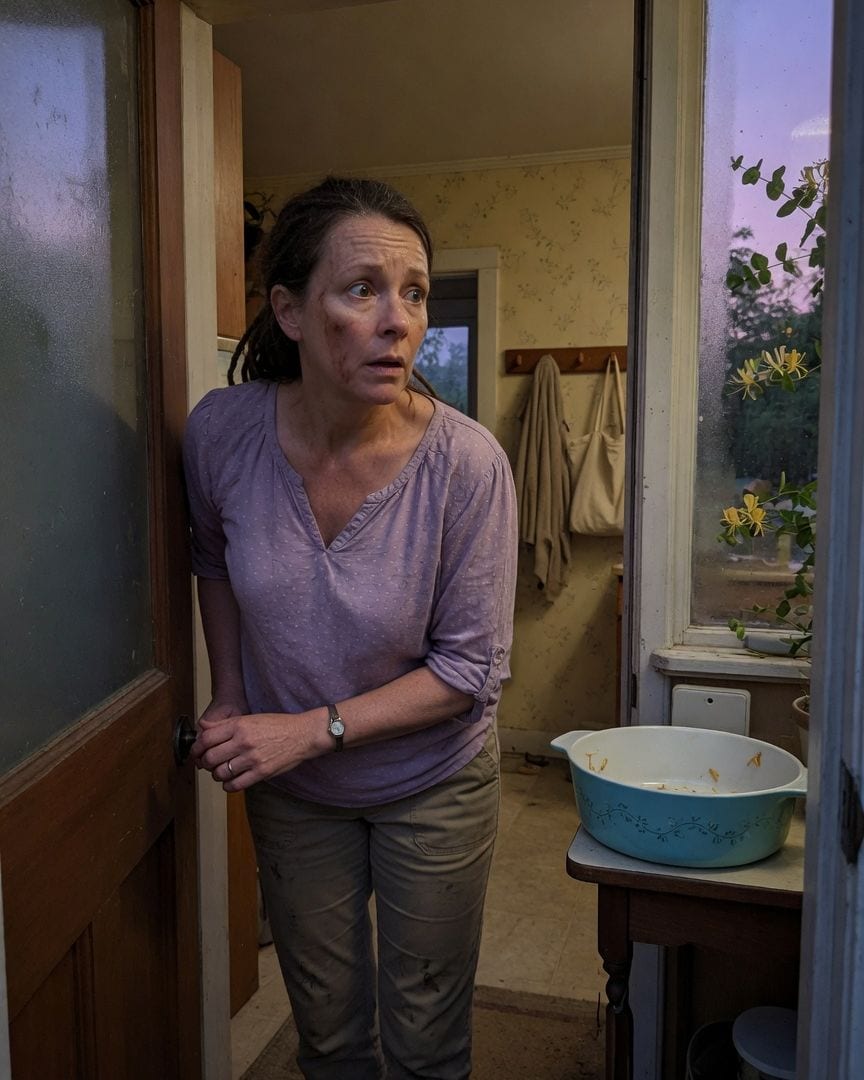
My neighbor Henry, lost at sea a year ago, just returned my casserole dish. He said it was for his mother's funeral, but she's alive.
My peaceful afternoon gardening was interrupted by a knock on the door. It was Henry, my neighbor, who had been lost at sea a year ago, now standing on my porch looking perfectly healthy. He was returning my blue ceramic casserole dish, which he said I had lent for his mother's funeral.
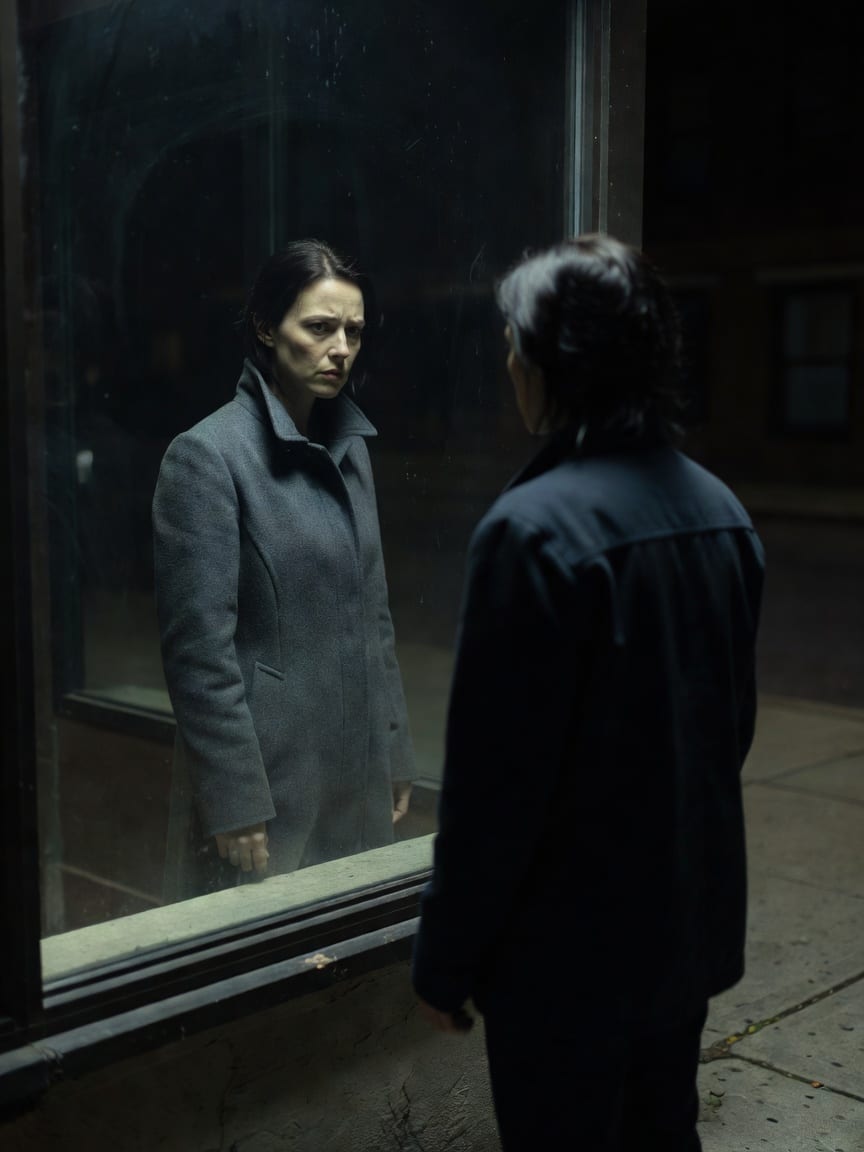
My neighbor saw me take her parcel, wearing my grey coat, at 11:52 AM. I was in Lisbon that whole week.
Returning from Lisbon, I was met by my neighbor Elena, who insisted I'd signed for a parcel last week. She even said I was wearing my grey wool coat. But my coat was still packed in my suitcase, and I was thousands of miles away, checking into my Lisbon hotel at that exact time.
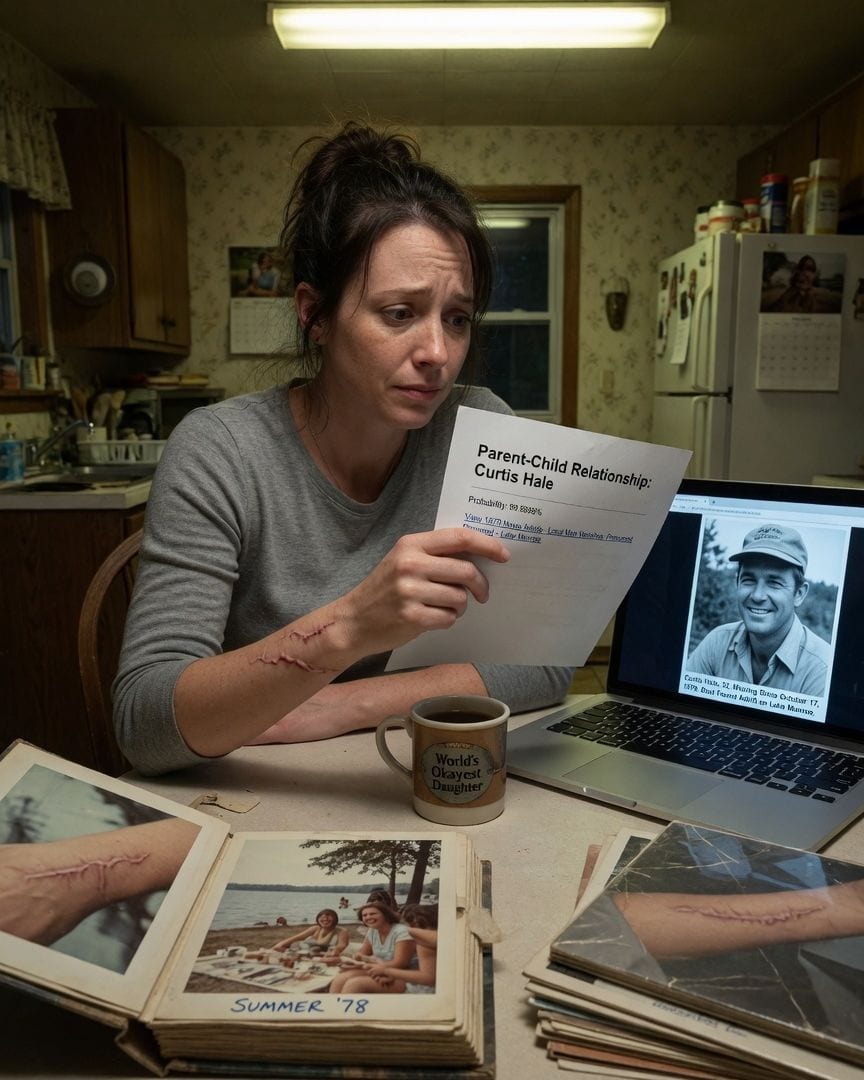
My DNA returned Curtis Hale as my father. He vanished in 1979. I was born twelve years later. The lab confirmed the match twice.
My DNA test results revealed something impossible: my biological father vanished in 1979, twelve years before my birth. My mother dismissed it as nonsense, but her reaction felt forced, leading me to old family photos. There, in a faded 1978 snapshot, I found my own distinctive childhood scar on the wrist of a stranger.
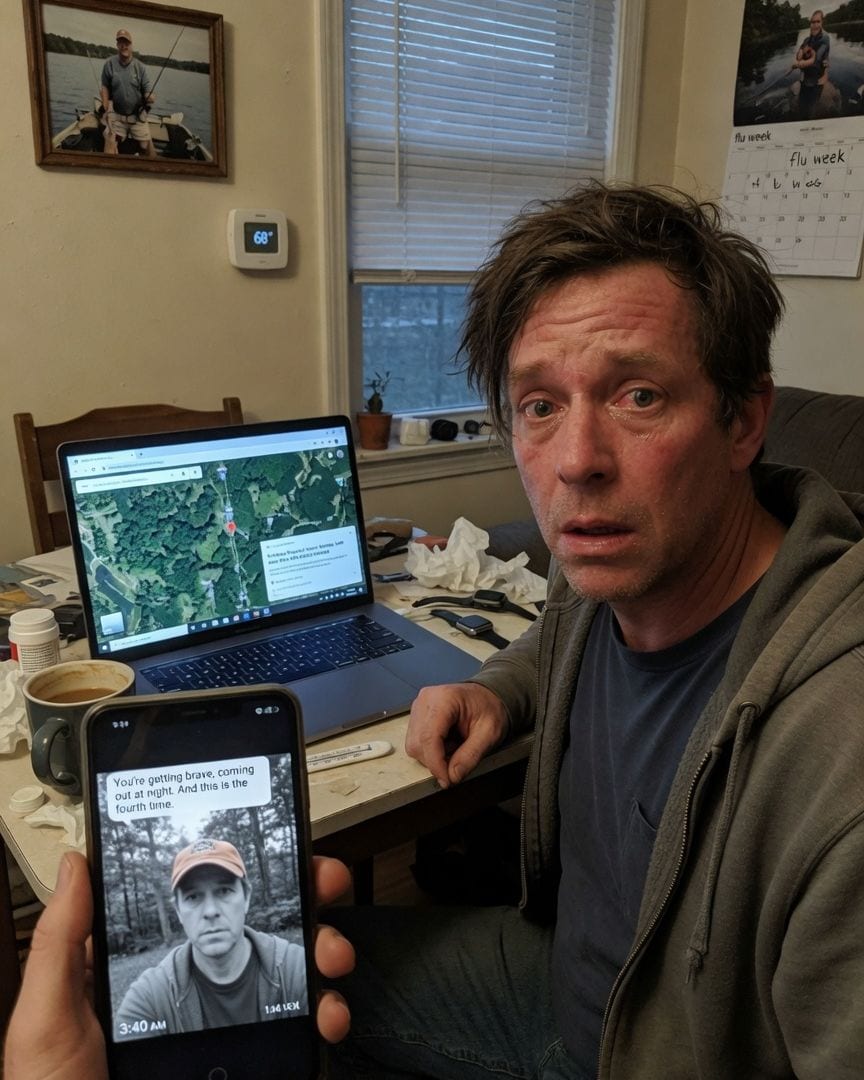
My brother-in-law's camera caught my face in Montana at 3:40 AM. I was asleep in Ohio, but it's the exact orange cap I lost, and he's seen me there four nights running.
I was just making coffee when my brother-in-law sent a photo from his Montana hunting land. It showed my face, wearing my lost baseball cap, timestamped 3:40 AM. I was home in Ohio, sick in bed, and hadn't been to Montana in years. And this was the fourth time.
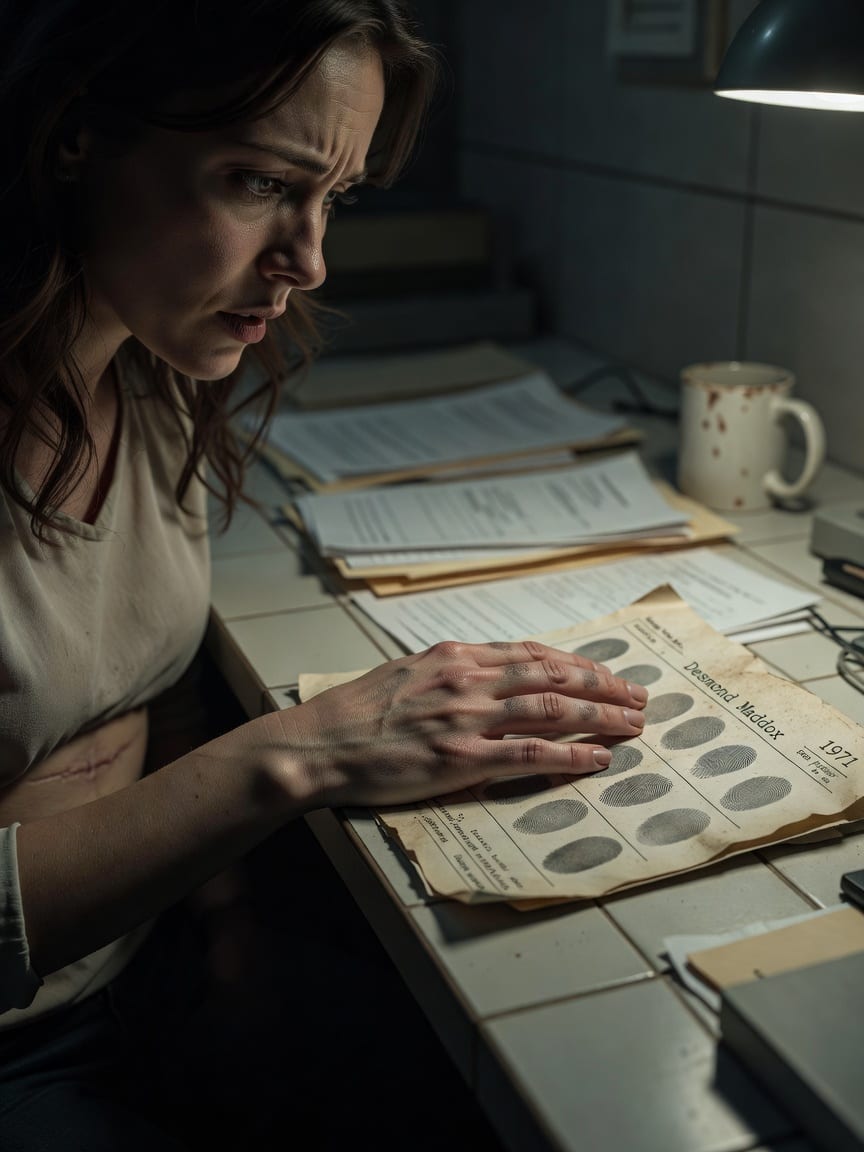
My fingerprints matched a man's 1971 arrest card. I've never been to that city, nor used that name. The examiner just stared at my hands.
As a fraud auditor, my world is built on facts, so when forensic examiner Russell Sheppard slid two ten-prints across his desk, I expected routine. One was mine. The other, yellowed from 1971, belonged to a Desmond Maddox arrested in New Haven – a city I'd never visited. But the impossible truth was clear: his prints were an exact match to mine.