My pier camera snapped a figure walking my empty pier at 3 AM. No frames since.
The smell of stale coffee always hits me hardest at 4:30 AM. My desk lamp hummed, a tiny, familiar note in the pre-dawn quiet.
My family has owned this pier for generations, and for the last five years, a small weather camera has sat at the end of it, streaming a feed to the local tourism site.
Every ten minutes, on the dot, it uploads a fresh photo. My morning ritual: check the feed. Just to make sure it’s still there, still working, no sea spray blurring the lens.
The 3:00 AM shot showed exactly what it should: the long, empty stretch of my pier, a faint glow of pre-dawn grey on the horizon, the water still and black. Normal. I clicked to the next.
The 3:10 AM shot showed the pier again. But this time, it wasn't empty. A figure, indistinct and hunched against the dim light, was walking halfway down the pier towards the camera.
It was a silhouette, impossible to make out details, but it was unmistakably human.
My brow furrowed. Who the hell was out there at 3:10 in the morning? Maybe a local fisherman getting an early start? Not unheard of, though the season was winding down. I waited for the 3:20 AM frame to load.
And waited. The timestamp on my screen kept updating, 4:31 AM, 4:32 AM, ticking away, but the photo feed simply ended. The 3:10 AM shot was the last one.
I refreshed the page. Nothing. Checked the server logs. The camera was pinging, reporting normal operations, uploading data packets every ten minutes. But there were no images.
The system said it was working, but the visual record stopped dead at 3:10 AM. A cold, impossible void in the sequence. My coffee suddenly tasted like ash.
Convinced it was a server glitch, or maybe a faulty SD card, I grabbed my keys. The sun was barely a promise on the horizon, but I needed to see it for myself. The drive to the pier was short.
The air was crisp, tasting of salt and impending rain. When I got out of the car, the pier stood silent and still, stretching its weathered planks out into the grey water.
The camera, mounted on its pole near the end, hummed faintly, its indicator light a steady, reassuring green. Everything looked normal. Too normal.
I climbed the few steps to the camera, unlatched its weatherproof casing, and retrieved the SD card. My fingers felt clumsy, a strange tremor running through them.
Back in my office, the small room was still dark, lit only by the monitor's blue glow. I inserted the card into my reader.
The raw files opened. The 3:00 AM photo was there, sharp and clear. Then the 3:10 AM photo, the dark silhouette of the figure exactly as I'd seen it online.
I zoomed in, trying to make out details, but it was just shadow against light. A hat? Maybe. Nothing useful.
I scrolled past, expecting to hit a dead end, an error message marking the corrupted data or the missing frames. But instead, a video file appeared. Timestamped 3:10:01 AM. One second after the last photo. My stomach clenched.
I clicked play.
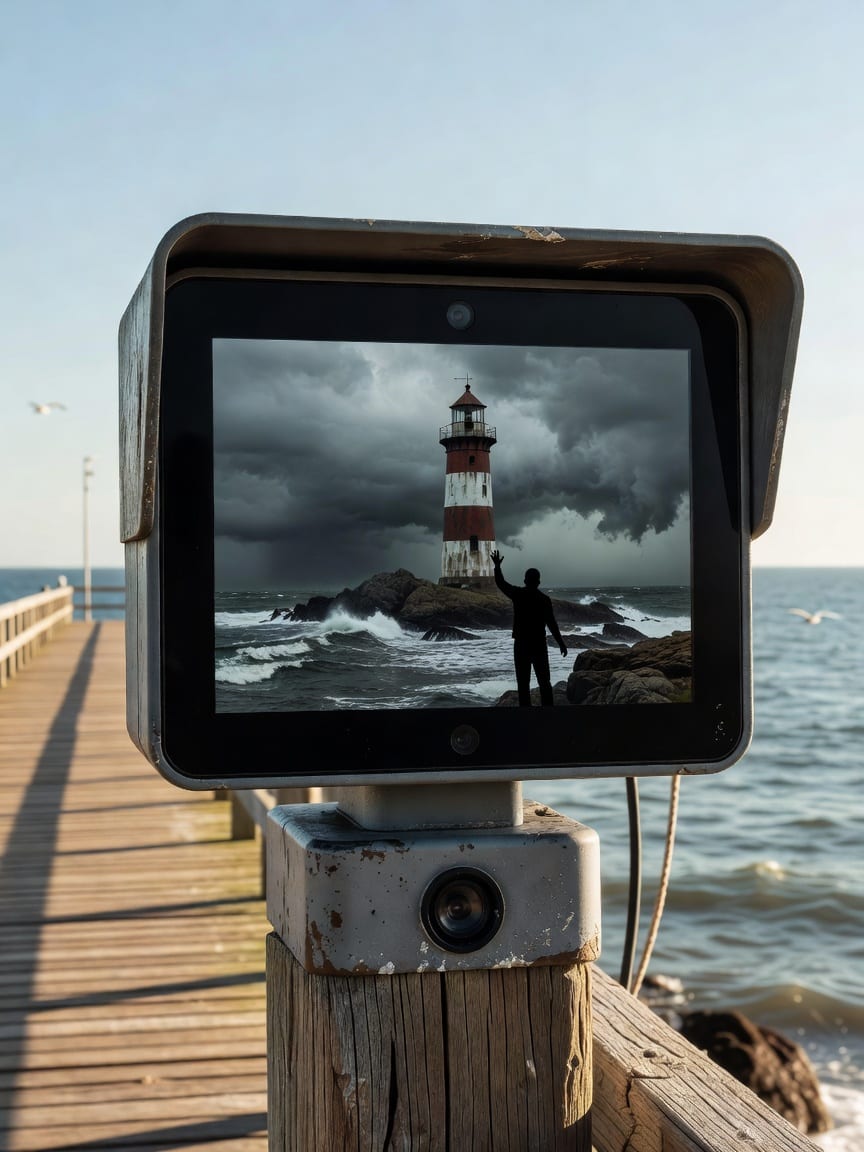
The screen filled not with my familiar pier, nor the pre-dawn greys of our coastline. Instead, a desolate, stormy shoreline appeared, raw and unfamiliar.
Craggy, black rocks jutted from angry, churning grey waves that slammed against the shore with a terrifying force. The sky above was dark, bruised purple and green, ripped open by streaks of impossible lightning.
Standing stark against that violent sky was a lighthouse. It was old, built of dark stone, its light a steady, defiant beam cutting through the gloom. It wasn’t the local lighthouse, the one I’d known my whole life.
It wasn't one on any map I'd ever studied.
And at its base, so tiny it was almost missed, was a figure. Indistinct, impossibly small against the scale of the tower and the storm, but it was there. And it was raising a hand. A faint, unmistakable wave.
My breath caught, a cold knot in my chest. My finger froze, hovering over the mouse. The short clip looped, the impossible lighthouse stark against the stormy sky, the unknown coast, the tiny, waving figure.
My pier camera, still running, still humming, had captured something that didn't exist, a place that wasn't there.
I closed my eyes, then opened them, forcing myself to look. The image was still on the screen, unwavering. Outside, the sun was fully risen, streaming into my office, painting the walls with yellow light.
But I felt a sudden, profound chill that had nothing to do with the weather. My skin prickled with a cold I couldn't explain.
I spent the next day poring over maps, satellite images, and historical coastal charts. I checked maritime records, old travel guides. Nothing. The lighthouse and coastline from the video were nowhere to be found.
It was a clean, clear recording of a place that simply wasn't. A ghost on a digital memory card.
I needed another set of eyes on this, someone grounded. Oliver Bishop was the logical choice. He was a long-time friend and the meticulous town archivist, the kind of man who cataloged every receipt from the local bait shop.
I drove to his office, the SD card heavy in my pocket.
"Christine? What's wrong?" he asked, seeing my face.
I pulled up the video on his monitor. He watched it, then again, his usual unflappable composure slowly eroding. He leaned closer to the screen, his fingers drumming a quiet rhythm on his desk. "Well, that's… certainly not our coast."
He didn't recognize the specific location either, but he kept going back to the lighthouse. "The architectural style… It reminds me of some sketches in my father Malcolm's journals."
Malcolm Bishop, Oliver's father, had been the lighthouse keeper for decades. A brilliant, eccentric man, known for his obsessive, if peculiar, record-keeping.
He was famously fascinated by local history, especially concerning disappearances along the coast, and had a peculiar obsession with what he called 'vanishing lights' in old maritime tales. "He had some… unique theories," Oliver murmured, his voice low.
"About how certain places just… drew things in. And how sometimes, the only evidence left was in the static, or a flicker."
Oliver agreed to look through his father's archived research, which he kept locked away in a safe, hinting at how secretive his father had been about these particular files. "Almost paranoid," he added.
Days later, Oliver called, his voice tight with an urgency I hadn't heard before. "Christine, I found it. His hard drive. Encrypted, but I'm getting somewhere." He sounded breathless. "Malcolm… he wrote so much.
He warned me once about 'the channel,' and how 'they' always knew when you were looking too closely."
As Oliver spoke, my internet connection flickered violently. The modem on my desk, usually a steady pattern of green, blinked erratically, then went dark. My computer screen froze, the call on speakerphone suddenly filled with dead air. "Oliver?"
I asked, my voice thin.
The line went completely silent. My phone, still in my hand, vibrated. An unknown number. I answered, a prickle of dread already starting at the base of my neck. "Hello?"
Nothing. Only a flat, dead silence on the line. It wasn't static. It was just… absence. Then, a click, and the line disconnected.
A few minutes later, as if nothing had happened, my internet restored itself. The modem's lights snapped back to life, steady green. The computer unfroze. Oliver’s face reappeared on the screen, looking shaken. "Are you there? Christine?
My connection just dropped."
"Mine too," I said, my voice barely a whisper. "And I got a blank call."
Oliver insisted it was probably coincidence, a network blip. But the tremor in his voice, the way his eyes kept darting around his own office, betrayed him.
I couldn't shake the feeling that my own digging, and Oliver's, had stirred something. Something that had noticed.
The rest of the evening, I found myself checking locks, peering out windows into the deepening gloom, a cold prickle on my skin that had nothing to do with the evening air.
A week later, Oliver called me back to his office. He’d finally cracked the encryption on his father’s hard drive. The screen glowed with digitized journals, Malcolm's sprawling, meticulous notes filling page after page.
Oliver scrolled, a grim fascination on his face. "He really did document everything." Malcolm had obsessively charted local maritime disappearances, dating back generations. He’d listed names, specific dates, locations near the pier where people had simply vanished without a trace.
"Look at this," Oliver said, pulling up a grainy photograph from a local paper, dated forty years ago. It showed a group of fishermen on the pier, laughing, holding up a catch.
He pointed to one man, a broad-shouldered man with a distinctive cap. "Gerald Winslow. Vanished that year. Body never recovered."
Then Oliver pulled up my 3:10 AM pier cam photo. He enlarged it, enhanced the shadowy silhouette. My breath hitched.
The figure in my photo, the one walking my pier at 3:10 AM, matched Gerald Winslow’s distinctive build and posture from the old photo with unnerving precision. It was undeniable.
"Malcolm theorized about 'echoes'," Oliver continued, his voice hushed. "Fleeting, digital imprints left behind by the 'taken'. Sometimes caught by nascent technologies like early cameras or sound recorders."
He scrolled again, through more of Malcolm's scrawled entries. "And 'The Holding Place'." Oliver pointed to a series of rough sketches in the journal, drawings of a dark, craggy coastline dominated by an old, stone lighthouse.
The drawings perfectly matched the lighthouse in my video. "It’s not a physical place, he wrote, but a point of convergence. A 'doorway' that machines, not humans, could sometimes glimpse." My camera hadn't malfunctioned.
It had simply shown me the impossible.
Oliver’s finger scrolled further down Malcolm’s digital journal. "He also wrote about 'The Channel'," Oliver murmured, his voice barely a whisper, his eyes wide. "A broadcast. From the Holding Place. A list."
He clicked on an audio file labeled, starkly, 'The Channel - 1972'. Static hissed from the laptop speakers, thick and insistent. My heart hammered against my ribs. I leaned forward, my hands gripping the edge of the desk.
The static continued, a low, guttural murmur beneath it, like something trapped under deep water. Then, a distorted, echoing voice, barely discernible through the hiss, began to speak. It rattled off names.
Some were familiar from Malcolm’s disappearance logs, names that had haunted local folklore for decades. Some were not. Each name sounded like it was being drawn up from deep water, wet and ancient.
Christine felt a growing dread, cold and absolute. The voice paused, the static momentarily fading, then, with sickening clarity, a single name rang out, echoing in the quiet room, a sound that pierced the very air: "Christine Abbott."
Oliver slammed the laptop shut, his face bone-white. But I grabbed his arm, my own face probably no better. "Open it. Now."
He fumbled, his fingers trembling, and reopened the file. We scrolled to Malcolm's later journal entries, a horrifying progression of increasing dread. He’d documented his own horror when his name had appeared on 'The Channel' shortly before his death.
It wasn't a warning, he’d theorized, but a confirmation. A pre-ordained 'marking'.
The 'echoes' like Gerald Winslow on my camera, Malcolm wrote, were brief, residual energy imprints of the 'taken'. They were drawn back to the physical world by the pier's unique energetic signature, which machines, unlike humans, could perceive.
'The Holding Place' was not a literal location but a non-physical nexus, an 'other side' where the taken were drawn. And 'The Channel' was its continuous, terrifying roll call.
My family, having owned the pier for generations, was deeply intertwined with this phenomenon, perhaps even unknowingly 'marked' by it.
The pier wasn't just a structure; it was a conduit, and my name appearing on the channel meant I was next, or had always been destined for it.
There was no escape. No confrontation. The full truth, laid bare by Malcolm’s obsessive, meticulous research, was that this phenomenon was an inherent, unchangeable aspect of that coastline, an unstoppable natural force.
It could not be fought, reasoned with, or undone. Oliver and I spent days poring over every last note, every recording, every obscure reference, searching for an exit, a loophole. There was none.
The terror wasn't a monster to be defeated, but a cold, coherent reality that simply was.
I decided to sell the pier. It was a desperate, irrational act born of rational fear, hoping that severing my physical connection might somehow break the pattern, break the tether that bound my family to that place.
Oliver, burdened by his father's legacy, could only watch, knowing that Malcolm found no such solace. The knowledge itself was the ending; the understanding was the dread.
The pier was simply a place where the barrier between worlds thinned, and some were destined to cross.
I sold the pier to a distant corporation, citing 'unforeseen maintenance issues.' I moved inland, far from the coast, trying to rebuild a life free from the chilling knowledge. Oliver, however, remained.
He continued his father's work, now with a quiet, haunted intensity, compiling more names, more dates, more impossible traces.
The pier was eventually dismantled, its weathered planks and rusted pilings removed piece by piece, leaving only an empty stretch of beach where it once stood. But 'The Holding Place' and 'The Channel' remained, unseen, unheard by most.
I try to live a normal life now, to forget the static and the names. Sometimes, when the house is quiet, and the wind outside sounds just right, I think I hear it.
A faint whisper, like an old radio dial catching a distant, distorted frequency, a list of names.
And then, for a split second, a cold, undeniable awareness settles over me, a subtle tug, a sense of being known, that my name is still out there, being called, waiting for its turn.
The static still whispers my name, sometimes, just at the edge of hearing.
If this one got to you
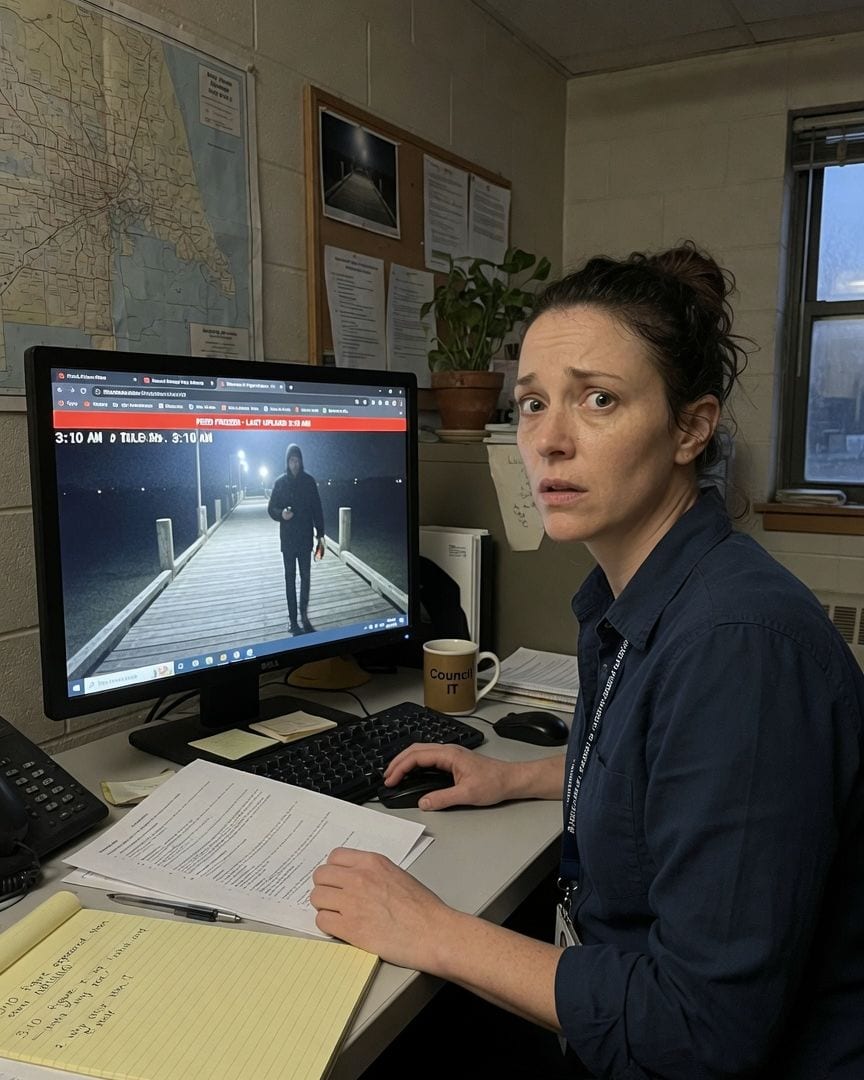
My public pier camera feed stopped dead at 3:10 AM. But its hidden internal logs show it kept recording everything.
As a digital assets manager for the town council, I routinely check our public weather cam feeds. One Tuesday, the pier cam feed was frozen at 3:10 AM, right after a blurry figure appeared. But internal logs showed the camera kept recording, capturing an old woman holding a carved boat and whispering one name: 'Chloe'.
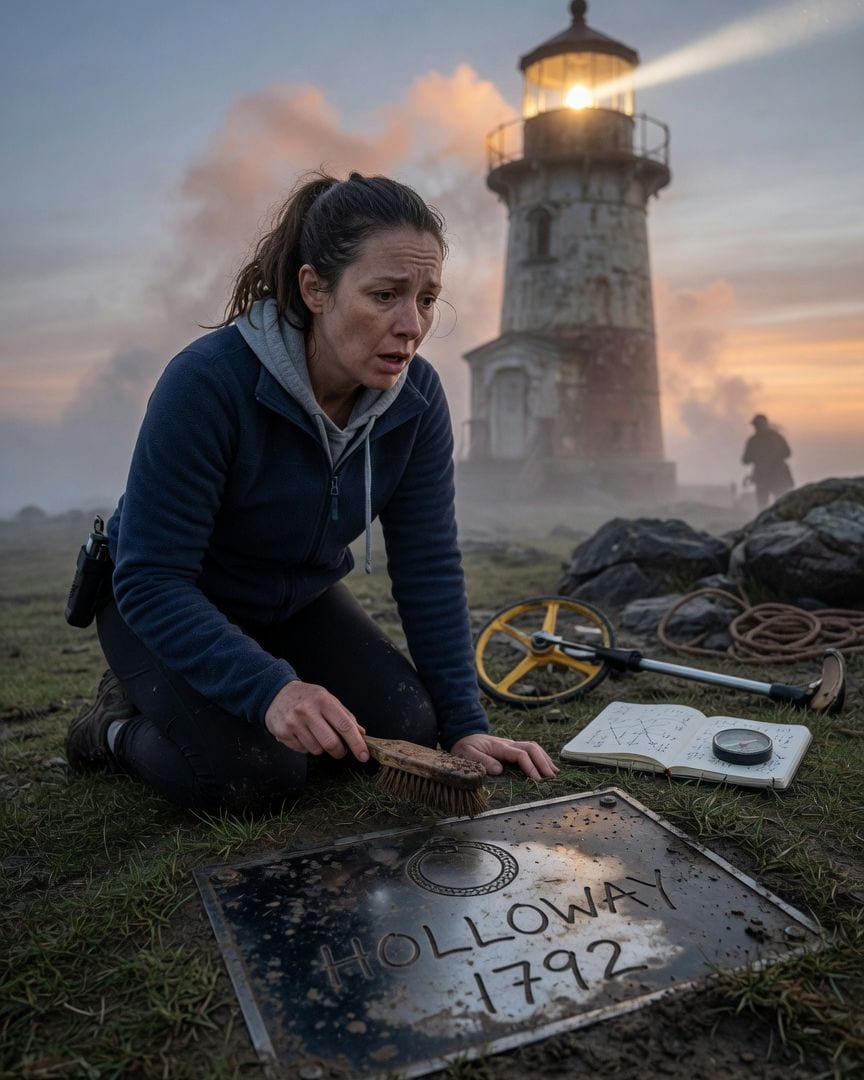
My coastal path just kept curving me back to the lighthouse. Nine miles walked, the same fisherman coiling rope, but I never left.
My morning ritual is a brisk walk along the coastal path. But last Tuesday, after what felt like an hour, I found myself back at the lighthouse, having walked miles to nowhere. My step-counter read 4.5 miles, yet the same fisherman was still coiling the same rope right where I started.
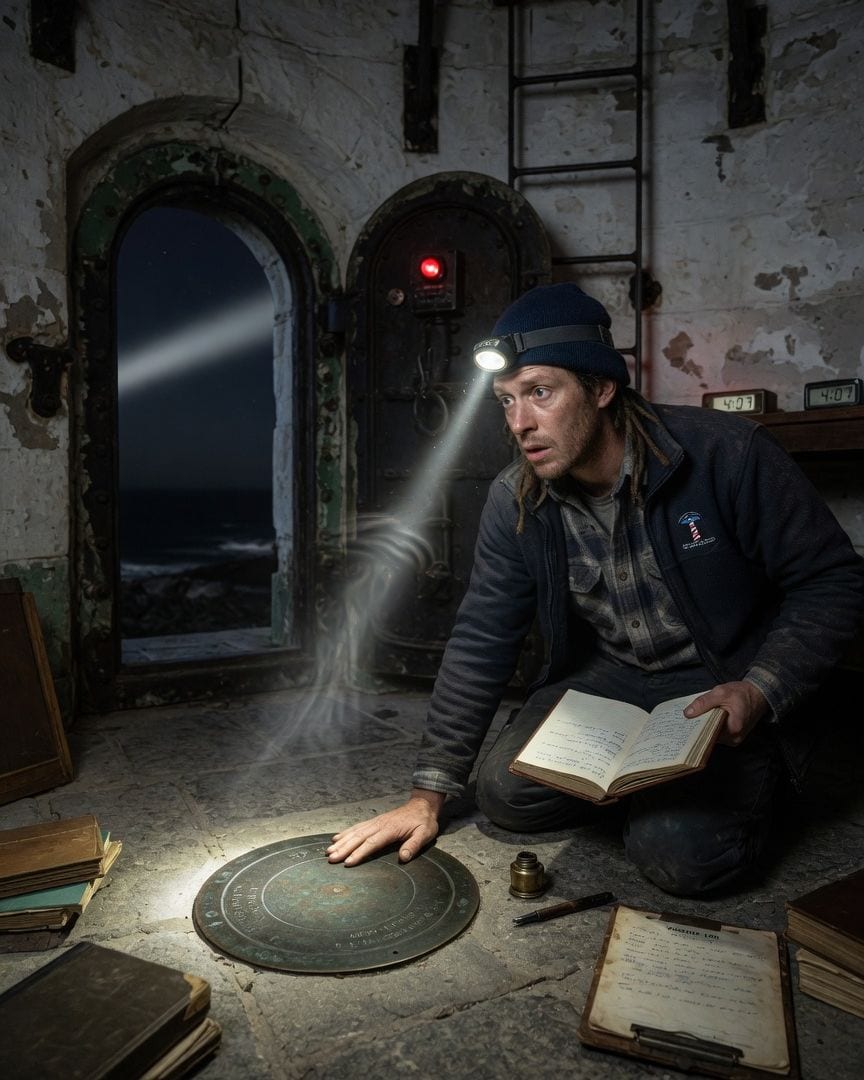
Every ninth year since 1901, my logbook records a boat through the gate at 4:05am — 'vessel through, none seen.' I was on watch tonight. Nothing passed.
As the lighthouse keeper, I log the same impossible entry every nine years, a lie I'm compelled to write. But tonight, a hidden brass disc in the floor, not on any blueprint, feels oddly warm. Hours later, it hums, and the air above it shimmers and distorts, then vanishes.
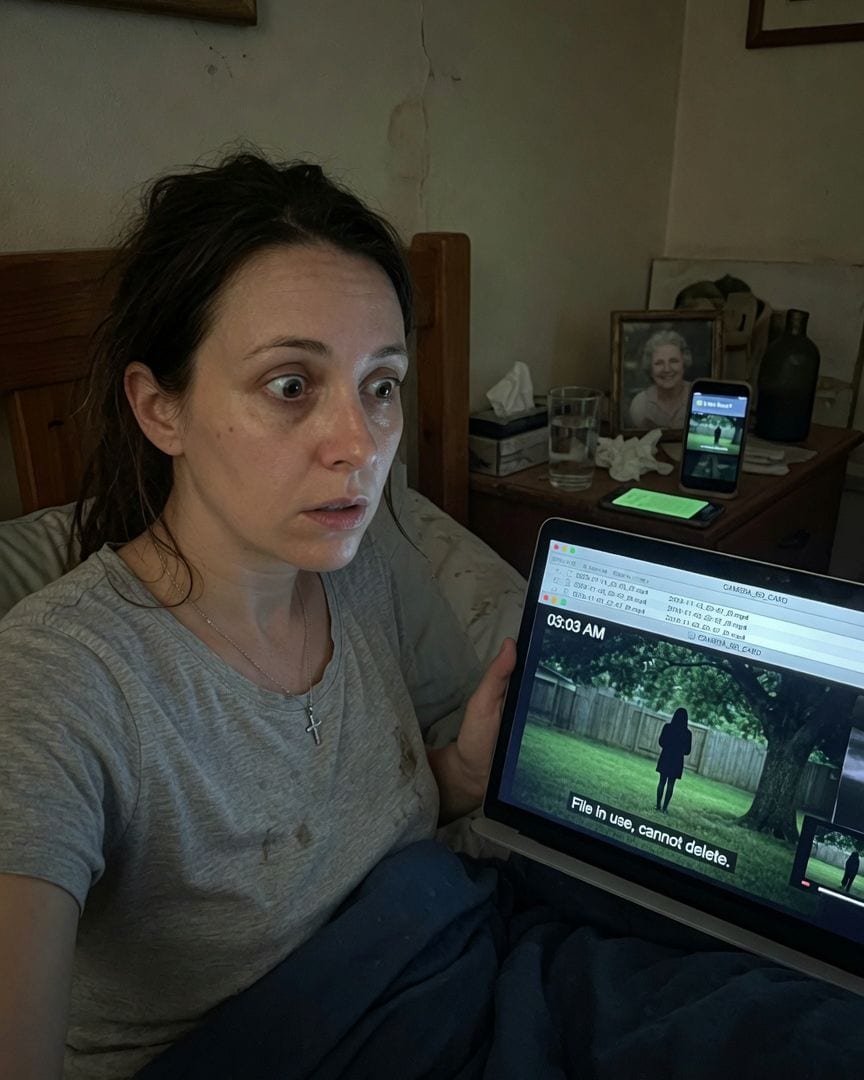
My security camera emailed a clip at 3:03am: a woman stood in the garden, back to the house. The subject line read 'Is this Mum?' My mother died in March. I can't delete the file.
My security camera sent an alert at 3 AM: 'Is this Mum?' But my mother, Constance, died in March. The grainy clip showed a woman in the garden, perfectly still, her back to the camera. The impossible question coiled a sick dread in my gut.
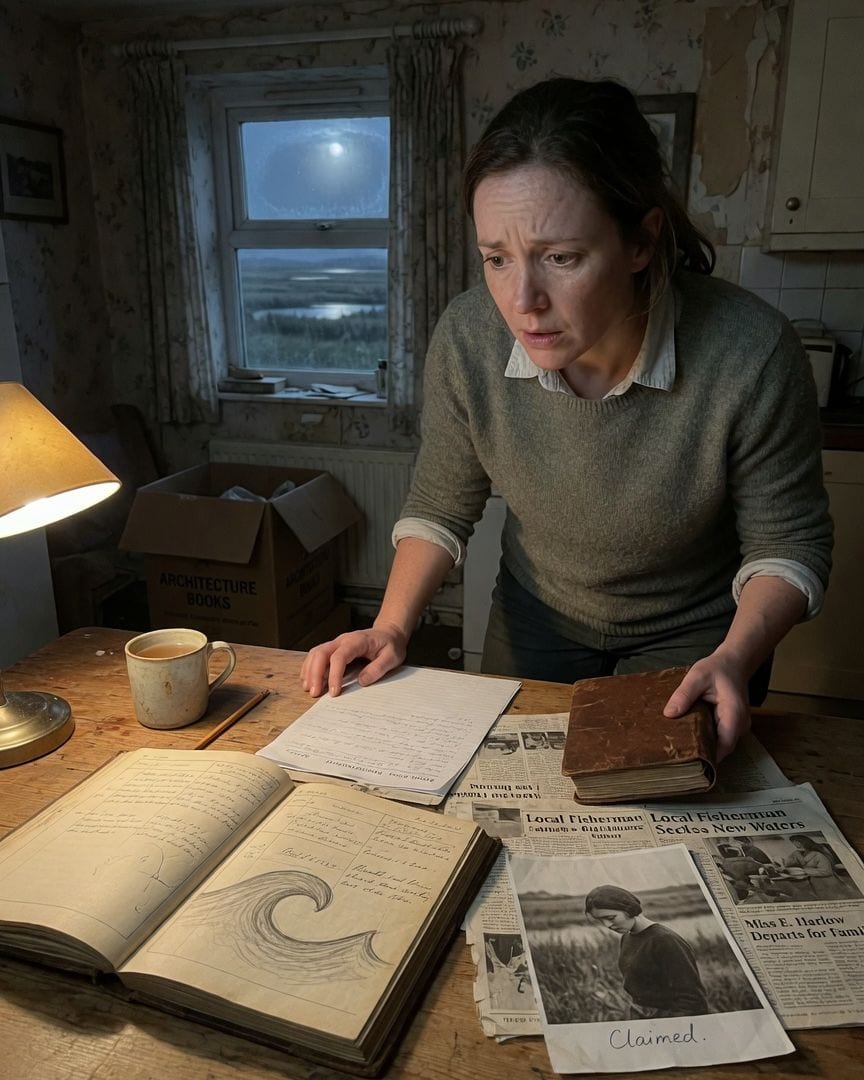
The light crosses the estuary on six specific nights a year. My ferryman called it marsh gas, but the coastguard's log entries for it stop abruptly and resume in a new hand.
I moved to Blackwater Bay for a fresh start, but the quiet marsh holds a secret. One night, I saw a strange light gliding across the mudflats, which the ferryman dismissed as 'marsh gas.' Later, an old coastguard log revealed entries for this 'estuary light' abruptly stop mid-sentence, then resume in a different, shaky hand.
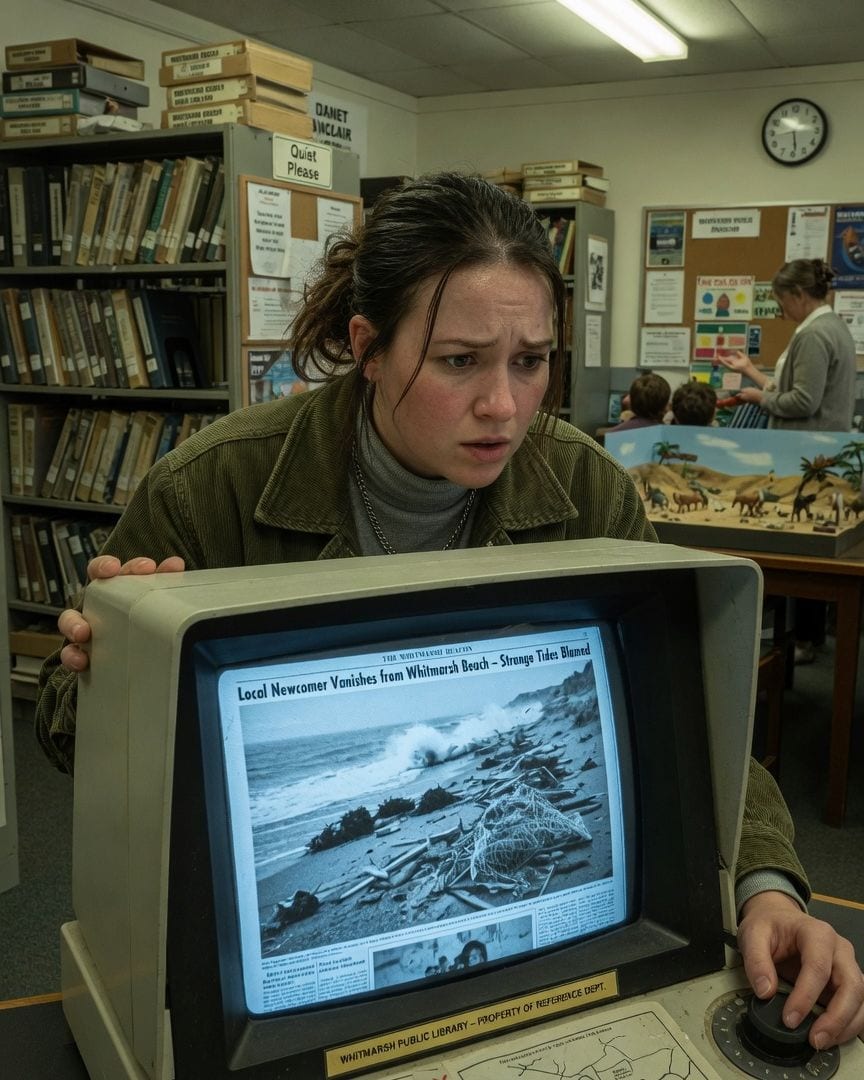
Every Whit Monday, the local paper runs the same empty beach photo. The tide line never changes, though the year does.
Since moving to Whitmarsh, I've spent months at the public library researching old newspapers. My librarian always subtly steered me away from certain dates, but I noticed a chilling pattern: 59 consecutive years of *The Whitmarsh Beacon* featured the exact same photo of an empty, still beach. Then I found the 1964 edition, and its front page screamed about a vanished newcomer and strange, chaotic tides.