My delivery driver apologized for nothing. The app showed my signature, a completed drop, timestamped eleven minutes before he even arrived.
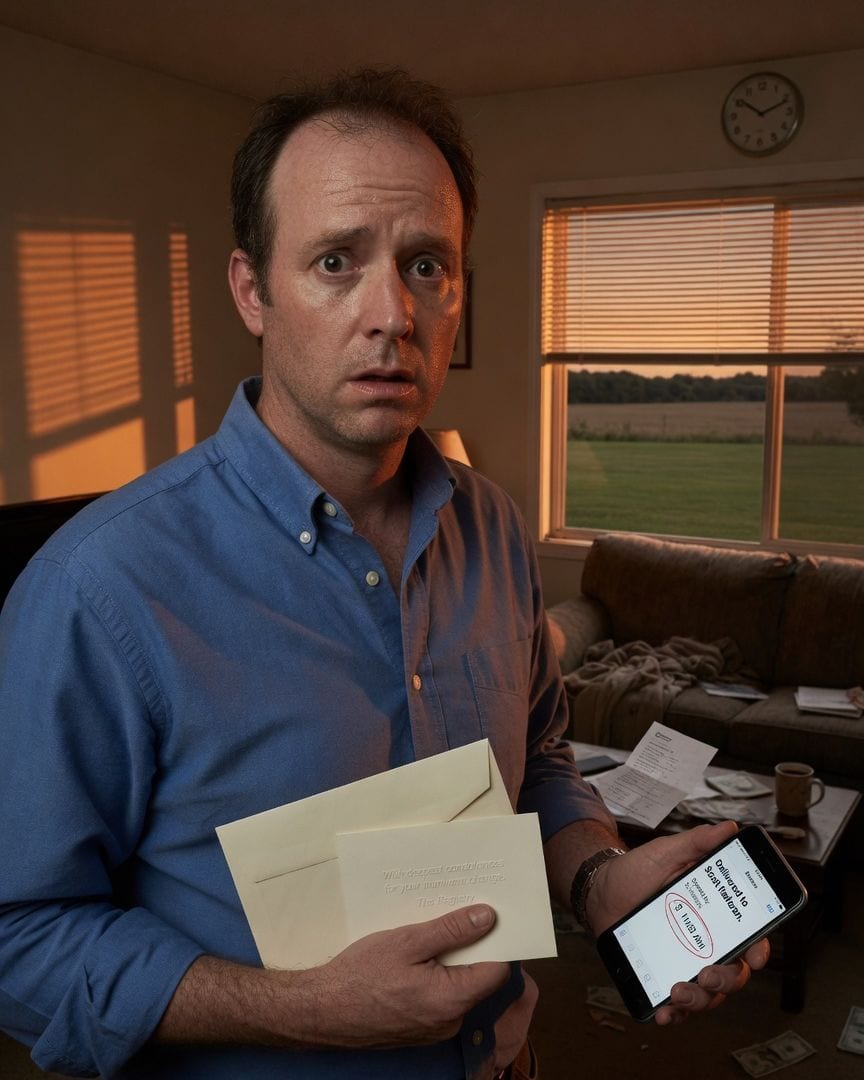
The delivery driver handed me nothing. He just checked his screen, looked up, and said, "Sorry, Mr. Halloran — I really am." Then he got back in his van, the engine a low rumble that faded down the street.
I stood on my porch, bewildered. There had been no parcel. I hadn't ordered anything. The app on my phone, usually so precise, buzzed in my hand with a notification: 'Your delivery is complete.'
I opened it, scrolling past the usual tracking updates, the little map showing the van's progress. There it was, stark white on the screen: 'Delivered to Scott Halloran. Signed by: S. Halloran.'
The signature was mine, my own looping script, unmistakable. Beneath it, the timestamp: 11:03 AM. I checked my wrist. My watch read 11:14 AM. The driver had driven off at 11:13.
The delivery was logged as complete, signed for, eleven minutes before the van had even pulled onto my road. A cold, digital lie. I refreshed the app. The impossible timestamp remained.
I spent the next hour trying to make sense of it. I called the delivery company, navigated automated menus that seemed designed to frustrate, and eventually spoke to a customer service representative named Brenda.
She listened to my increasingly agitated explanation, then assured me, with a voice too sweet and rehearsed, that it was "a system glitch, Mr. Halloran, nothing to worry about."
But her tone, so quick to dismiss, only made the unease curdle in my gut. I emailed screenshots of the app, highlighting the timestamp and my signature, but received no response.
I even tried calling the driver's number, which was still listed on the app. It went straight to voicemail – a generic, automated message, no personal greeting. This wasn't just a glitch.
A cold, unsettling prickle started on the back of my neck. Later that evening, as the sun dipped low and painted my living room in long, orange shadows, I checked my physical mail.
A thick, cream-colored envelope stood out amongst the bills. It bore no return address, just my name and street address, printed in an oddly formal, almost antique font. The postmark was smudged, but I could make out 'Miller's Field.'
I frowned. I didn't know anyone in Miller's Field. A quick search on Google Maps showed Miller's Field as an undeveloped plot of land, mostly scrub brush and a few old, crumbling concrete foundations – definitely no post office.
The date on the postmark was unusually crisp, strangely precise, even through the smudge: November 27, 2024. Tomorrow’s date.
I tore open the envelope. Inside, a single card, heavy stock, with elegant, embossed lettering. It read: 'With deepest condolences for your imminent change. The Registry.' My hands trembled, the card’s thick paper feeling unnaturally cold in my grip.
I looked at the postmark again: November 27, 2024. Tomorrow. I walked to my kitchen window, looked past my manicured lawn, to the distant, dark line of trees that marked the edge of Miller's Field, that empty plot of land.
The card felt like a physical manifestation of the digital impossibilities from earlier. I knew, with a certainty that chilled me to the bone, that this was no glitch, no prank.
Something was reaching for me, by name, from a place that wasn't there, forecasting a future that hadn't happened. I was being watched, and worse, I was expected.
The next morning, November 27th, I drove to Miller's Field. It was exactly as Google Maps had shown: an overgrown, desolate patch of land, bordered by a rusty chain-link fence that sagged in places.
There was no sign of a post office, no houses, just weeds reclaiming scattered bricks and concrete slabs – the ghostly remnants of some forgotten structure.
I walked the perimeter, the wind whispering through the dry grass, feeling a distinct prickle on my neck. The air felt unnaturally still, the silence heavy, almost watchful.
I took photos with my phone, documented the GPS coordinates, needing objective proof of its emptiness. Back home, I scoured local online forums, searching for "Miller's Field" and "The Registry."
I found old discussions, archived from years ago, about strange occurrences – "ghost deliveries," "letters from nowhere" – always dismissed as quaint local folklore, urban legends passed down.
One comment, buried deep in a thread from 2008, mentioned a defunct 'community service' building that once stood at the Miller's Field site, long since demolished. It was supposedly condemned. This was the first concrete link to anything structural.
Hope, thin but persistent, sparked in me. I called the local historical society, explaining my unusual inquiry. The archivist, a woman named Colette Walsh, sounded intrigued, not dismissive.
She remembered old stories about the 'Miller's Field Registry' but considered them just that – quaint local legends. I pressed, describing the letter with tomorrow's date, the impossible delivery app entry.
Colette agreed to look into old town records, promising to call if she found anything. I felt a sliver of hope, a rational path through the growing dread.
A week passed. The impossible delivery app entry remained on my phone, a constant digital taunt, a completed transaction for something I never received, signed by a me who wasn't there.
No more letters arrived, but the silence felt heavier, more ominous than any new arrival.
I grew jumpy, checking my windows every time the wind rustled the leaves outside, double-locking my doors even when I was just running to the corner store. The ordinary world felt brittle, a thin veneer over something else.
I received a call from an unknown number one afternoon. I hesitated, my thumb hovering over the answer button, then took a deep breath and answered. A low, distorted voice, barely a whisper, spoke my name: "Scott Halloran."
The voice paused, a long, drawn-out silence that seemed to stretch into the room, making the air around me feel thick and cold. Then it added, "You're looking in the right place. But you won't like what you find."
The line clicked dead. I stared at my phone, my heart hammering against my ribs. It wasn't Colette. It wasn't a prank. Someone knew I was investigating. Someone knew I'd been to Miller's Field. The dread solidified into targeted fear.
I called Colette immediately, my voice tight, recounting the call. She sounded genuinely concerned, her usual calm replaced by a slight tremor. "I think I might have something, Scott," she said, her voice hushed, as if afraid of being overheard.
"An old ledger. It's from the Miller's Field site. Can you come down to the archives this afternoon?" I agreed, a chilling sense of inevitability settling over me. I wasn't just looking for answers anymore; I was being led.
The historical society archives were quiet, smelling of old paper and dust, a scent that clung to the air and the shelves.
Colette Walsh, a woman with kind eyes and sensible shoes, met me at the entrance and led me to a secluded table in a back corner. On it lay a thick, leather-bound book, its cover faded and cracked with age.
"This is it," she murmured, pushing a pair of wire-rimmed spectacles up her nose. "A 'Registry of Community Transfers,' from the old Miller's Field building. It’s not official, never filed with the town, but it's clearly old, very old."
She opened it to a random page, the brittle paper rustling softly. Meticulous, copperplate handwriting filled the columns: 'Name,' 'Date of Birth,' 'Date of Transfer,' 'Recipient.' Most entries were from the 1950s and 60s, a testament to its age.
"The building itself was torn down in '72," Colette explained, her finger tracing a line of script. "Said it was condemned. But this book… it was found decades later, in a sealed compartment in the foundation, during some excavation work.
Hidden." My eyes scanned the names, strangers from a bygone era, but a growing horror seized me. "What does 'Recipient' mean?" I asked, my voice barely a whisper, the word feeling heavy and dangerous on my tongue.
Colette shook her head slowly, her expression grim. "No one knows. The entries in this section stop abruptly in 1968. Before that, every person listed here… they simply vanished from town records after their 'transfer date.'
No death certificates, no forwarding addresses. Just gone. Not a trace."
She turned a few more pages, then stopped, her finger hovering over an entry near the bottom of a page dated 1968, the last full page before a sudden, disturbing blank section. "And then there's this." My stomach clenched.
I leaned in, dreading what I would see.
The heavy, leather-bound ledger lay open on the dusty table in the archive. Colette Walsh's finger traced a line, stopping on a faded entry. My breath caught in my throat. 'Halloran, Scott. Born: 1989. Scheduled for Transfer: Dec 15, 2024.'
My blood ran cold, a sudden, icy shock. December 15th. The date was exactly three days from now.
Below my name, the 'Recipient' column was blank, starkly so, but a faint, almost invisible symbol was etched into the paper in its place – a swirling, abstract mark that looked disturbingly familiar, like the smudged postmark on the letter, or something I’d seen in a digital interface.
I looked up at Colette, her face grim, her eyes wide with a shared horror, and realized the list went back decades, filled with names now long forgotten, names I suddenly felt intimately connected to.
"This isn't a glitch, is it?" I whispered, my voice hoarse, feeling the silent, heavy weight of the book pressing down on me. Colette shook her head slowly, her gaze locked on mine. "No, Scott. This is a record.
And it seems… it's been waiting for you."
I raced home, the ledger's entry burning in my mind, the date December 15th searing behind my eyelids. Three days.
I tried to rationalize, to find a loophole, some impossible way out of a record set decades before I was born. Colette had no answers, just a deep, unsettling sadness in her eyes.
The 'Registry' wasn't a list of people going somewhere; it was a list of people being claimed. The 'recipient' was the force that operated from Miller's Field, a non-linear entity that pre-recorded its 'transfers.'
The impossible delivery app signature, timestamped eleven minutes before the driver even arrived, was the system's way of logging a completed acquisition before it physically manifested in linear time.
The driver’s apology, the letter of condolence from 'The Registry' – all were acknowledgements of an event already decided, already recorded, already a done deal in some other dimension.
I remembered the faint, swirling symbol in the 'Recipient' column next to my name, now recognizing it with a jolt of pure terror as the exact same mark I’d seen on the delivery app's 'delivery confirmed' icon, a symbol I'd dismissed as just a generic graphic.
I was scheduled, pre-paid, and now, almost due. The horror was in the chilling coherence of it all. Every strange detail, every impossible clue, now clicked into place, forming a complete, inescapable pattern.
I was not being called; I was being delivered.
The next two days were a blur of frantic, desperate attempts. I packed a bag, bought a train ticket to a distant city—anywhere—anything to escape the looming date.
I felt foolish, utterly mad, but the dread was too potent, too real to ignore. On the evening of December 14th, I sat in a sterile train carriage, watching the city lights blur past the window.
My phone was clutched in my hand, the delivery app open, half-expecting some new, impossible notification. Nothing.
I tried to sleep, but my mind raced, conjuring images of Miller's Field, the empty plot of land, the entity that didn't need physical form, simply a record to mark its claim.
I thought of the delivery driver's sad, knowing apology. What if the escape was futile? What if the 'delivery' wasn't about where I was, but what I was becoming?
A sudden, profound chill swept through the carriage, raising goosebumps on my arms. My phone buzzed. A notification from the delivery app. 'Your delivery is in progress.' I stared at the screen, heart hammering against my ribs.
The delivery address was listed as 'Scott Halloran, Current Location.' The driver's icon, a small, black van, was moving rapidly, its tiny dot approaching my train's location. I looked up, scanned the carriage.
Everyone was absorbed in their own worlds, headphones on, faces illuminated by phone screens. Then, a voice, a low whisper that seemed to come from inside my own head, spoke my name: 'Scott Halloran.'
The train's lights flickered once, plunging the carriage into momentary darkness. When they came back on, the seat beside me, which had been empty moments before, was now occupied.
A figure sat there, indistinct in the dim light, yet undeniably present. It turned its head slowly towards me. I couldn't make out its features, but I felt an overwhelming, cold certainty that it was smiling.
A hand, impossibly long and pale, reached out, not to touch me, but to gently, formally, place a single, cream-colored card on the table between us. It was identical to the 'condolence' card from Miller's Field.
I looked down at it, then back at the figure. The figure was gone. The card, however, remained. Its embossed lettering now read: 'Delivery Complete. Welcome to your new state.'
Scott Halloran was reported missing two days later. His train ticket and his bag were found in his abandoned seat.
Weeks later, a new post appeared on his social media: a photo of his own empty living room, taken from an unusual, low angle. The caption read: 'Home. Delivered.'
The app showed a new delivery completed, signed for in my own handwriting, timestamped eleven minutes before I was ever gone.
If this one got to you
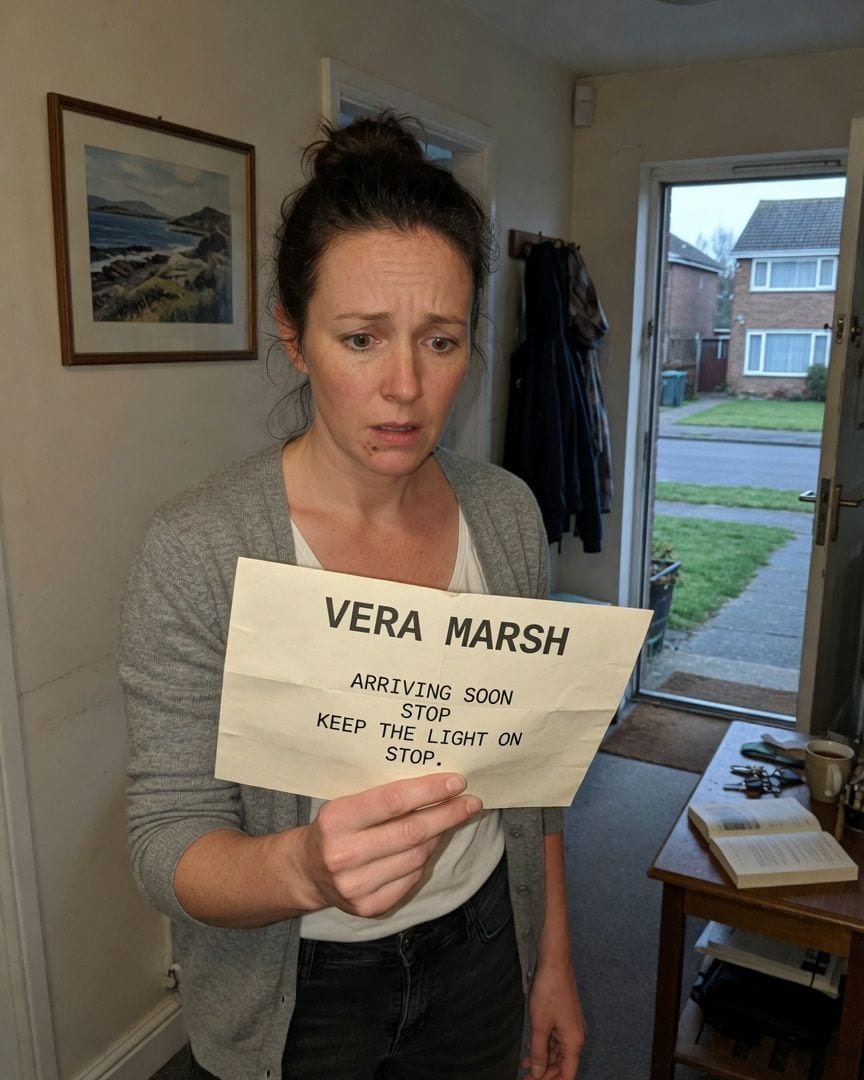
A boy of about twelve, in a uniform I didn't recognise, handed me a telegram addressed to me — but the Post Office stopped sending telegrams back in 1982. When I turned to grab my wallet, he was gone.
My quiet Saturday afternoon was broken by an insistent doorbell. A boy in an antique uniform delivered a telegram addressed to me, then simply vanished from my doorstep in less than two seconds. I scanned the empty street, but there was no trace of him.
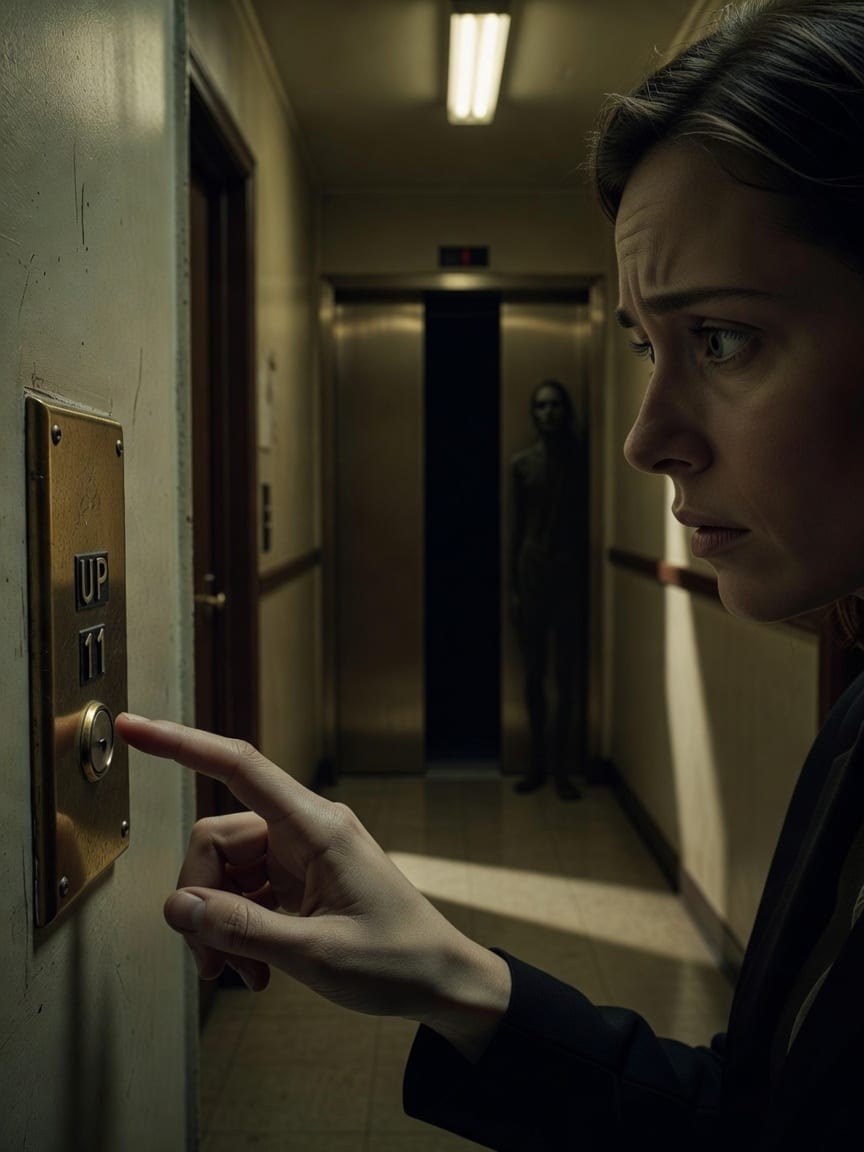
My doorman warned me not to take the tenth-floor lift on Saturday. The building's lift passed inspection last month. He seemed terrified that he'd said it.
My doorman's unsettling warning about the tenth-floor lift left me with a metallic taste of unease. I tried to rationalize it away, but then a birthday card arrived for me, five months early, from an impossible address. It was a site linked to unexplained disappearances, and a cold certainty began to settle in.
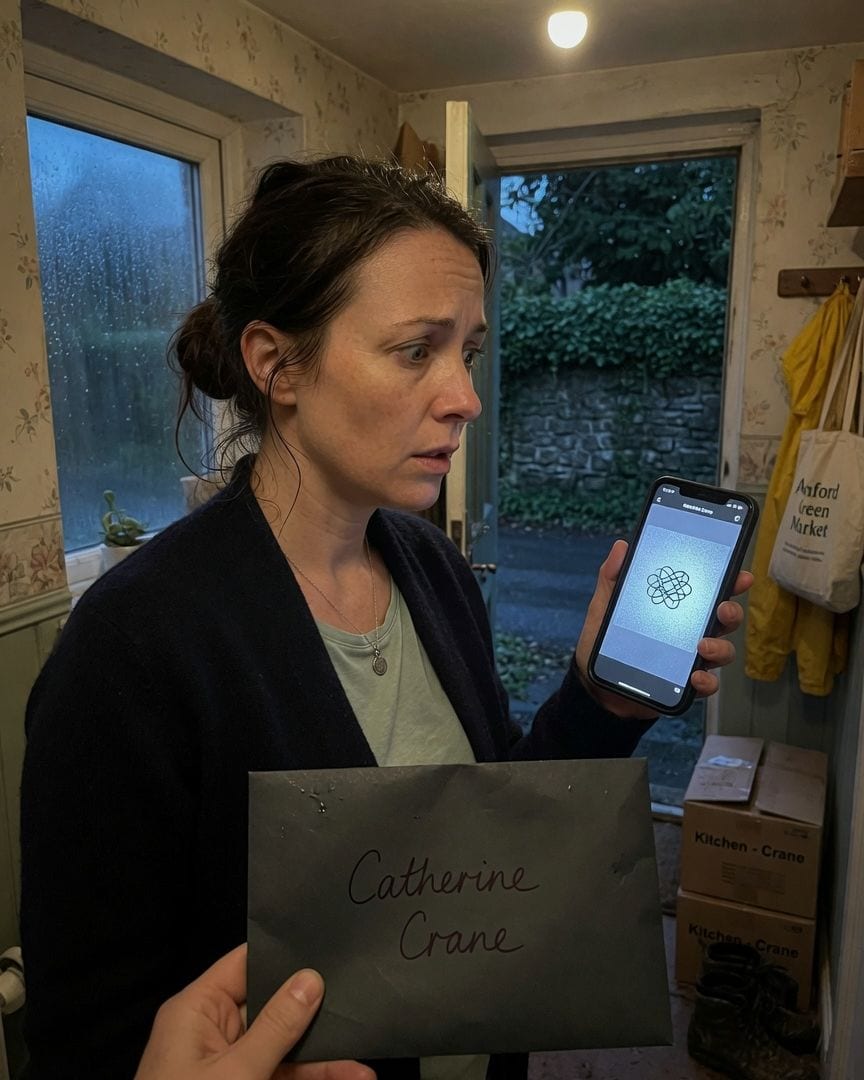
My postman warned me: never use the old pillar box. Royal Mail logs a collection every day, one item, signed by no one.
Moving to Ashford Green, I dismissed my postman's strange warning about the old pillar box by the ford. But after my own letter vanished inside it, I returned at midnight. Then, a dark, unstamped envelope slowly slid *out* of the slot, addressed to me.
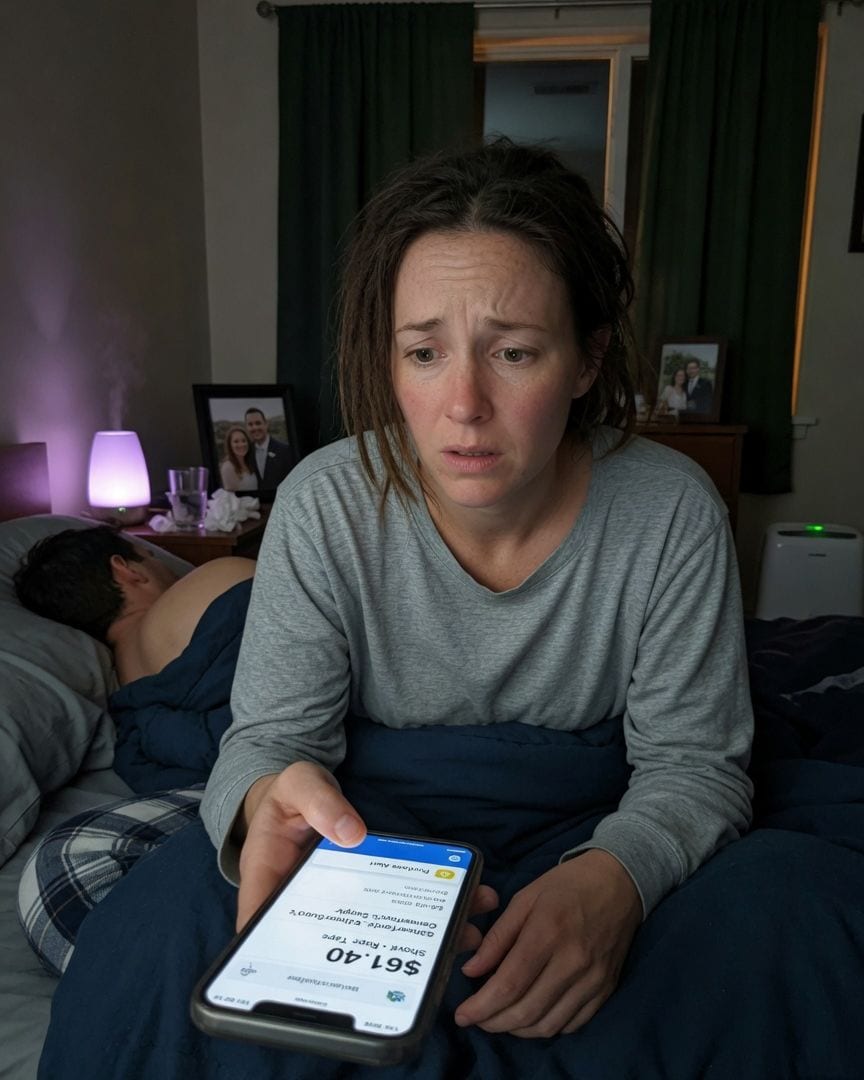
My bank app pinged a hardware store purchase three states away: shovel, rope, duct tape, 11:20pm. I was home in bed.
My bank app kept buzzing late at night with strange purchases for things like shovels and rope from a hardware store three states away. The charges were tied to a loyalty program I'd never heard of. But the true dread hit when the store owner showed me a loyalty card application with my own signature, dated eight months ago when I was home sick.
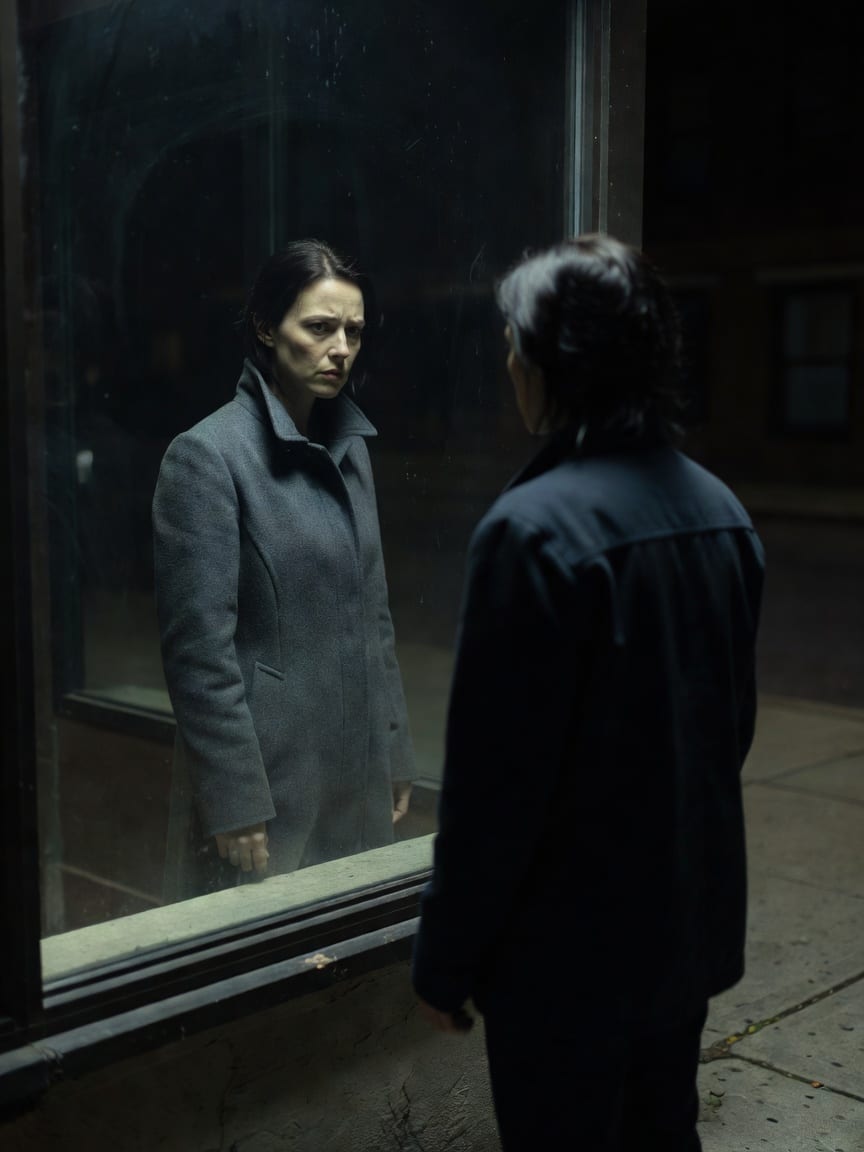
My neighbor saw me take her parcel, wearing my grey coat, at 11:52 AM. I was in Lisbon that whole week.
Returning from Lisbon, I was met by my neighbor Elena, who insisted I'd signed for a parcel last week. She even said I was wearing my grey wool coat. But my coat was still packed in my suitcase, and I was thousands of miles away, checking into my Lisbon hotel at that exact time.
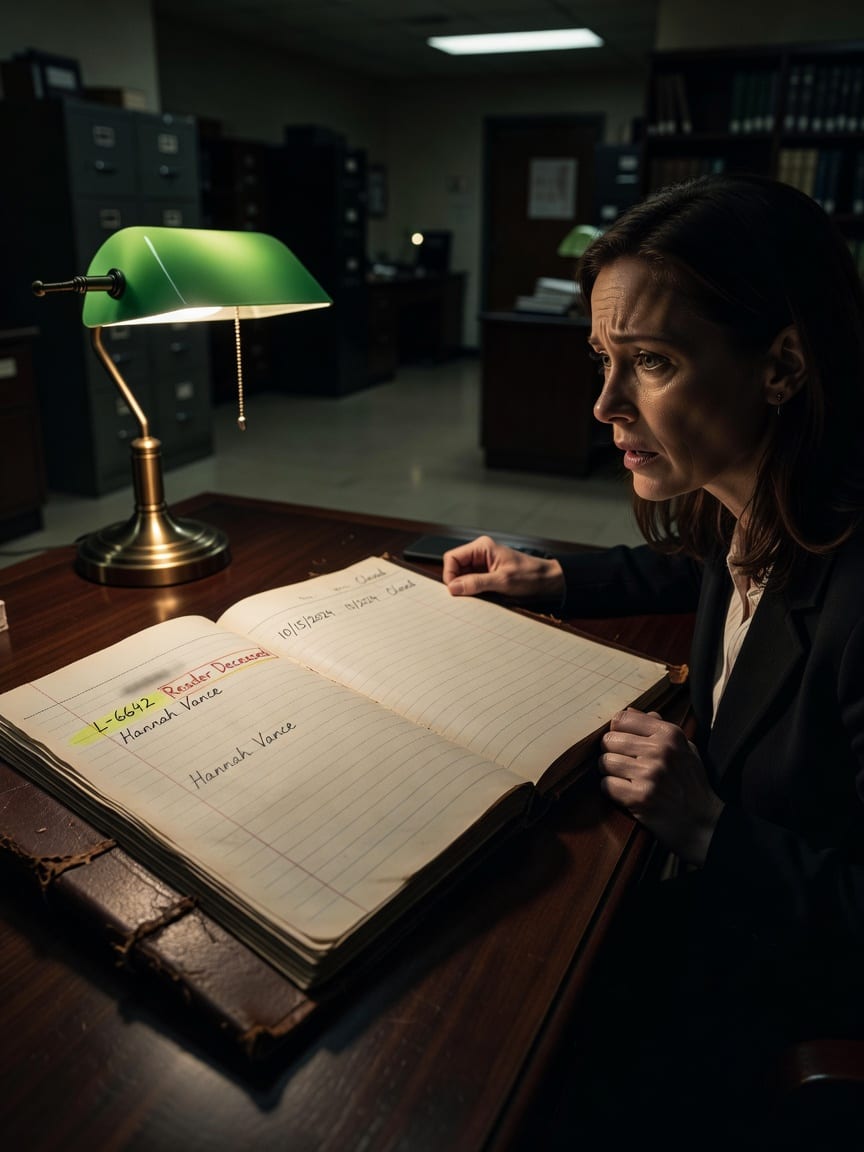
My library card number L-6642 was issued to me at seven — and the ledger shows that number has marked a reader 'deceased' every twelve years since 1949.
Returning my late father's library card to the old town library felt like a small act of closure. But the senior librarian's ancient ledger revealed a chilling pattern of 'reader deceased' entries tied to specific card numbers and borrowed books. My unease turned to cold dread when I secretly found my own name penciled in, marked for a future 'reader deceased' entry.