My postman apologised, then disowned the letter with my name.
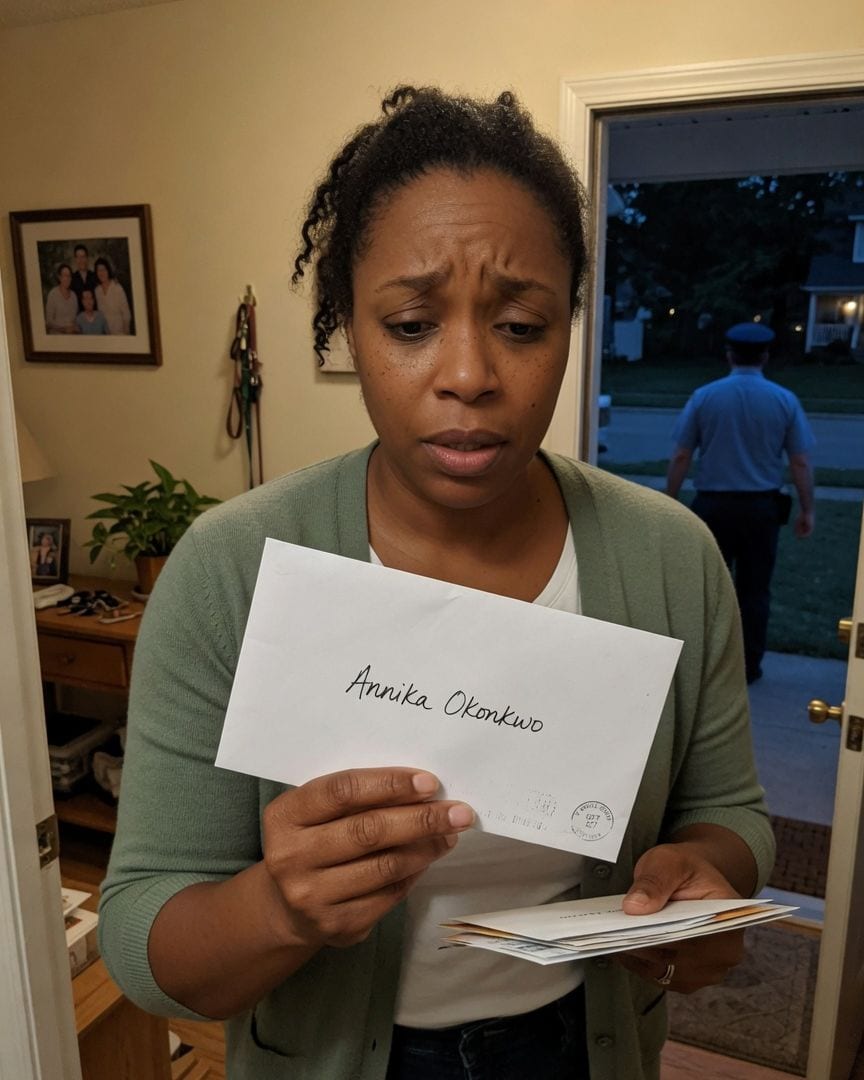
My postman Dave, who's delivered here eleven years, handed me the usual bundle of bills on Tuesday and said, "I'm sorry, Mrs. Okonkwo — really I am." Nothing was wrong. The bills were fine. My dog wasn't sick.
I hadn't lost a package. I stared at him, trying to make sense of the sudden, profound apology. He stammered, his cheeks reddening, "I don't know what came over me, Annika. Just... felt like I had to say it."
He apologised again for apologising, looking genuinely flustered, before hurrying down the path to the next house.
Among the usual junk mail and statements was a plain white envelope. No return address, just my name, Annika Okonkwo, scrawled in an elegant, looping hand.
It was unusual, the kind of envelope that stands out from the generic windowed bills. As I shuffled through the rest of the mail, I glanced back at Dave, who was now halfway down the street.
He caught my eye, then quickly looked away, almost as if he’d been caught doing something he shouldn’t. He paused at the edge of the curb, looking back at me, then pointed vaguely at the envelope in my hand.
"That one," he called out, his voice quiet, carrying unnaturally in the morning air. "I never carried that one in my bag." He swore it. Eleven years, and Dave had never once given me a reason to doubt him.
Yet, here it was, in my hand, nestled among the post he'd just delivered, as solid and real as the gas bill beneath it.
The envelope felt ordinary, the paper unremarkable, but the dread clinging to it was anything but. I turned it over and over, examining every surface. No stamp, just a faint, smudged postmark.
It was local, from our own town, dated two days ago. The postmark wasn't a general town name, but a specific street address: 14 Maple Street.
I tried to dismiss it as a prank, a strange neighbour, maybe a new artist in town with an odd sense of humour. But 14 Maple Street was a vacant lot.
It had been for at least fifteen years, ever since the old Miller house burned down in a flash fire that leveled everything but the chimney. A small, irrational shiver ran down my spine, despite the warm day.
I called the local post office, trying to keep my voice even, asking about mail delivery from 14 Maple Street. A tired-sounding clerk confirmed what I already knew: 14 Maple Street was indeed a non-existent address for mail delivery.
They had no record of any mail sent from there, ever. When I mentioned the postmark, she paused, a beat of silence on the line.
"Sometimes, old stamps get reused, or a machine misreads," she offered, but it sounded hollow, even to her. I thanked her and hung up, the phone feeling cold in my hand. The mundane explanation failed, leaving only the impossible.
That evening, after Lars was asleep, the unsettling image of the empty lot kept pulling at me. I drove to Maple Street.
The lot was dark, overgrown with weeds and brambles, the skeletal remains of a brick chimney the only evidence of a house that once stood there. The air was still, heavy, clinging to the skeletal remains of winter. Nothing.
The place felt utterly devoid of life, certainly not a place to send a letter from.
I told myself it was a dead end, a stupid wild goose chase, a trick of the light, a figment of my increasingly stressed imagination.
Just as I turned to leave, dismissing the whole affair, a glint of metal caught my eye, half-buried in the churned earth near where the front porch used to be.
It was a rusted tin box, the kind old women used to keep sewing supplies in, its painted floral pattern long faded to a smear of brown and green.
My heart hammered against my ribs, a frantic drum against the silence of the lot. I dug it out with my bare hands, the cold earth gritty under my nails, catching under the edges of my cuticles.
It was surprisingly heavy, disproportionately so for its size. I pried open the stiff, resisting lid with a grunt, a faint metallic shriek scraping through the stillness.
Inside, nestled on a bed of damp, ancient fabric that disintegrated at my touch, was not one, but a stack of identical plain white envelopes.
Each one bore the same elegant, looping handwriting as mine, each addressed to a different name – 'Vivian Sinclair,' 'Edward Caldwell,' 'Margaret Foster' – all strangers, all names that felt old, forgotten. And on each, the same faint, smudged postmark.
The date on every single one was exactly the same: October 27th, my birthday.
Back home, the tin box sat on my kitchen table, an impossible artifact gleaming faintly under the harsh kitchen lights. I laid out the envelopes.
There were seven of them, including my own, their pristine white stark against the dark wood. October 27th. My birthday.
I spent the next day on the internet, my fingers trembling as I typed the names from the envelopes into search engines.
Vivian Sinclair: a brief obituary from five years ago, reporting her sudden, unexplained disappearance during a hiking trip, body never found.
Edward Caldwell: a local historian, still alive, but his online presence hinted at a reclusive life, articles from decades ago about forgotten town history. Margaret Foster: a cold case from the 80s, a missing person report, never solved.
The rest yielded nothing, as if the names had simply vanished from all public record, no traces, no digital footprint.
The pattern was horrifyingly clear: a letter on their birthday, followed by an unexplained disappearance or death. I felt a cold knot tighten in my stomach, like a fist clenching. This wasn't a prank. It was something far more sinister.
I needed to talk to Edward Caldwell. He was the only one still traceable, still seemingly alive.
I found his address in the phone book, a quiet street on the edge of town, one of those sleepy lanes where the houses seemed to be falling asleep standing up.
His house was old, nestled behind a tangle of overgrown bushes, its paint peeling. He answered the door, a thin, stooped man with kind, but wary eyes, framed by thick, fogged glasses.
He looked like a man who spent his life in the quiet corners of archives. I showed him my letter, then the others from the box.
He took them, his fingers brushing mine, and a faint, almost imperceptible tremor ran through him, like a small shiver. 'These… these are very old names,' he murmured, his gaze distant, unfocused.
He tried to dismiss it as a morbid prank, a group of local teenagers with too much time, but his eyes kept returning to the postmark date. 'October 27th,' he whispered, the name catching in his throat.
'That's… a significant date, in some local folklore.' He wouldn't elaborate, just shook his head, looking troubled, a deep line furrowing his brow.
Edward Caldwell, despite his initial reluctance, couldn't shake the strange coincidence of the letters. He called me the next day, his voice a low, urgent whisper that sounded like it was coming from a great distance.
"Annika, I've been doing some digging. Not about the letters, specifically, but the date. October 27th. There's an old town legend, almost forgotten, about 'The Name-Keeper.'
It's always dismissed as a children's tale, a campfire story, but it speaks of a book, a ledger, hidden deep within the town's oldest records, containing names. Names that are… called."
He sounded less like a historian recounting forgotten facts, more like a frightened man sharing a forbidden secret, his voice losing its academic precision, becoming raw.
He dismissed it as superstition, of course, "just old wives' tales," but the tremor in his voice, the way he kept clearing his throat, was undeniable.
Later that day, my phone rang. I didn't recognize the number. It was local, but not one saved in my contacts.
I answered, and there was just static for a moment, a thin hiss like radio interference, then a soft, breathy whisper. "Annika Okonkwo." My full name.
The voice was calm, almost soothing, yet it sent a jolt of pure ice through me, a shock that radiated through my entire body. "It's time," it breathed, the words barely audible, yet utterly clear. Then the line went dead.
I dropped the phone, my hands shaking so violently I almost missed the receiver.
That night, after Lars had left for his late shift, the house felt too large, too quiet. I found a small, folded piece of paper slipped under my front door.
It was a plain white slip, no handwriting, just a single, stark sentence printed in block letters, stark black on white: 'Some things are better left buried.'
The dread was no longer a chill; it was a claw, tightening around my throat, squeezing the air from my lungs.
The note, the phone call, Caldwell’s hushed tone—it all culminated in a desperate need for answers, a frantic urgency that wouldn't let me rest.
I drove back to Edward Caldwell’s house the next morning, the slip of paper clutched in my hand, its crisp edges digging into my palm.
He opened the door, looking even more frail than before, his skin almost translucent, his eyes sunken. "Edward," I started, my voice tight, cutting straight to it, "what do you know about 'The Name-Keeper'? And this book you mentioned?"
He tried to demur, to wave it off as old wives' tales, a story passed down, "nothing to worry about." But I pushed. "People are disappearing, Edward. People whose names were on letters just like mine, dated to my birthday.
And now someone is watching me, warning me." I showed him the note, holding it out between us like a poisoned relic.
He paled, his eyes darting around his living room as if expecting to see someone standing in the shadows, listening.
He finally sighed, a deep, shuddering breath that seemed to deflate him. "It’s not just folklore, Annika. Not entirely. My great-grandmother, she used to talk about it. A ledger. Not a town record, no. Something… separate.
It’s said to be in the oldest part of the municipal archives, not cataloged, not meant to be found. A list of names and dates. Those dates were never birthdays. They were… appointments."
He looked at me, his gaze full of a profound sadness, a deep resignation. "For generations, certain families, including mine, have had stories. Whispers of people who received a 'special' letter, then vanished on their 'appointment' date.
Your letters, Annika… they fit the pattern. The apology from your postman? My great-grandmother said sometimes, the pattern ripples, touches those connected to the delivery, makes them uneasy. They know, even if they don't know why."
The pieces clicked into place with sickening precision, like tumblers falling into a monstrous lock. The empty lot wasn't a source, but a destination for those who tried to return their 'invitation.' The phone call was a confirmation.
Everything was connected. I was inside it.
Armed with Edward’s reluctant confession and a growing sense of dread that felt like a physical weight on my chest, I knew I had to find that ledger.
I used my local history society membership to gain access to the restricted, seldom-used sub-basement of the municipal archives. The air was thick with dust and the smell of old paper, a dry, musty scent that caught in my throat.
Rows of forgotten ledgers, ancient maps, and brittle documents lined the shelves, stretching into the gloom, some leaning precariously.
I searched for hours, my flashlight beam cutting through the gloom like a weak sword, tracing names on spines, until my eyes burned and my head ached from the effort.
Just as I was about to give up, slumped against a metal shelf, tucked away behind a stack of oversized property deeds bound with rotting twine, I saw it.
A heavy, leather-bound book, much larger and older than anything else, its cover unmarked, almost black with age, as if it had absorbed all the light around it. It didn't look like a town record.
It looked like something that shouldn't exist, something forbidden. My hands trembled as I pulled it free, the weight of it surprisingly dense, pulling at my arms.
I carried it to a dusty table in the center of the room, my heart pounding in my ears. I opened it.
Page after page of names and dates, meticulously written in an archaic, elegant script, identical to the handwriting on the plain white letters. This wasn't a record of the past, but something else entirely.
I scanned for a familiar name, for any clue, my breath hitched in my throat. And then my eyes fell on a page, dated 1965, and there, perfectly legible, inscribed with disturbing precision, was my full name: Annika Okonkwo.
The date, 1965, swam before my eyes, blurring the other faded script. Years before I was born. My name, chosen, inscribed decades before I drew my first breath.
I frantically flipped through the ledger, my fingers smudging the ancient ink, searching for more, for an escape, for a pattern, for anything that could explain this impossible truth.
I found other names from the tin box, each with a date next to it, none of them their birth dates. Vivian Sinclair, listed for a week after her disappearance. Margaret Foster, for the day she went missing.
Then I saw it. My name again, 'Annika Okonkwo,' on a new page, near the very end of the book, stark and horrifying. And next to it, a date: tomorrow. Not my birthday. My claiming date.
The ledger wasn't a historical document; it was a living roster, a pre-ordained schedule. The letters were not invitations, but summons.
The postman’s apology, his inexplicable denial, was a faint echo of the entity's influence, a system subtly bent to deliver its call, its whispers touching even the periphery.
The empty lot, where I'd found the box, was a discard pile for those who had tried to return the summons, to deny the claim, to fight the inevitable.
The names in the tin box were those who had been 'claimed' in my birth cycle, my cohort. My birthday was simply when the 'invitation' was first sent out, a signal, a mark.
The phone call, 'It's time, Annika Okonkwo,' was the final notification. I wasn't just observing a pattern; I was inside it, always had been. My life was not my own; it had been written down, decided, decades ago.
The horror wasn't in what I didn't know, but in the absolute, terrifying coherence of it all. Every clue, every strange interaction, every unexplained disappearance now clicked into place, forming a monstrous, inescapable shape. I was next.
I slammed the ledger shut, the sound echoing in the silent archives, a sharp crack in the oppressive quiet. Tomorrow. I had to break the pattern. I had to.
I raced out, my mind a blur of frantic plans, a desperate, hopeless scramble. Destroy my letter. Burn it. Rip it to shreds. Anything to sever the connection, to erase the mark.
I drove home, the speed limit a distant concept, my tires screeching around corners. Lars would be back soon. I had to do this before he arrived, before he could be implicated, before he could see what was happening.
Bursting through my front door, I tore through the mail pile on the hall table, grabbing my pristine white envelope. I rushed to the kitchen, snatched a lighter from a drawer, my hands fumbling with the plastic.
I held the flame to the corner of the paper. The flame flickered, then died, leaving the paper untouched, unmarred, as if it were carved from stone.
I tried again, and again, the flint sparking, the small flame dancing, but the paper remained stubbornly pristine, resisting the fire as if it wasn't paper at all, as if it was already beyond the reach of the mundane world.
Panic seized me, cold and sharp. This wasn't just a letter; it was a tether. The phone rang, a shrill, insistent sound in the quiet house, cutting through the silence like a knife.
I stared at it, my breath catching in my throat. It was the same unrecognized number from before. I knew. I picked it up, slowly, my fingers stiff.
"Annika Okonkwo," the calm, breathy voice whispered, utterly devoid of emotion, like a machine giving a final instruction. "It's time." A faint creak sounded from the living room, a soft groan of old wood. My blood ran cold.
The front door, which I had just closed and locked with my own hand, was slowly, deliberately, swinging open, not pushed by a draft, but by something unseen.
I backed away from the counter, my eyes fixed on the widening gap, on the shadows pooling in the entryway, stretching like grasping fingers.
Lars came home an hour later. The front door was ajar, a faint, unsettling breeze rustling through the house, stirring the curtains. "Annika?" he called out, his voice echoing in the sudden silence. No answer.
He checked the living room, the bedroom, the bathroom. Empty. He walked into the kitchen, a vague sense of unease starting to prickle at him. On the counter, amidst the usual clutter, lay a single, plain white envelope.
His wife's name, Annika Okonkwo, scrawled elegantly across it. He picked it up, a strange chill prickling his skin. It felt cool to the touch, almost unnaturally so. He glanced at the postmark. His brow furrowed.
He hadn't seen this one before. He tried her mobile. It rang from the next room, a muffled vibration.
Lars placed the pristine letter back on the kitchen counter, a strange chill lingering in the air, a faint, coppery tang he couldn't quite place. He tried Annika's phone again. It rang in the next room, a muffled vibration.
He followed the sound, finding it on the bedside table. He answered. The voice that answered was not hers.
If this one got to you
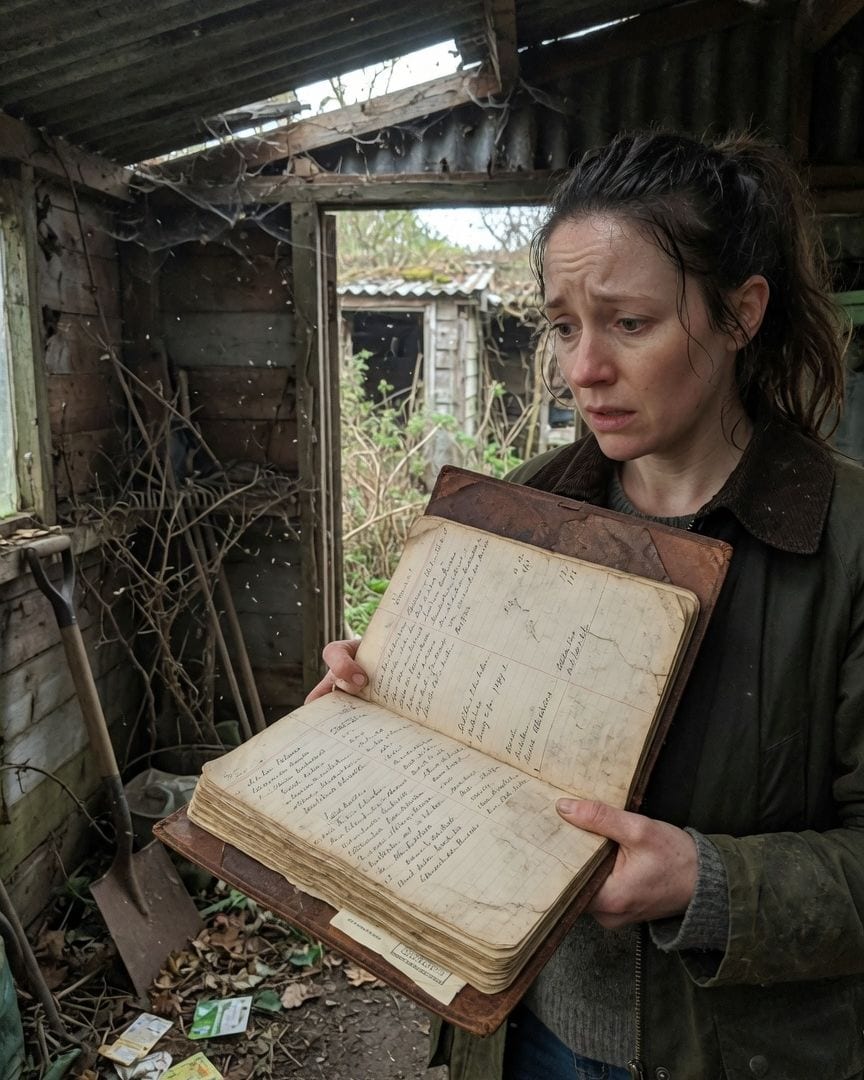
My mailbox holds my own obituary, updated weekly. The postmark reads Cold Ashby allotments, where there's only a standpipe and sheds.
Every Wednesday, a crisp white envelope arrives, containing my own obituary. It's mailed from the desolate Cold Ashby Allotments, a place with no post office, and each week a new, accurate detail of my life is added, leaving only the death date chillingly blank.
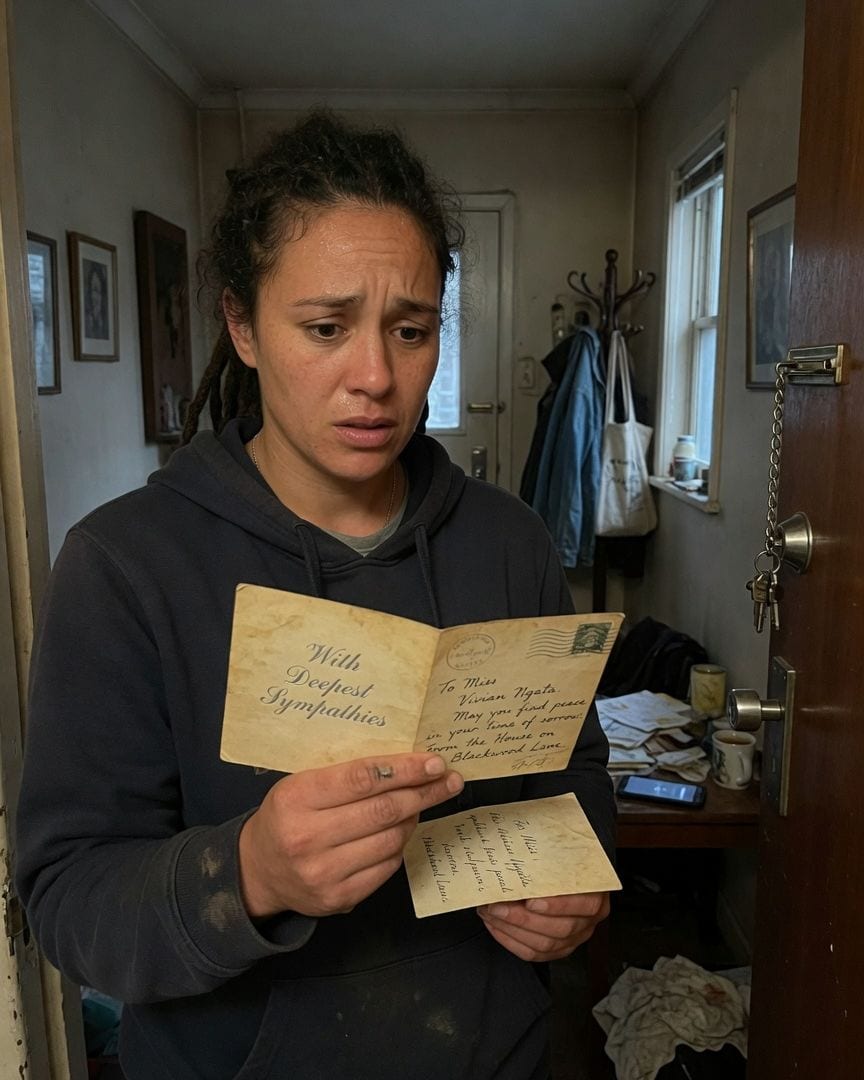
My locksmith knew my name, then apologized for next Tuesday. I never gave him my name; his firm doesn't exist.
I just needed a new deadbolt after some neighborhood thefts. But the locksmith knew my name without me telling him, and murmured something about 'Tuesday' when it was Thursday. Then his company, 'Everlast Security Solutions', vanished without a trace, its phone number dead and its address an empty field.
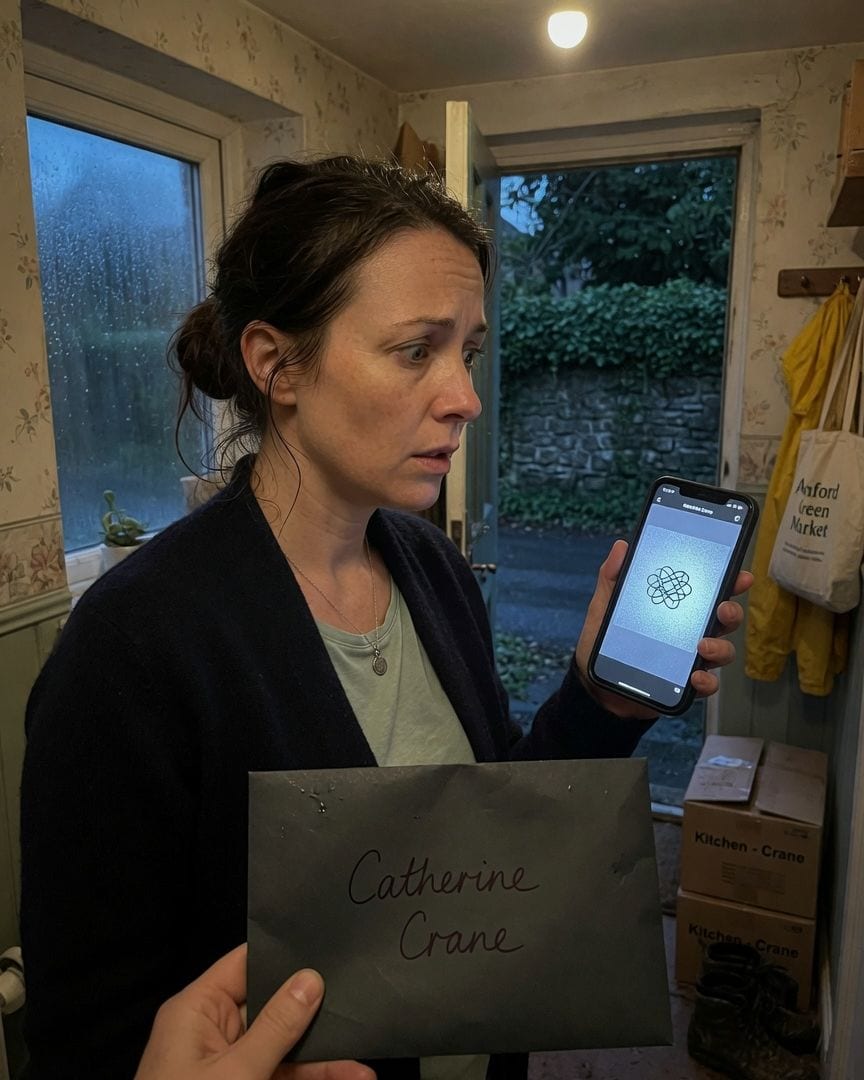
My postman warned me: never use the old pillar box. Royal Mail logs a collection every day, one item, signed by no one.
Moving to Ashford Green, I dismissed my postman's strange warning about the old pillar box by the ford. But after my own letter vanished inside it, I returned at midnight. Then, a dark, unstamped envelope slowly slid *out* of the slot, addressed to me.
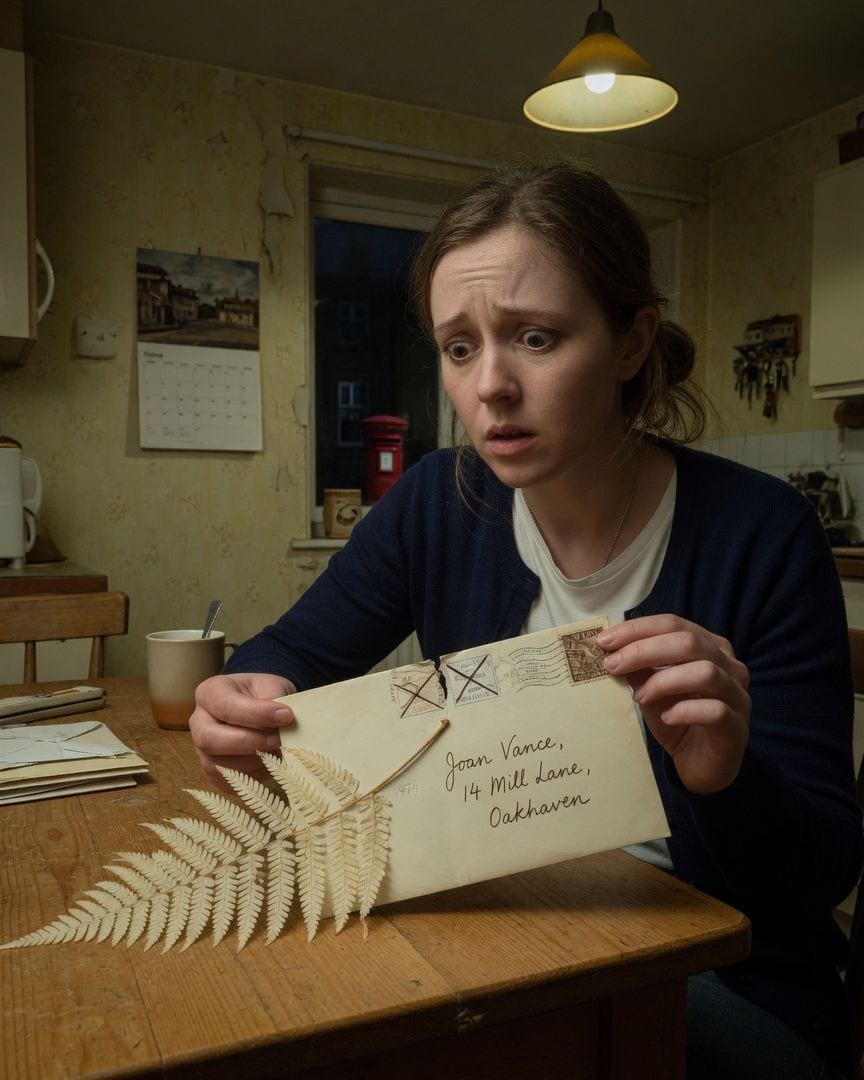
My letter returned. Delivered by hand, with a 1974 postmark. My own address, in a hand I didn't recognise.
As Joan Vance, new to Oakhaven, I posted a letter to my sister just two days ago, well past the last collection. Now, that same envelope sits on my kitchen table, delivered by hand. It bears a postmark from Oakhaven, 1974, a date that makes no sense, as the local post office officially closed that very year.
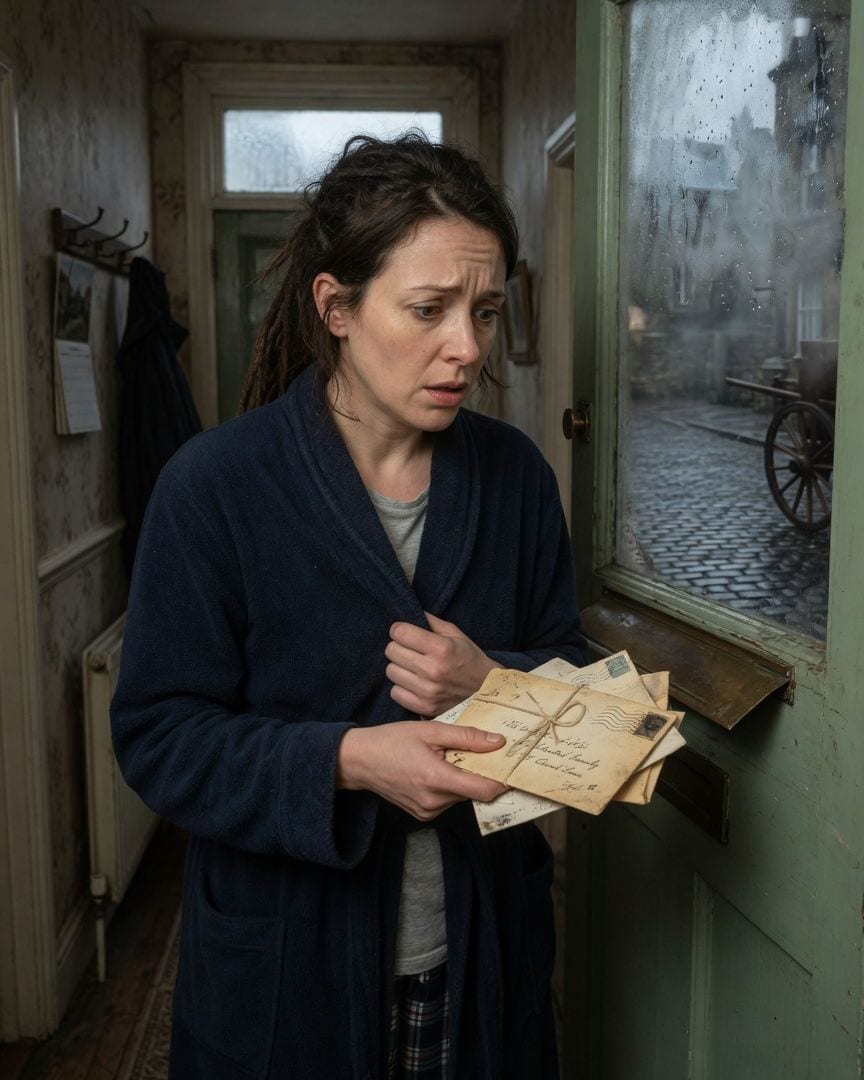
Seventy years ago, a hidden journal recorded my door opening to the wrong street and receiving Lockwood post.
I'd only recently moved into my inherited house, a quiet place on the edge of town. One grey morning, a distinct clatter from the front door's post flap caught my attention. Reaching down, I expected my gravel path, but instead, the flap showed a dark, cobbled street that wasn't mine. A bundle of warm, old letters, addressed to 'The Lockwood Family,' slid through, before the vision flickered and was gone.
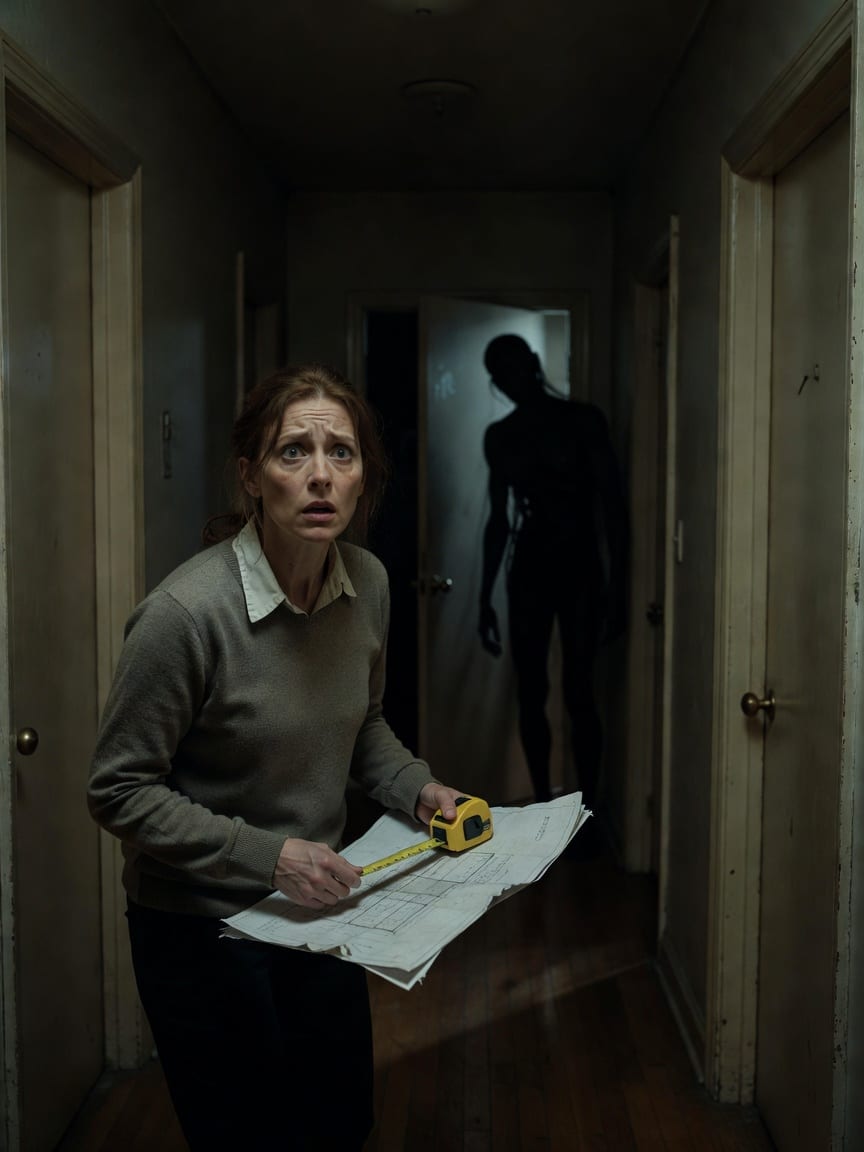
My front door has a dented gate and a dead hydrangea. I walked past it six times, trying to reach the corner shop just a hundred yards away. The pavement kept bringing me back to my own porch, and the shop's light never moved.
My morning started like any other, a quick walk to the corner shop from my home at Number 14, Elm Terrace. But after walking what felt like two minutes, I found myself back at my own front door, the shop no closer. I tried six times, faster and slower, but my street kept compressing, refusing to let me leave.