A retired crew chief finds the Cold War transport plane he loaded 32 years ago; its flight log shows today's date and still-damp ink.
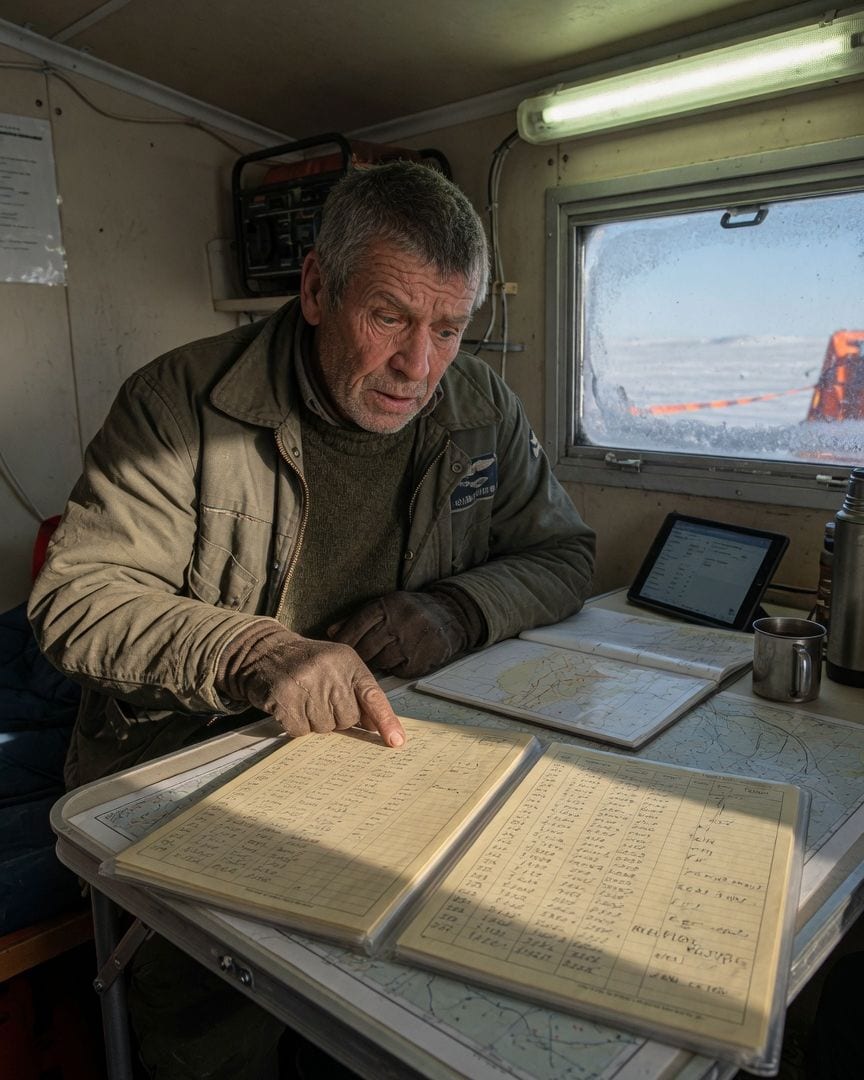
The biting Greenland wind whipped around Ivo Barlas, 62, as he stood on the frozen lake in 2020. Thirty-two years earlier, he'd loaded the transport Osprey Nine onto a different kind of ice, a runway, at a now-closed air strip.
He remembered the feel of the heavy pallets rattling up the ramp, the smell of aviation fuel mixed with the arctic cold. Now, there she sat, gear down, unbroken, as if gently set down by an impossibly large, careful hand.
The ice road crew, surprised to find a ghost of a plane, had contacted the authorities.
Ivo, a retired Air Force crew chief, had been called in as an expert, a witness to a plane that shouldn’t exist, in a place it shouldn’t be.
He felt a cold deeper than the arctic air radiating from the plane itself, a wrongness that hummed in the stillness.
A recovery team had already secured the site. They’d found the cockpit log, its pages strangely preserved, neat and legible. The initial report on the comms tablet, which the onsite commander showed Ivo, was impossible.
It showed nine hours of fuel consumption after her tanks should have been bone dry. A full flight from Greenland to, perhaps, the Canadian Arctic, and back. Her cargo doors stood open, revealing an empty bay.
Ivo had personally loaded eleven pallets of classified equipment onto her that night in 1988, each one strapped down with his own hands. Now, there was nothing. No trace, no residue, just the cavernous, empty space. The wrongness deepened.
Ivo, methodical by nature, requested immediate access to the official recovery report and, more importantly, the physical flight log. He sat in a temporary office trailer, the hum of generators barely masking the silence of the vast, empty landscape outside.
The arctic sun, low and weak, filtered through the narrow window, casting long, stark shadows. He tried to rationalize it: a misfiled log, a faulty gauge, a clerical error in the manifest from thirty-two years ago.
He pulled out his own meticulously kept loading manifest from '88, a carbon copy he’d held onto for decades, tucked away in a waterproof folder. Eleven pallets, each with a specific weight and destination.
He could still recall the serial numbers from memory, the last digits of each stenciled crate.
The official manifest recovered from the Osprey's cockpit, however, was worse than wrong. It was a single, laminated page, utterly devoid of cargo entries. Blank. As if the plane had taken off empty.
He stared at it, then at his own record, a wrinkle deepening between his brows. The flight log itself was worse yet.
Its handwritten entries for fuel, speed, and coordinates were too perfect, too consistent, lacking any of the smudges or hesitations of a real pilot's hand in a turbulent cockpit. Not a drop of spilled coffee, no hurried scrawl during turbulence.
It felt less like a record of a human flight and more like a printout, transcribed by an invisible hand. The generator outside coughed, and the light above Ivo’s head flickered, drawing long shadows across the trailer’s cramped interior.
Hours later, alone with the physical flight log, Ivo’s rationalizations crumbled. He had been cross-referencing the last known flight path with the recovered coordinates, meticulously plotting them onto a faded navigation chart.
The log entries ran chronologically, detailing a flight that defied physics—hours of impossible fuel draw, routes that veered into stratospheric heights, then back to a smooth, almost leisurely descent.
He traced the last known position, a dot in the middle of nowhere, and then flipped to the final page. Then he saw it.
The last entry on the page, perfectly legible in the same precise, unwavering hand, was dated today, two days after the plane had been physically discovered.
It listed impossible coordinates far above the atmosphere, high above the very air the Osprey should have been flying through, and the fuel column still showed a continuous, active draw. He leaned in, his breath fogging the laminated page.
The ink on that final line, unlike the slightly faded script of the entries above it, gleamed faintly. Ivo reached out a weathered, gloved finger, his skin tingling, to touch the still-damp ink.
The damp ink entry burned in Ivo’s mind, a constant, unsettling warmth against his perception of reality. He returned home to Montana, but the log was all he could think about.
He used his old Air Force connections, carefully navigating the bureaucratic labyrinth, pulling in favors he hadn't touched in decades.
He finally reached Harold Montgomery, a declassification officer he'd known vaguely from decades past, now a civilian consultant for a shadowy government agency.
Harold, a man with a reputation for integrity but also for knowing where the bodies were buried, agreed to look into the 'Osprey Nine' file.
What came back was a heavily redacted digital file, a digital ghost, delivered through a secure email with a curt warning not to share.
Ivo spent days poring over the file on his home computer, the only light in his study the glow of the screen.
He found chilling inconsistencies: not just one missing persons report for the Osprey Nine crew, but dozens, all identical, all filed simultaneously across different military commands within hours of its disappearance.
It implied a coordinated effort to 'unhappen' the plane too quickly, too thoroughly, a bureaucratic sledgehammer crushing any potential for a legitimate investigation.
He requested the original air traffic control tapes from '88, but they were 'corrupted' – a familiar government euphemism that always meant 'destroyed' or 'hidden.'
The more he dug, the more he felt the cold, patient hand of an institution at work, not chance or accident.
His study, usually a refuge of quiet order, now seemed to hum with an unheard frequency, a distant echo of the vast, unseen machinery he was uncovering.
The digging was noticed. Ivo’s burner phone, a pre-paid device he'd bought purely for this investigation, started receiving odd calls—hang-ups, then static-filled lines where a distorted voice would occasionally whisper his old service number: "B-A-R-L-A-S, Zero-Four-One-Seven."
He'd check the caller ID; 'Unknown Number.' Harold Montgomery called, his voice strained, a raw edge of fear Ivo had never heard before.
His security clearance was suddenly under review, and he’d been reassigned to a dead-end project, stripped of his access. “Back off, Ivo,” Harold had urged, his voice barely a whisper against the phone’s receiver.
“This thing… it’s bigger than you think. You’re rattling cages you shouldn’t touch.”
Ivo started noticing a black sedan, always clean, always parked a few blocks from his house, occasionally moving from one vantage point to another.
It was a new model, no visible plates, tinted windows reflecting the Montana sky like dark mirrors. One morning, he found a cryptic, typed note slipped under his door. The paper was heavy, expensive, the font generic sans-serif.
It read: 'The eleven. What was in them?' A detail only he and Harold had discussed about the Osprey’s classified cargo, a detail not in any of the official reports.
The weight of the institution, unseen but palpable, pressed in, flipping him from hunter to hunted. The air in his usually quiet house grew heavy, thick with the unasked question of who was watching.
He was no longer just investigating a cold case; he was being observed, his every move documented.
Ivo arranged a clandestine meeting with Harold, deep in a deserted state park, far from any cameras or listening devices, their phones left in their cars, miles away.
The air was frigid, the trees bare, skeletal fingers clawing at the overcast sky. A thin layer of snow crunched under their boots. “They know, Harold,” Ivo stated, his voice low, showing him the typed note.
Harold slumped against a gnarled tree, defeated, his breath pluming in the cold. “I found something, Ivo. An addendum. Deep within the classified files, a program called 'Project: FILE.'
It’s not just a system for archiving, it’s… a system for processing.” Harold explained, his voice low and urgent, that 'Project: FILE' was an institutional mechanism designed to 'remove' anomalies—things the government couldn't explain, contain, or understand—from reality.
“The Osprey wasn’t lost, Ivo. It was logged. The plane was merely the delivery mechanism for the true target: the cargo you loaded.
Whatever was in those eleven pallets, it was 'filed' by this entity, removed to a place where its existence could be perpetually documented without disturbing our reality. That’s why the cargo bay was empty, why the cockpit manifest was blank.
The cargo was the anomaly, the thing that had to be erased from here.” Harold gestured vaguely around them, at the trees, the ground, the very air. “The flight log?
It’s a live status report, a continuous record of its impossible, ongoing state. It never stopped flying because its filing is never complete.
I’ve been trying to declassify it, to bring it to light, but the system… it fights back, Ivo.” Harold looked at Ivo, fear in his eyes, raw and unmistakable. “It’s like it’s alive.”
Harold pulled out a secure tablet, its screen glowing faintly in the dim light, casting an eerie blue pallor on his pale face. His hands trembled slightly as he navigated to a specific, heavily encrypted section of 'Project: FILE.'
“This is the live feed,” he whispered, his finger hovering over the screen. The display showed a constantly updating data stream, a complex array of coordinates, energy signatures, and temporal anomalies, all associated with the Osprey Nine.
It was not a historical record, but a current one, entries flashing and changing every few seconds, marking impossible trajectories and energy fluctuations. Then, Harold scrolled down. Below the plane’s details, there was a new, freshly timestamped sub-entry.
It was labeled, chillingly, “Associated Personnel.” Underneath, clear as day, were Ivo Barlas’s full name, his service number, his current address, and a single, stark word: “STATUS: Active.”
Ivo stared at his own name, seeing it not as a historical reference, but as a fresh entry, now part of the living file. He was no longer just investigating; he was being documented, being processed.
The realization hit Ivo with the force of a physical blow: he himself was now being 'filed.'
The empty cargo bay, the missing pallets, the blank manifest in the cockpit—it all clicked into place, not as a series of errors, but as a perfectly executed plan. 'Project: FILE' didn't just archive; it removed.
The 'cargo' was a pattern of anomalous events or objects, things the institution couldn't comprehend or control, so it simply erased them from conventional reality, 'filing' them into a parallel, ongoing state.
The Osprey's perpetual log wasn't just a record; it was the active, continuously updated proof of this removal, a chilling data stream from a place beyond human understanding.
The plane’s reappearance was a 'delivery' of that log, a message. And now, with his name appearing in the new entries, it meant he was marked for removal, for 'filing.'
The 'secrecy machine' wasn't a passive archive; it was an active, sentient institution, managing and shaping reality by discreetly deleting inconvenient truths, making them "unhappen."
Harold explained that the 'Active' status meant a 'retrieval' was imminent, that the machine would come for him next. The forest seemed to press in around them, the silence no longer peaceful but predatory.
Ivo refused to be 'filed.' He and Harold, frantic, devised a desperate plan.
They would leak the live flight log and the 'Project: FILE' addendum to Sarah Norwood, an investigative journalist Harold trusted implicitly, a woman known for her tenacity and her willingness to tackle stories others deemed too dangerous.
They arranged a meeting at a desolate, abandoned fire watchtower in the heart of the national forest, miles from any town, any road, any easy access.
The wind howled around the rickety structure, making the metal stairs clang like a loose chain.
As Ivo handed over the encrypted drive containing the damning evidence to Sarah, who waited nervously in the cramped watchtower cabin, a low, pulsing thrum grew in the distance.
A black, unmarked helicopter, silent until now, appeared over the tree line, its searchlight cutting through the twilight like an accusing finger. “Go!” Harold yelled, pushing Ivo towards a hidden snowmobile they had stashed under a tarp.
Harold, armed with a flare gun he’d brought for emergencies, ran to the opposite side of the tower, drawing the helicopter’s attention.
Its powerful beam locked onto him as he fired a flare into the sky, a brilliant red streak against the darkening horizon. Ivo didn't look back.
He started the snowmobile, its engine roaring to life, and sped away across the frozen landscape, the helicopter's lights sweeping the snow behind him, knowing Harold had sacrificed himself to buy him time.
Sarah Norwood published the story. It was sensational, a maelstrom of impossible claims, quickly buried by a deluge of counter-narratives and dismissed as a wild conspiracy theory by official channels.
Harold Montgomery vanished without a trace, his service records wiped clean, his existence quietly erased from official memory.
The Osprey Nine was retrieved by a black ops team within days of Ivo's escape, its impossible log confiscated, never to be seen again. Ivo Barlas became a ghost, living off the grid, constantly moving, watching his back.
Every shadow held a potential threat, every quiet moment a reminder of the machine that was still out there, still 'filing'.
Ivo Barlas sat alone in a small, remote cabin in the Yukon, the only light coming from a flickering oil lamp. The vast, empty wilderness outside felt less like a sanctuary and more like a waiting room.
He held a satellite phone, its signal indicator blinking green. It vibrated. A single, untraceable text message appeared on the screen. It was a string of numbers.
He recognized it instantly: his old Air Force service number, followed by a single, chilling word. He stared at the screen, the silence of the cabin broken only by the crackle of the lamp.
Days later, a trapper passing Ivo's cabin noticed a faint, regular flicker of light through the window, long after the lamp should have run dry. He called out, but received no answer.
The trapper shrugged, attributing it to faulty wiring or a trick of the northern lights, and continued on his way. The message on the abandoned satellite phone, still glowing faintly on the table, remained unread by anyone else.
STATUS: Active.
If this one got to you
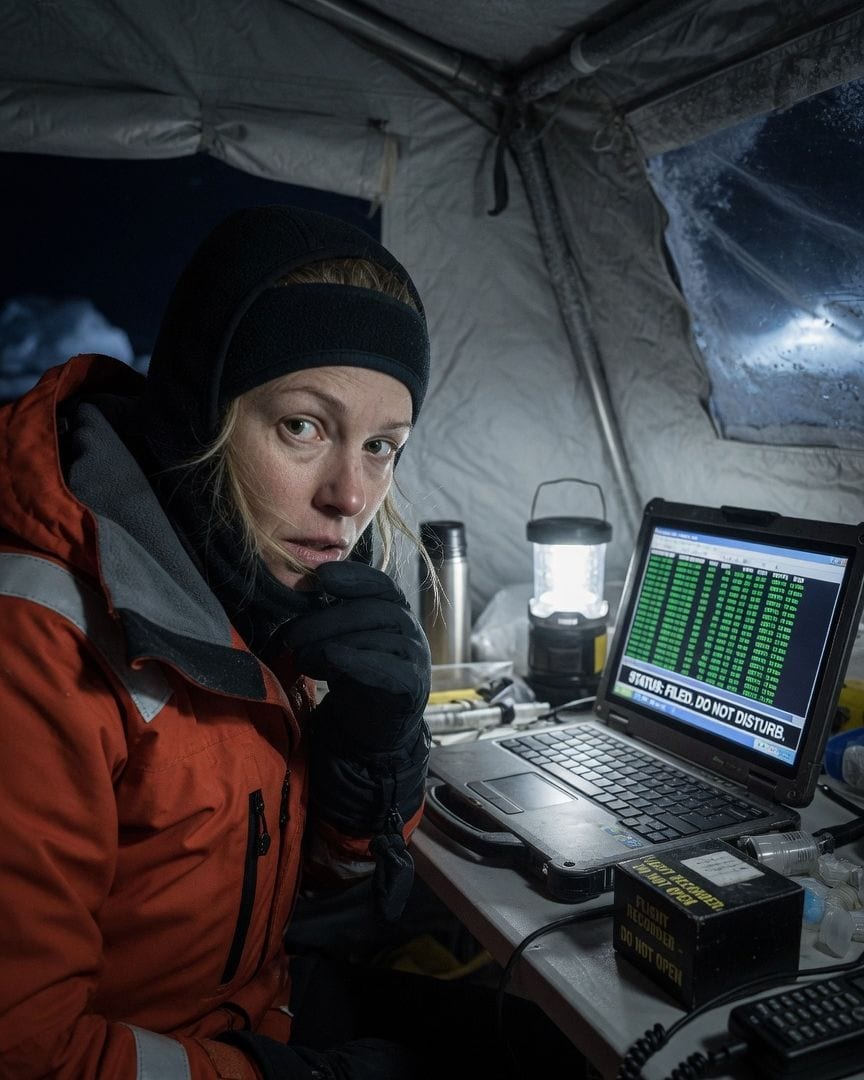
A glaciologist finds a Cold War plane 60 feet down in Greenland ice, its navigation lights still burning after sixty years.
Glaciologist Ines Faurholt skied across the vast, blinding Greenland ice cap when her path was abruptly blocked by a dark, corroded antenna mast. Beneath it, sixty feet down in ancient ice, a Cold War reconnaissance aircraft sat with its navigation lights eerily burning and its cockpit clock steadily keeping time. The sight was a violation of everything Ines knew about time and preservation in this frozen world. She called for a team, and days later, they extracted the plane's flight recorder, revealing data that showed the aircraft still flying years after its disappearance.
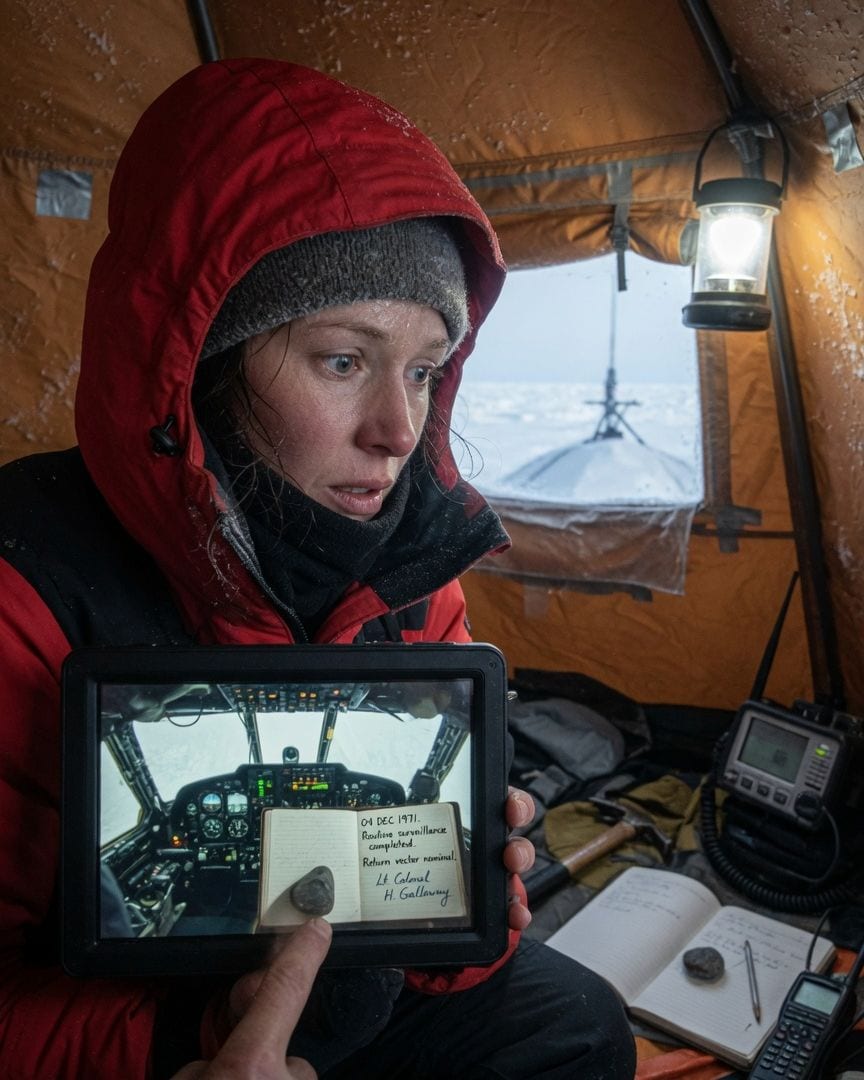
An explorer found a Cold War spy plane lost for sixty years beneath Greenland ice, but its pilot's log was dated almost a decade after it vanished.
Geophysicist Ines Faurholt pushed her ski pole into the Greenland ice, the sub-zero wind biting at her brow during a white noon. What began as a routine expedition turned chilling when her ski struck an antenna mast, leading her to a Cold War spy plane entombed sixty feet below in decades of ice. Its navigation lights still glowed, a faint hum vibrated through the frozen depths, and an impossible digital clock in the cockpit meticulously kept time. But the true impossibility emerged from the pilot's logbook: an entry dated eight years after the aircraft and its pilot, Lt. Col. Hugo Galloway, were officially declared lost. How could a vanished pilot have logged a flight almost a decade after he disappeared?
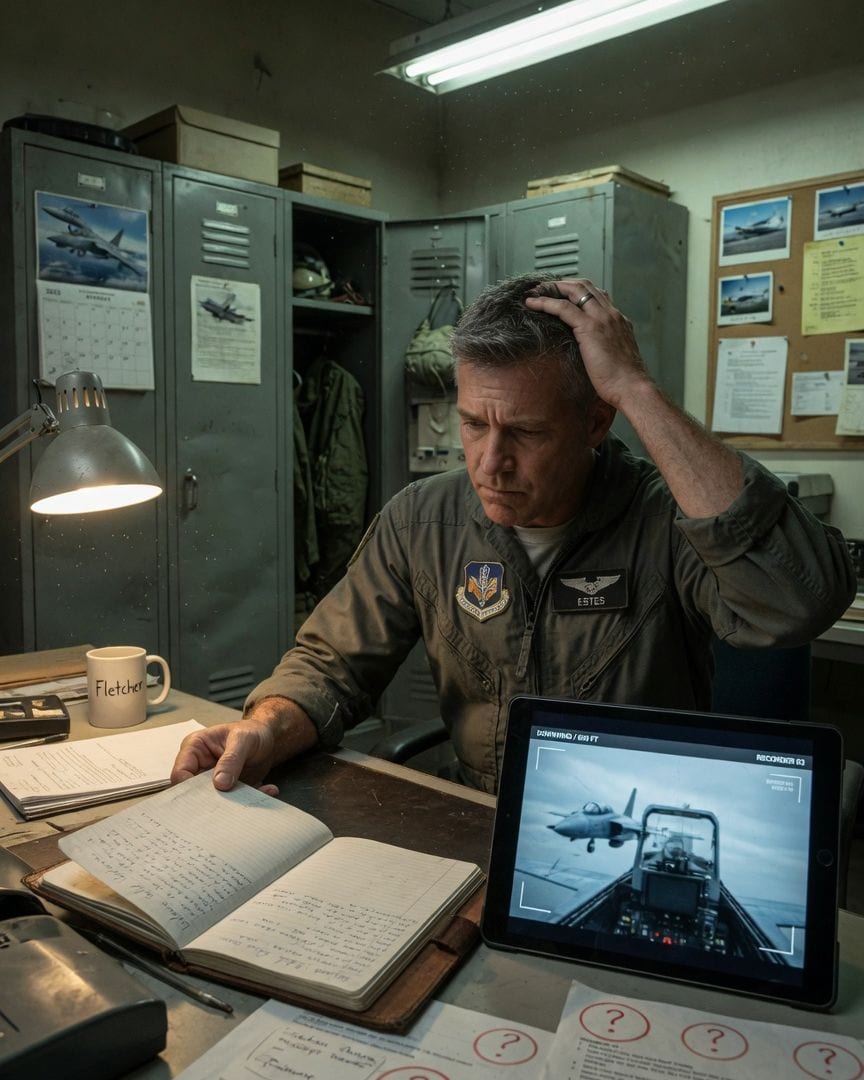
A Chief Warrant Officer's HUD tape shows a phantom jet, impossibly close, off his wing. Forty years ago, another Cold War pilot logged the same impossible sight.
Chief Warrant Officer Nathaniel Estes, a pilot whose career hinged on absolute precision, was under evaluation for a critical promotion. His nightly review of HUD tapes from routine Mojave test flights was a meticulous habit, but for a week, it revealed an impossible detail. At precisely 800 feet, one frame showed a sleek, experimental jet tucked impossibly close off his left wing—a craft ground radar never detected. When his maintenance chief found no equipment fault, Estes unearthed a dusty, decades-old logbook detailing identical phantom sightings from 1978. What unseen presence shadowed the desert skies?
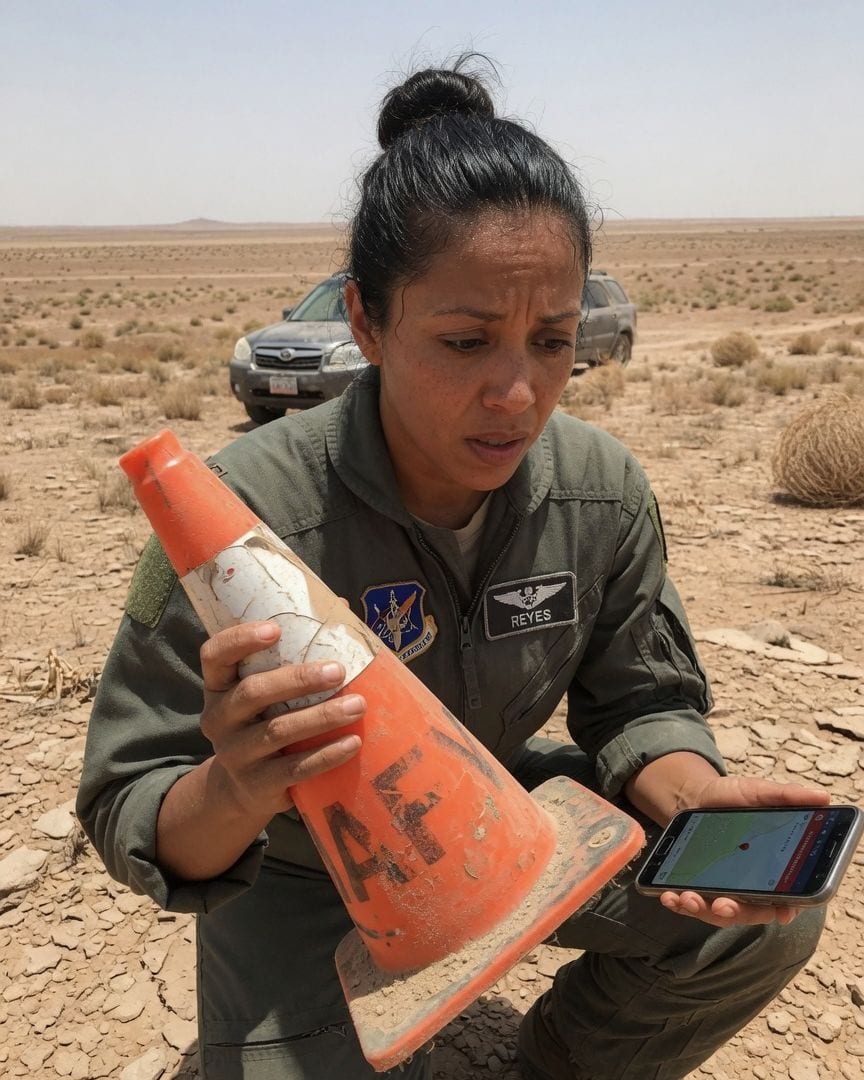
A fighter pilot's emergency landing saved her life, but the airfield was decommissioned in 2005. She found its official marker cone in the empty desert.
Captain Elena Reyes faced a dire situation: low on fuel and a storm blocking her home field, leaving one desperate divert option. A calm voice guided her to Outpost 73, and she landed her F-16 with immense relief, grateful for the lit runway and the man waving wands. However, her relief shattered when her home tower reported Outpost 73 had been decommissioned in 2005, its coordinates now just empty scrub. Faced with a career-ending inquiry, Reyes insisted on what she saw, driving to the desolate coordinates where a half-buried airfield marker cone proved her impossible landing was real. How could a ghost airfield leave physical proof?
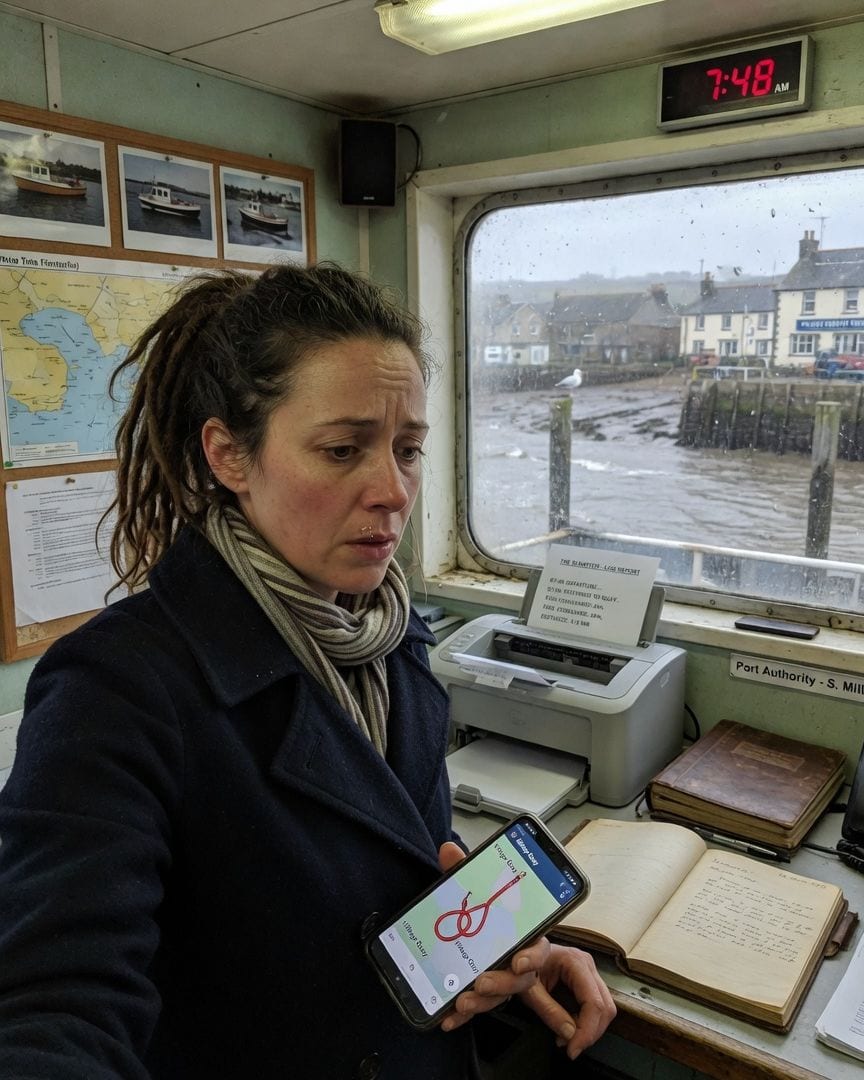
My morning ferry crossed for 40 minutes. The destination town just disappeared.
I board 'The Seawitch' every Tuesday for the familiar eight-minute estuary crossing. But this morning, after making good time, Captain Bernard and I watched the town quay simply fail to appear. Instead, our ferry repeatedly returned to the very same village quay we'd just left, despite burning fuel and advancing the clock.
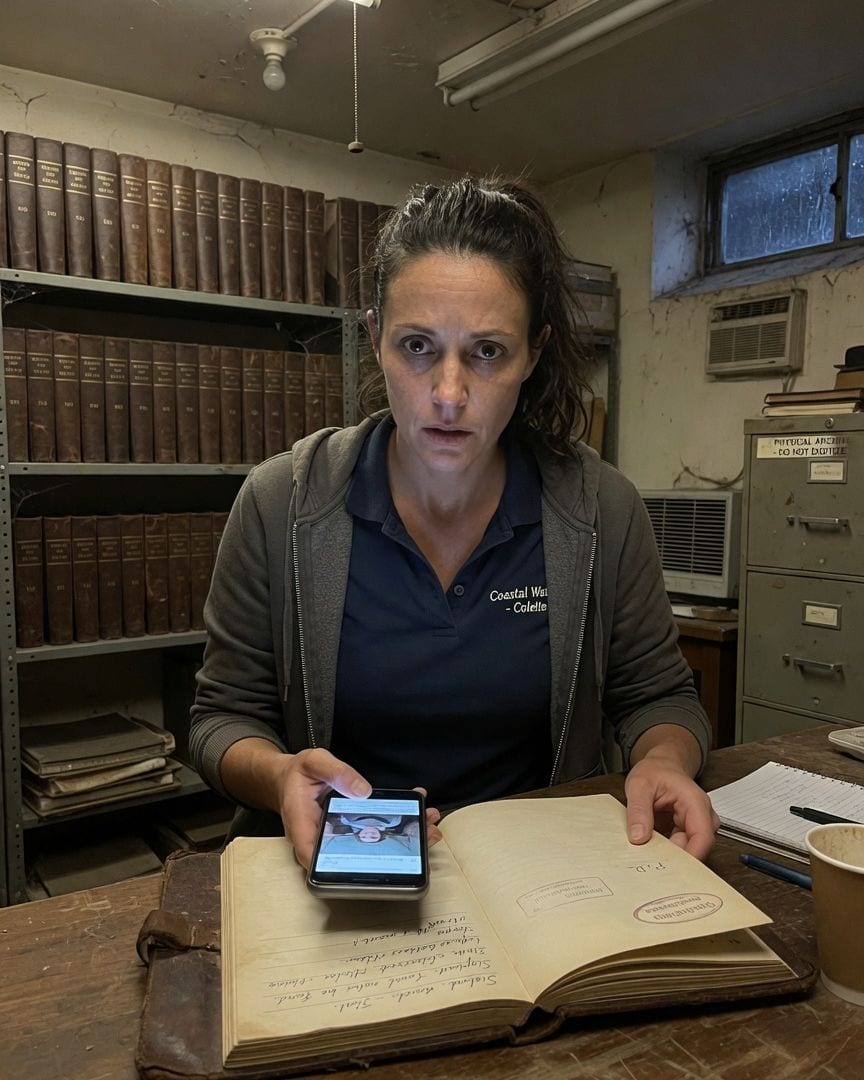
My coastguard log noted Sighting 9 again tonight, a light where no vessel showed. The old logs carry Sighting 9 off Skerry Point at 3:14am every tenth year since 1954, always 'nothing found,' always 'send no boat.'
On my watchtower night shift, the radar screen glowed green and the ocean was quiet. Then, a familiar light appeared off Skerry Point, exactly on cue, just as it had every tenth year for decades. But digging deeper, I found a hidden stamp in an old logbook: 'Operation Skerry. Status: Complete.' It left me with a chilling sense of finality.