 Declassified
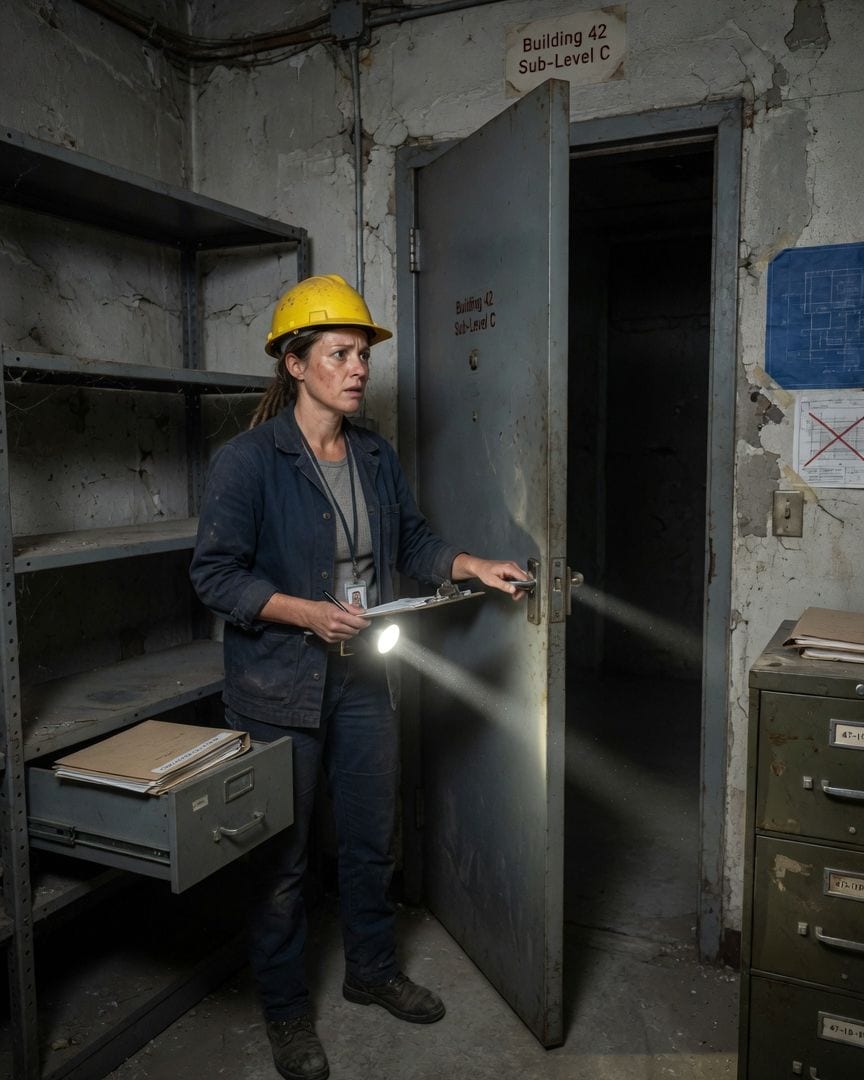
Dessa Kroll, a demolition worker, painstakingly cleared the sub-levels of a half-demolished federal building, her bad knee protesting every ladder descent. The profound silence of the lower levels was broken only by her pen, until she found an unmarked steel door in a wall that should have backed onto open air. From inside, a heavy thud made her pause. She pushed it open to find an archive containing files for a ship lost in 1968—but some documents were dated years later, and one bore her name for site access. What secrets was Building 42 truly hiding beneath its crumbling facade?
10 min read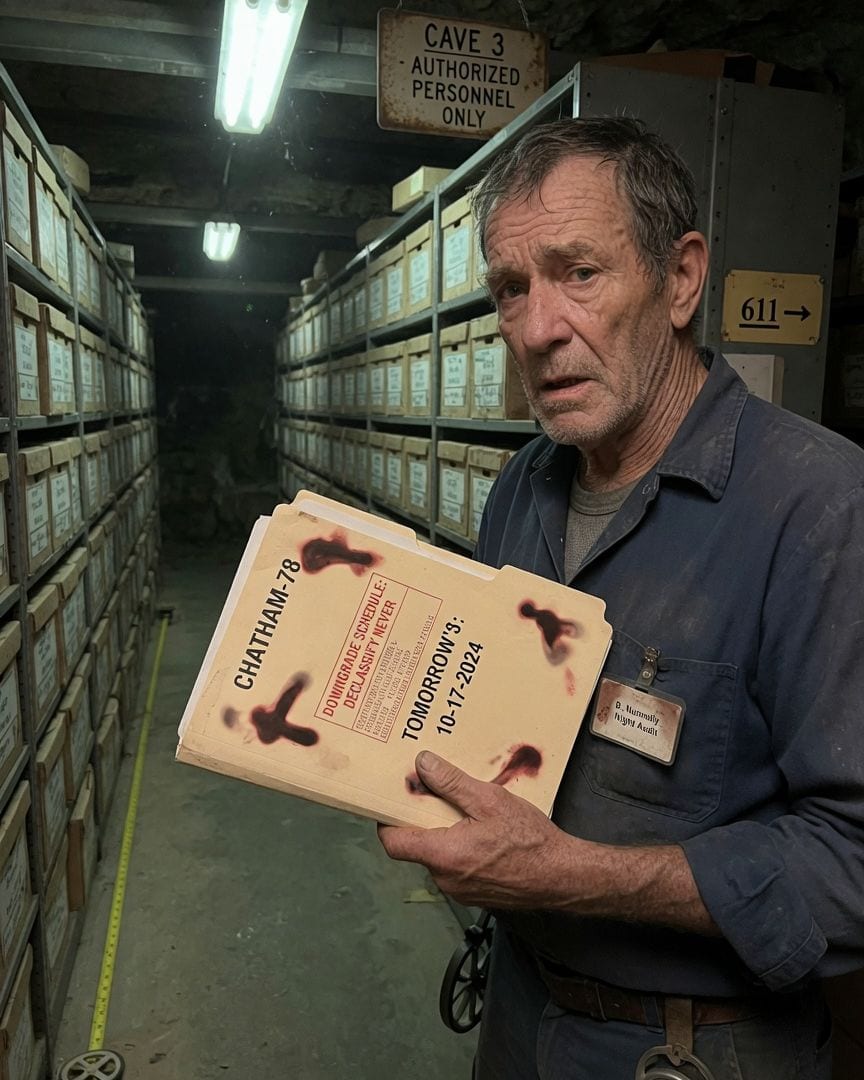 Declassified
Barrow Nunnelly, a methodical sixty-three-year-old burdened by a bad back, undertook the colossal task of auditing the Cheatham storage caves, which hadn't seen a full inspection since 1968. His measuring wheel in Cave 3, officially four hundred feet long, clicked to a stop at an impossible six hundred eleven, confirming an extra two hundred eleven feet of shelving that simply didn't exist. Among these newly discovered, deeply unsettling Cold War files, Barrow found documents with strange, organically curved redactions and an alphanumeric code from no known office, all stamped with a chilling classification: 'DECLASSIFY NEVER.' Yet, beneath that, printed in crisp black ink, was an official date that hadn't happened yet. It was tomorrow.
11 min read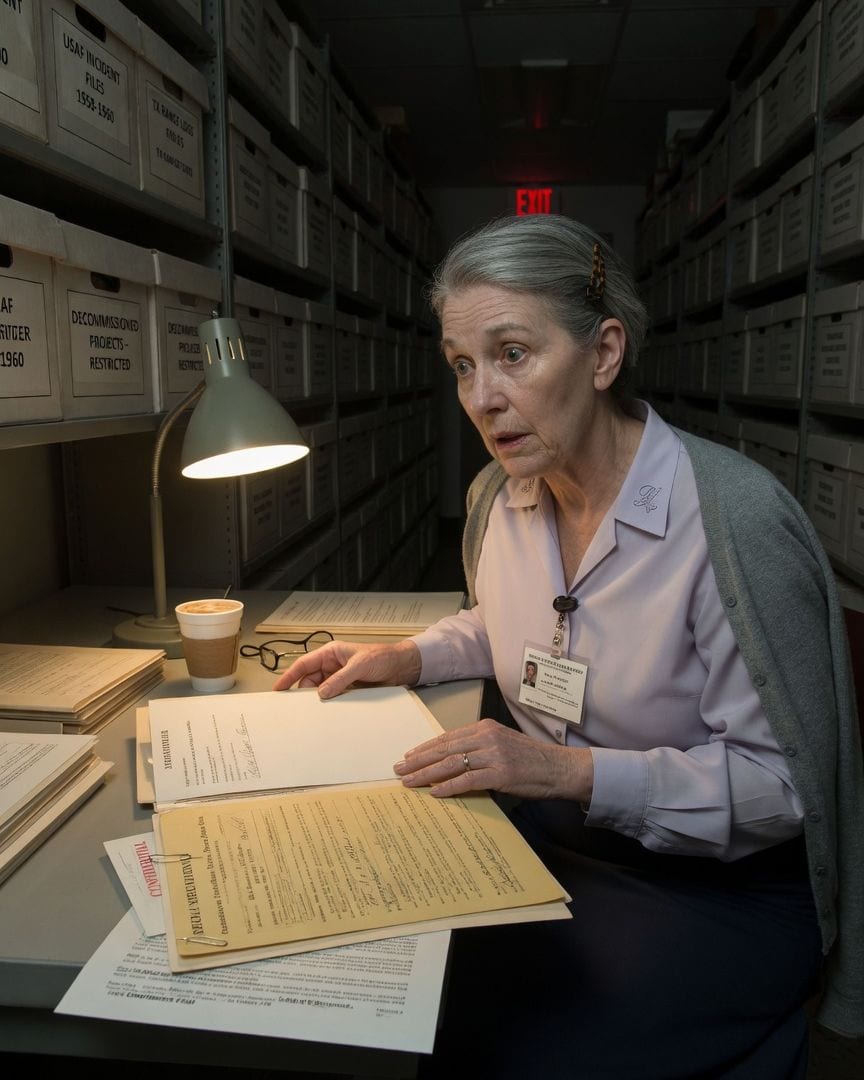 Declassified
Nearing retirement, archivist Rosalind Tate hoped to finally put a long-buried Cold War lie to rest. The shame of signing off on a physically impossible military crate in 1959 had haunted her for decades. In the hushed National Records Center, a declassification request brought her the very file she’d sealed, but instead of closure, she found a requisition for parts for the 'destroyed' drone, dated months after its crash. Then, a maintenance log detailed flight hours for the same unit, weeks later, signed by an officer who never existed. The file wasn't closed; it was chillingly, impossibly, active.
12 min read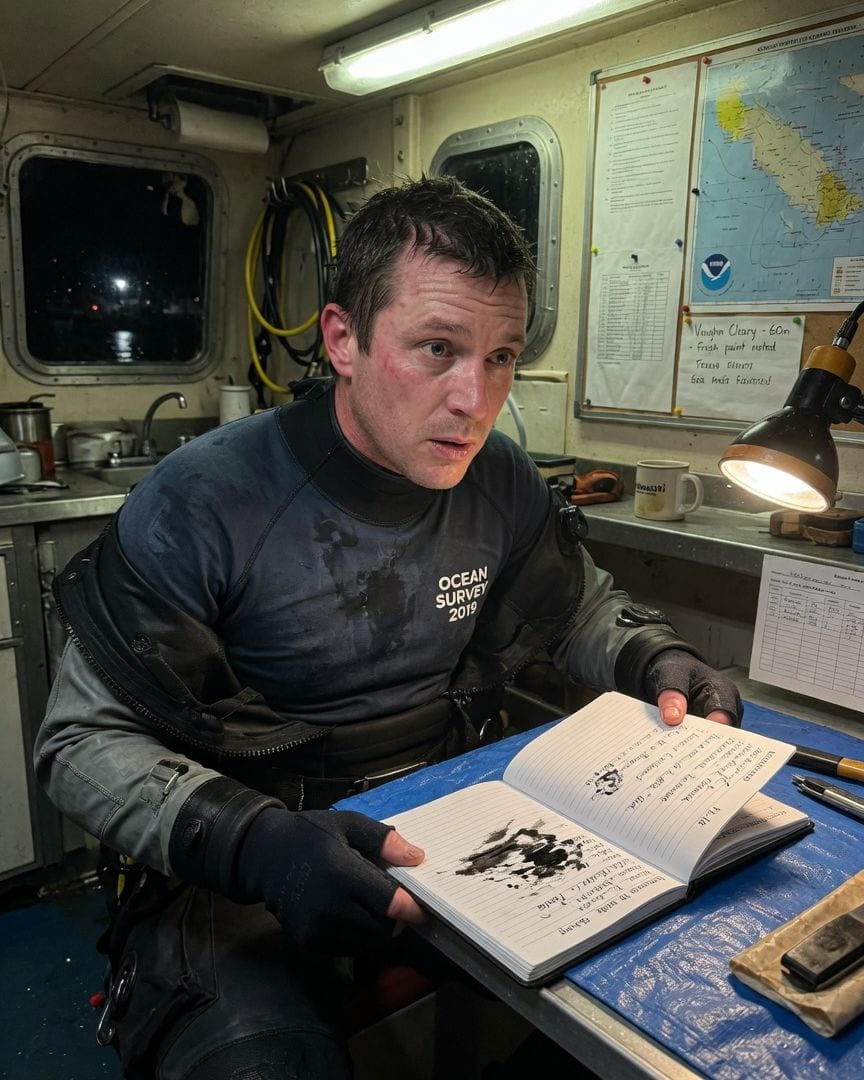 Declassified
Deep-sea diver Teague Orrin knew the ocean's cold, indifferent blackness intimately as he descended sixty meters to the transport ship Vaughn Cleary. He was there to uncover the mystery surrounding his grandfather, Howard, pulled from her crew list days before she sailed, never speaking of it again. Teague's light swept the hull, revealing impossibly bright, fresh white paint over marine growth, bearing his dead grandfather's distinct hand. Dismissing skepticism, he returned to the wreck, discovering a miraculously intact captain's quarters and a bolted-down safe. Inside, a logbook awaited, its pages remarkably preserved, holding entries that continued *after* the ship was lost, with today's date still wet on the ink.
10 min read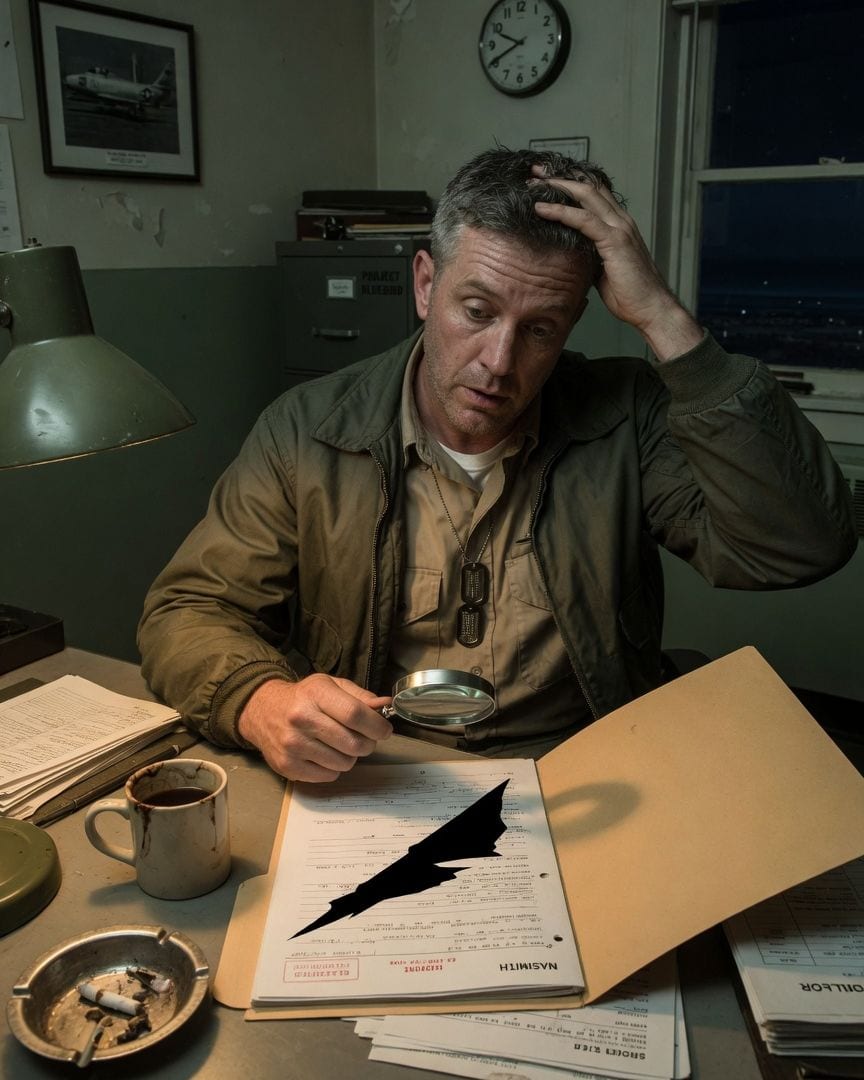 Declassified
Colonel Ward Naismith, an F-86 Sabre pilot, found himself haunted by an impossible pursuit over Lake Michigan in 1953. His flight lead's chilling whisper—that the silent, house-sized mass they chased wasn't fleeing but waiting—burrowed deep into his mind. Weeks later, reviewing the incident's classified file, Naismith discovered it was missing a page. But the true dread came from the final page: a block of blacked-out text, not a simple rectangle, but a jagged, geometric shape that felt unnaturally smooth, hiding a faint, ghosted control number beneath its surface.
9 min read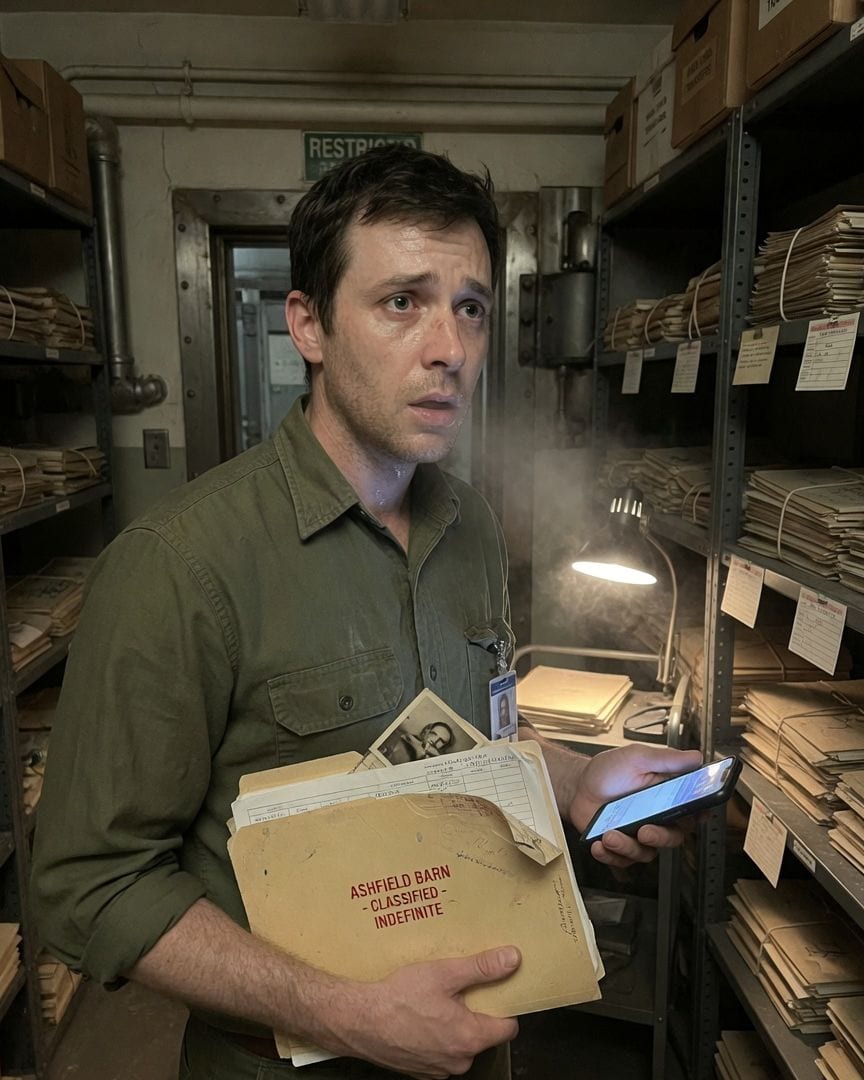 Declassified
Archivist Devin Mauch was on his last shifts, transferring files before Fort Loran’s vault closed for good. Tired and ready for his own move, he uncovered a slim, classified file about the Ashfield Barn. Inside was a sepia photo of a dilapidated shed, showing boot prints leading straight to its door, with none leading out. The official caption stated a 'subject' remained 'in custody, indefinite,' a status re-signed quarterly for eighty-one years, most recently just six days ago. Driven by a chill colder than the vault itself, Devin later found the shed, its dust-covered floor bearing the same impossible prints, and then heard a soft, almost imperceptible sound from its darkness.
9 min read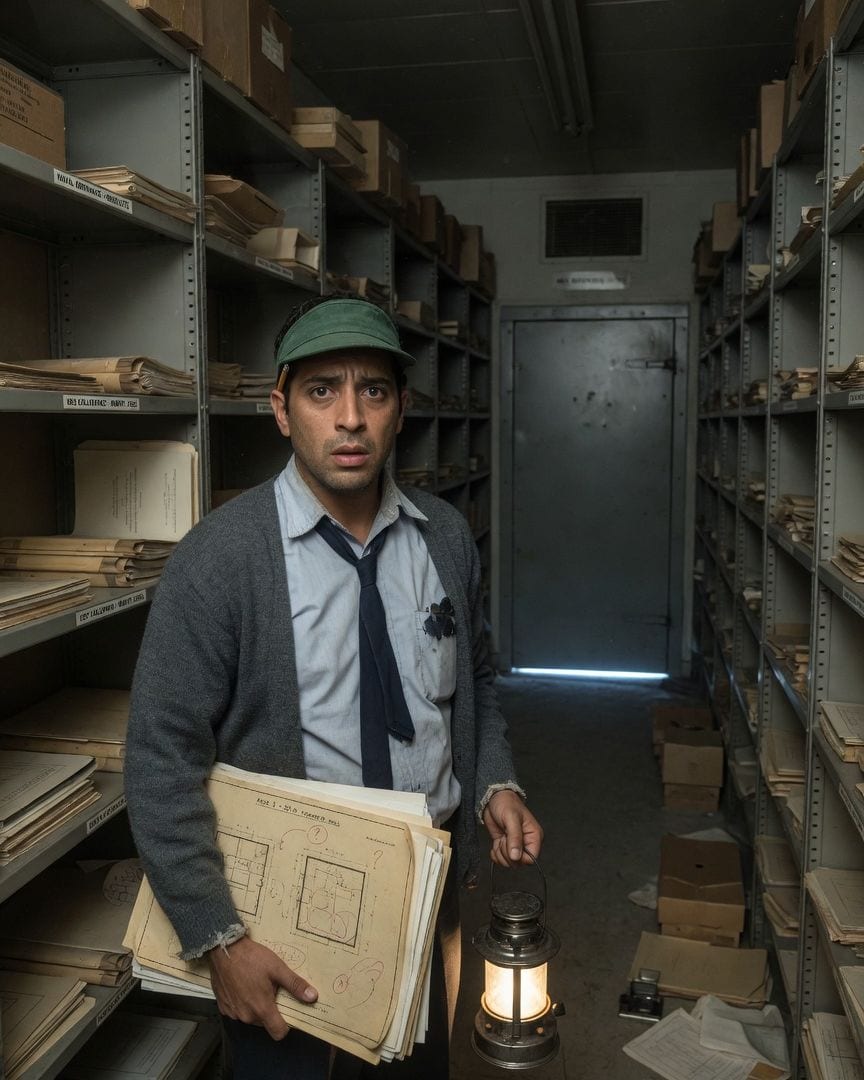 Declassified
Aurelio Bosch, a methodical night-shift clerk, worked through the Cheyenne records vault in Winter 1957, verifying shelf contents. He discovered an aisle forty feet longer than any blueprint showed, ending in a heavy steel door with no lock. From under it pulsed an unnatural light, and the unmistakable thrum of a printing press ran deep inside. Hours later, buried in old naval records, Aurelio found maintenance logs for a ship lost in 1943, meticulously dated into 1948 and signed by its dead crew. Then he found a new supply requisition for the same ship, dated just yesterday, signed by a crewman officially lost decades ago.
10 min read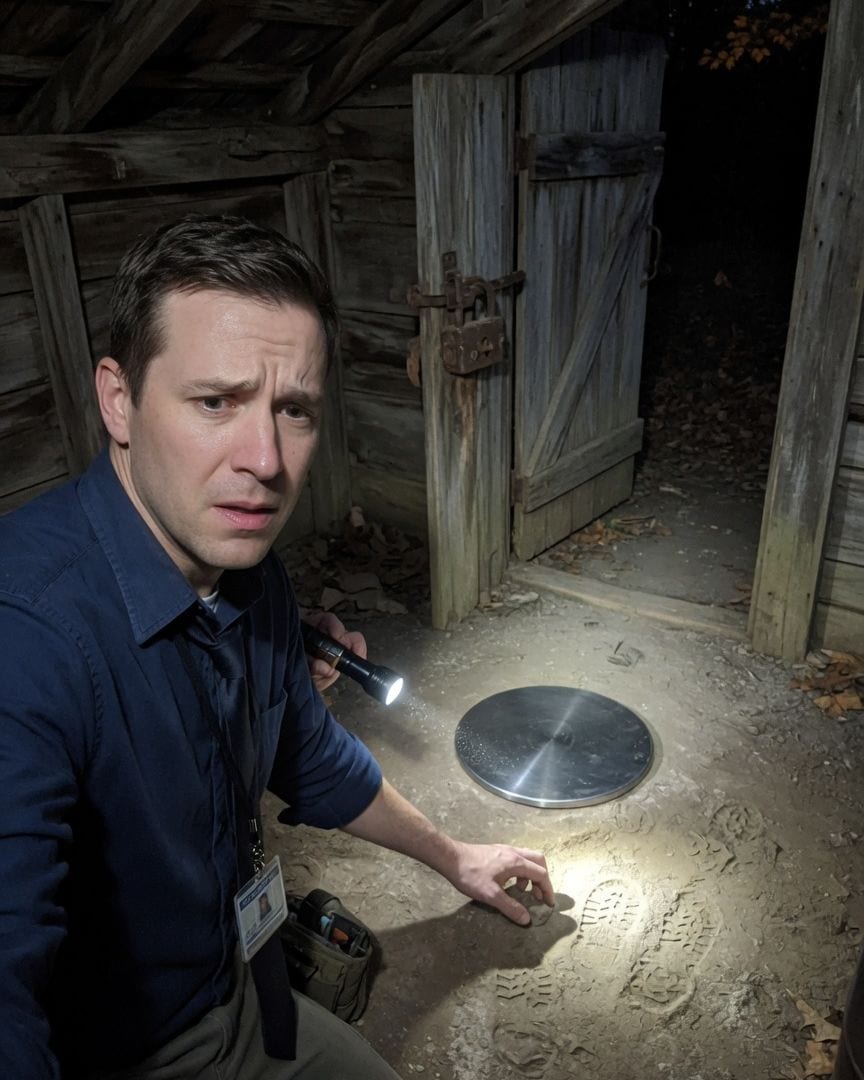 Declassified
Devin Mauch, a methodical archivist at Fort Loran, was meticulously preparing the last of the WWII bundles for transfer, relishing the quiet order of declassification in the hushed, climate-controlled vault. His calm was shattered when he discovered the Ashfield Barn file, a slim folder containing a single grainy photograph of a small, weather-beaten wooden shed. In the dust before its slightly ajar door, a clear set of boot prints led directly inside, but none led out. The chilling caption read: 'SUBJECT REMAINS INSIDE, IN CUSTODY, INDEFINITE,' with the entry re-signed quarterly for eighty-one years, the last signature just six days ago. The shed, he knew, stood less than four miles from his home, its ancient, medieval lock hinting at a secret far deeper than any rural incident. What, or who, had been kept in that shed for over eight decades, and why did its custody continue to this day?
12 min read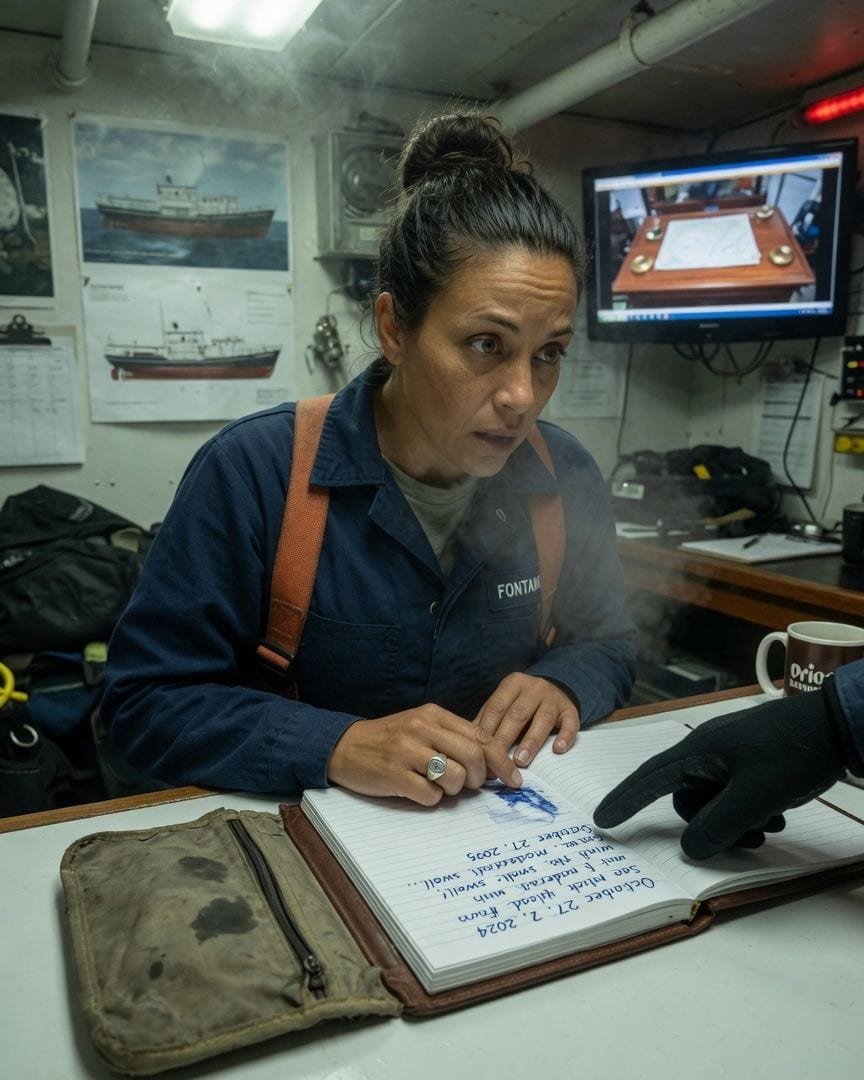 Declassified
Navy salvage officer Vivian Fontaine led the deep-sea recovery of the Hollis Wren, a survey ship lost forty years ago, finding it remarkably intact on the seabed. But inside, a nautical chart depicted new structures built decades after the ship vanished, and its hull was unnervingly clean of the expected forty years of growth. The true shock came in the captain's cabin: a sealed logbook with an entry dated October 27, 2024—today’s date—its deep blue ink still glistening wet, detailing current conditions at their exact coordinates. How could a ship lost so long ago carry a logbook written moments before its discovery?
11 min read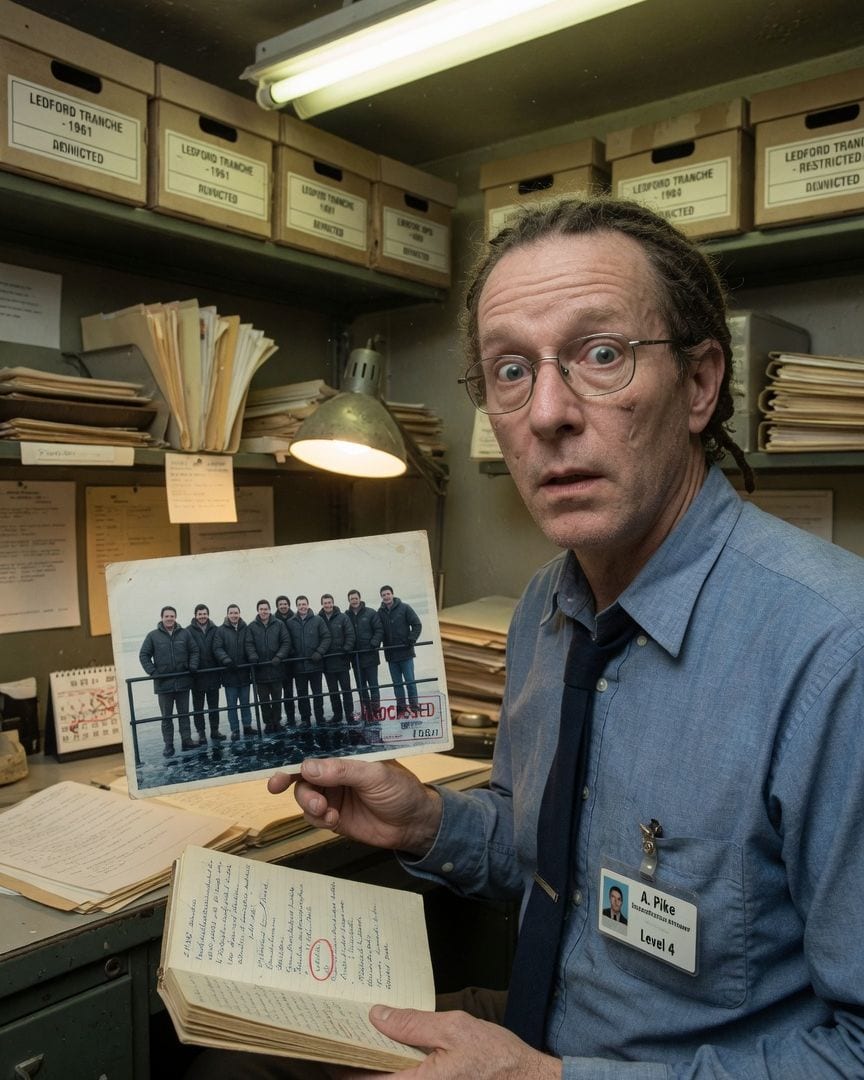 Declassified
Anson Pike, a declassification reviewer of two decades, felt his meticulous routine shatter in the cold Cheyenne vault. He closed files on eight men officially lost under ice in 1961, a tragic but routine case, until a single photograph surfaced. It showed the same eight men, smiling widely on a frozen lake, yet its processing stamp was dated 1983—twenty-two years after their disappearance. Behind them, a long, dark wake marred the ice, suggesting something immense had recently passed across the impossible scene.
10 min read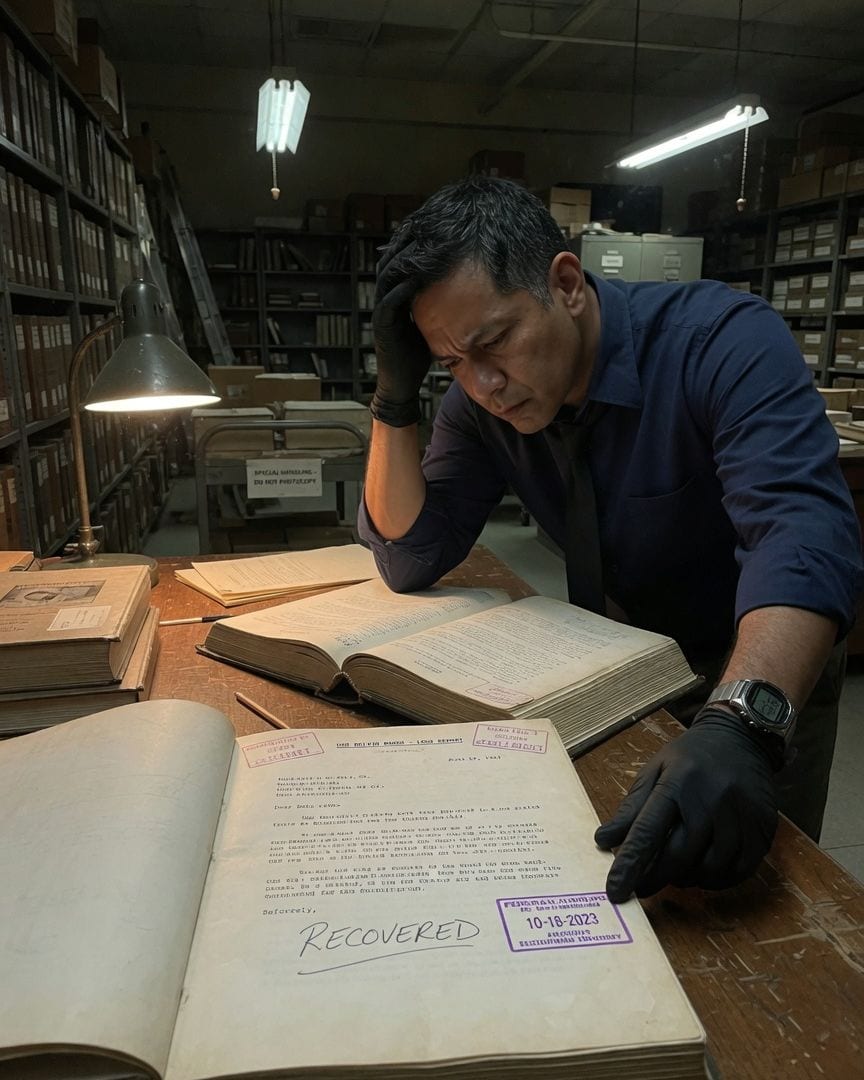 Declassified
Lieutenant Sam Ferro, a federal investigator, has only until Friday to explain an impossible detail in a 1964 Cold War loss report. In the hushed federal archive, he discovered the six-hundred-page document for the USS Delvin Marsh bore a hand-inked line: 'RECOVERED.' Beside it, an official stamp carried tomorrow's date, its ink impossibly fresh. As Ferro investigated the archive's records, he found no trace of the stamp, only a long-forgotten 'Special Handling' protocol, detailing 'Asset Integration' and 'Personnel Reclassification' for 'recovered' units. Why would a decades-old loss report suddenly reference a future recovery?
14 min read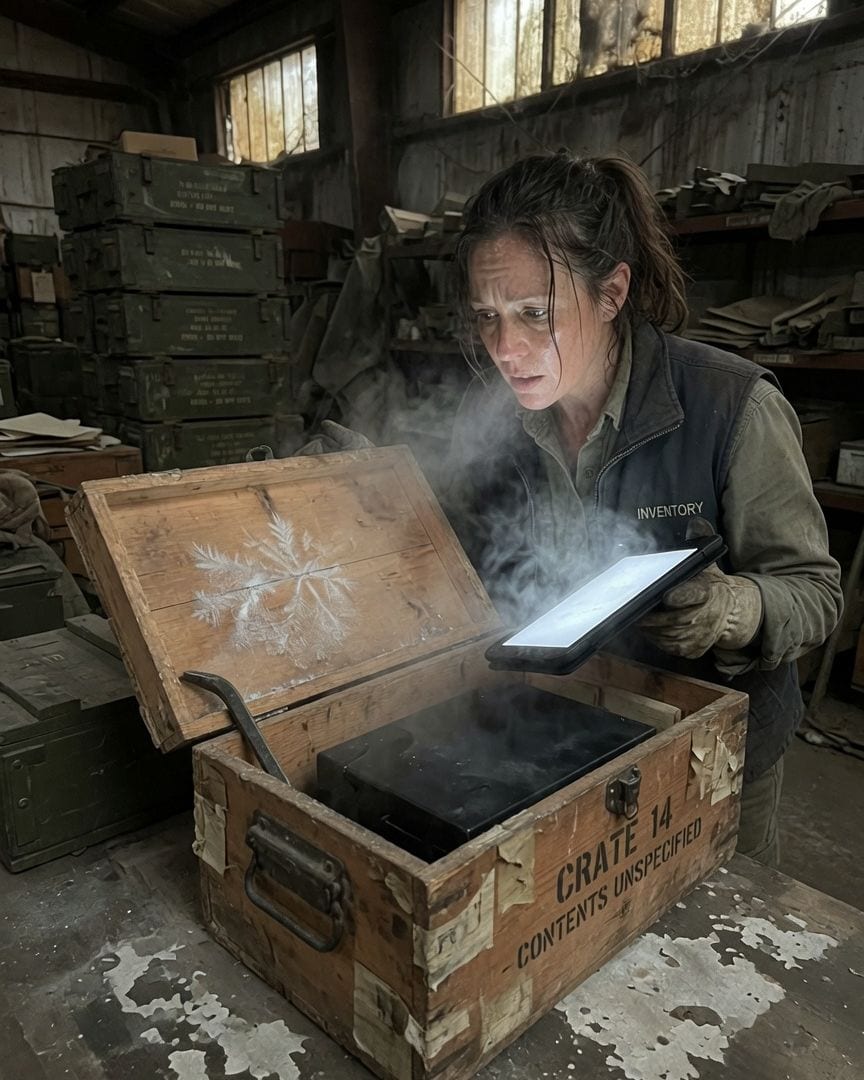 Declassified
Inventory clerk Deborah Kessling faced a race against time, cataloging the final items in a condemned military warehouse before its demolition on the twelfth. Amidst forgotten equipment, she discovered Crate 14, radiating an unnatural, bone-deep cold that had scarred the concrete beneath it for decades. Its sparse file hinted at a 'flying disc' entry from 1948, later struck through, and an unbroken chain of signatures every ninety days for sixty years. When Deborah finally forced open the ancient lid, a metallic, obsidian object pulsed with a low hum, its cold intensifying, coating the inner lid with frost. What ancient secret had the military meticulously guarded for so long?
12 min read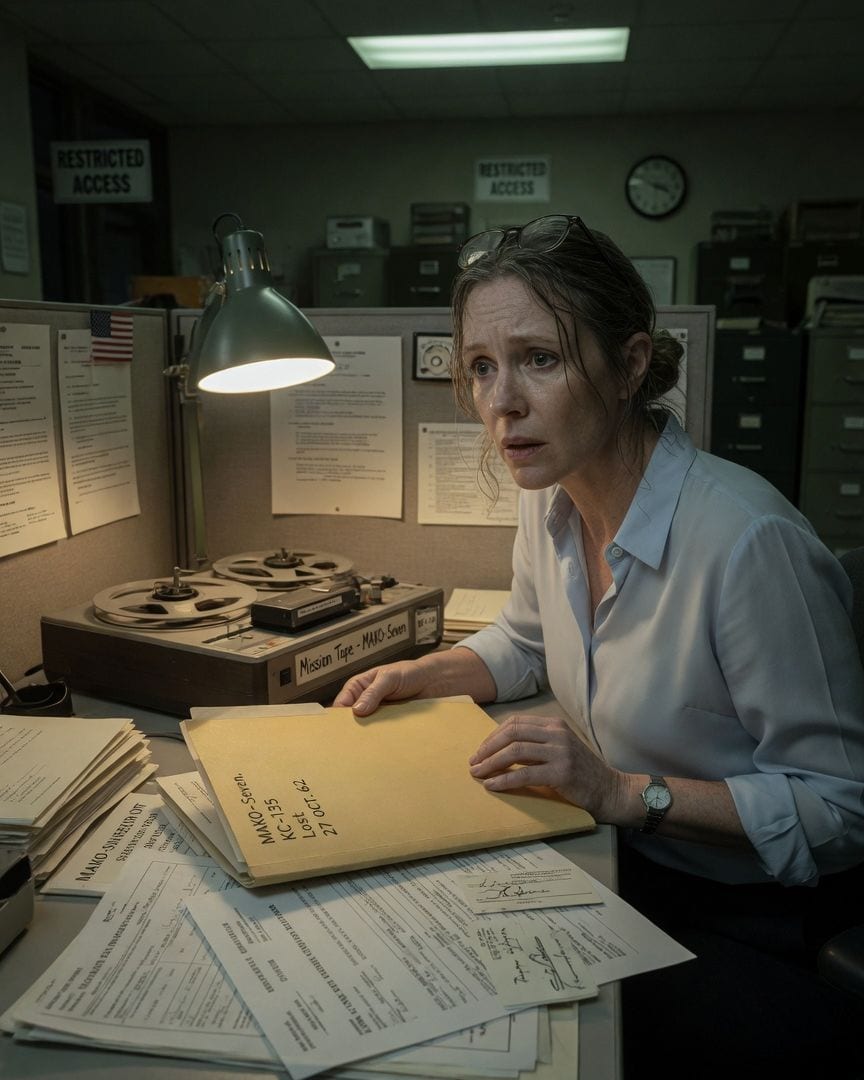 Declassified
Janet Kingsley, a declassification reviewer, was processing a routine request for a lost Cold War mission when she made a chilling discovery. The official report stated the KC-135 MAKO-Seven impacted the Labrador Sea in 1962, but its mission tape continued for nine minutes after the official crash, with the pilot calmly landing. As Janet dug deeper into the yellowed file, she found official documents for the aircraft and pilot dated years after its disappearance. The final discovery was a requisition for replacement parts, signed by Captain Thomas Sowell himself, a full sixteen years after his plane was officially lost and he was declared dead.
10 min read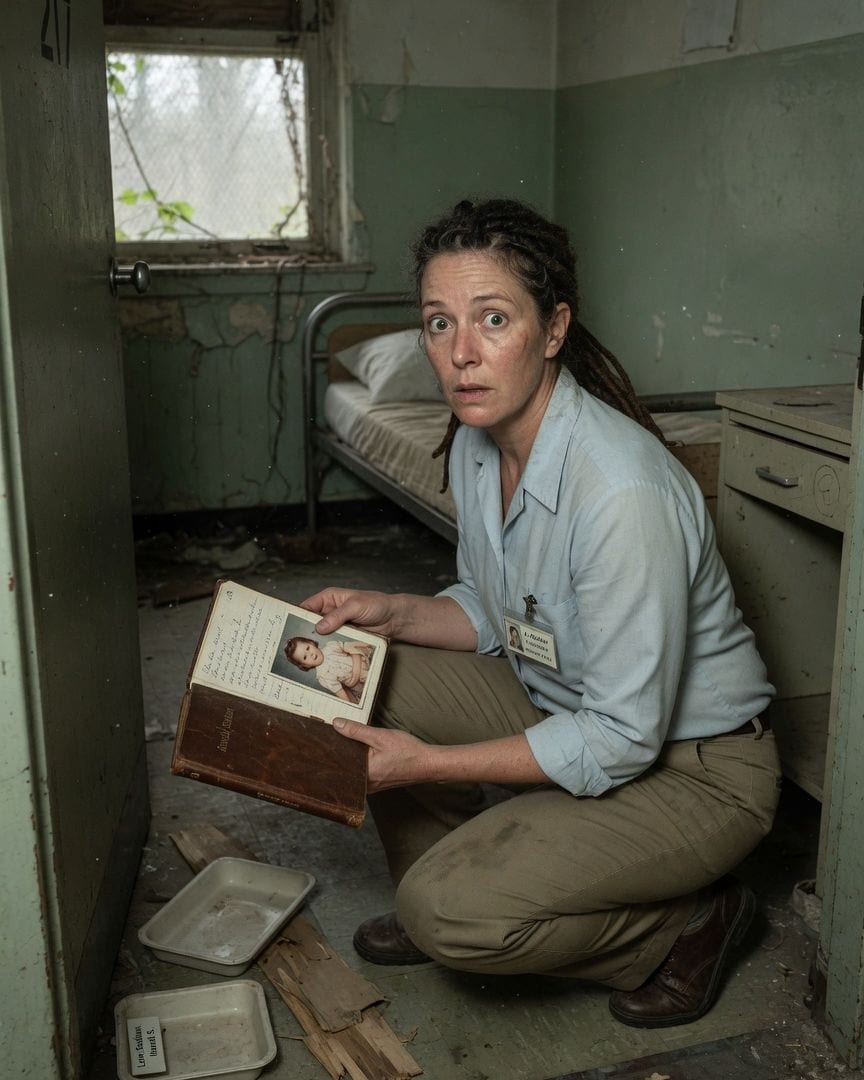 Declassified
An Army records clerk named Odette Cardew found routine comfort in the archives' dusty quiet, a place that also held the official record of her father, Harold Sutton, who died in the Korean War when she was two. One morning, a declassified medical release with his name appeared, but the bill was dated last month, from a sanatorium in the Ozarks. The facility had closed in 1968, yet the account was active. A chilling handwritten note asked, "Patient asked, again, whether his daughter had come." Driven by dread, Odette visited the crumbling, overgrown sanatorium, where in Room 217, she found a recent meal tray and her father's journal, holding a photo of her as a child and a question dated just last week: "Did she come?"
12 min read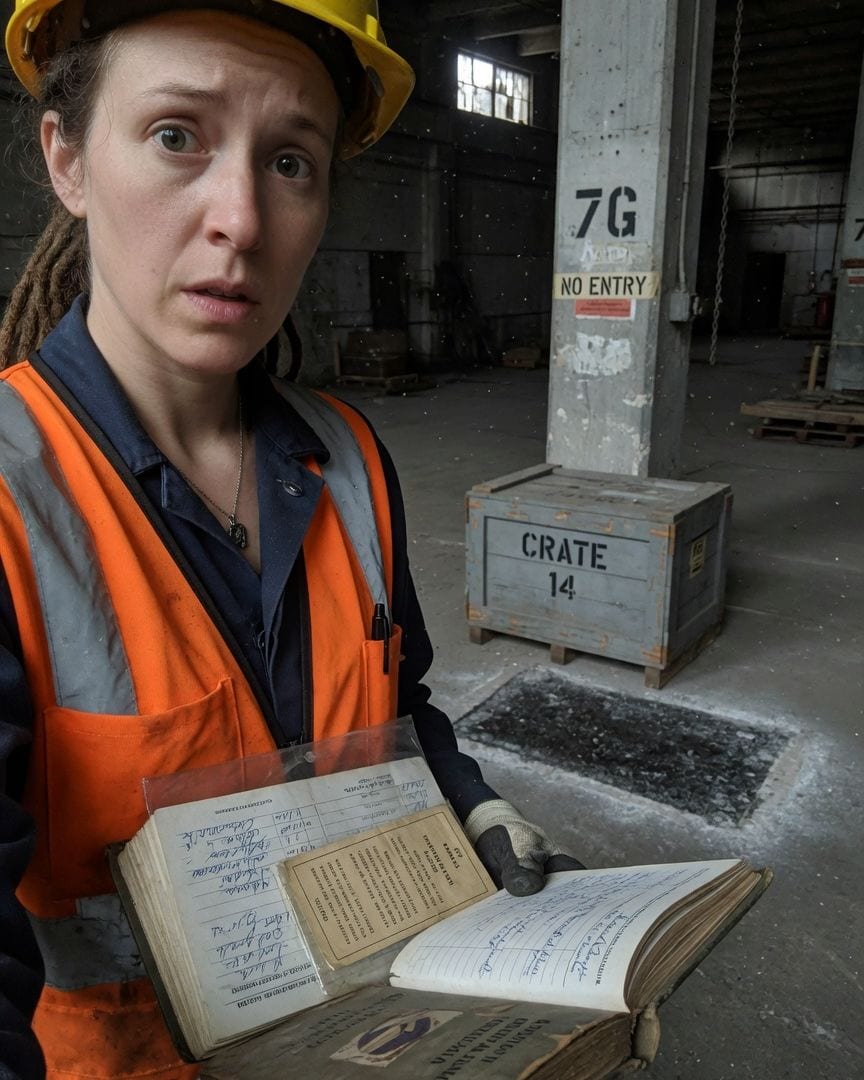 Declassified
An inventory specialist, Deborah Kessling, raced a demolition deadline for a vast Carolina military warehouse, shuttered for years with its employees gone over a decade prior. Her final task was to log its forgotten contents. In a shadow-choked corner, she found Crate 14, radiating an impossible, decades-old chill. Its attached logbook showed a recent maintenance entry from 'Last week,' signed by a civilian contractor no one should have been, yet meticulous quarterly signatures stretched back sixty years, an unbroken chain of checks, even as the paper itself grew cold in her hands. What impossible secret had been so carefully maintained in this forgotten place?
14 min read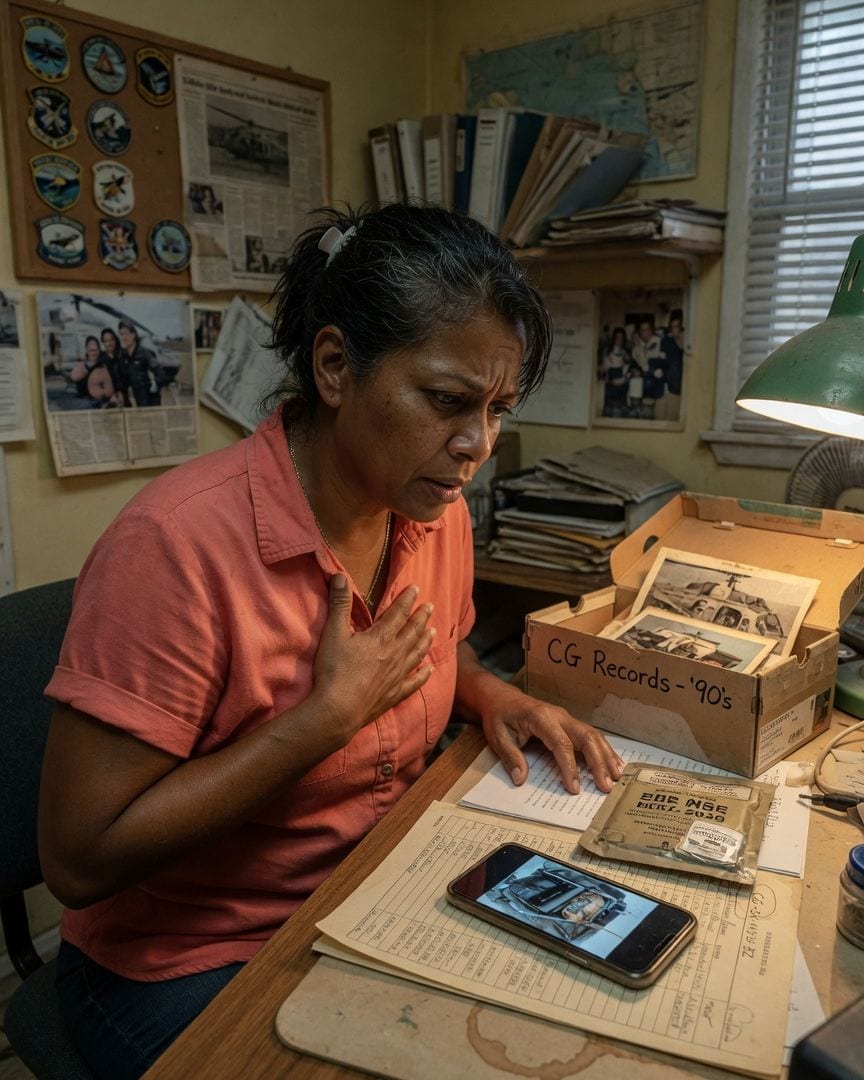 Declassified
Retired Coast Guard pilot Ada Mireles thought her days of search-and-rescue were long past, but a call about a shrimper's net dragged her back to a decision that had haunted her for decades: the lost helicopter Dune Two. On a humid Texas dock, she found Dune Two's corroded seat pan, and inside its emergency kit, surprisingly pristine MREs. Ada's breath hitched as she traced the printed date on the ration packet: "EXP: 2034" – an impossibility, as she had personally packed that very kit in 1993 with MREs that didn't even exist yet. Every rational explanation failed, and the dread tightened its grip, leaving her to wonder how a kit she sealed decades ago could hold food from the future.
13 min read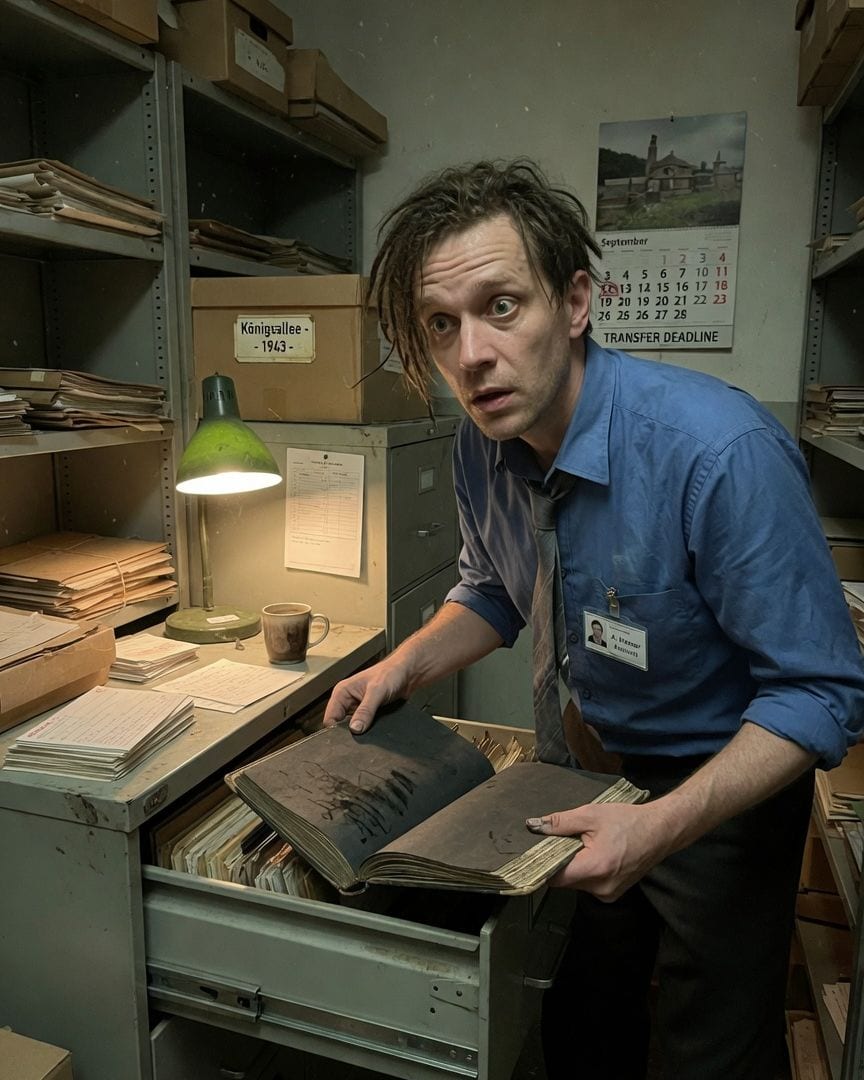 Declassified
Ansel Vidmar, a methodical researcher, felt the pressure of a looming deadline. The municipal transfer of the old Berlin archive was days away, and he still had countless documents to categorize amidst towering stacks of forgotten history. His focus narrowed to an unindexed metal cabinet, revealing records for a garrison company at Königsallee – an address that had been a vacant lot since the war. A punishment log inside listed an entry from 1983, a date far too recent for a non-existent building. When Ansel visited the site, he found only overgrown grass, save for a single, eerily clean concrete doorstep emerging from the earth. His unease solidified into dread when he later uncovered a hidden Quartermaster's Log, meticulously detailing supplies for the same barracks, with entries extending to "last month," the final page's ink still faintly wet. What unseen operations were still being maintained?
11 min read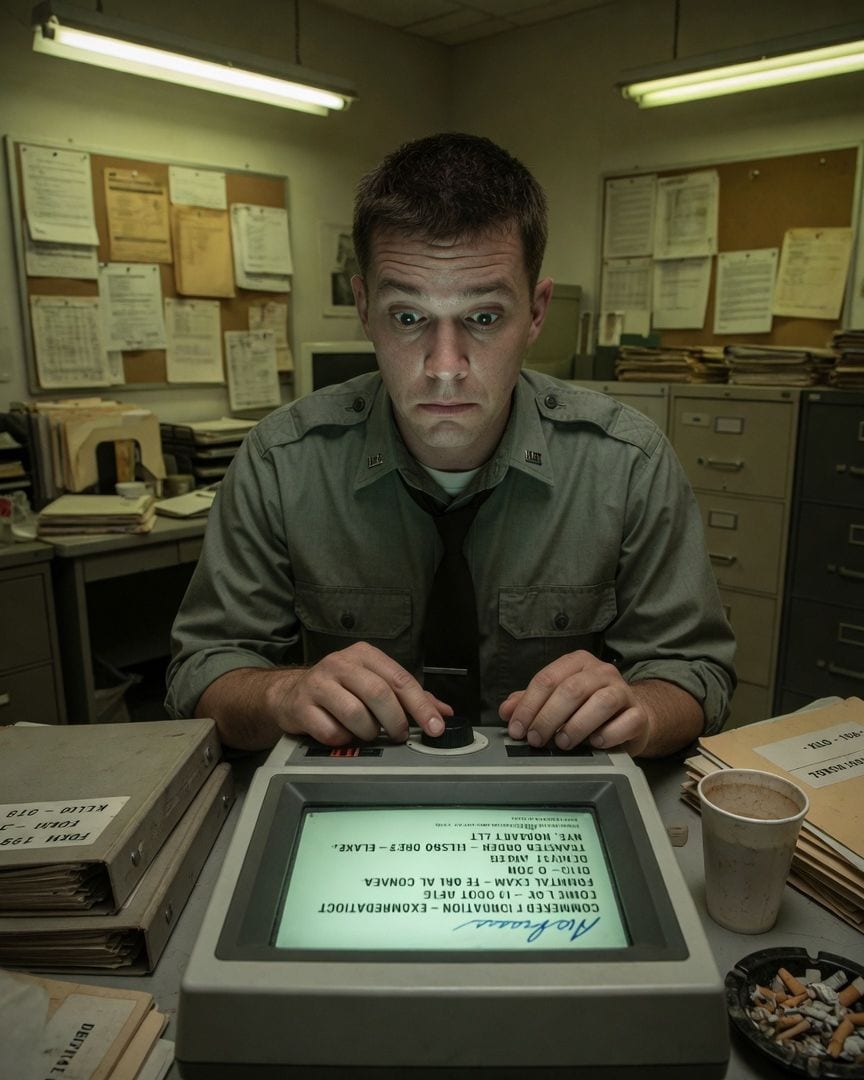 Declassified
Second Lieutenant Hobart Nye, a missile commander in Wyoming, had his quiet 0247 watch shattered by a security report: a massive, silent black triangle hovered over Launch Facility Kilo, casting a perfect shadow. Hobart watched his console's fault panel light up, signaling all ten nuclear missiles going dark in an impossible silence, followed by eleven minutes his security team could not remember. Official logs called it a "radio malfunction," but Hobart found a requisition for invisible-tracking sensors, signed by a base commander who was supposed to be off-base. The final, chilling discovery came when his own service record showed new entries—a dental check-up, a transfer to Alaska—all dated for a future he never lived, complete with his perfectly replicated signature.
12 min read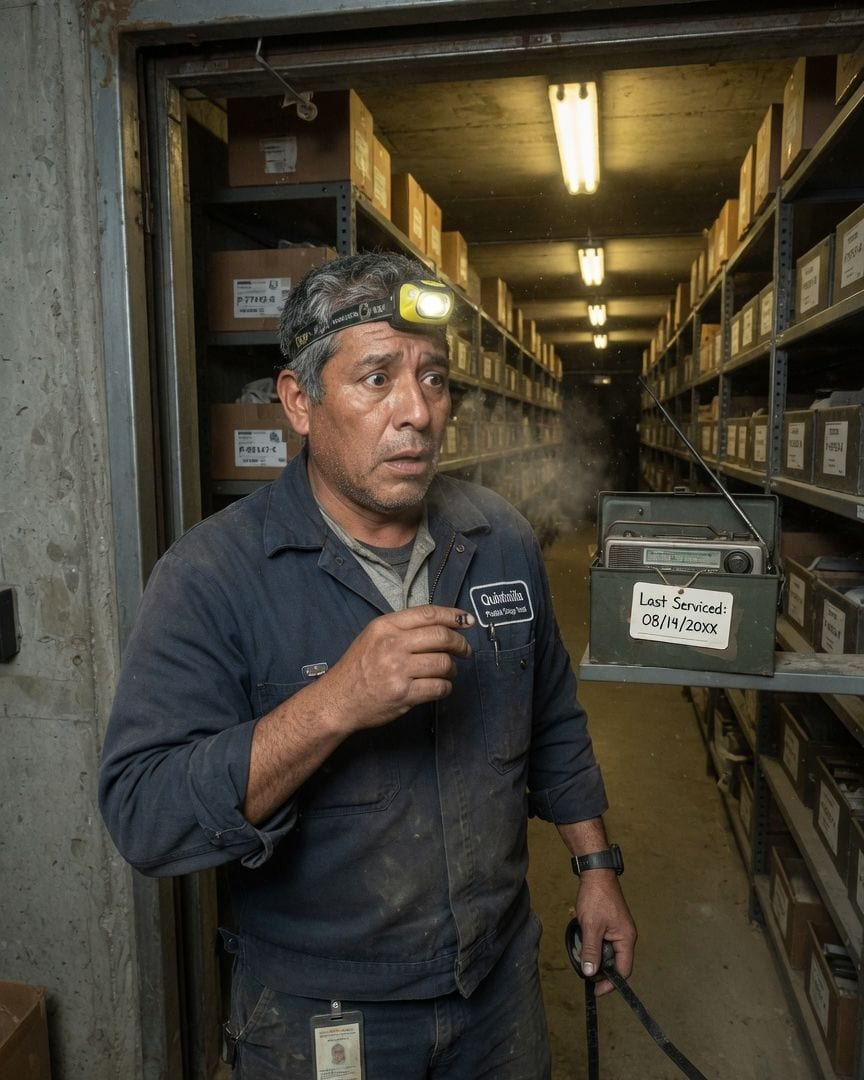 Declassified
Salvador Quintanilla, one of the final two men at the Pueblo storage yard, was tasked with clearing Igloo 7, the last bunker before the facility's imminent closure. As he rolled back the heavy steel door, he discovered not an empty space, but metal racking extending impossibly far past the concrete wall, under the empty prairie, lit by a wan, humming light. Venturing into the profound chill, he found an old field radio with a service tag dated three years in the future, its dark ink still wet to the touch. The radio hummed faintly in his hands, and from deep within the impossible corridor, a metallic click echoed, confirming he was not alone.
10 min read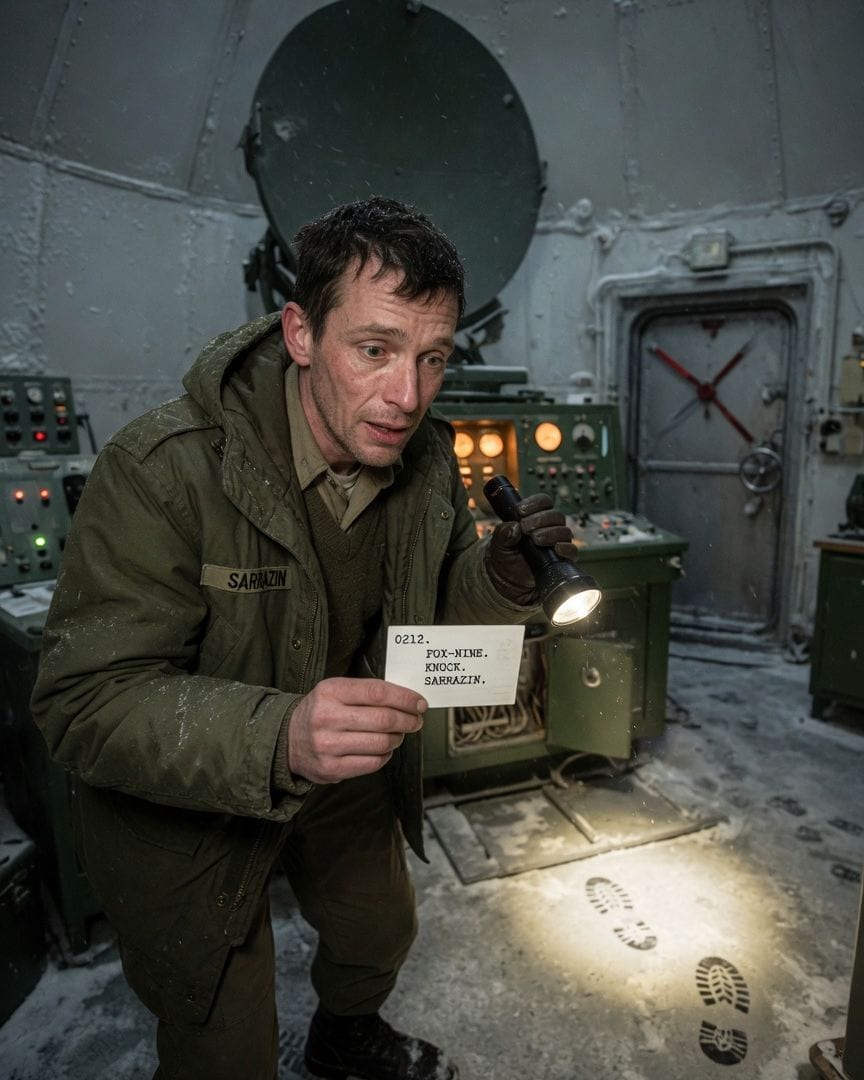 Declassified
Airman Ludo Sarrazin was nearing the end of his isolated year-long tour at DEW site FOX-Nine, surrounded by the Arctic dark of 1959. His only comfort in the vast silence was the steady hum of his radar equipment, but for nine nights, an impossible rhythm had joined it. Every night at 0212 UTC, a mechanical knock grew closer, until Ludo found a service ladder standing alone in the snow, shockingly warm. Yet, as he stood there, the knock came from *inside* his secure, sealed radar dome, where he had been alone for months.
9 min read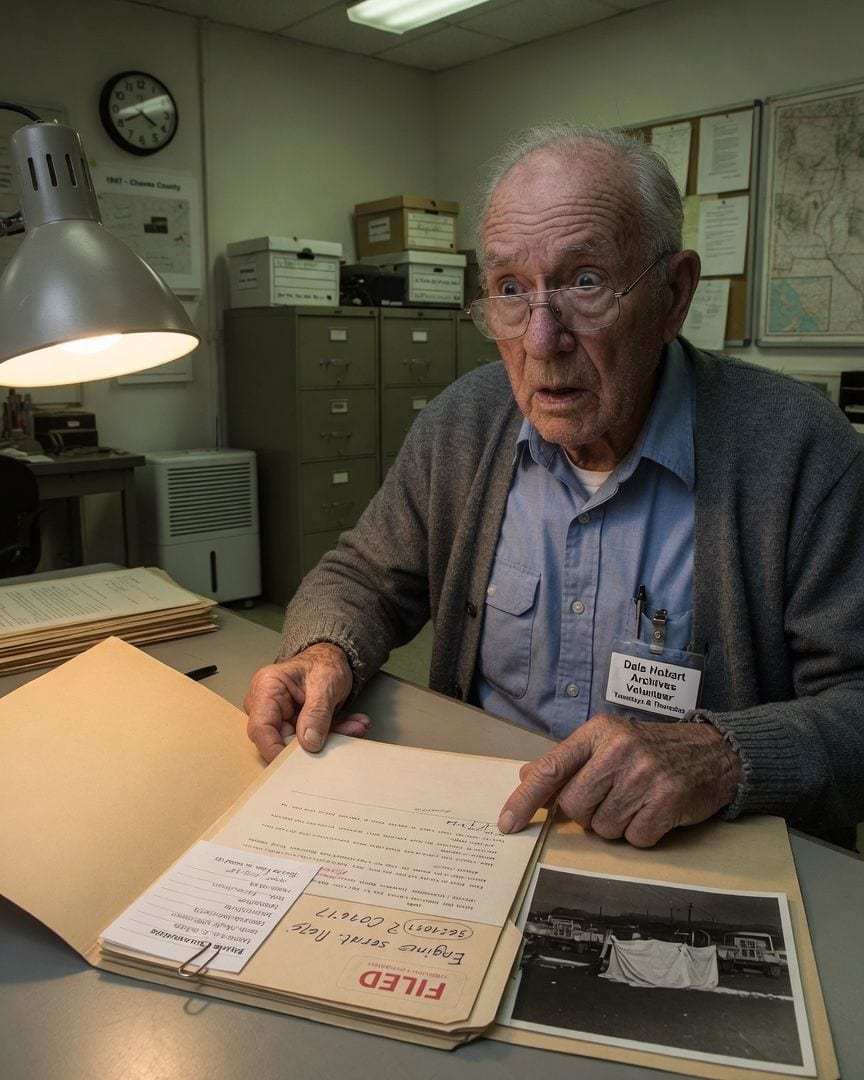 Declassified
Sergeant Dale Hobart was nearing the end of his enlistment in 1947, weary of the dusty New Mexico scrubland. He stood guard over a canvas-covered shape in a remote pasture, the ground unnaturally warm, while the farmer wondered who had called it in. Decades later, volunteering at the National Archives, 85-year-old Hobart unearthed a faded file: 'Project Nightingale - Chaves County Anomaly - March 1947'. Inside, Lieutenant Fontaine’s neat script detailed an engine serial number from a jet not conceptualized for another decade. Then Hobart found his own service number on a 'special recovery team' manifest fifty miles away, on the exact same impossible date and time.
10 min read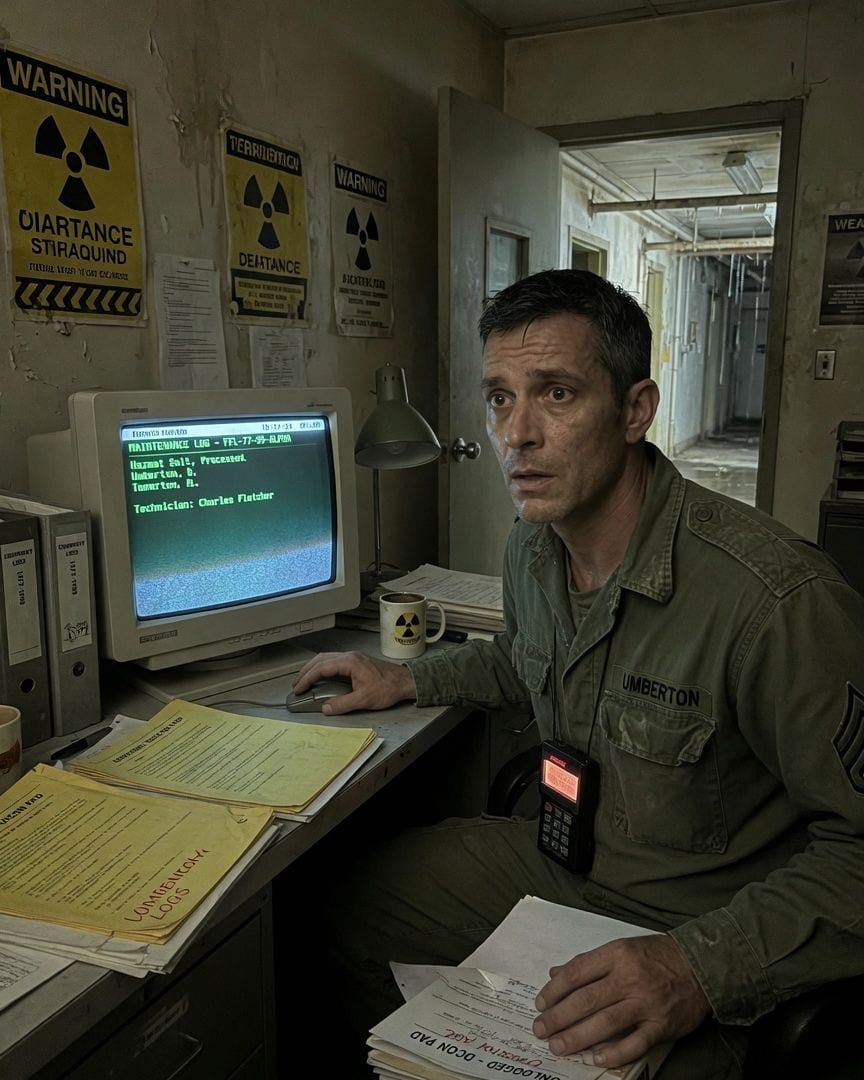 Declassified
Sergeant Blaise Umberton walked his final shift at the soon-to-be-shuttered Ferriday Flats decontamination pad, the predawn air thick with ozone and the heavy silence of a closing era. His peace with the desolate site shattered when he discovered a hazmat suit, glowing faintly and shrieking on his Geiger counter, laid out with his own name stitched perfectly on the breast. Dismissed as a prank by his superior, Umberton followed protocol, but a cold dread compelled him to check the digital records of the facility's Cold War bureaucracy. There he found an entry for a hazmat suit processed under his name, dated for *tomorrow*, and signed by a technician who had retired a decade ago.
11 min read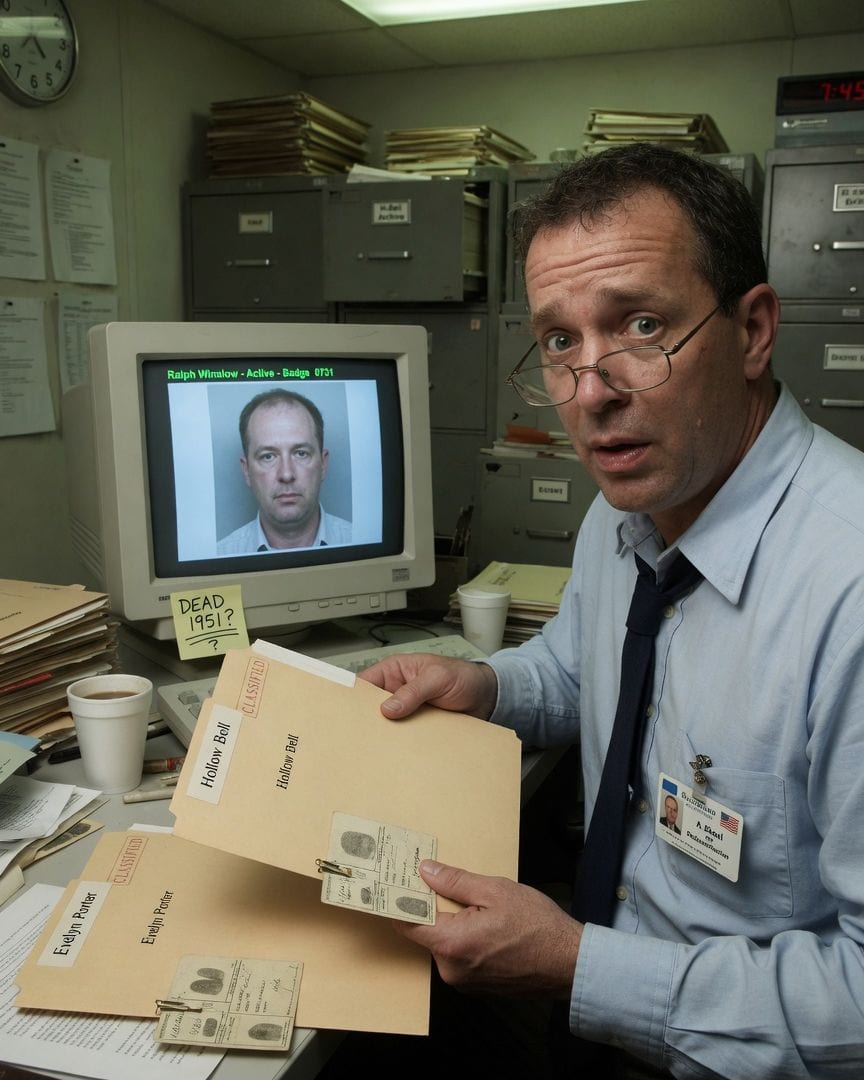 Declassified
Anton Skeel, a declassification reviewer, hoped his tedious work on old Cold War files would finally lead to an early retirement. He stared at a folder for 'Hollow Bell' containing a fingerprint card from 1958 for a man named Ralph Winslow, who was reported dead in 1951. Out of professional pique, Skeel ran the prints, only to find Ralph Winslow currently employed and badged into the building that very morning. The employee photo, however, was a complete stranger, attached to a file that insisted the man was both seven years dead and decades active. Now, a second impossible file has surfaced, revealing another 'returned subject' reported lost at sea, whose photo also belongs to a stranger.
9 min read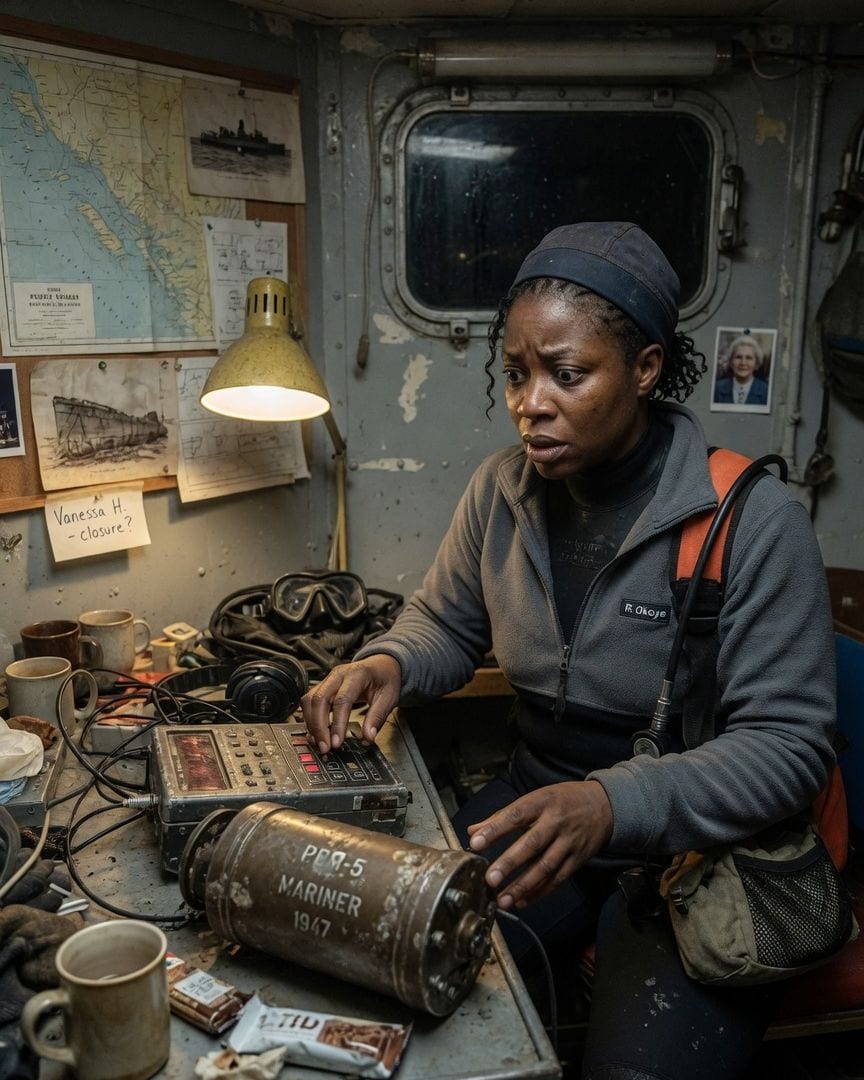 Declassified
Salvage diver Ruthann Okoye plunged into the murky, cold Puget Sound, hoping to find closure for a pilot's granddaughter exploring a 1947 patrol bomber wreck. As her lights cut through the gloom, she discovered the bomber's bomb bay doors wide open and its ordnance racks meticulously empty. Her dread deepened finding all six arming pins neatly collected in a canvas bag, implying precise, unhurried removal before the plane went down. But the true unease arrived with the flight recorder, where the pilot's calm voice stated, 'Transfer confirmed,' just before an unsettling mechanical thump-thump-thump began. What was transferred from a plane supposedly lost in a gale?
11 min read