 Declassified
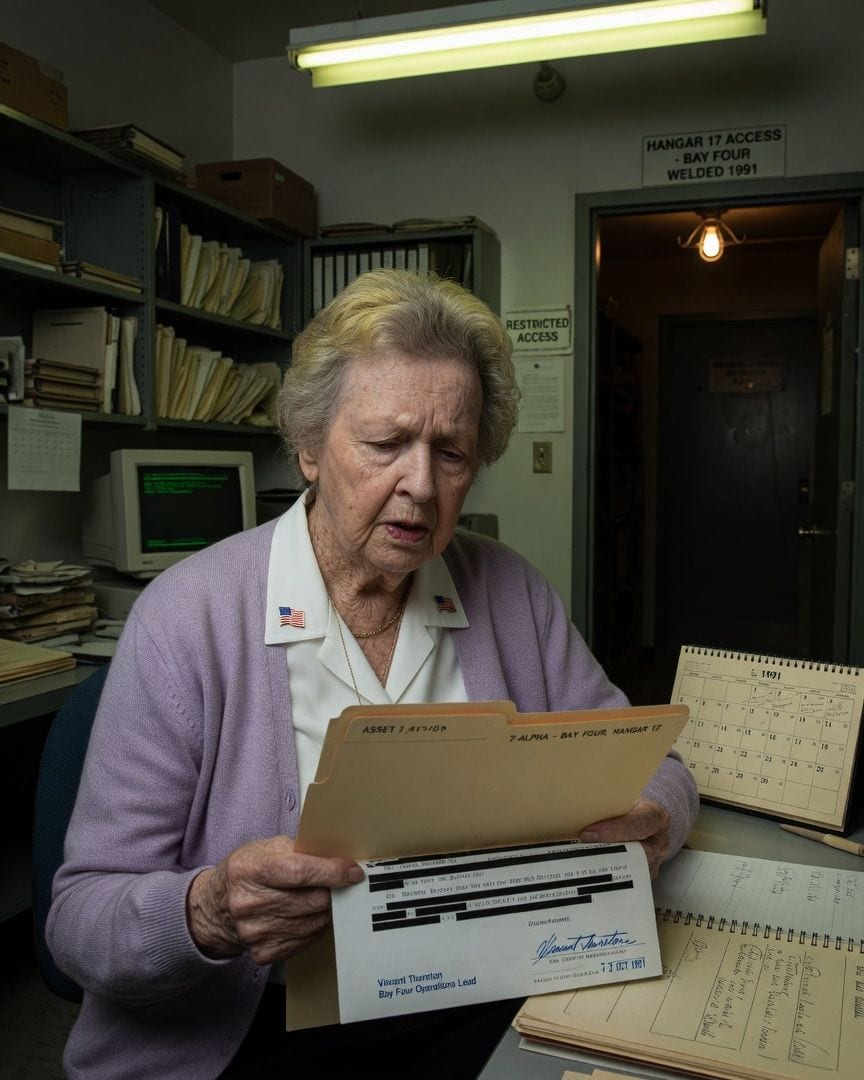
Master Sergeant Ada Coyle was in her final week before retirement, overseeing the sealing of Bay Four in a massive Ohio depot hangar. A burly welder, Vincent Thornton, worked in grim silence, running thick beads of molten metal across the great door. Ada signed off, expecting it to go cold and silent within an hour. But for five nights, a faint, rhythmic ticking echoed from the sealed bay. Thirty years later, the ticking still bothered the retired Master Sergeant, a question that refused to be silenced.
10 min read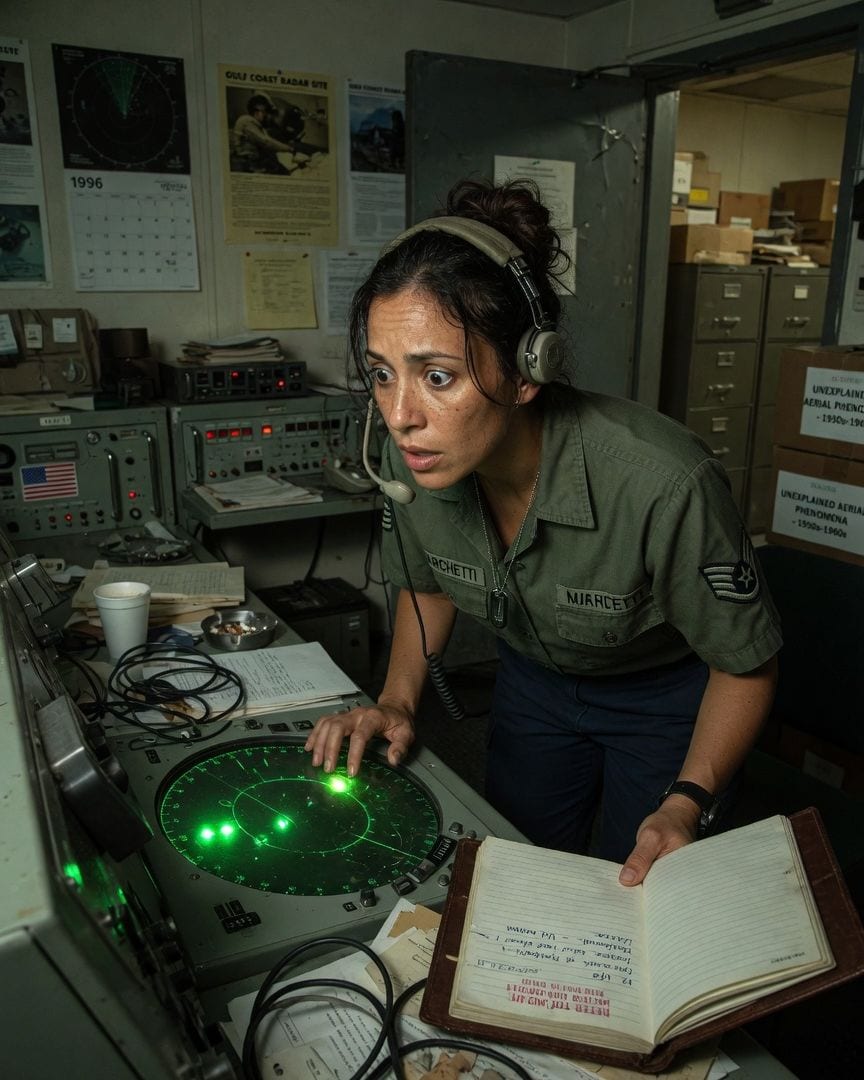 Declassified
Technical Sergeant Odile Marchetti was winding down her last few weeks as a radar operator at a remote Gulf Coast site in 1996. Alone in the cavernous room, she watched the green glow of her scope, the only light cutting through the pre-dawn gloom. At 2:30 AM, an airliner reported something flying in formation—a craft Odile couldn't see, until a massive, impossible blip bloomed beside it on her screen. After the pilot reported flying straight through empty air, Odile logged the UFO, only to find a faded, decades-old code already stamped on her logbook entry, identical to one on a missing jet report from 1958. Had this happened before, and was her own entry just a pre-written footnote in a much older, terrifying file?
14 min read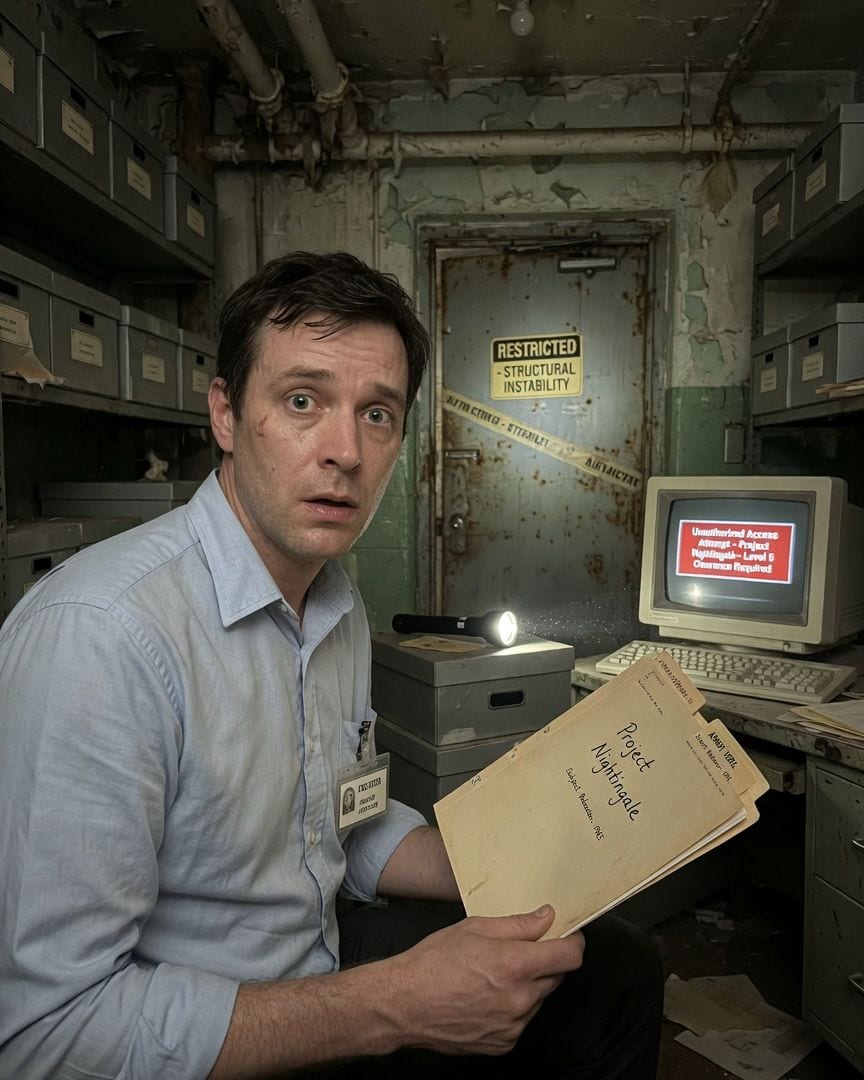 Declassified
Devon Ashby, a routine FOIA officer, clicked 'release' on a 1983 file he'd seen dozens of times. Inside was a grainy photo of a woman, calmly staring from a logging road. His breath caught: it was his mother, Vera Ashby, dated two years after her 1981 burial. The file jacket, marked "Project Nightingale," led him to a forgotten, sealed sub-basement filled with unmarked metal boxes. There, he found a file for "ASHBY, VERA. Subject: Relocation - 1985," four years after her death. What hidden mechanism was meant to provoke him?
12 min read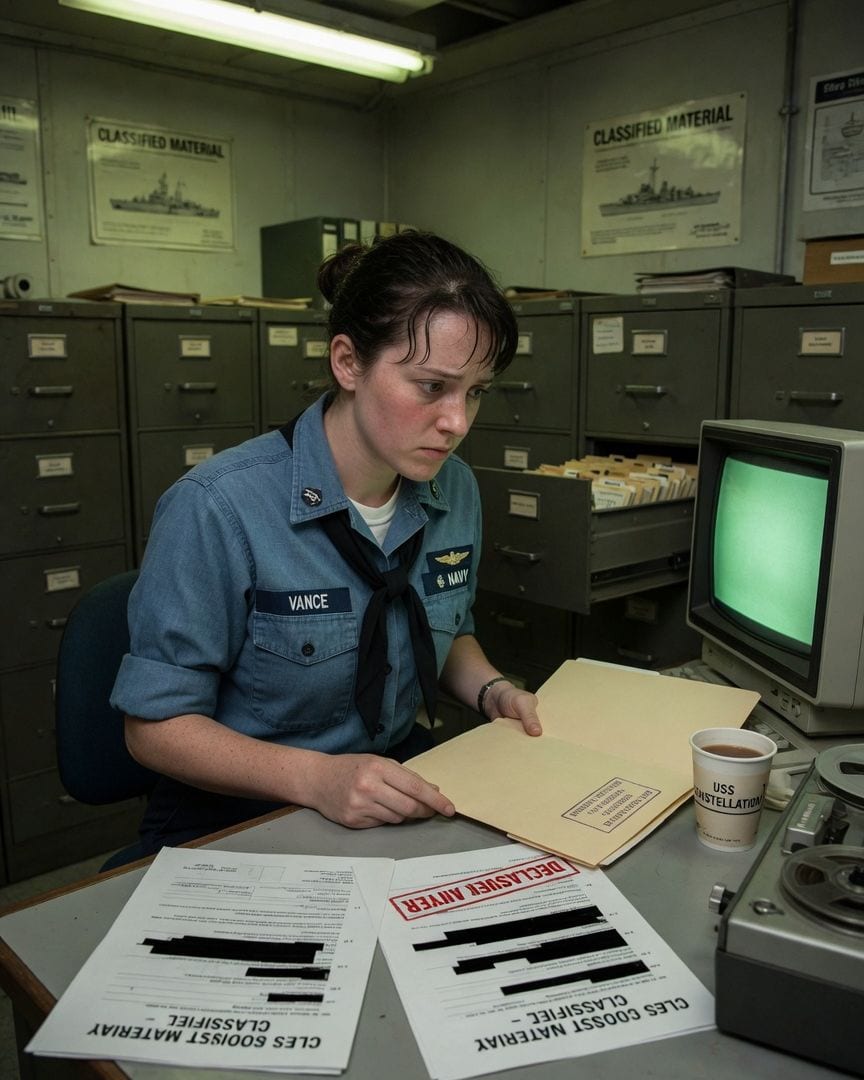 Declassified
Radarman Second Class Peggy Vance, 22, began her first night alone in the carrier's dim green radar room off San Diego, the ship gently rolling. She tracked an impossible contact: a shape without wings, falling from sixty thousand feet to the deck in under four seconds, baffling the pilot. The next night, her incident tape was gone, the slot relabeled, and the official log dismissed the event as a "weather balloon" that couldn't be found. Peggy soon uncovered a deliberate pattern: conflicting, heavily redacted reports, each copy hiding what the other revealed, confirming a layered deception. What secret was so vital it required such an intricate, impossible lie?
13 min read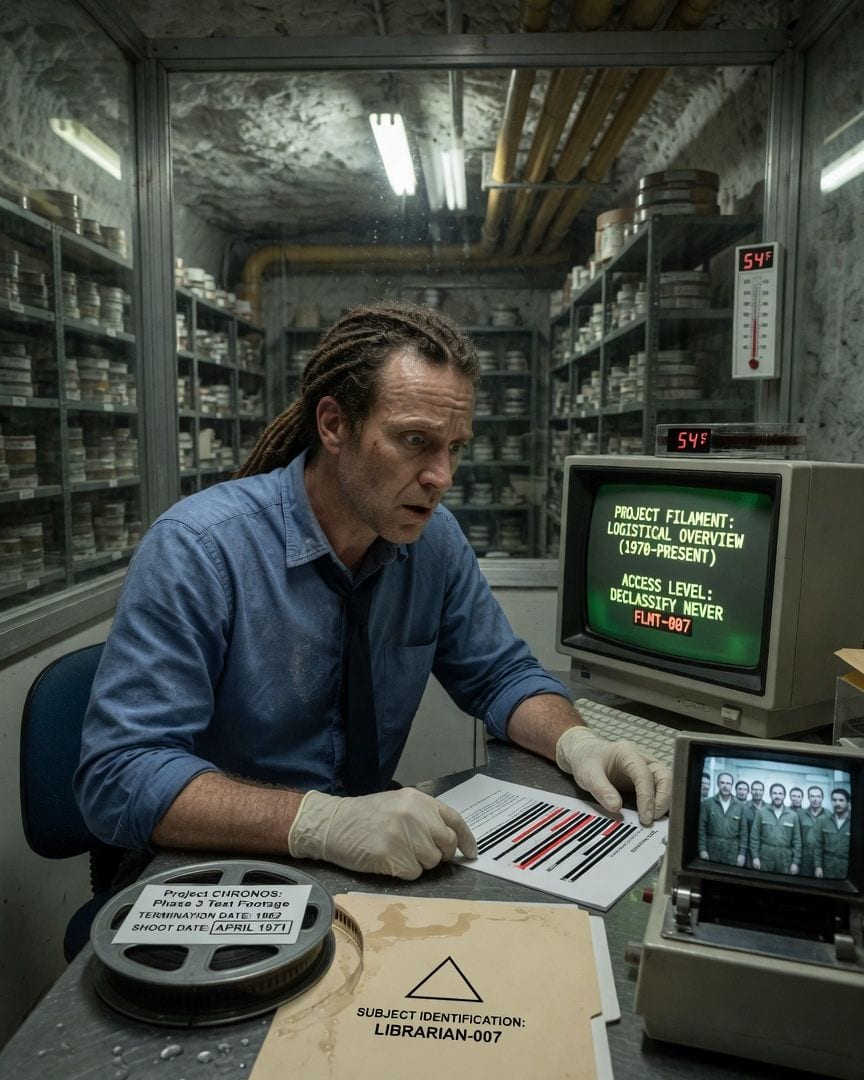 Declassified
Hosea Pike, an archivist in a vast Kansas salt mine vault, meticulously maintained records in a perfectly dry, controlled environment. His brow furrowed when his gloved hand closed around a film reel weeping cold condensation, its metal chilled like well water. The label stated 'Project CHRONOS: Phase 3 Test Footage,' terminated in 1962, yet stamped beneath was an impossible shoot date: April 1971. What could explain a film shot nine years after its project's official end?
11 min read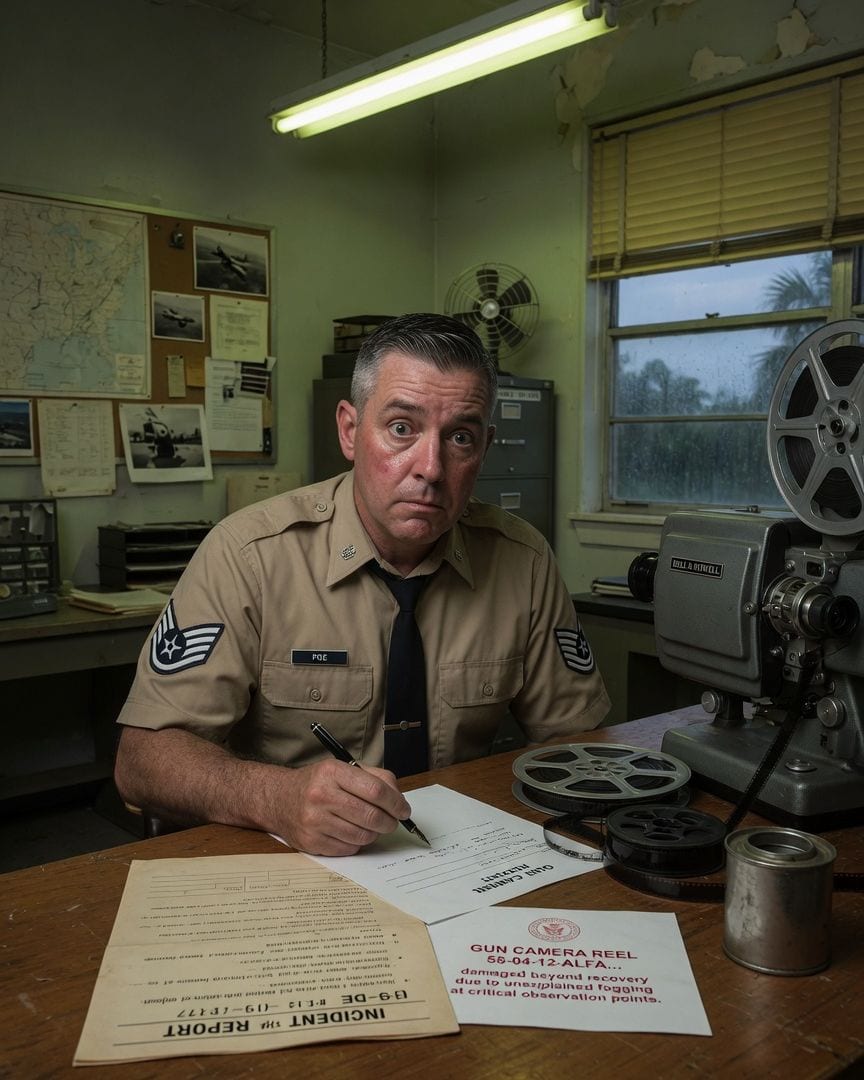 Declassified
Master Sergeant Elgin Poe, the last observer in a humid Florida lab in 1958, knew his career was built on precise observation. He threaded a 'hot' gun camera reel, expecting to analyze an anomalous aerial phenomenon. Instead, frame by frame, a silvery disc held formation off a fighter jet's wing, then deliberately rotated its featureless face to look directly into the camera lens. Elgin had never seen a target look back. But when he submitted his meticulous report, the official response was a manufactured lie, declaring his perfectly clear film 'damaged beyond recovery' and the object a 'weather balloon'.
10 min read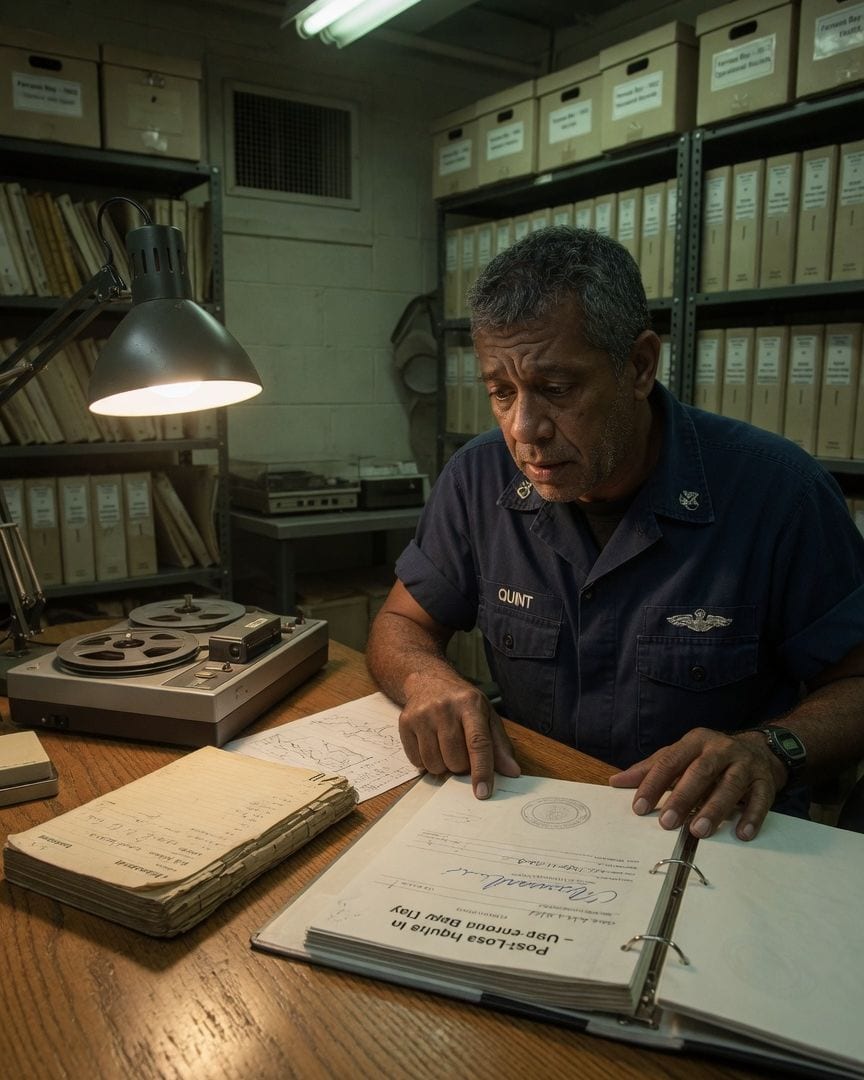 Declassified
Chief Sonarman Abel Quint spent six weeks in the Naval Records vault, listening to the final transmission of the USS Ferrous Bay. His father, Desmond Quint, was on that ship when it vanished in 1962, and Abel sought some final comfort in his voice. But on this morning, a faint, second set of sonar soundings emerged from the recording—soundings in his father's precise cadence that charted the ship’s wreck site thirty years in the future. As Abel cross-referenced records, he then found a maintenance log for the Ferrous Bay's sonar system, dated six months after the ship and his father were officially lost, signed by Desmond Quint himself. What impossible truth was hidden in these official naval records?
13 min read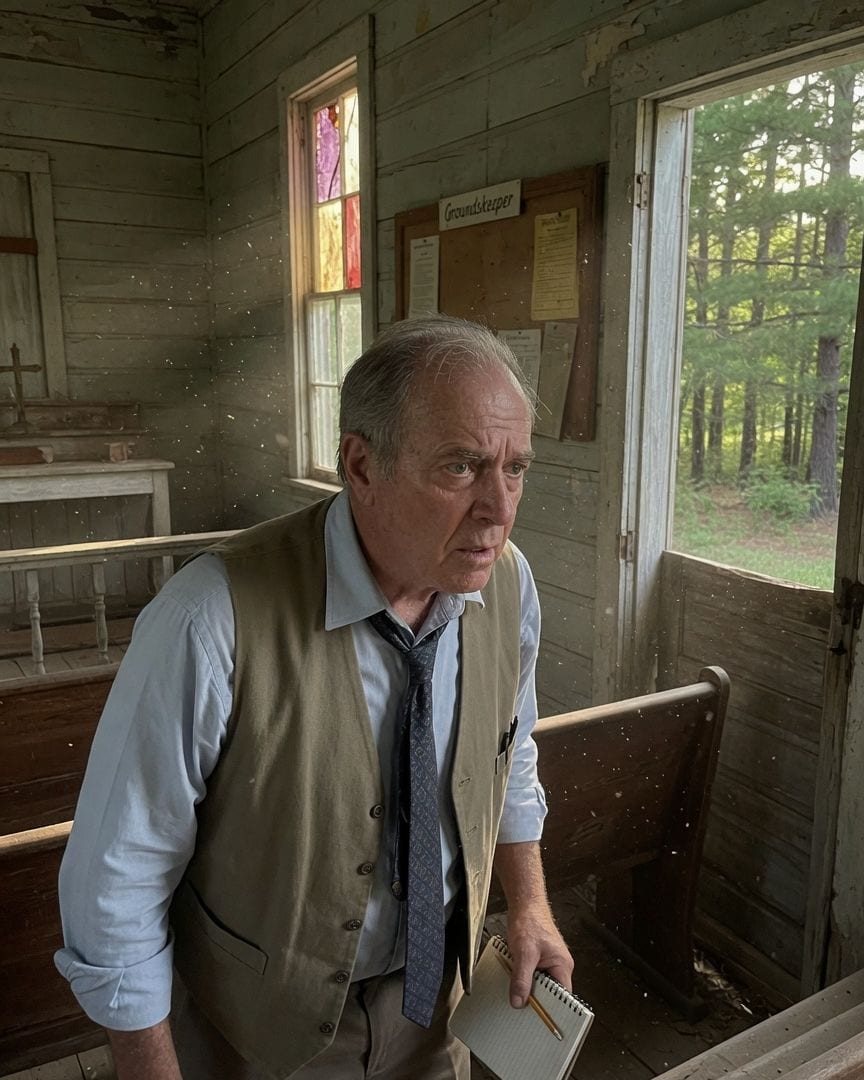 Declassified
Owen Sarkis, a lineage historian nearing retirement, sought to close his career with one final, simple project: resolving the mystery of the phantom 250th Chemical Company. His search led him deep into a Carolina pine forest, to an isolated chapel with a meticulously mowed plot. Forty-one headstones stood in neat rows, each bearing a name and regimental number, but beneath every name, the dates of birth and death were unsettlingly blank. The local groundskeeper hinted the men "just… left," and Owen found their names on no military lists after 1955; their lives seemed erased. But the true shock came with a "TOP SECRET" military transfer order, listing all 41 men from the chapel, ordered to a non-existent facility *two weeks after* their supposed burial. What really happened to the 250th Chemical Company?
10 min read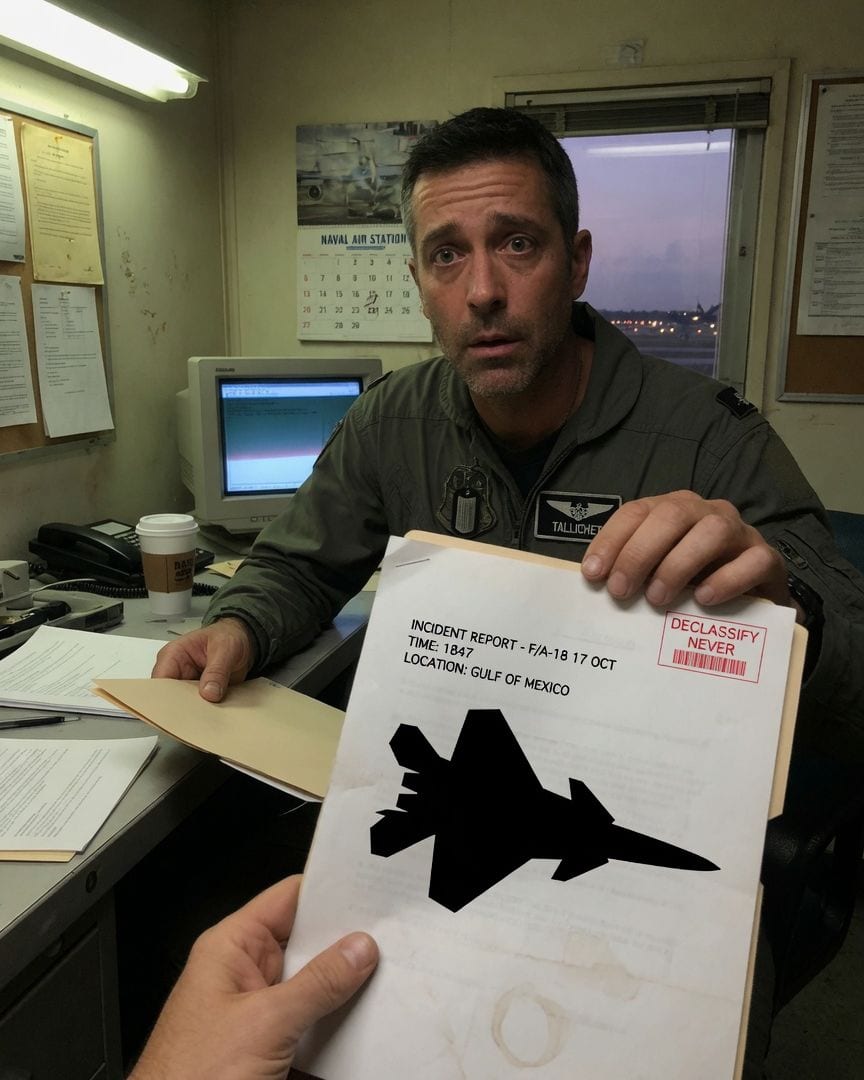 Declassified
Captain Yves Tallichet landed his jet, his hands shaking from an impossible encounter in the sky. He'd seen a dark, seamless shape mirror his F/A-18, defying all known physics. Days later, seeking answers in his official flight report, he found a precise, angular blackout over his observations. A senior records clerk confirmed the redaction was permanent, flagged "DECLASSIFY NEVER." But the true dread came when the digital file showed "Page 1 of 12," yet his physical copy held only six. What happened to the other pages?
11 min read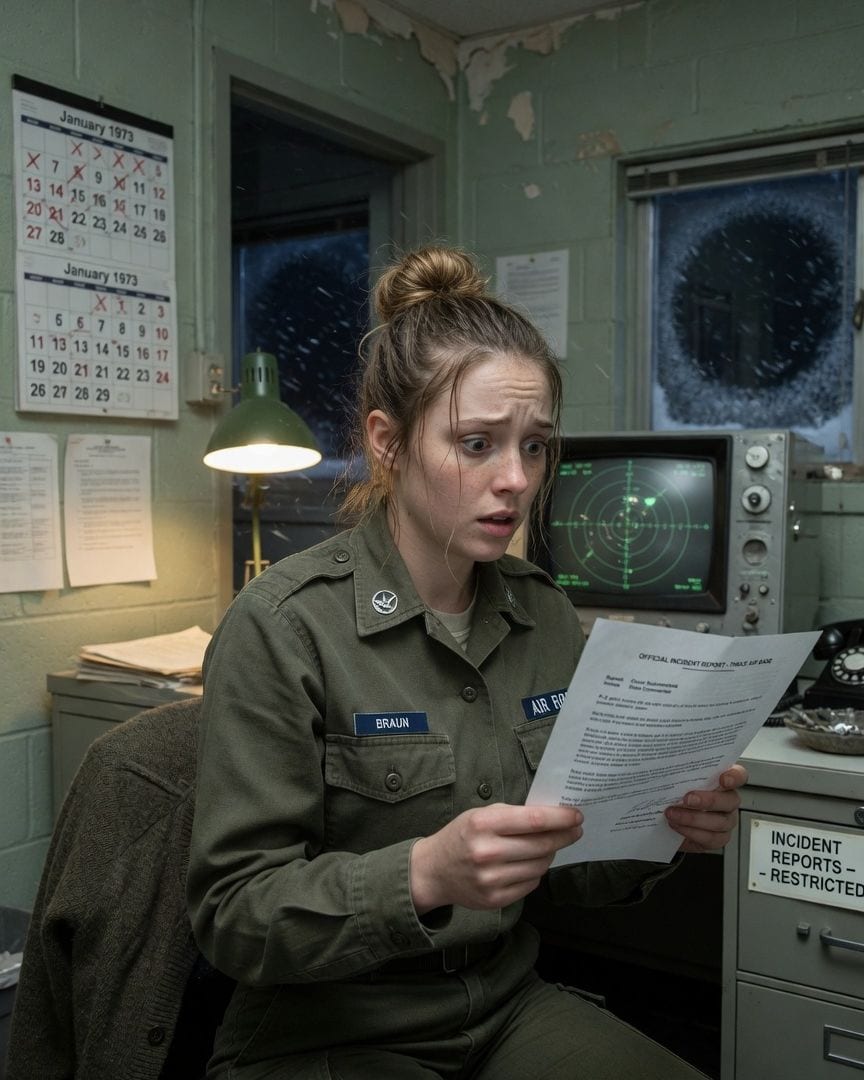 Declassified
Airman First Class Colette Braun, 24, was counting down her final eight days at Thule Air Base in the monotonous Arctic winter of 1973. Her routine radar sweeps were broken by an impossible blip, a craft appearing *inside* the scope’s minimum range, confirmed visually by a Navy P-2 pilot. After its impossible vertical ascent, Colette overheard her Base Commander discussing "containment." On her last day, the official report arrived, stating the pilot saw "no visual contact." What did Colette truly witness, and why was her account altered?
11 min read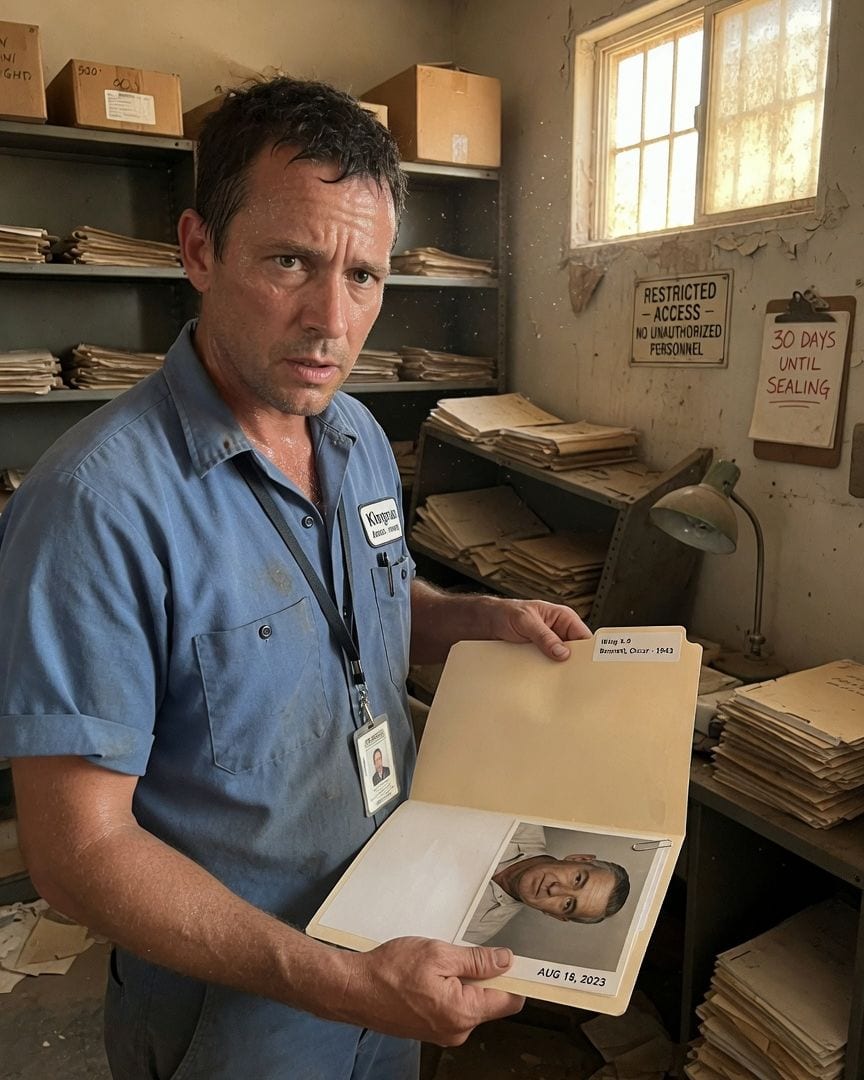 Declassified
Inventory clerk Rafe Delahunt toiled under the oppressive Arizona sun, racing against a deadline. He had just one month to catalog the vast Kingman boneyard before its final closure, a task made grueling by the crumbling archives and the suffocating heat. Deep within a forgotten bay, he unearthed eleven folders that defied explanation. Cool and supple to the touch, unlike any other document, they bore a 1943 date but smelled of fresh paper, filed under a designation 'Wing X-9' that shouldn't exist. Inside, the pristine files detailed a P-51 Mustang and its pilot, Oscar Bennett, officially declared 'crashed without trace' in 1952. Yet, tucked into the back, was a photograph of an older Oscar Bennett, clearly alive, with a date stamp from August 18, 2023.
9 min read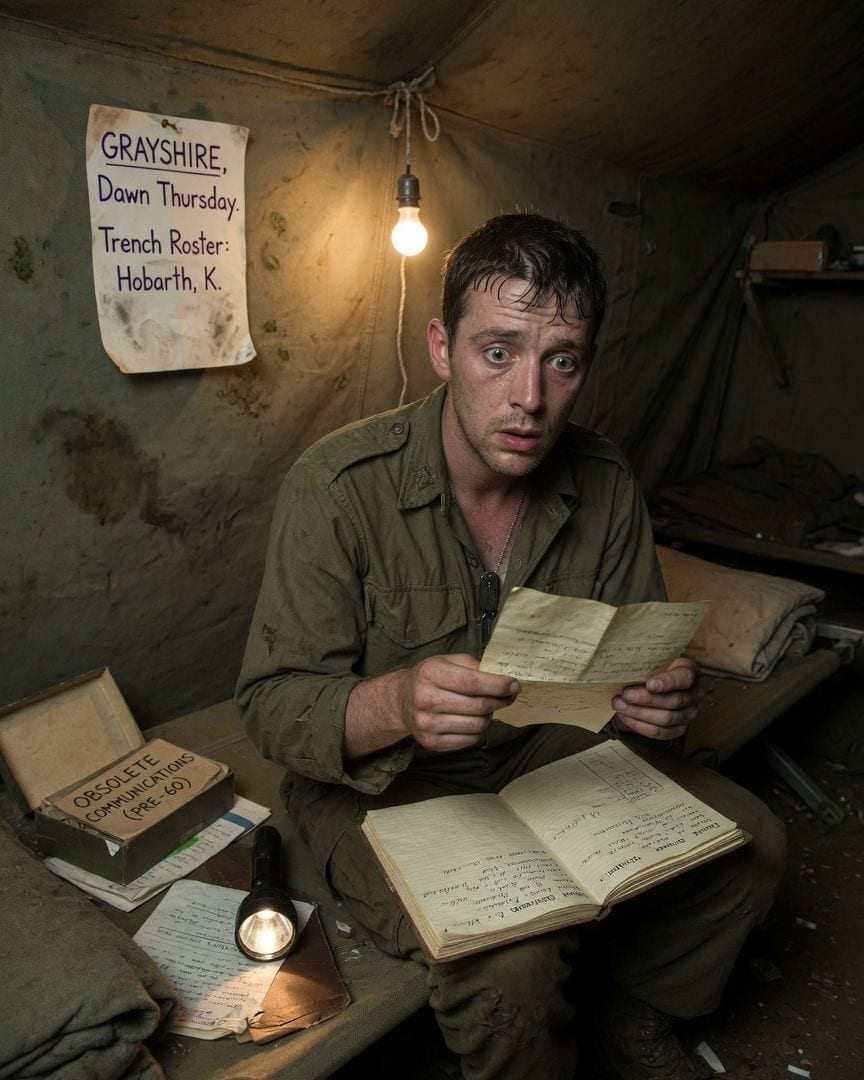 Declassified
Private Kell Hobarth clutched the letter confirming his daughter Frances' birth, a bittersweet reminder of a world far from the Vermey Flats trench tent. He'd seen a mysterious roster entry for 'GRAYSHIRE' and been dismissed by his superior. But then, a silent, vast pulse of white light turned his tent transparent for a full minute, yet every man around him slept through it. Haunted, the records clerk searched the dusty annex archives, finding a leather logbook. Inside, his own service number was listed for 'Personnel Observation' on a date that had not yet come, for the very event he had already witnessed.
10 min read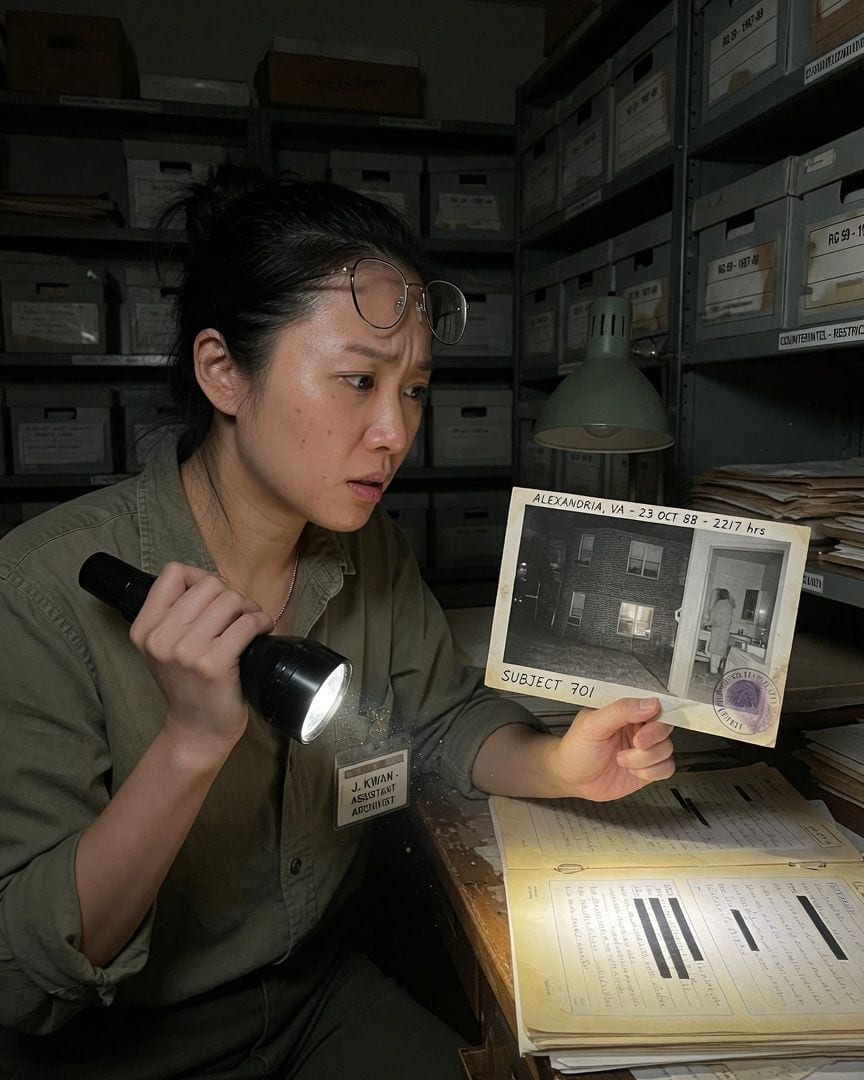 Declassified
Assistant archivist Junie Kwan hunched over a heavy 1988 counterintelligence dossier in the silent gloom of the National Archives. With only an hour before a court order sealed the file, she faced a personal horror. Tucked inside was a grainy surveillance photograph, dated the night of her grandmother’s 1988 funeral, showing the very apartment where Florence had lived and died. In the frame, behind the grimy kitchen window, a faint figure stood at the sink, despite the apartment being meticulously cleared out, empty, and locked. Junie discovered cryptic marginalia and a mysterious 'UNIT 701' stamp on the photo, hinting at a secret far deeper than a simple clerical error.
10 min read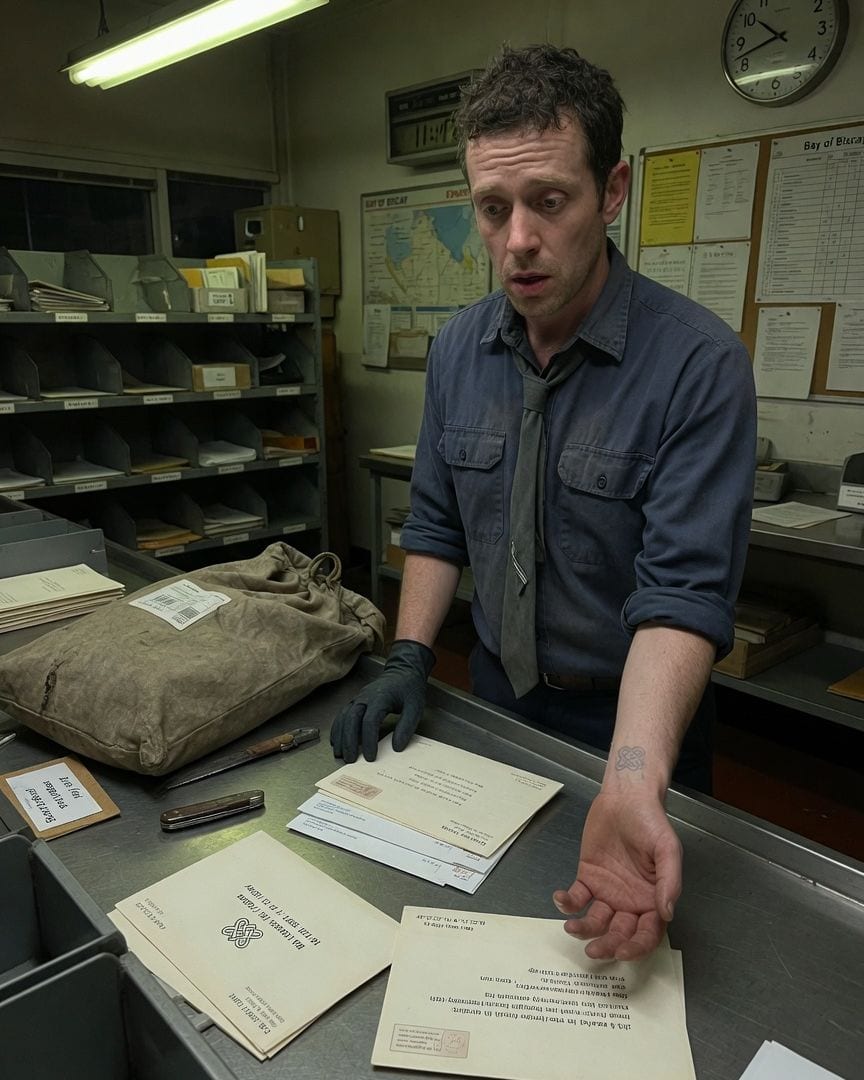 Declassified
Postal Inspector Guy Vantree stood under the humming fluorescent lights of Port Sterling, examining a peculiar mail sack. Trawlermen had dredged it from the abyssal Bay of Biscay, yet its heavy canvas felt impossibly bone dry after decades underwater. As Vantree ran a gloved hand over the dispatch tags, his own birth year stared back at him – May 1988 – and a chill settled over him, not from the sea air. Then he cut the seal. Inside, every single pristine envelope was addressed directly to him, each one detailing a private memory he had never spoken or written down.
10 min read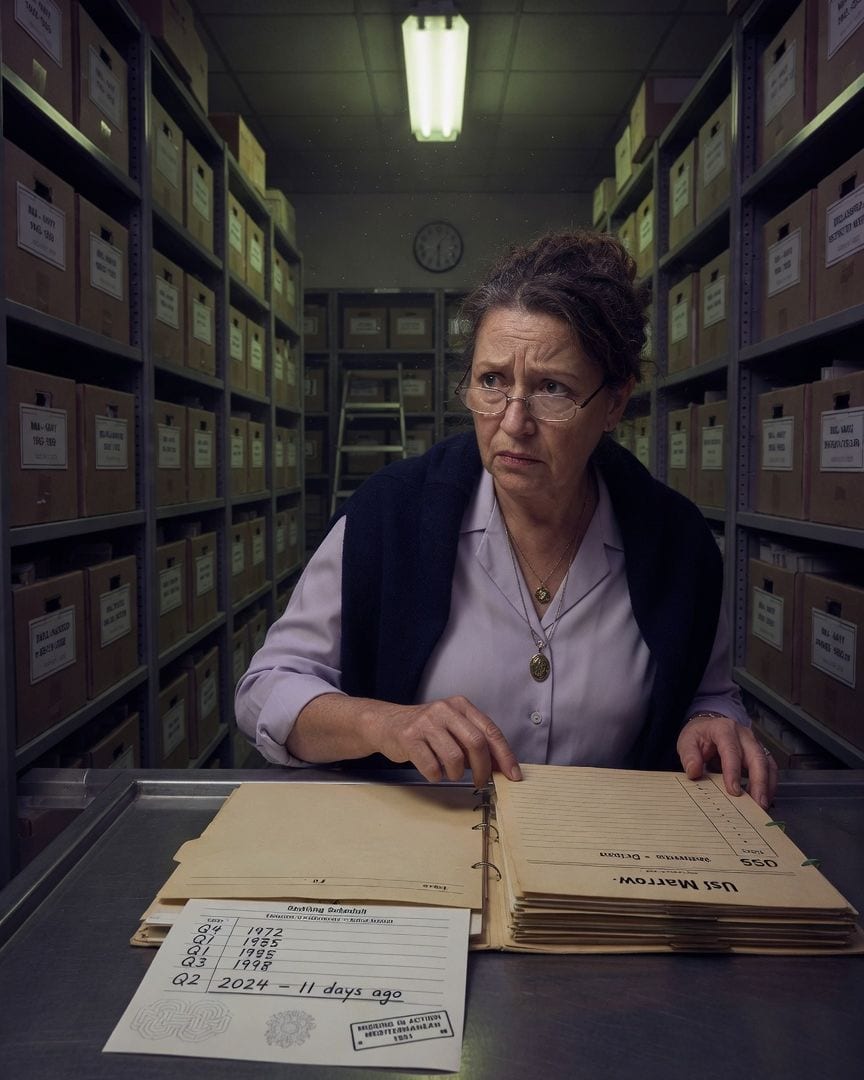 Declassified
Marguerite Ansell, an archivist, faced her final week before retirement in the National Archives. Dust motes danced in the anemic fluorescent light as she navigated endless rows of forgotten history, counting down to quiet days. Her last routine task, auditing 'missing in action' files, led her to the oiler Pell Marrow, officially lost in the Mediterranean in 1951. Inside its yellowed folder, a crisp, newer fueling schedule revealed quarterly updates, running relentlessly forward to an entry just 11 days old: someone was still filling the Pell Marrow’s tanks. As she found similar active schedules for other 'lost' assets, each bearing a peculiar, unknown fractal stamp, a cold dread settled: what agency kept these ghosts of the Cold War afloat?
10 min read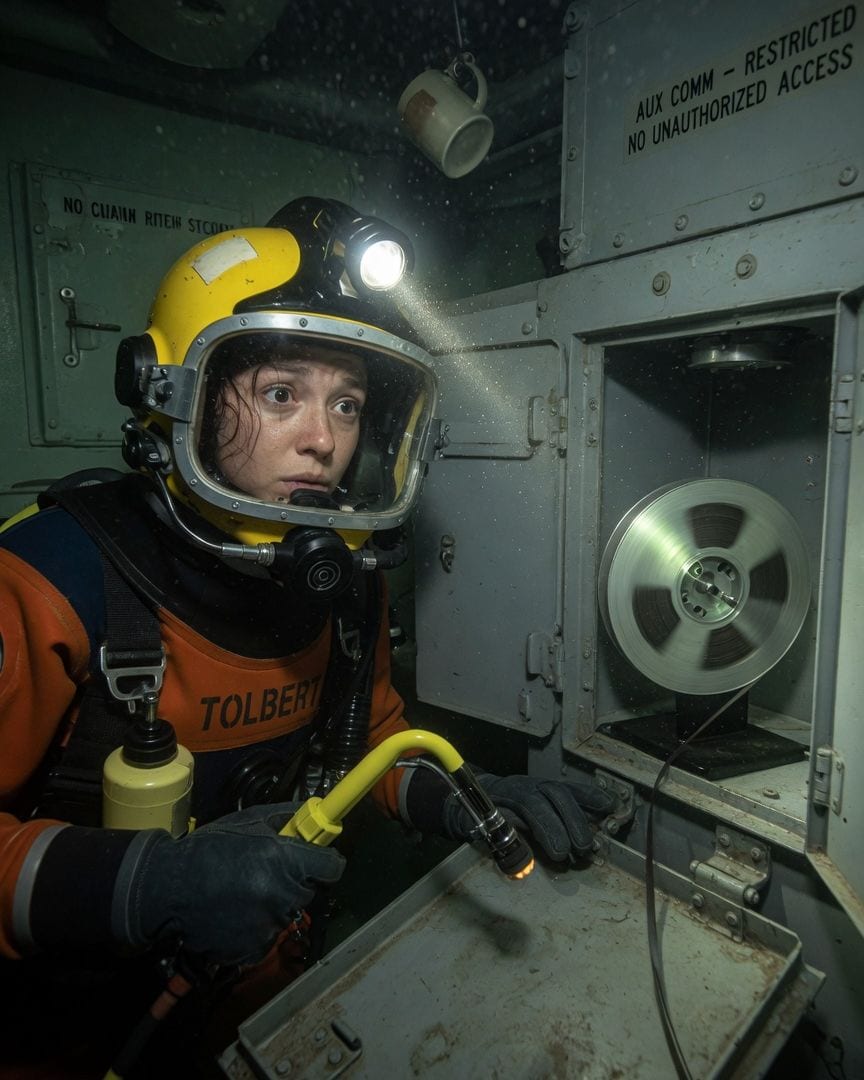 Declassified
Lieutenant Commander Rhea Tolbert plunged into the Denmark Strait's crushing depths, racing against a looming gale to explore the sunken destroyer Wicomah Bay. After eleven years, the ship sat upright and unbroken, its hatches impossibly dogged down from the inside. Inside, preserved like a time capsule, she found an unlisted steel compartment welded into the hull, humming faintly. When breached, it revealed a pristine magnetic tape reel, spinning silently in the dark.
9 min read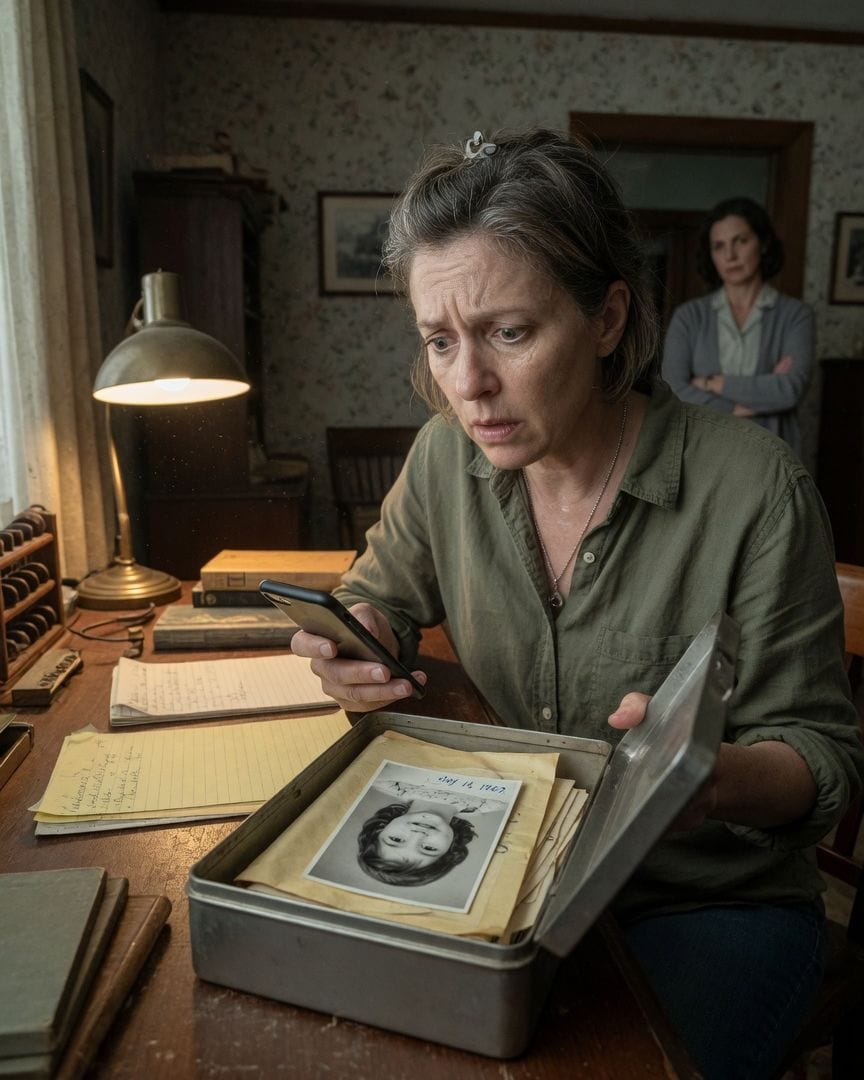 Declassified
Corinne Truscott, 47, hunched in a dim Norfolk parking garage, felt a cold knot tighten in her gut. A clerical error released seventeen declassified pages of her father’s private log, a Navy officer lost at sea in 1969. On the final page, dated the week before his disappearance, was a personal message addressed to Corinne by name—she was born seven years later. This impossible find propelled her to her childhood home, where a locked drawer revealed a small, heavy metal box. Inside, a perfectly preserved photograph of Corinne as a young girl was dated 1967, nine years before her birth, leaving her with an inescapable loop of dread.
8 min read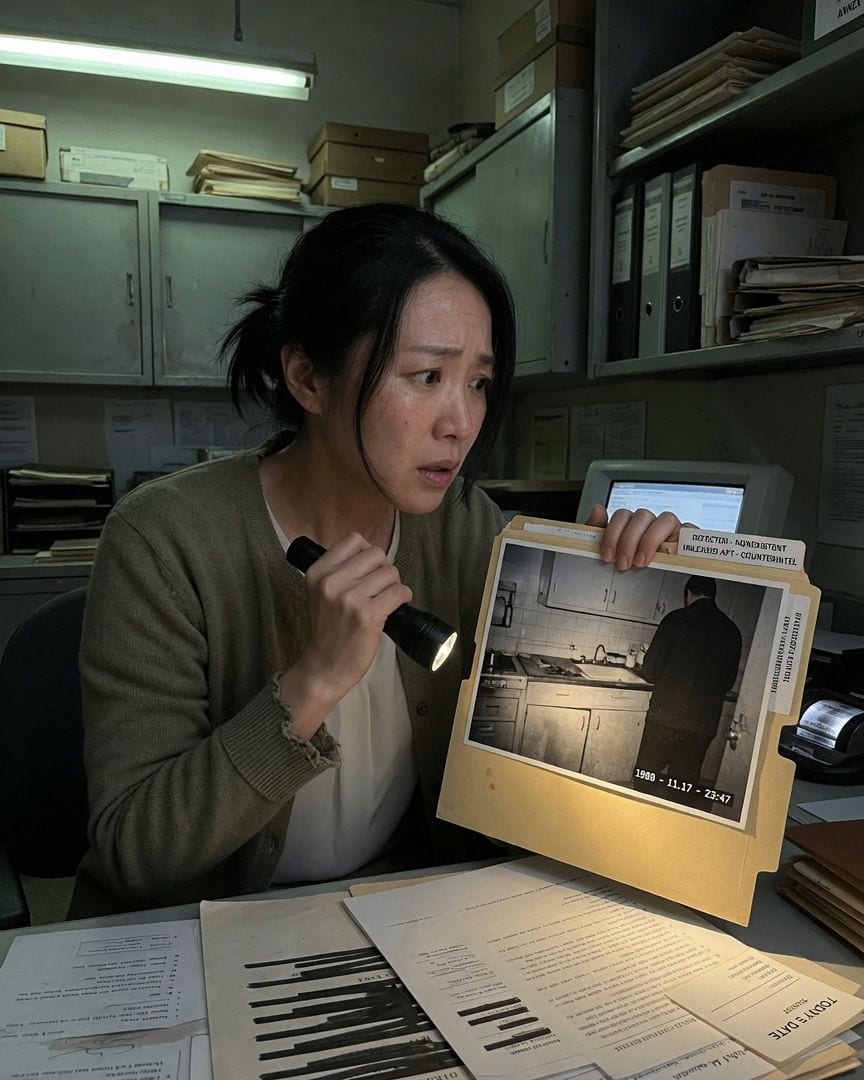 Declassified
Archivist Junie Kwan huddled in the hushed, cool Alexandria archives, working against a midnight court order to reseal a strange counterintelligence dossier. The file, dense with blanked sections, concerned a 'defector who never existed' and an 'unleased apartment.' As she scanned a grainy surveillance photo, a prickle of unease turned to dread: it was her grandmother's kitchen, dated 1988, the night of the funeral. A tall, rigid figure stood at the sink, yet Junie knew with certainty the apartment had been empty and locked that night. How could an impossible presence appear in a locked, empty room, tied to a phantom Cold War case?
10 min read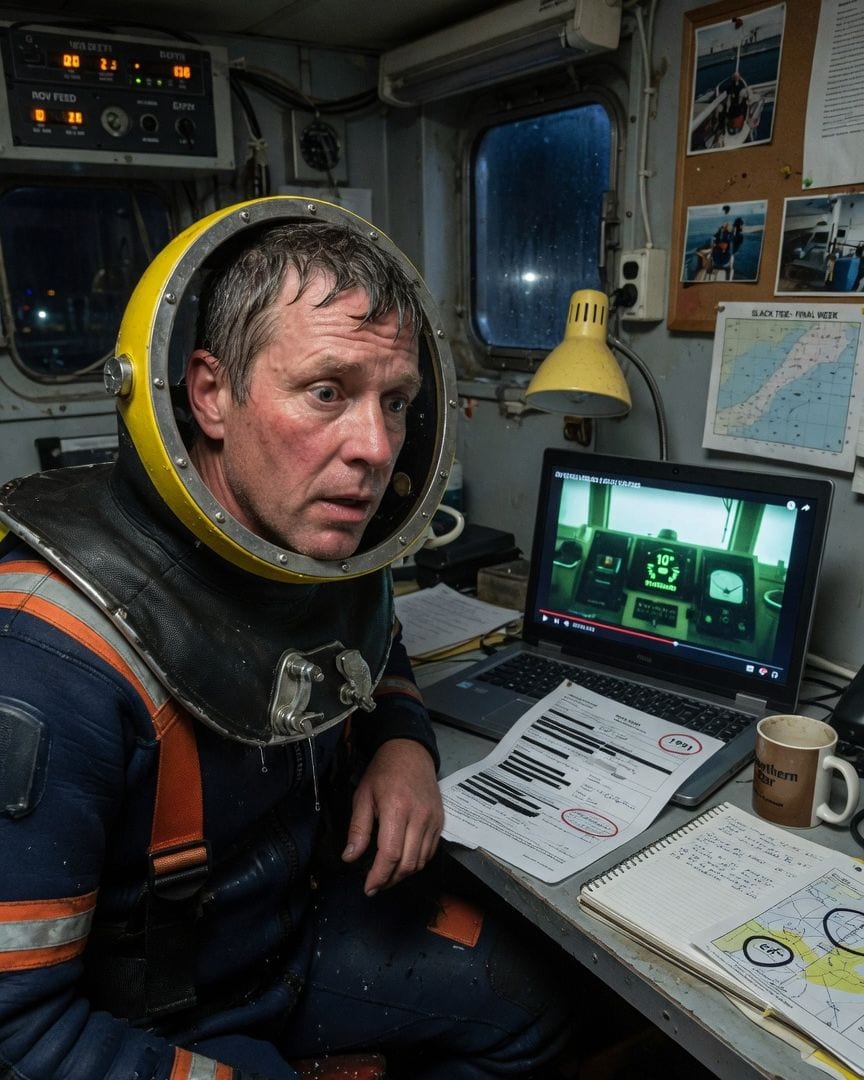 Declassified
Deep-sea surveyor Hugo Amsel faced the final week of his Bering Sea survey, under immense pressure to find conclusive evidence before the short season closed. In the abyssal gloom, he located the *Wynn Portal*, a sealer lost with fourteen crew in 1991, surprisingly intact. Through its clear wheelhouse window, he saw a rudder indicator glowing green, an impossible light on a dead ship. Later, on a second dive, he found a leather logbook tucked beneath the helm, open to a page clearly dated 2023. As he stared, a shadow inside the window shifted, coalescing into a figure watching him from the depths.
14 min read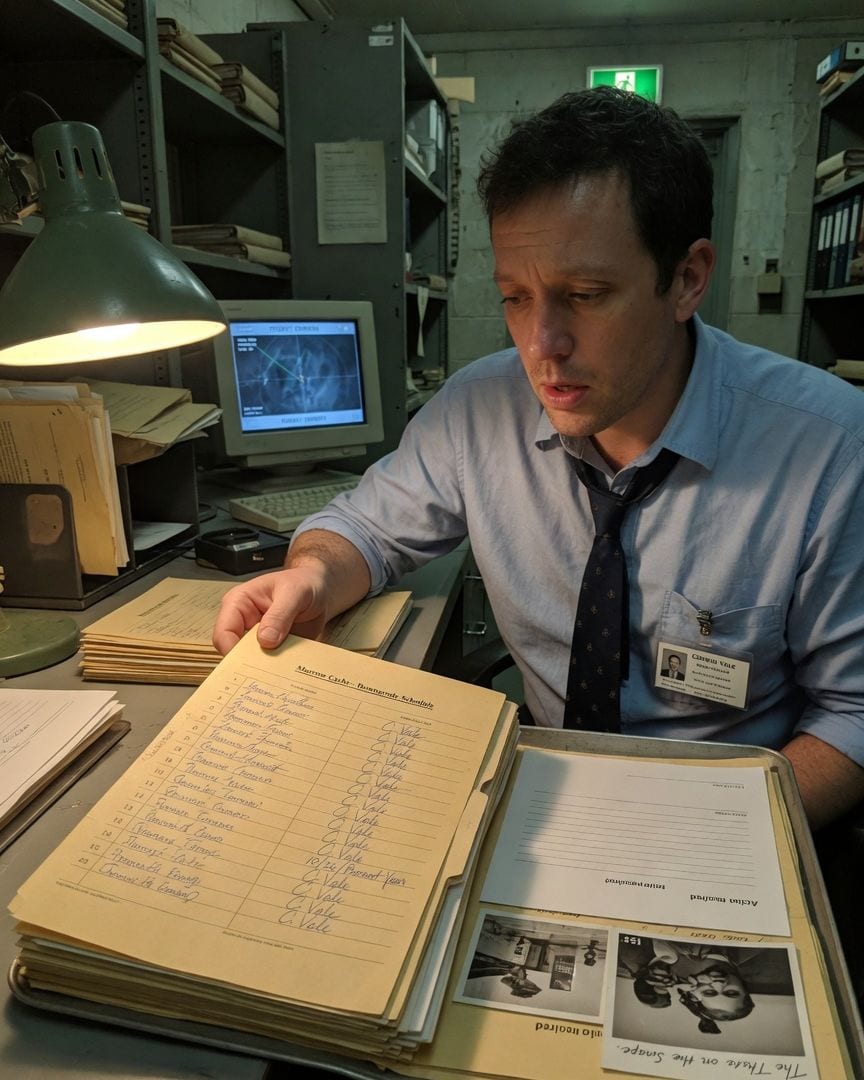 Declassified
Chief Archivist Corwin Vale aimed to unravel the bureaucratic enigma of the Marrow Cache file, perpetually extended since 1972. In the cold, ozone-scented vault of Fort Ruthven, he sought to discover who was signing off on the endless delays. His breath hitched when he found his own signature on the log, dated this very morning, despite being home sick. But then, a chilling discovery: another identical signature, dated 1988, years before he was even employed. What impossible hand was tracing his name through time?
10 min read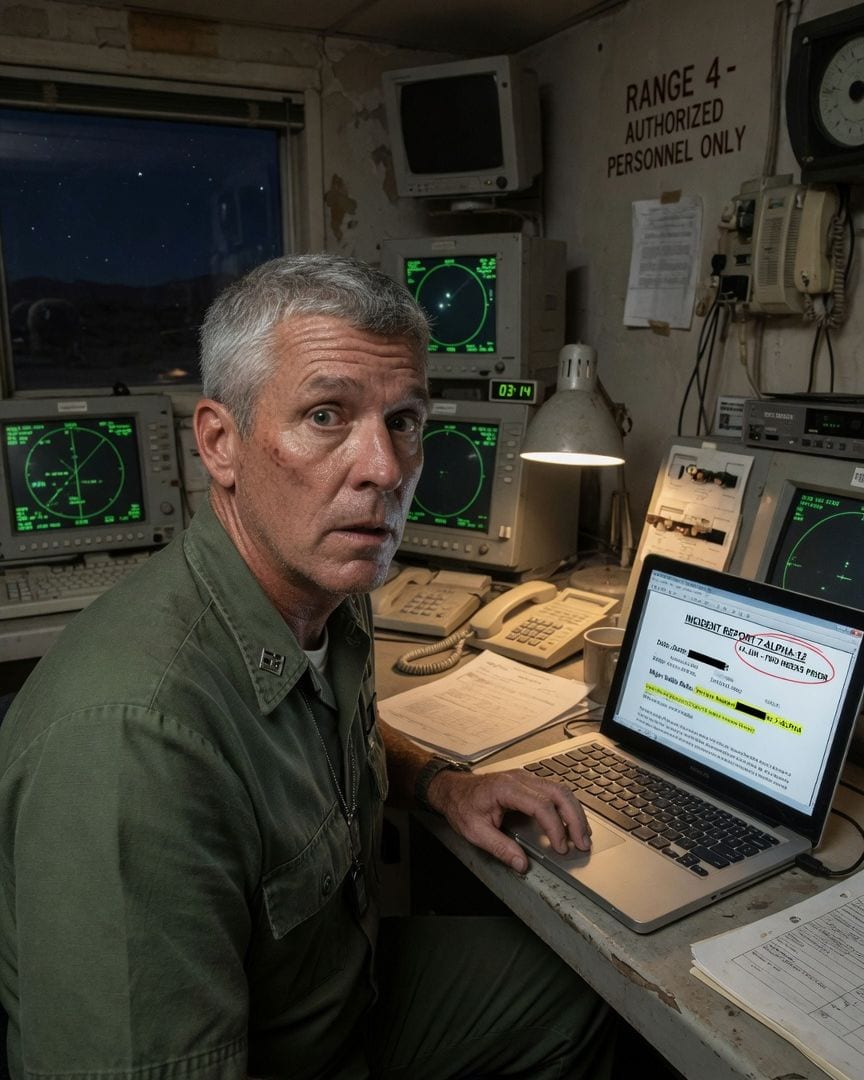 Declassified
Major Hollis Rake, just two weeks from retirement after thirty-five years on a New Mexico desert range, found his predictable world upended. A silent, featureless disc, defying all known phenomena, appeared over the sled rail, its impossible presence confirmed by every instrument on the range. But the true unease began when Major Rake filed his meticulous incident report: it was already in the system, dated two weeks *before* the event even happened. His own name and service number were later found linked to the incident's code in his transfer disposition. Was his retirement just a clerical error, or something far more sinister?
14 min read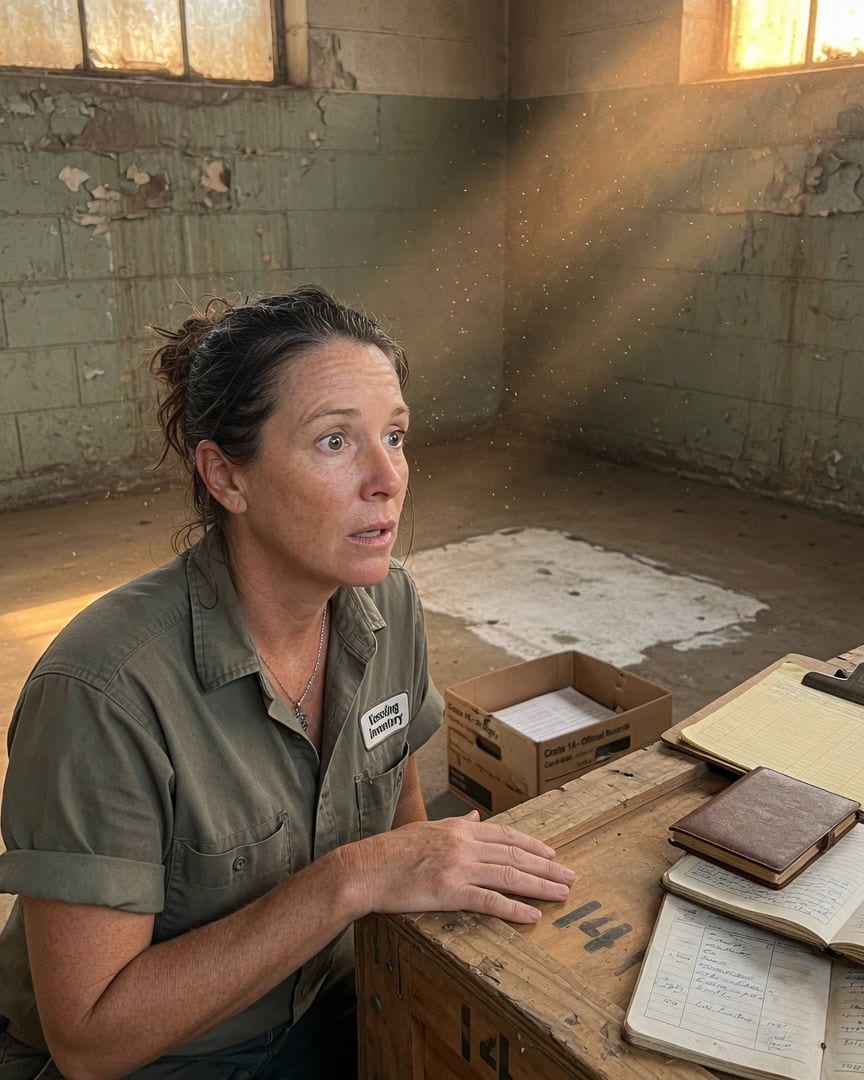 Declassified
With demolition crews just a day away, inventory specialist Deborah Kessling raced through the vast, dusty Carolina warehouse, tasked with logging its final forgotten equipment. In a cold, far corner, she discovered Crate 14, an unremarkable box that inexplicably radiated an absolute, bone-deep chill, having spalled the concrete beneath it for decades. Her research uncovered an official logbook detailing quarterly signatures for sixty years, unbroken by base closures or disasters, but a hidden ledger revealed an entry from 1980 signed by Lars Thornton, a logistics officer confirmed dead since 1975. As Deborah read the dead man's words describing 'a faint, rhythmic pulse,' a subtle thrum began to vibrate through the floor beneath her feet. What was Crate 14 protecting?
10 min read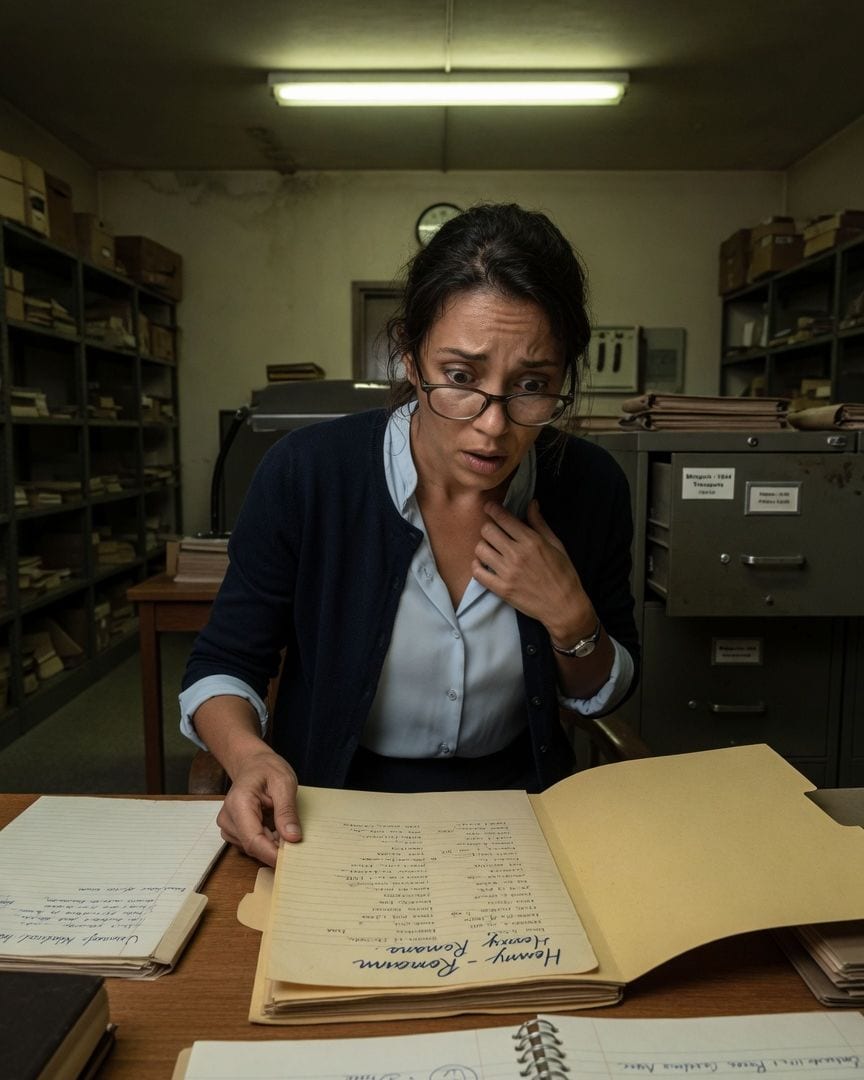 Declassified
Delphine Arceneaux, a dedicated records reviewer, had just minutes left in the stale reading room to finalize her review of a 1944 Mirepoix Ferry manifest. Her job was to confirm every detail of the forty-one passengers who boarded a boat that never arrived. But as the clock neared six, a forty-second name materialized on the faded paper, stark in a dark, unfamiliar ink. 'Henry Romano,' it read, with the impossible notation: 'BOARDED AT MIDSTREAM.' How could anyone board a ferry in the middle of a river?
12 min read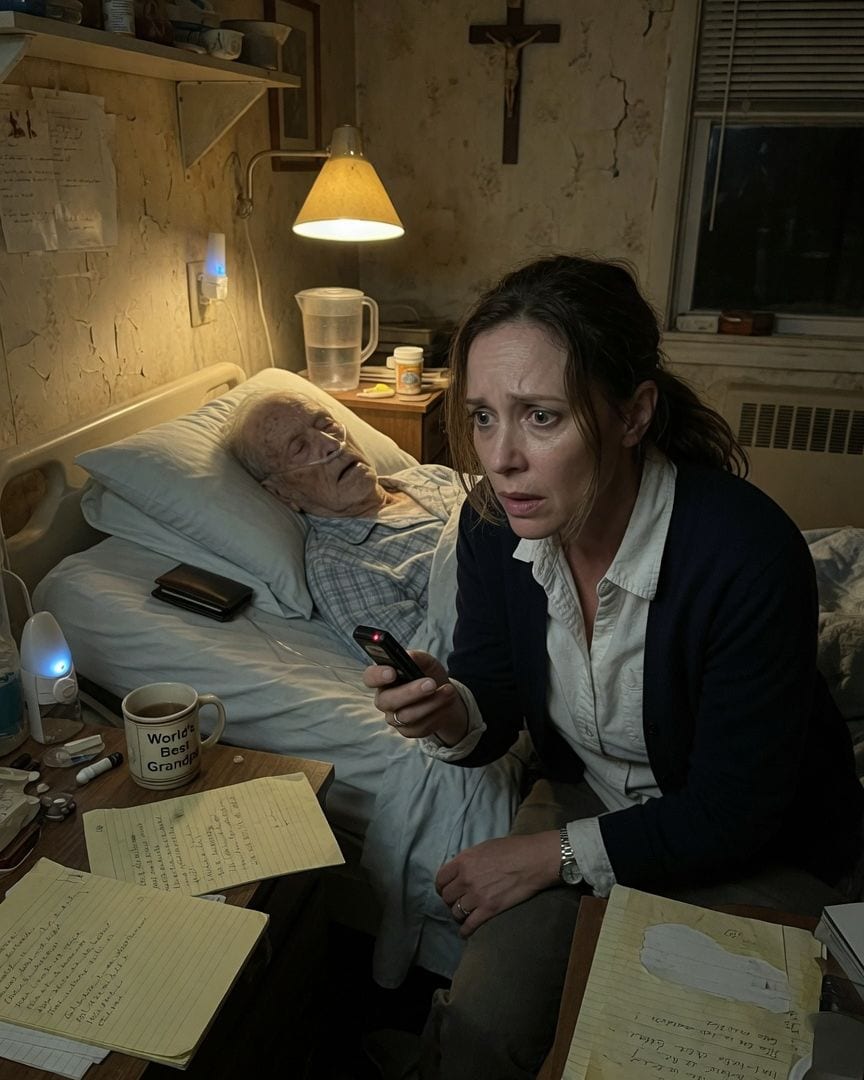 Declassified
Iris Vance, a dedicated researcher, listened intently to the frail, 84-year-old Anselm Boyd. His stroke had stolen his waking words, but at night, he relived an impossible 1961 flight, murmuring about a cargo plane's tail sitting down under an unknown, denied weight. When Anselm later produced a crudely drawn map of an airstrip marked 'where the UFO landed,' Iris dismissed it as delusion. But declassified records soon revealed a C-124 flight with an 'unusual weight discrepancy' in 1961. Her heart hammered when she found a blurred photo of the same plane, tail-down in a desolate field, but officially dated October 1978.
12 min read