 Declassified
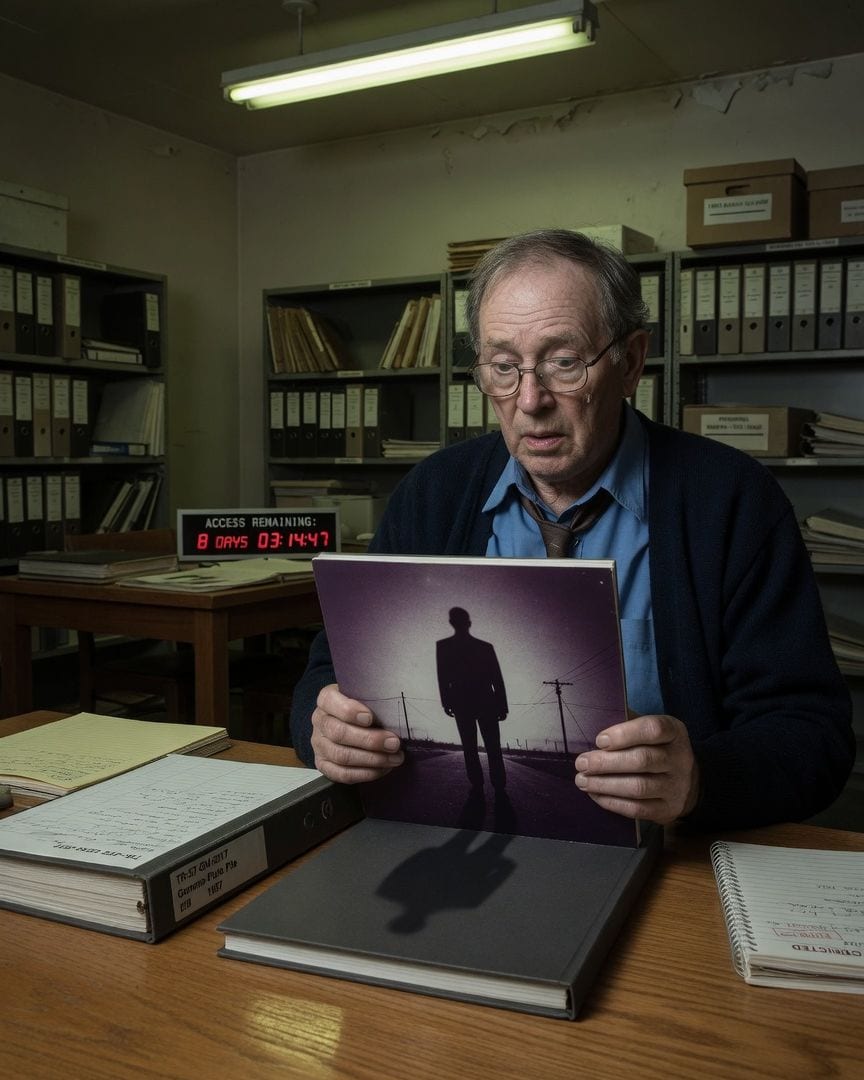
Sixty-eight and riddled with illness, Dr. Wend Ashgrove had just eight days within the cool hush of the Trill Ridge declassified archive. His singular goal was to find the precise 1957 gamma 'shot' that had poisoned him, a relentless clock ticking down his remaining strength. He pulled a file from that year, finding plate TR-57-GM-0017, cataloged for a Saturday when the range was officially cold and locked. But on its thick, dark purple emulsion, Ashgrove found a perfectly focused man, and behind him, a long, precise shadow, cast on a day the records swore was uniformly overcast and shadowless.
13 min read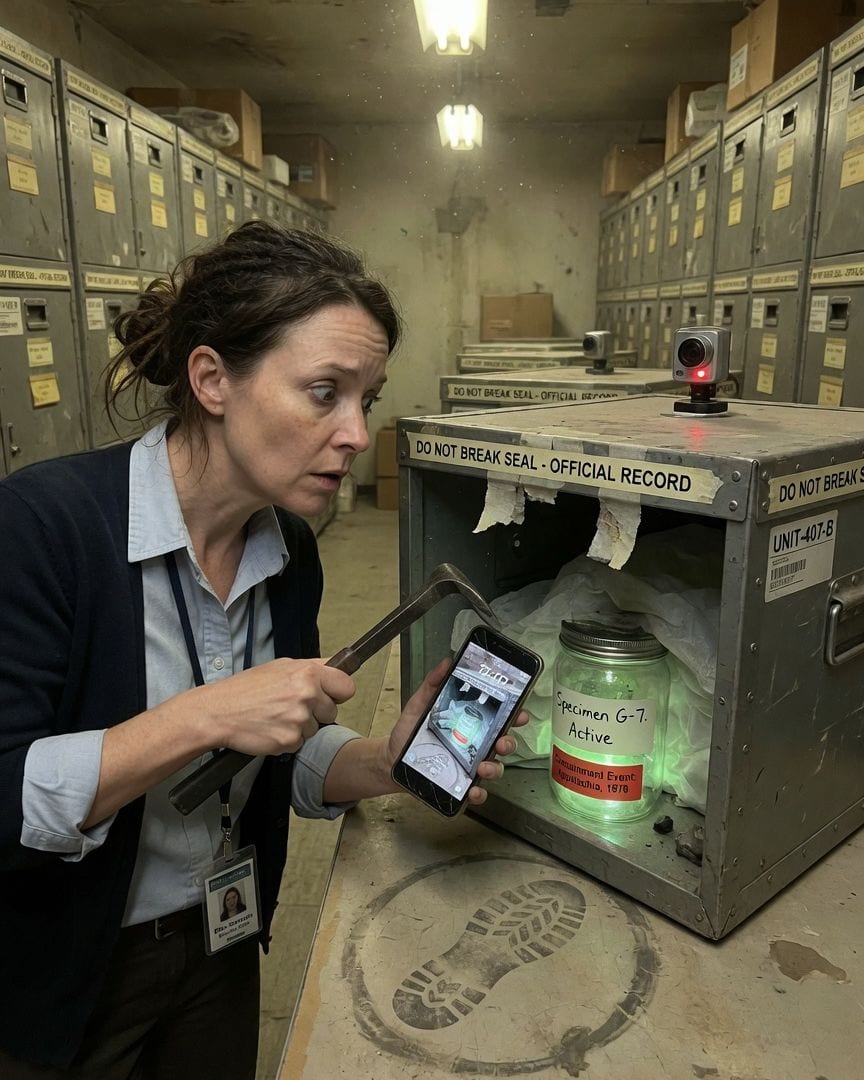 Declassified
Records clerk Elke Sarrazin was counting down her final week at the Fort Holabird annex, the air thick with the scent of forgotten paper and the impending demolition of the facility. She'd personally logged UNIT-407-B for disposal days ago, yet Monday morning, the heavy storage crate sat precisely back in its original aisle, its seals pristine. The impossible detail was a single, clear boot print in the dust before it, captured identically in photos taken days apart. Despite her efforts to move and monitor it, the crate returned again, leaving only static on her camera and a redacted file hinting at 'self-correction protocols.' What dark secret pulsed within the crate's forbidden depths?
11 min read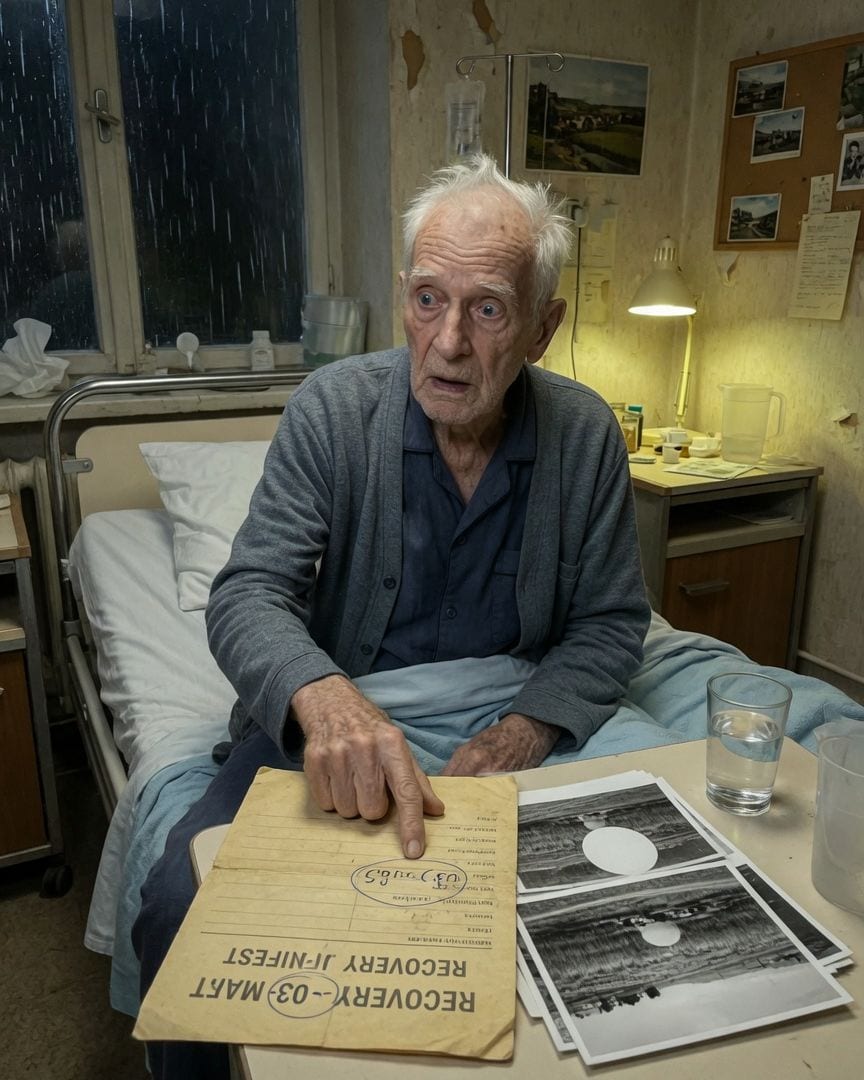 Declassified
Frail in his hospice bed, former Warrant Officer Hank Delacroix began to tell his daughter Eleanor a story from 1954, a vivid memory of a Bavarian rainstorm that erased the world beyond his truck's headlights. He recalled the heavy, olive-drab tarp covering their 'recovered target sleeve,' and how the relentless rain clung to it in impossible depressions, defying gravity as if the water itself had forgotten its nature. Decades later, a yellowed recovery manifest from that night contained a unique code for the object, a string of characters that fit no known classification. Hank's dying whisper confirmed his terrible understanding: it was never just one.
13 min read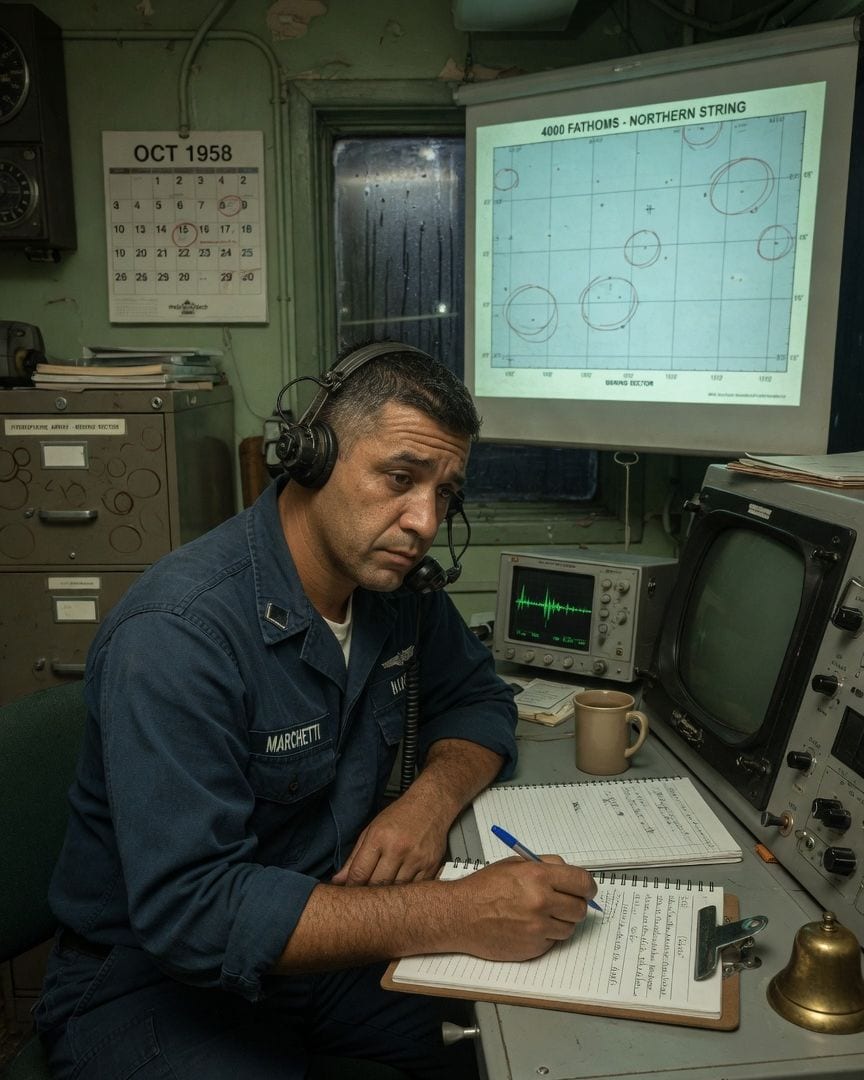 Declassified
Petty Officer Ruel Marchetti had just thirty-one days left on his career, monitoring the frigid Bering Sea from the lonely Adak surveillance station in October 1958. His headphones, usually filled with the hum of equipment, picked up an impossible sound: a ship’s bell chiming from 4000 fathoms of empty ocean. For six nights, the bell rang precisely on the half-hour, dismissing all his rationalizations and his Chief's easy explanations. On the seventh night, Marchetti rang the station’s fire bell into the churning black sea, and moments later, the deep-sea bell answered his exact count, chime for chime. What was speaking back from the silent depths, and what did its rhythmic chimes truly say?
9 min read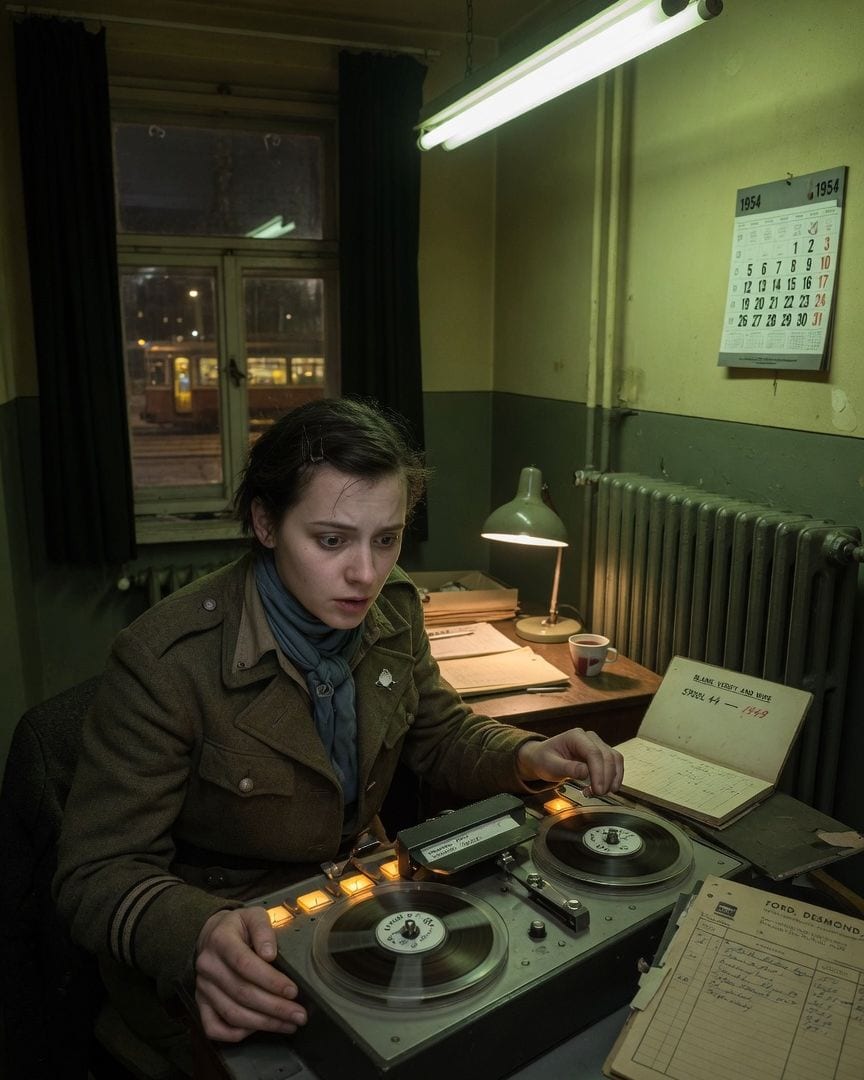 Declassified
Corporal Deyna Vosk began her last watch before dawn in a Berlin listening room, the familiar radiator knock echoing as she played unsanctioned reels. She loaded a tape marked 'BLANK,' sealed in 1949. Instead of silence, it played the impossible sounds of her current room – the radiator, her chair, the distant tram – a space not built until 1951. Then, a reel from 1947 spoke her current service number, and a missing soldier's file showed active supply orders at her post years after his disappearance. What impossible truths were trapped on these tapes?
11 min read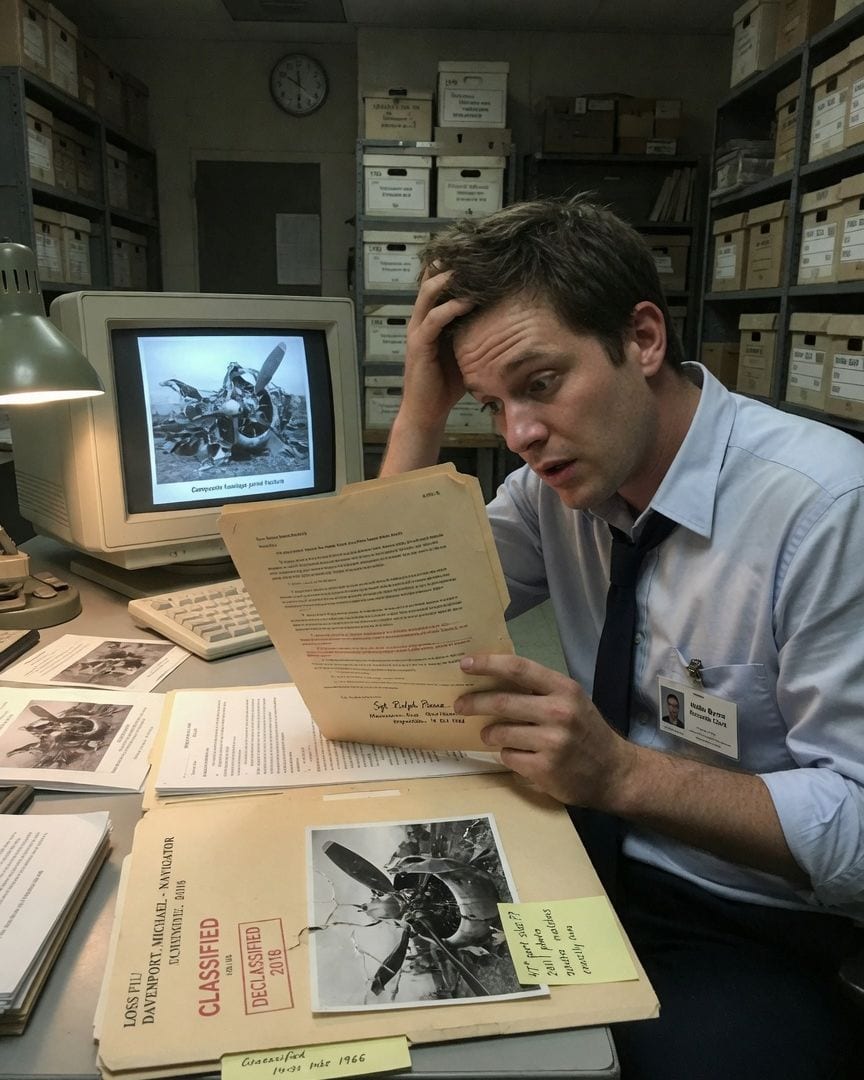 Declassified
Records clerk Hollis Byrne had one afternoon to scour his uncle’s 1966 Vietnam-era loss file in the cool, hushed declassification chamber. He hoped to find answers about Michael Davenport, the missing navigator, before the boxes returned to the archives. But the meticulously tidy file held more questions than solace. The 1966 report detailed specific wreckage damage—a bent propeller, a fractured composite panel—that perfectly matched photos from a 2011 recovery. Then Hollis found a 1966 'Post Recovery Inspection' log signed by a sergeant who had died a full year before the file was even created.
10 min read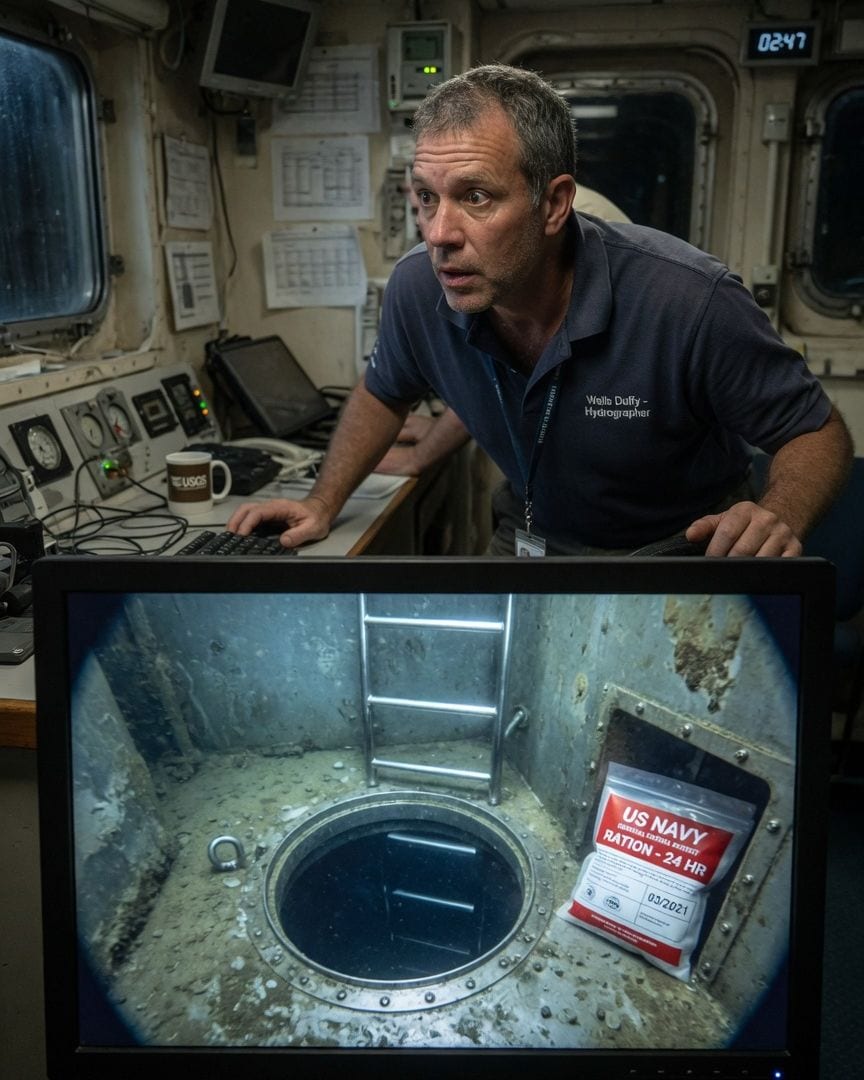 Declassified
Hydrographer Wells Duffy embarked on his final deep-sea mission, hoping to justify his career one last time before a desk transfer. Eleven days in, his vessel, The Seeker, located the USS Gale Prescott, lost with 71 souls in 1968, resting upright in a deep trench. As ROV cameras descended, the submarine's escape trunk hatch stood unnervingly open, its internal ladder rungs polished smooth from recent, bi-directional use. Inside the pressure hull, surprisingly clear of decay, the ROV found a sealed survival ration pack, its packaging crisp and vibrant, stamped with an impossible date: 03/2021. How could a modern supply pack appear inside a vessel lost over half a century ago, deep beneath the Denmark Strait?
11 min read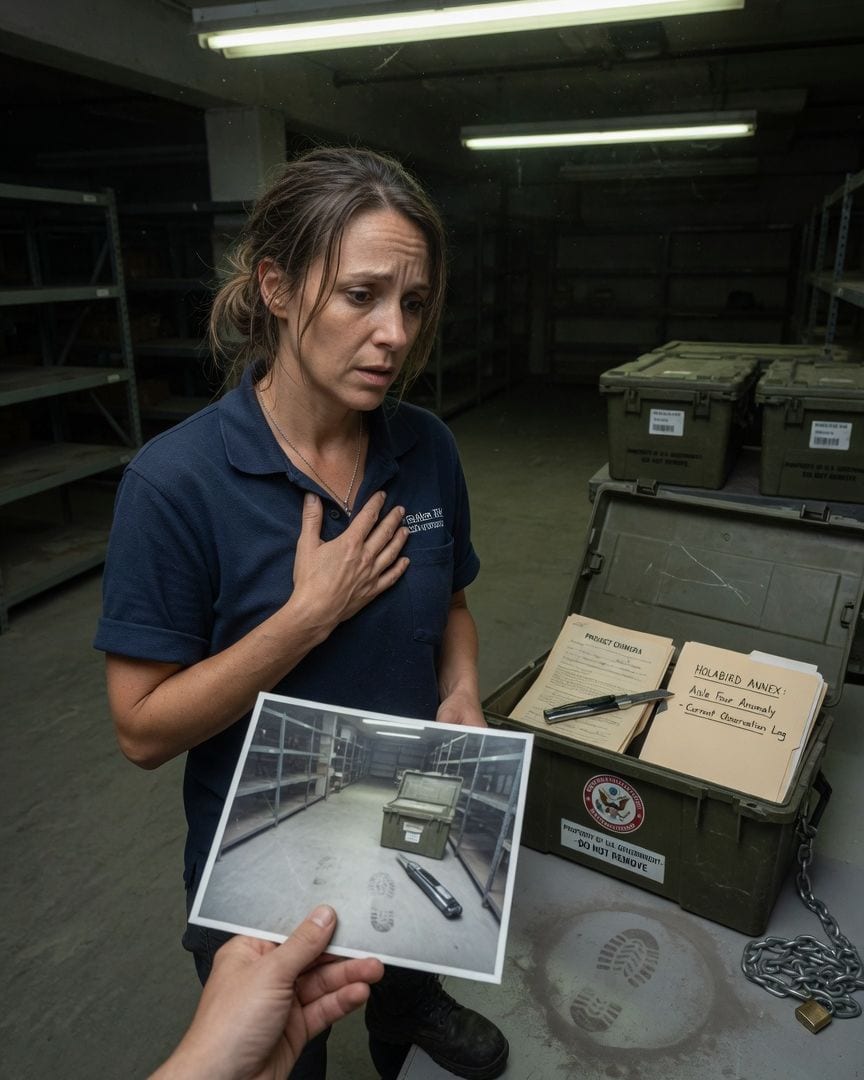 Declassified
Elke Sarrazin, a forty-year-old logging clerk, felt the cold finality of her last week at Fort Holabird annex. The vast, echoing storage facility, slated for demolition, was almost empty as she meticulously logged the last sealed government crates for off-site storage. But Monday morning, a crate she had moved and logged days earlier sat precisely back in aisle four, its official seal unbroken and a fresh ring of dust around it. After it returned multiple times, Elke found a distinct boot print not her own beside it, then later, inside the crate, a glossy photograph of that very aisle, taken moments ago, showing the same impossible boot print.
14 min read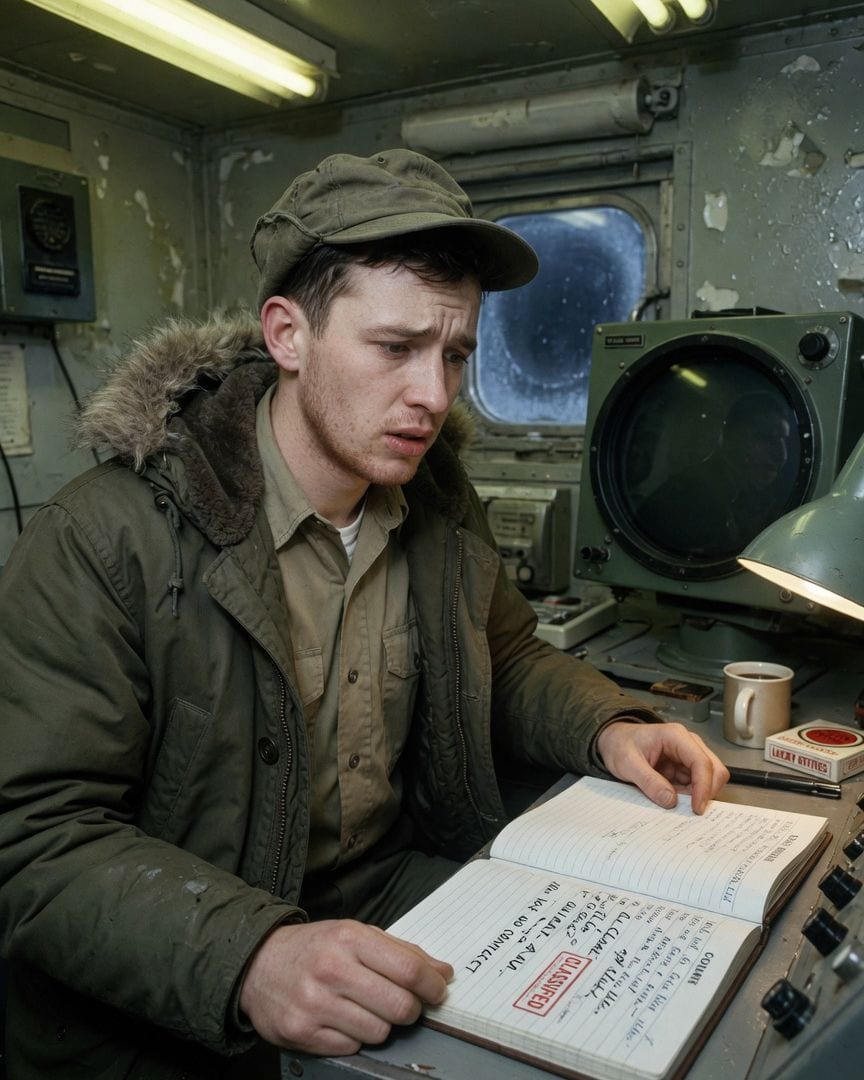 Declassified
Airman Ordway Vance, 22, manned the radar dome at Site Pellin in the biting North Atlantic dark of January 1962, running the last calibration sweep before its decommissioning. His scope picked up a faint, impossible return, growing closer with each pass, though the ocean remained empty to the eye. When Vance detailed the contact in his official logbook, a 'CLASSIFIED' stamp appeared, followed by a hastily scrawled 'ALL CLEAR' dated moments before his own entry, contradicting his every word. Commander Hartley dismissed it as equipment malfunction, but Vance sensed a chilling, official erasure behind the lie. He soon found a locked cabinet marked 'SITE PELLIN ANOMALIES,' hinting at a deeper truth buried within the base's final days.
13 min read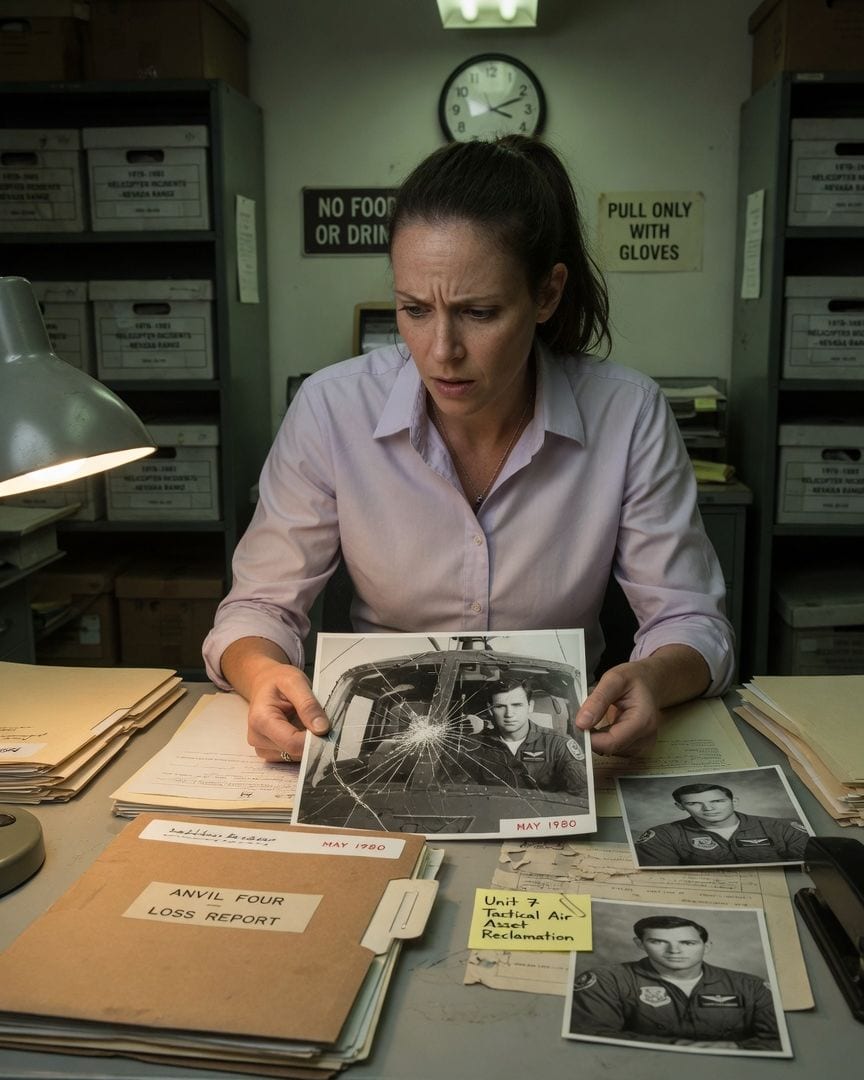 Declassified
Archivist Josie Ilnicki meticulously handled a forty-year-old file, a routine request carrying the weight of a widow's grief for helicopter Anvil Four, vanished decades ago. Inside the standard folder, she found a maintenance sheet inexplicably dated eight months after the aircraft's documented total loss and disappearance. The sheet included a photograph of a man in the cockpit, his face obscured, later identified as Benjamin Mitchell, the pilot listed as Killed In Action. But the uniform in the photo bore a unit insignia not authorized until three years after Mitchell's official death, pressing an impossible truth into the sterile archive air.
12 min read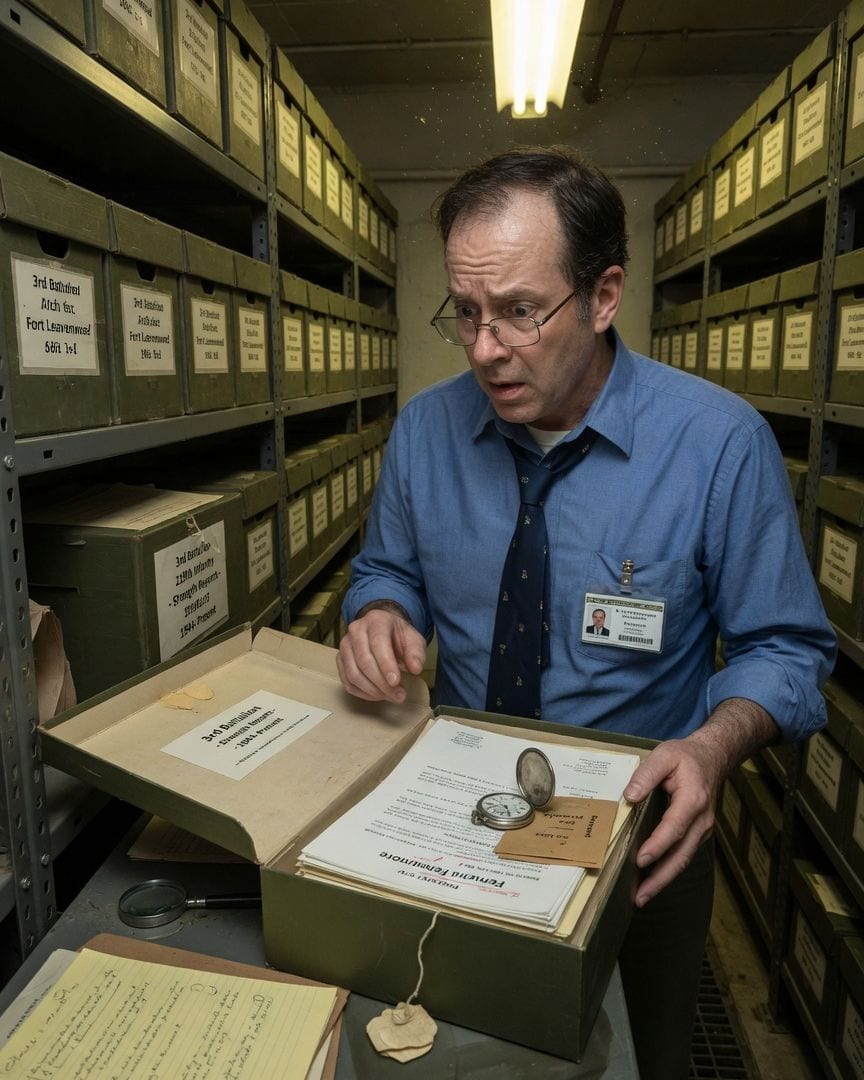 Declassified
Marcus Fennimore, a meticulous archivist, was on his final Friday at Fort Leavenwood's lineage vault, a place he knew intimately after thirty-one years. He stumbled upon twenty-two dust-sealed boxes for '3rd Battalion, 219th Infantry'—a unit that, according to every official record, simply did not exist. Inside, reports ran from 1944 to just last month, with the most recent listing his long-dead father, Kenneth Fennimore, as 'absent.' Marcus’s own father. Then, from a 1944 folder, he pulled his father's actual dog tags and a silver pocket watch, inexplicably warm and steadily ticking, freshly engraved with 'K.F. - Present for Duty.'
9 min read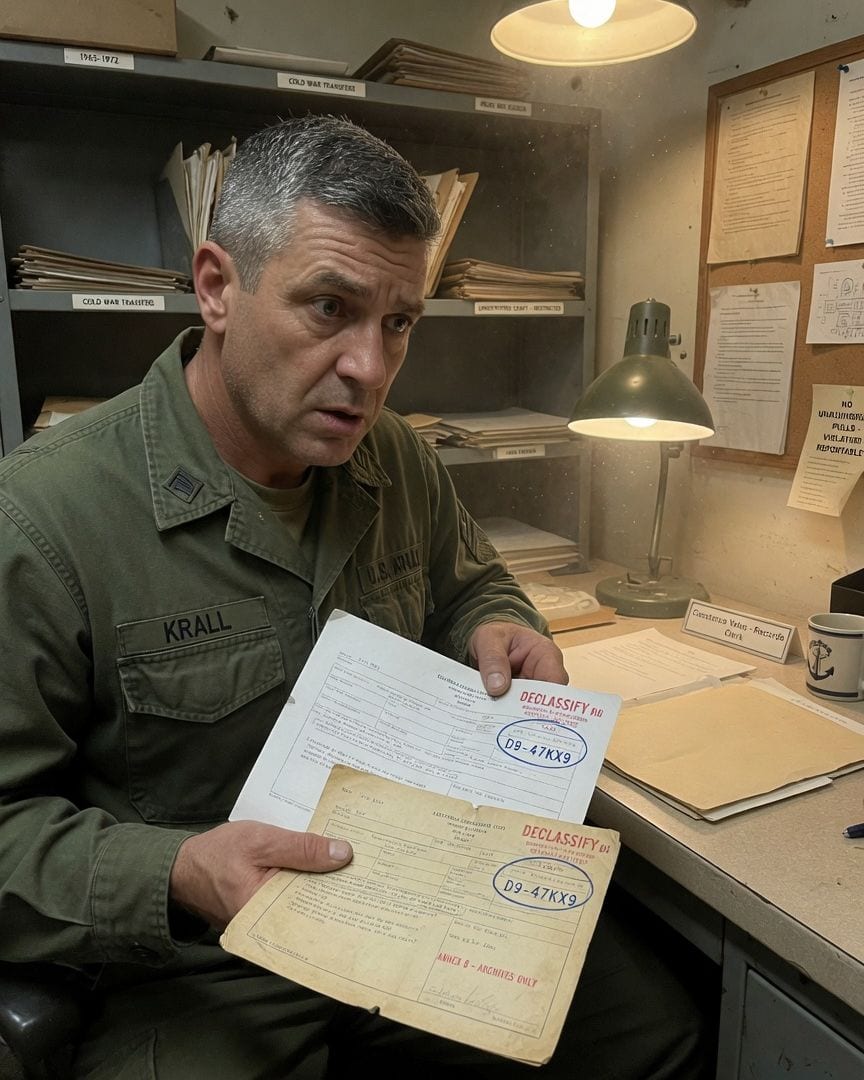 Declassified
Staff Sergeant Ivo Krall endured his last assignment before separation, eager for a quiet life in a week. The North Atlantic pitched violently, but a sealed container he was escorting refused to move; as the ship rolled thirty degrees, the dull gray box remained unnaturally plumb, defying physics itself. Krall couldn't shake the impossible sight, and back at base, he found its control number returned "UNASSIGNED" and was stamped "DECLASSIFY NEVER." The true chill came when he discovered an identical transfer log from 1967, detailing the same impossible cargo with the exact same control number. Could the same impossible object truly appear decades apart?
13 min read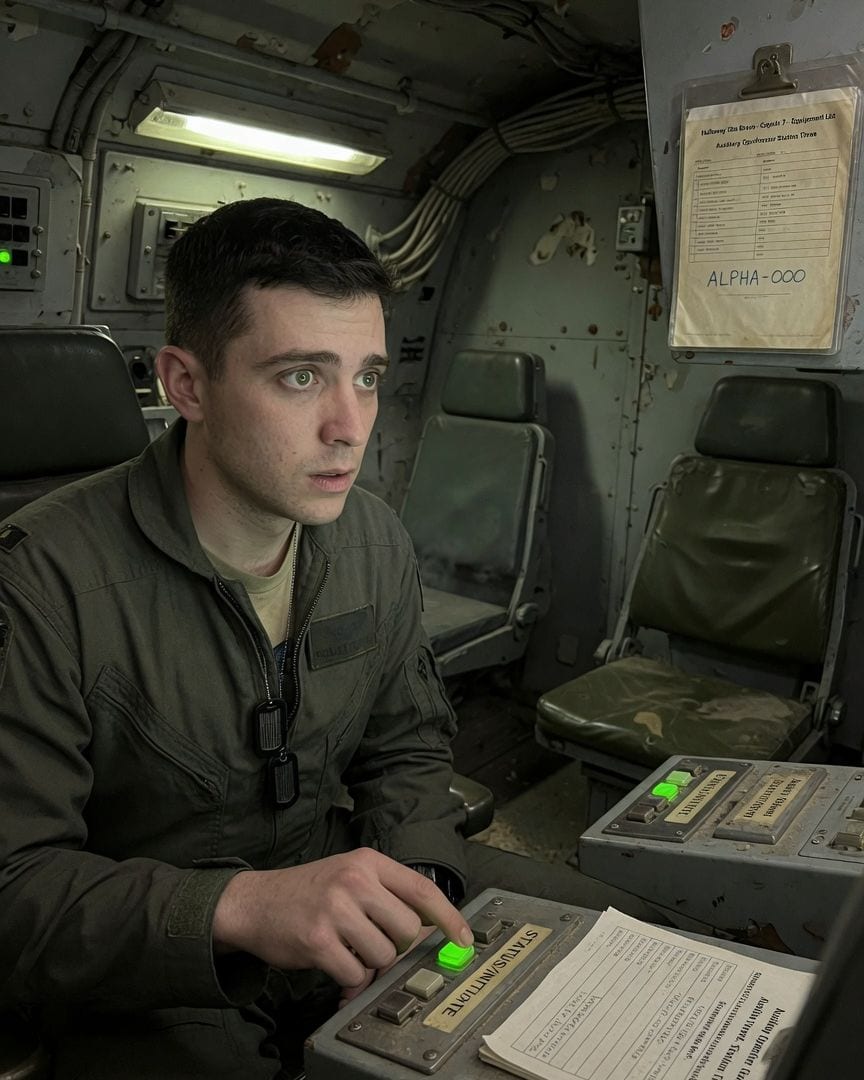 Declassified
Airman First Class Dov Kestrel was counting down the final 72 hours of Halloway Site Bravo, on his last alert watch before the facility sealed its doors for good. The capsule was built for two, but a third, unused chair always sat in the corner. Then, at 0300, a soft sigh came from that corner, as if someone invisible had just settled into the vacant seat. When Dov checked the third chair, its console felt faintly warm, and a maintenance log showed a recent entry signed by someone who wasn't there.
9 min read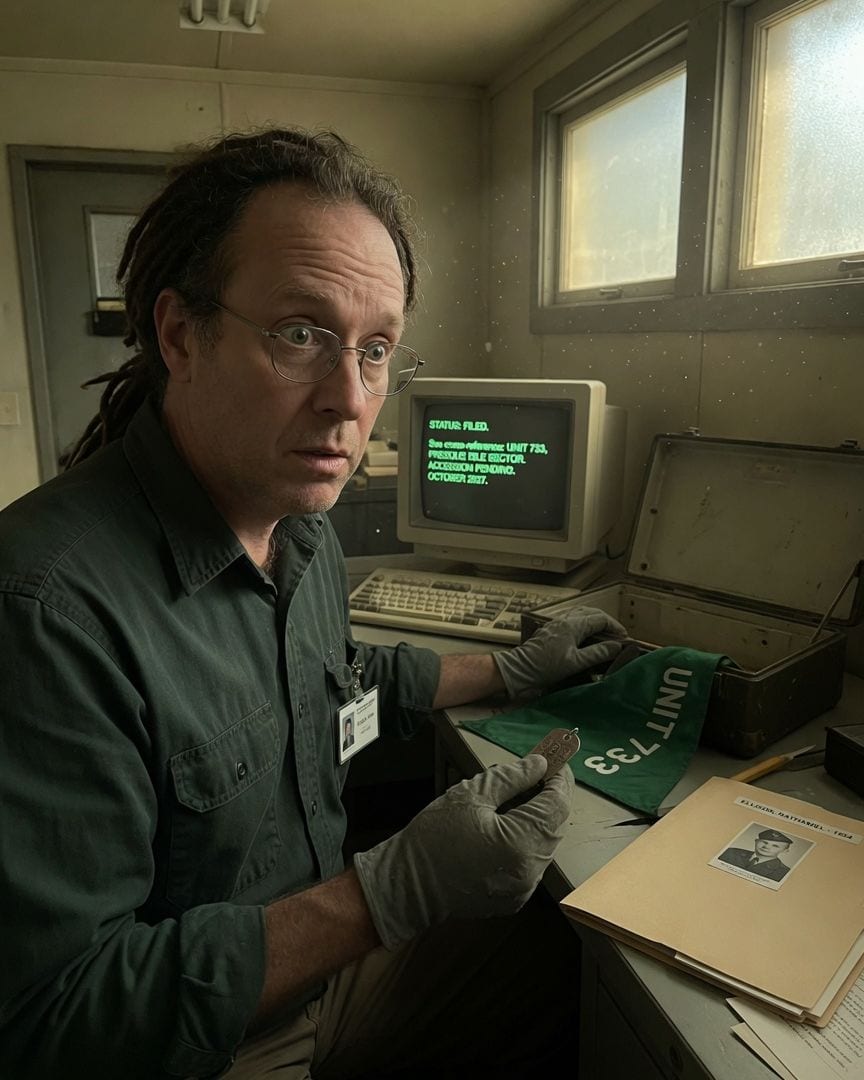 Declassified
Halden Roe, a meticulous museum curator, was carefully decommissioning the Cold War exhibit at Presque Isle. He reverently handled each artifact, preparing them for storage as dust motes danced in the weak sunlight. While unclipping a green guidon, his fingers brushed against an unexpected rigidity. Stitched inside was a laundry tag, bearing a missing airman's service number from 1954, but dated March 2025. The impossible future date on the Cold War artifact shattered everything Halden knew about history.
16 min read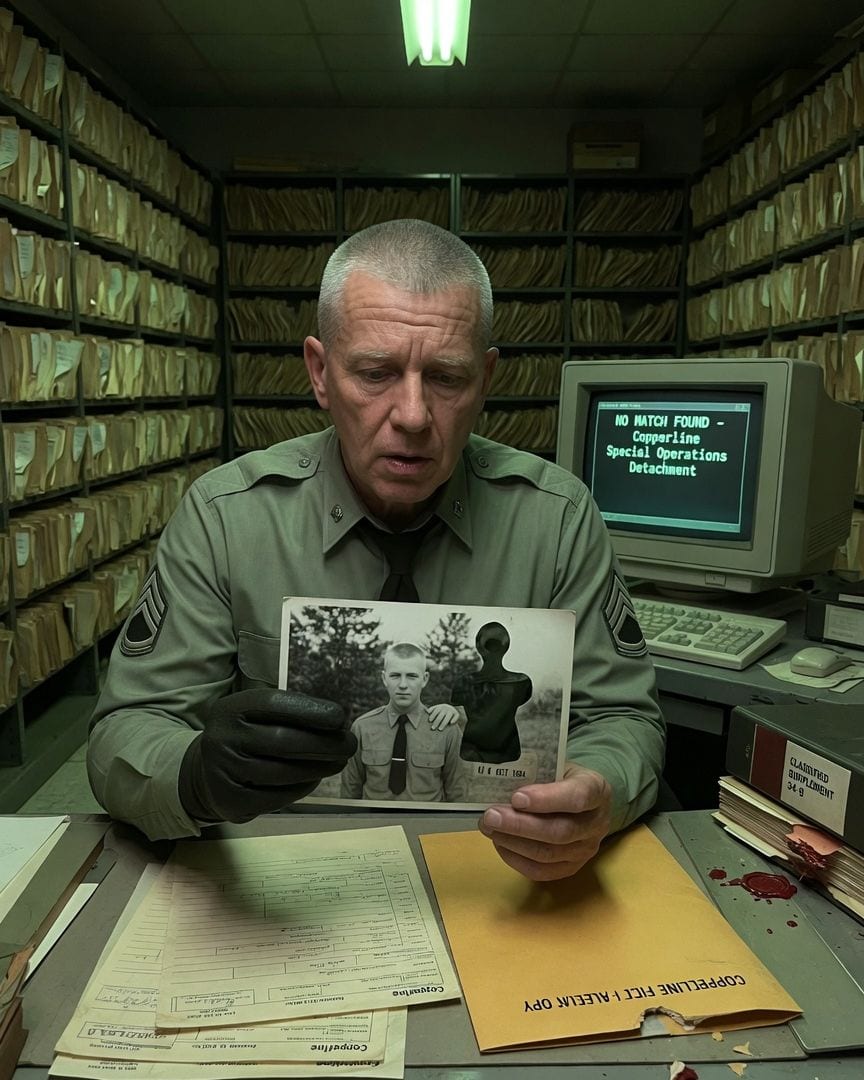 Declassified
Sergeant Major Teodor Vance had only two weeks left before his retirement, a lifetime of military order almost behind him. For thirty years, he'd pulled the 'Copperline' file, always finding it empty – until now. This time, a faint, impossible warmth radiated from the heavy manila, and inside, he found a faded photograph. It showed a younger Vance in an unrecognized uniform next to a man whose entire body had been precisely cut out of the print, from a company that officially never existed. After decades of silence, what did this warm, impossible file truly contain?
11 min read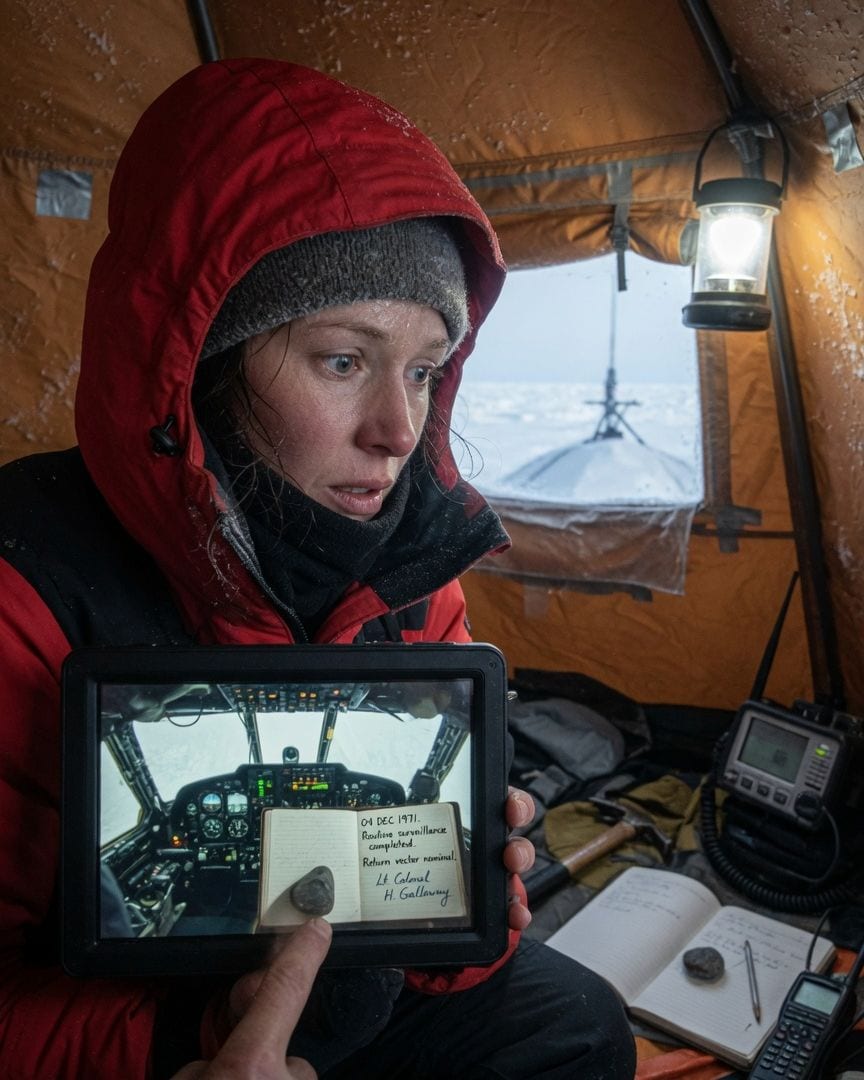 Declassified
Geophysicist Ines Faurholt pushed her ski pole into the Greenland ice, the sub-zero wind biting at her brow during a white noon. What began as a routine expedition turned chilling when her ski struck an antenna mast, leading her to a Cold War spy plane entombed sixty feet below in decades of ice. Its navigation lights still glowed, a faint hum vibrated through the frozen depths, and an impossible digital clock in the cockpit meticulously kept time. But the true impossibility emerged from the pilot's logbook: an entry dated eight years after the aircraft and its pilot, Lt. Col. Hugo Galloway, were officially declared lost. How could a vanished pilot have logged a flight almost a decade after he disappeared?
12 min read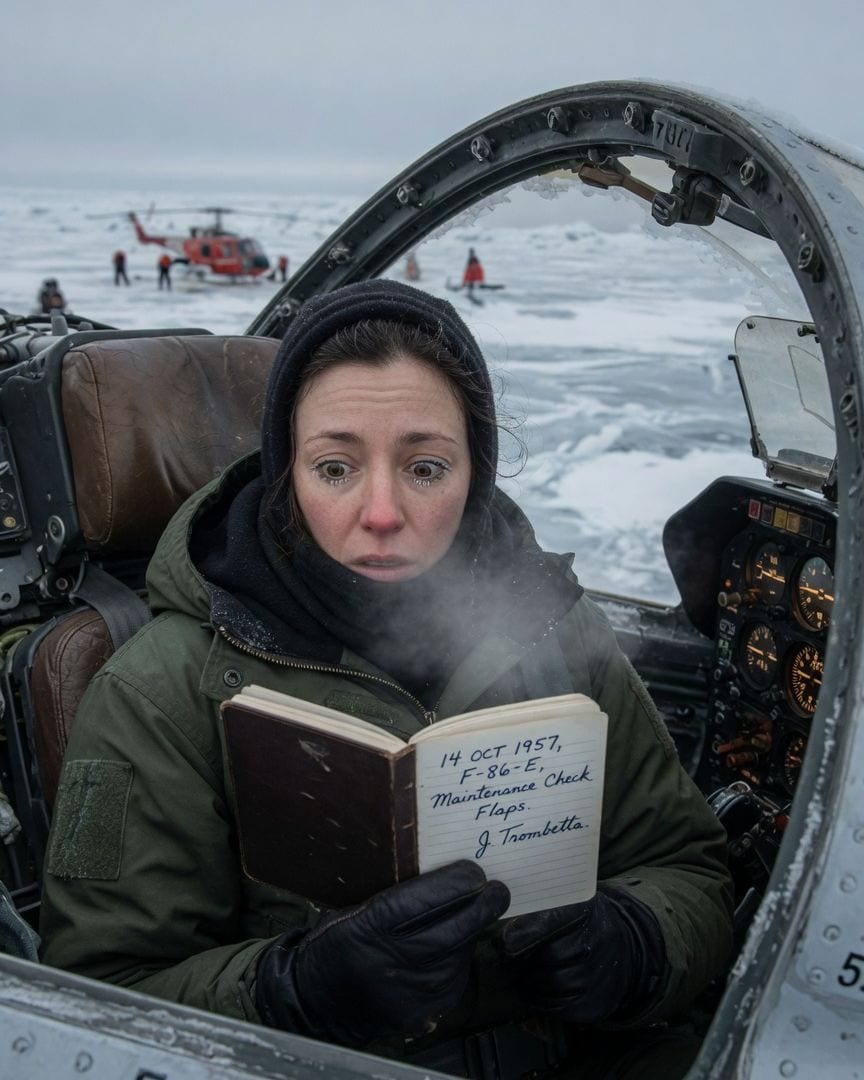 Declassified
Faye Trombetta, an expedition leader, had only three weeks before the Bering Sea froze, shutting down her climate data mission. But her trained eyes caught an impossible sight below: the black tail of an F-86 Sabre jet, perfectly preserved in the ice. The discovery stirred a lifetime of quiet grief; her grandfather had flown Sabres and vanished in 1951 during the Korean War. As she reached the pristine cockpit, she found his flight logbook, its final entry dated 1957—six years after he disappeared.
11 min read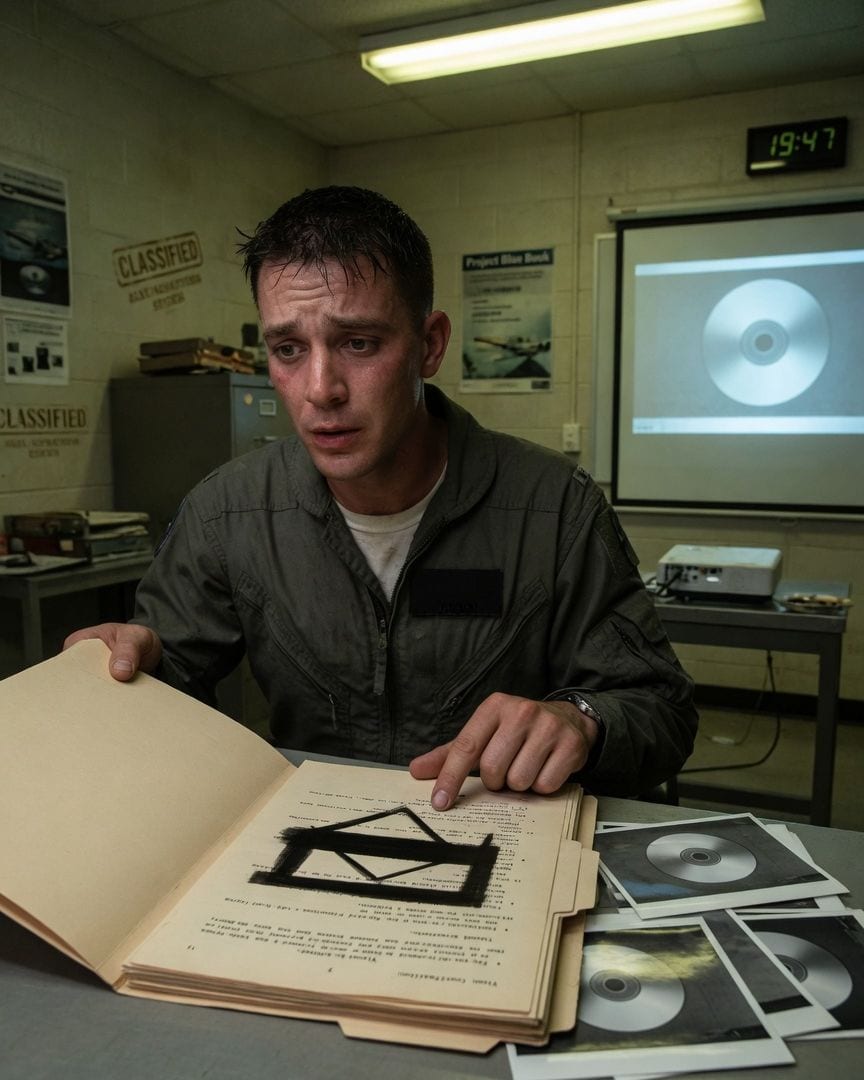 Declassified
Captain Merle Vachon had one last intercept before he could return home to his newborn daughter Nora. High over the Nevada ranges in his F-86 Sabre, he encountered a disc that moved with impossible, silent displacement, defying all known physics. Days later, the official gun camera film showed the object impossibly close, directly contradicting Vachon’s own telemetry and eyewitness account. But the true chilling detail emerged when he found a perfect diamond shape outlined by redacted black ink within his classified incident report.
12 min read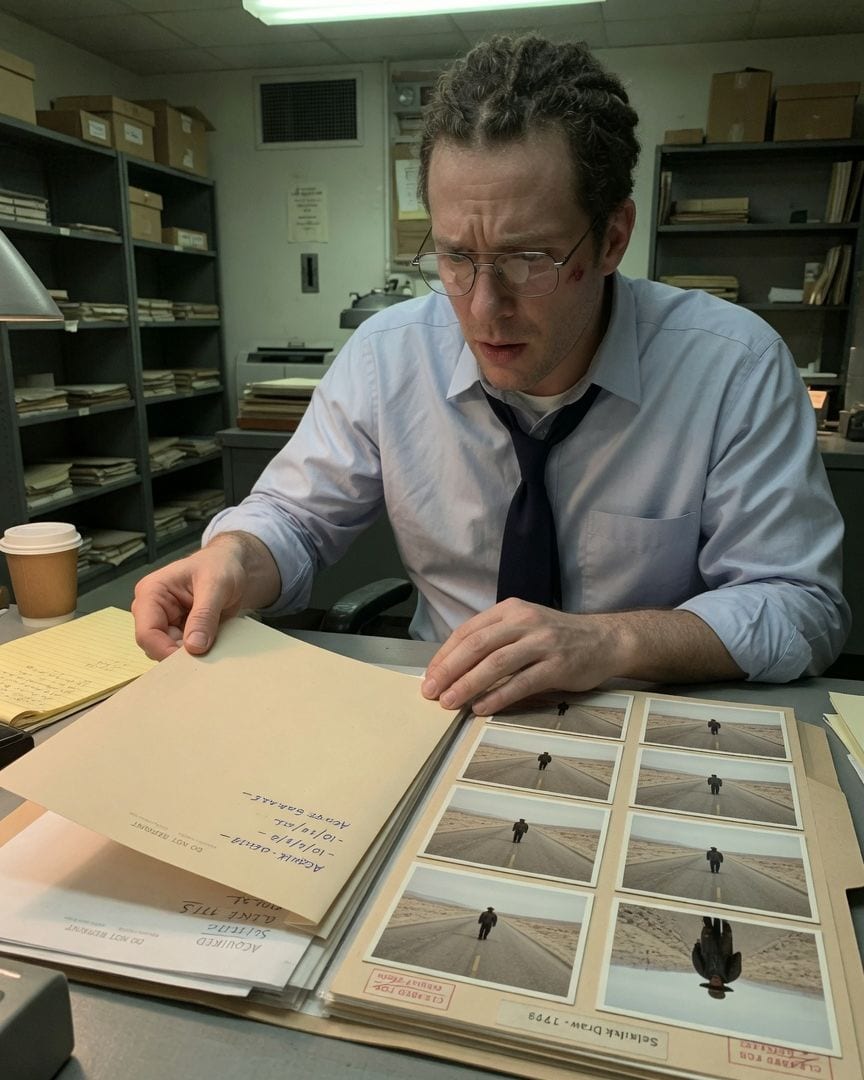 Declassified
Corwin Ashby, a declassification reviewer, expected mundane desert landscapes from a stack of 1970s photographs. Instead, he found nineteen identical shots of a desolate road, each showing a lone hitchhiker progressively closer, covering impossible miles in mere minutes. His methodical nature rebelled when he discovered the twentieth exposure was missing, marked 'DO NOT REPRINT'. But it was the hidden, unofficial annotation 'ACQUIRED' on the reverse of the index sheet that brought a cold dread, implying the hitchhiker wasn't just an image, but a physical thing taken. What could have been 'acquired' from a photograph?
10 min read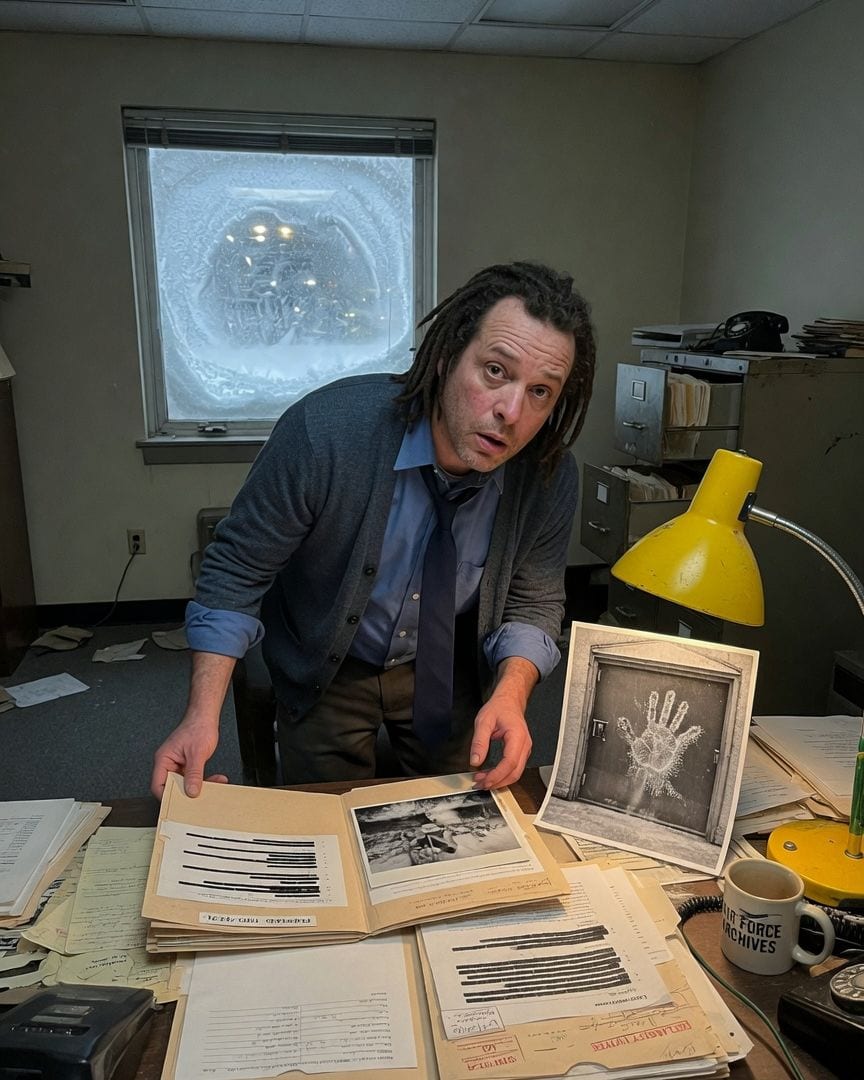 Declassified
Declassification reviewer Josiah Kemp sat in his office, the only window a blur of snow, sifting through an old government file from 1954. The Perrin Field file detailed a hangar door frozen shut from within at an unheated facility empty for two years, a detail that snagged his professional skepticism. But then he saw a grainy photograph: a six-fingered handprint mapped in frost on the *outside* of the hangar's observation port, pressed impossibly from the empty darkness *inside*. As Kemp's rational mind scrambled, he found another copy of the report, its redactions falling in wildly different places, revealing details meant to be hidden forever.
12 min read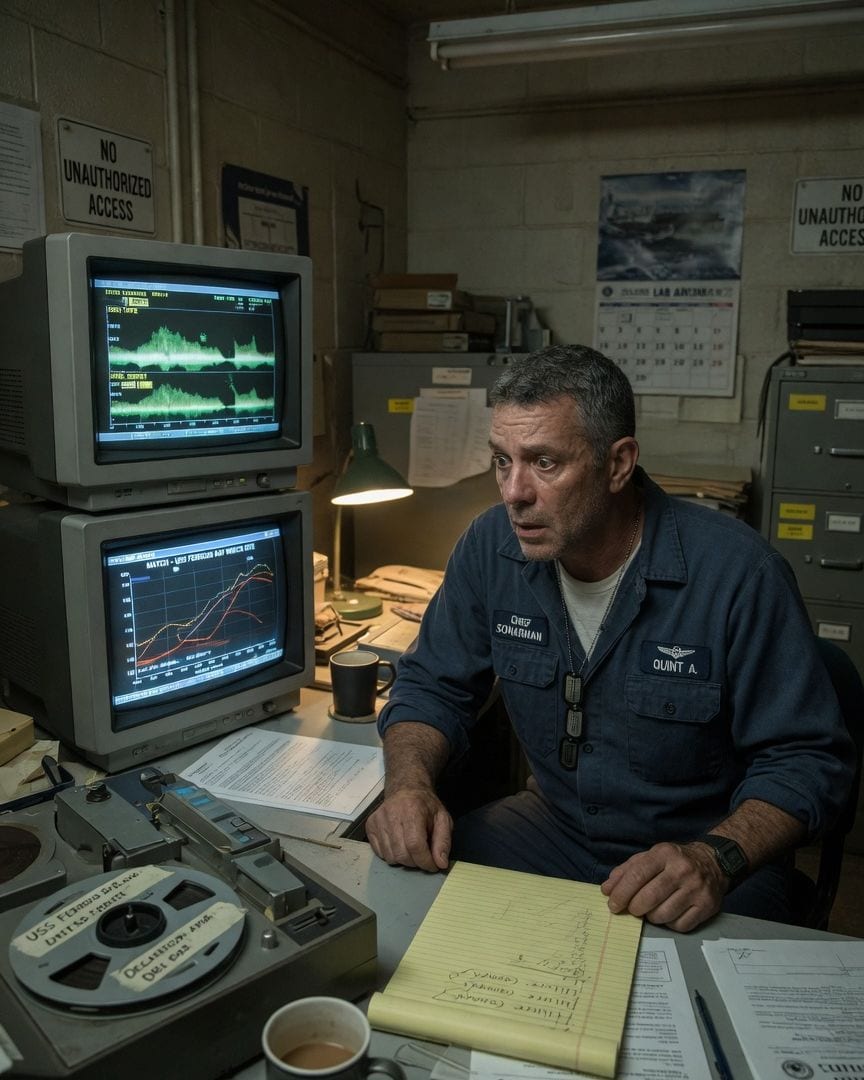 Declassified
Chief Sonarman Abel Quint, 46, had spent six weeks in a dimly lit declassification lab, meticulously replaying the last transmission of the USS Ferrous Bay. The submarine tender, lost off Kodiak in 1962, carried his father, Julian Hartley, whose calm voice Abel knew by heart. But one evening, a faint, rhythmic series of pings emerged from beneath his father’s words – a distinct cadence that, when isolated, revealed coordinates hundreds of miles from the reported loss site. Abel's dread grew as the impossible truth surfaced: the 1962 recording contained the precise location and unique acoustic signature of the wreck, discovered thirty years later. The tape wasn't just predicting; it was observing the ship's own future death rattle.
10 min read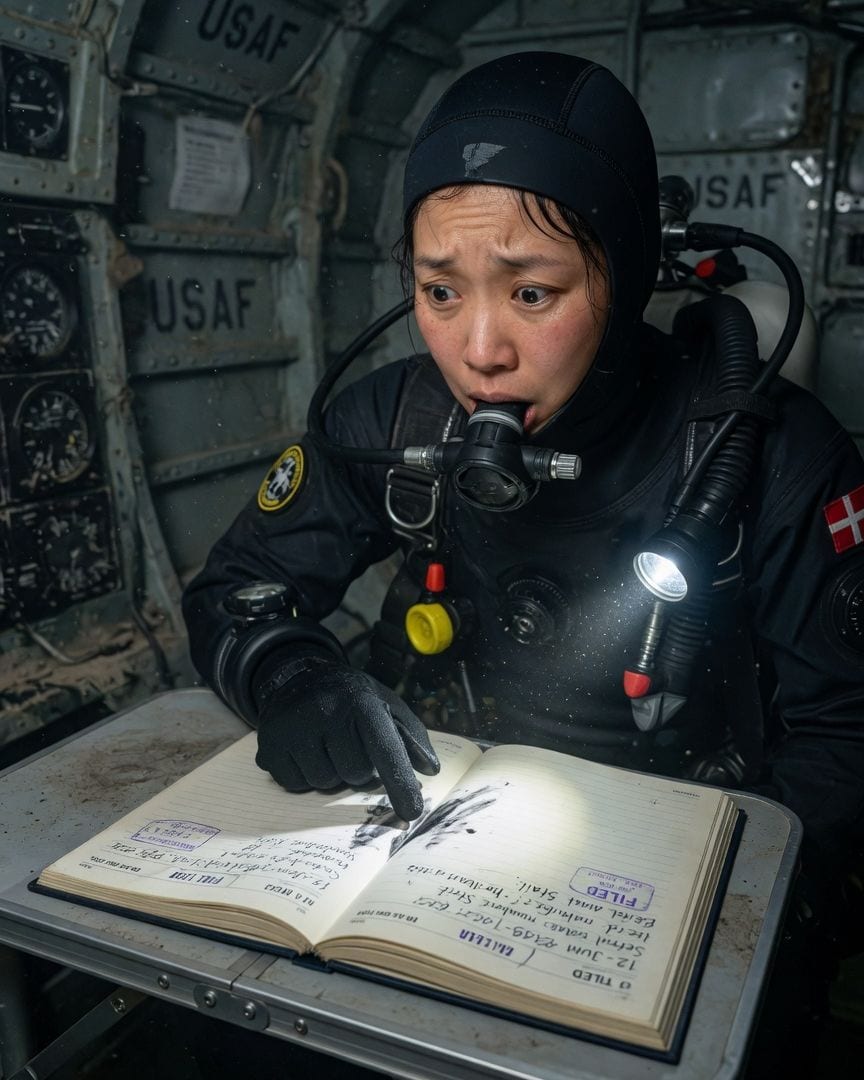 Declassified
Yuki Ammann descended into the crushing dark of the Denmark Strait, her nine-hour bottom window stretching ahead. She hoped for a glimpse of the lost B-52 bomber her father spoke of, a relic of a vanished crew. Instead, her sonar painted a perfect profile: a pristine B-52, sitting upright on the continental shelf, dry inside. A logbook lay open on its flight deck, the last entry dated today, June 12, 2024. The ink was still wet. Could her father’s stories be more than just sailor’s myths?
11 min read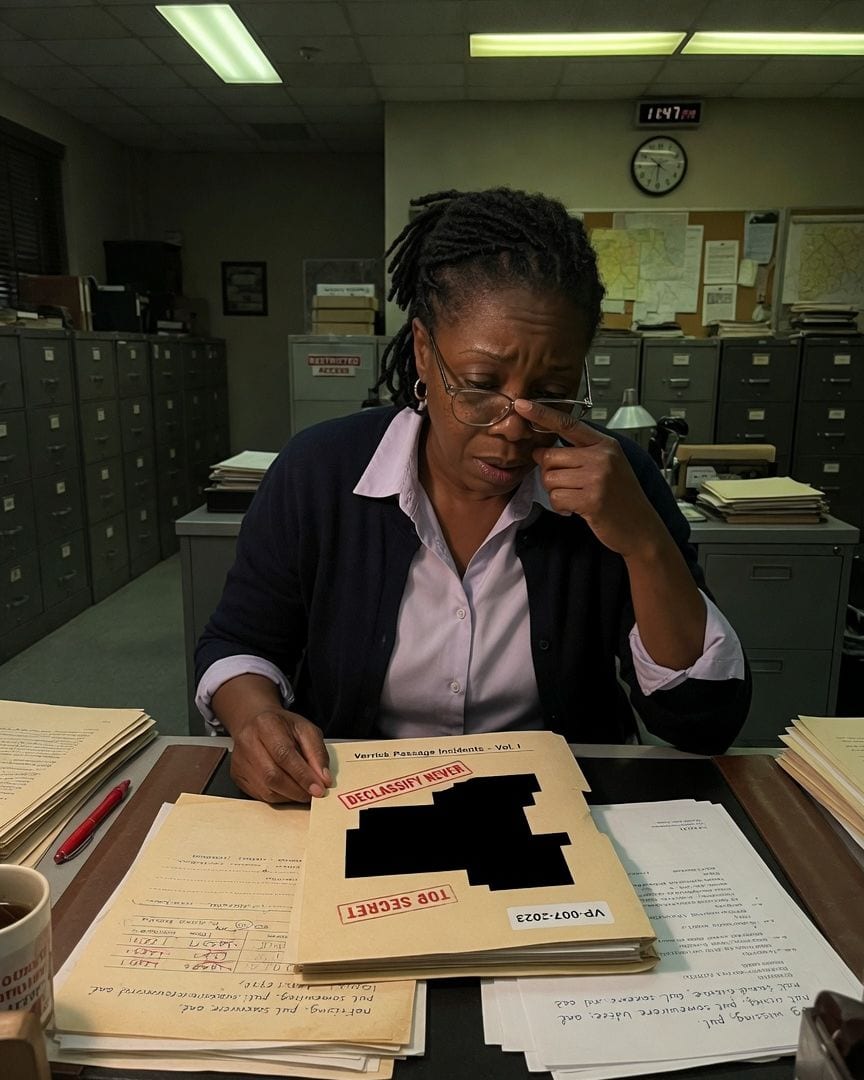 Declassified
As a declassification reviewer for the National Archives, Ione Fash faced a Sisyphean task: finding a way to downgrade records detailing the disappearances of fourteen men over eighty years. The constant hum of the office was her only companion as she meticulously examined files marked 'DECLASSIFY NEVER'. She pulled out nine witness statements, each from a different town and year, only to find them all written in the exact same distinct, looping script. Then she saw it: a control number on a file supposedly closed in 1978, dated '2023', and with no originating office in the entire archive system. Who was still signing these impossible files?
10 min read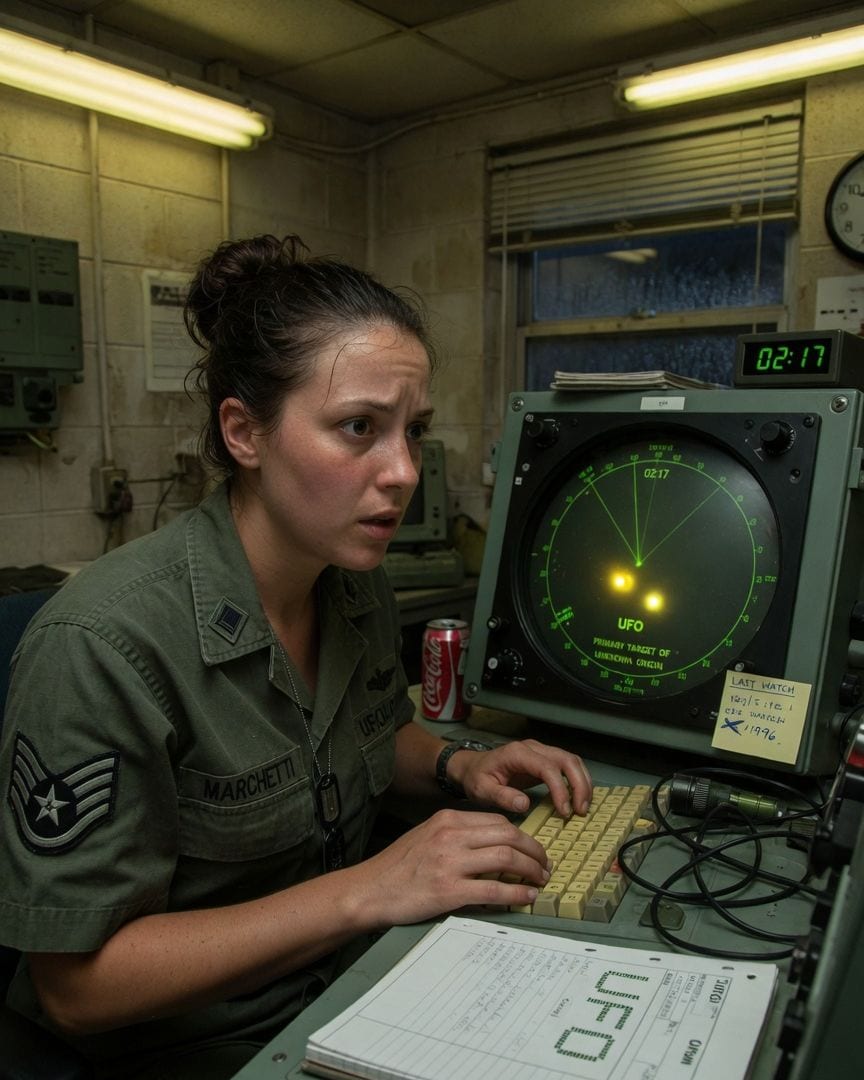 Declassified
Technical Sergeant Odile Marchetti sat alone for her final watch at Gulf Coast ground control, anticipating a quiet transfer to a desk job. The dim console glow and rhythmic radar sweep were familiar, comforting sounds until 02:17, when an airliner captain reported impossible traffic flying in formation. Odile watched a second, larger blip appear on her screen, mirroring the plane's path with impossible precision. As the captain's voice, now tinged with a faint tremor, declared his plane was flying through where the object had been, the two radar returns merged into one, impossibly stable. Later, reviewing the official dismissal, Odile discovered an airline manifest listing a passenger as 'NO SHOW' who had, by handwritten note, definitely boarded—their name redacted, the file stamped 'CLOSED'.
11 min read