 Declassified
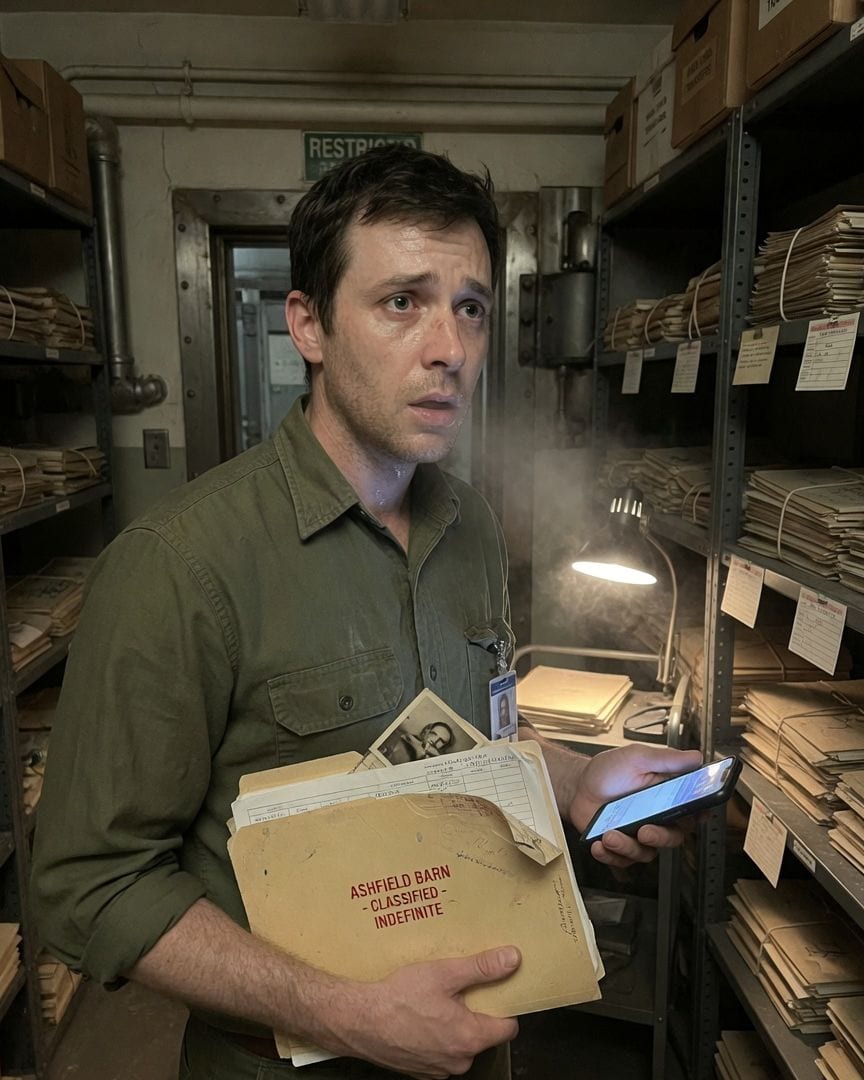
Archivist Devin Mauch was on his last shifts, transferring files before Fort Loran’s vault closed for good. Tired and ready for his own move, he uncovered a slim, classified file about the Ashfield Barn. Inside was a sepia photo of a dilapidated shed, showing boot prints leading straight to its door, with none leading out. The official caption stated a 'subject' remained 'in custody, indefinite,' a status re-signed quarterly for eighty-one years, most recently just six days ago. Driven by a chill colder than the vault itself, Devin later found the shed, its dust-covered floor bearing the same impossible prints, and then heard a soft, almost imperceptible sound from its darkness.
9 min read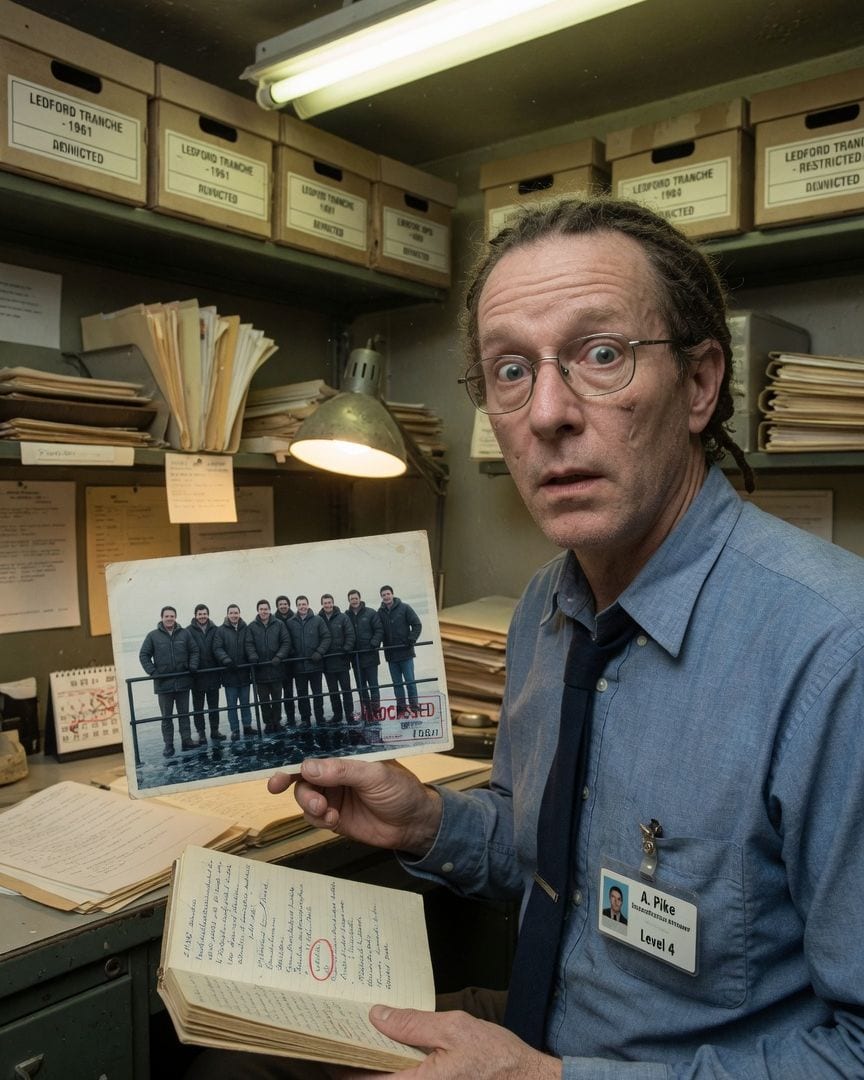 Declassified
Anson Pike, a declassification reviewer of two decades, felt his meticulous routine shatter in the cold Cheyenne vault. He closed files on eight men officially lost under ice in 1961, a tragic but routine case, until a single photograph surfaced. It showed the same eight men, smiling widely on a frozen lake, yet its processing stamp was dated 1983—twenty-two years after their disappearance. Behind them, a long, dark wake marred the ice, suggesting something immense had recently passed across the impossible scene.
10 min read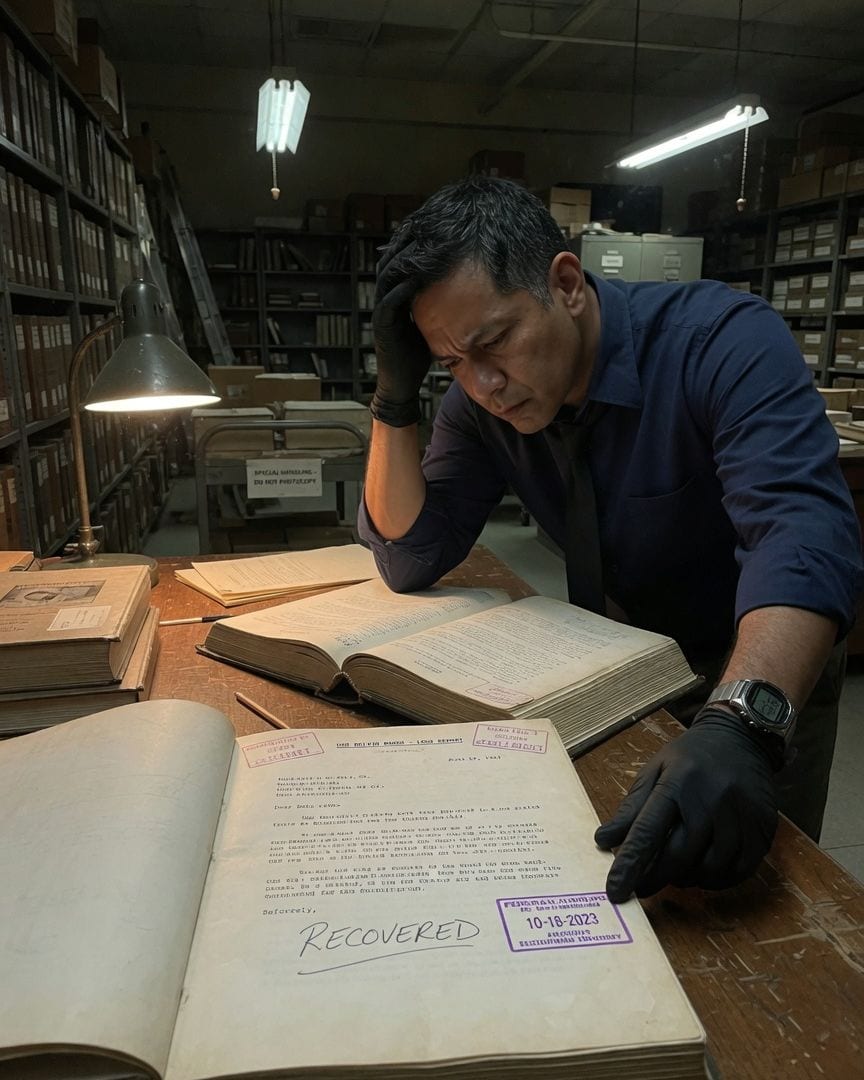 Declassified
Lieutenant Sam Ferro, a federal investigator, has only until Friday to explain an impossible detail in a 1964 Cold War loss report. In the hushed federal archive, he discovered the six-hundred-page document for the USS Delvin Marsh bore a hand-inked line: 'RECOVERED.' Beside it, an official stamp carried tomorrow's date, its ink impossibly fresh. As Ferro investigated the archive's records, he found no trace of the stamp, only a long-forgotten 'Special Handling' protocol, detailing 'Asset Integration' and 'Personnel Reclassification' for 'recovered' units. Why would a decades-old loss report suddenly reference a future recovery?
14 min read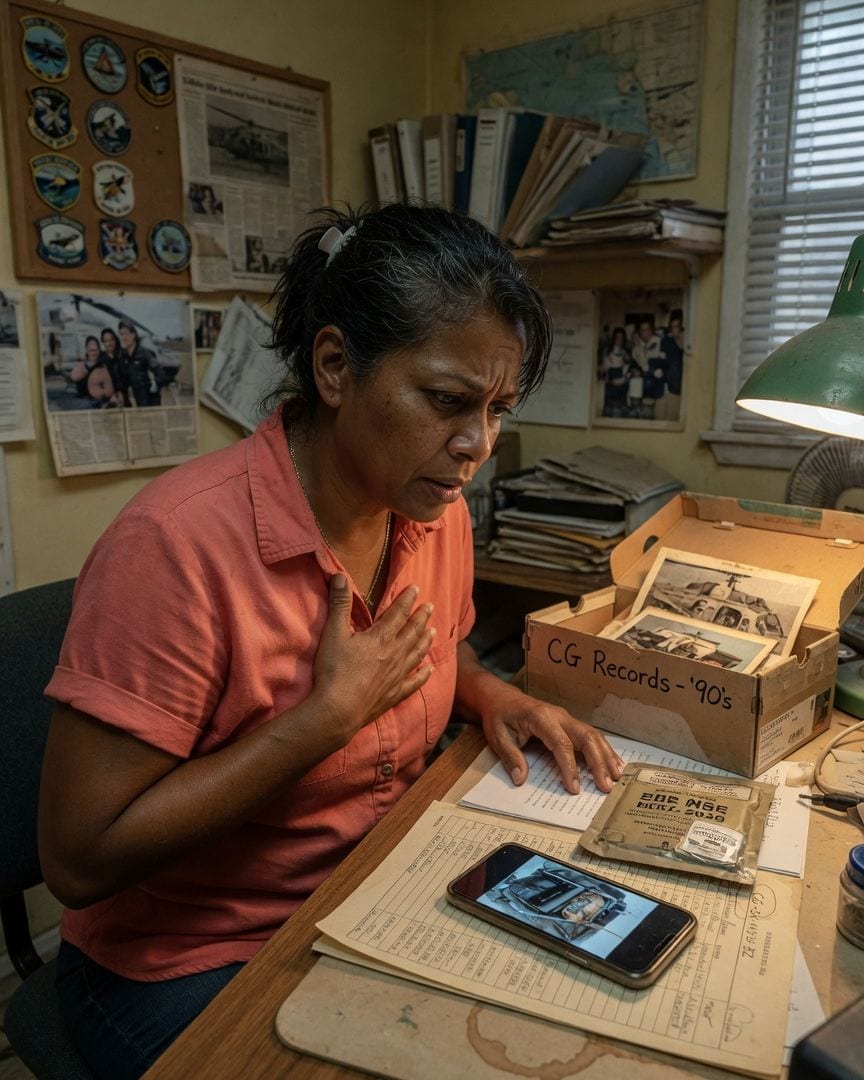 Declassified
Retired Coast Guard pilot Ada Mireles thought her days of search-and-rescue were long past, but a call about a shrimper's net dragged her back to a decision that had haunted her for decades: the lost helicopter Dune Two. On a humid Texas dock, she found Dune Two's corroded seat pan, and inside its emergency kit, surprisingly pristine MREs. Ada's breath hitched as she traced the printed date on the ration packet: "EXP: 2034" – an impossibility, as she had personally packed that very kit in 1993 with MREs that didn't even exist yet. Every rational explanation failed, and the dread tightened its grip, leaving her to wonder how a kit she sealed decades ago could hold food from the future.
13 min read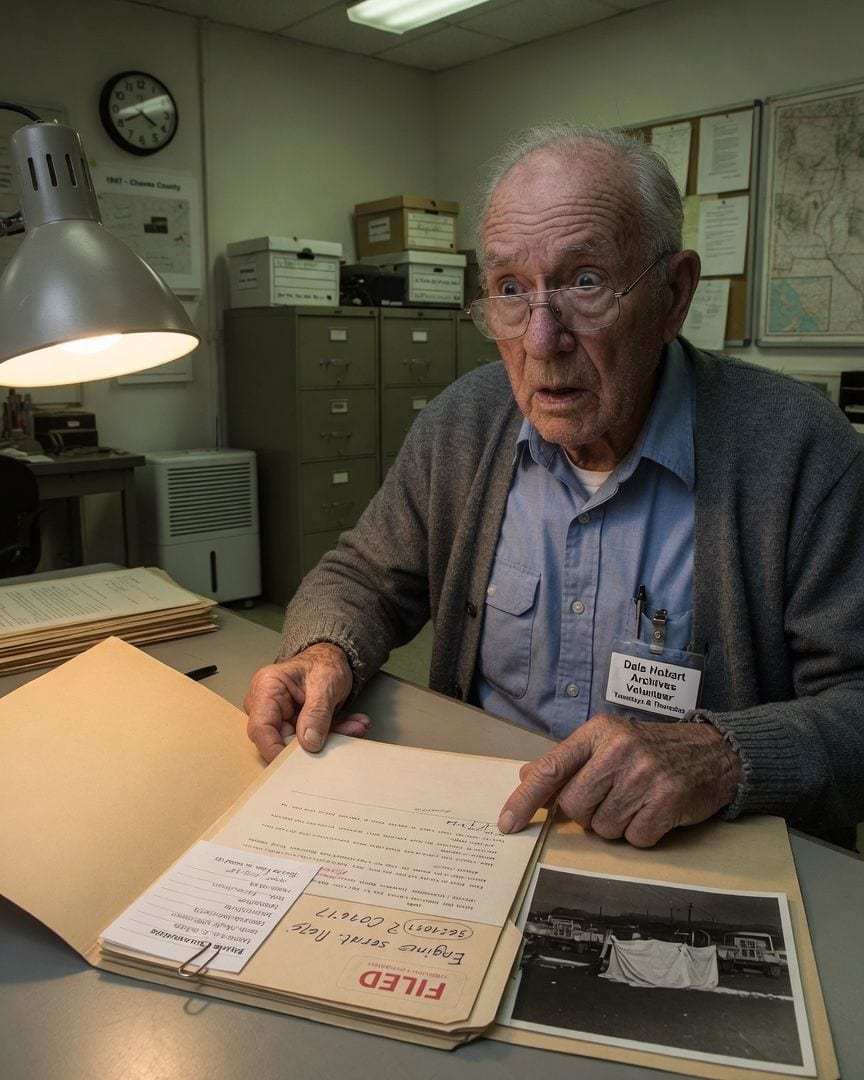 Declassified
Sergeant Dale Hobart was nearing the end of his enlistment in 1947, weary of the dusty New Mexico scrubland. He stood guard over a canvas-covered shape in a remote pasture, the ground unnaturally warm, while the farmer wondered who had called it in. Decades later, volunteering at the National Archives, 85-year-old Hobart unearthed a faded file: 'Project Nightingale - Chaves County Anomaly - March 1947'. Inside, Lieutenant Fontaine’s neat script detailed an engine serial number from a jet not conceptualized for another decade. Then Hobart found his own service number on a 'special recovery team' manifest fifty miles away, on the exact same impossible date and time.
10 min read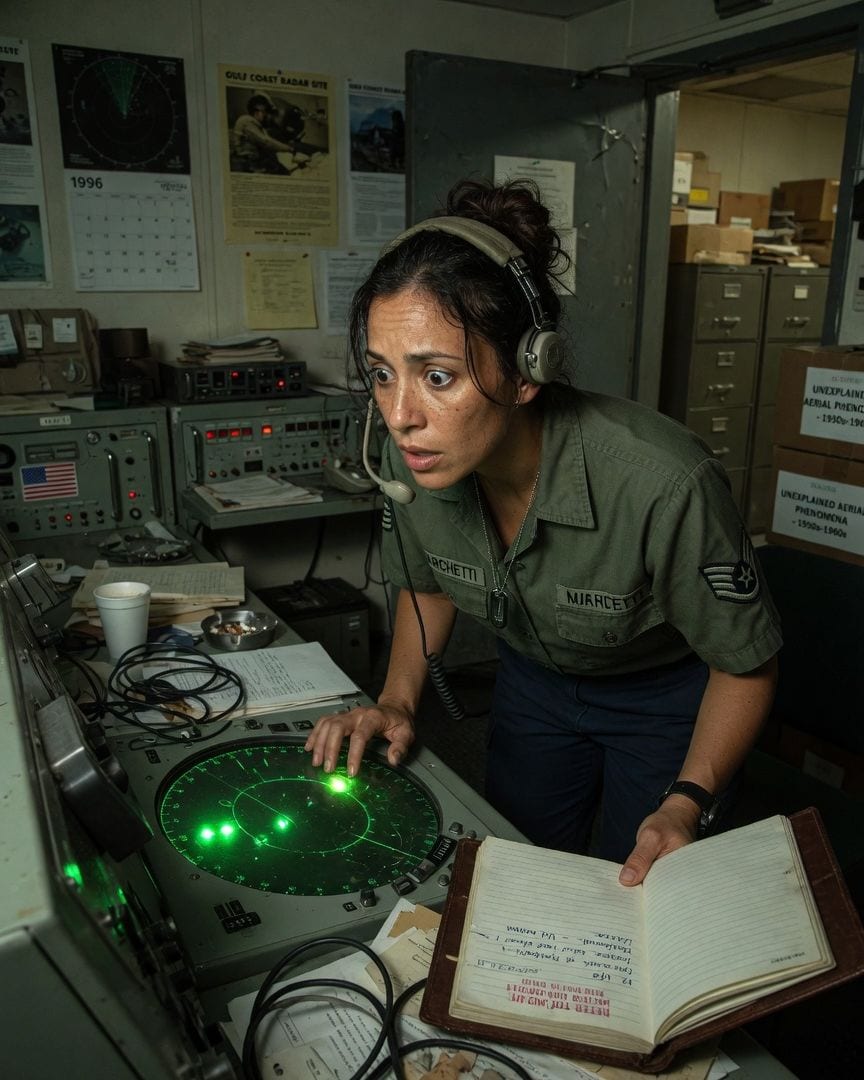 Declassified
Technical Sergeant Odile Marchetti was winding down her last few weeks as a radar operator at a remote Gulf Coast site in 1996. Alone in the cavernous room, she watched the green glow of her scope, the only light cutting through the pre-dawn gloom. At 2:30 AM, an airliner reported something flying in formation—a craft Odile couldn't see, until a massive, impossible blip bloomed beside it on her screen. After the pilot reported flying straight through empty air, Odile logged the UFO, only to find a faded, decades-old code already stamped on her logbook entry, identical to one on a missing jet report from 1958. Had this happened before, and was her own entry just a pre-written footnote in a much older, terrifying file?
14 min read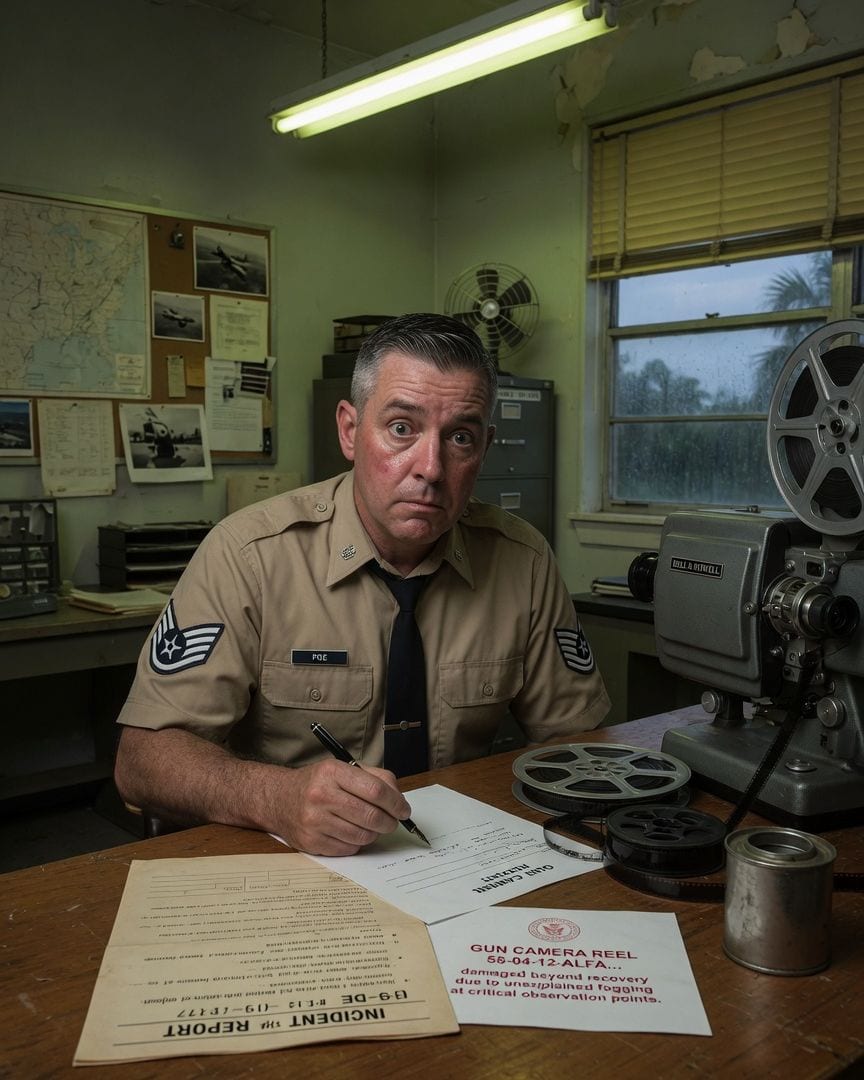 Declassified
Master Sergeant Elgin Poe, the last observer in a humid Florida lab in 1958, knew his career was built on precise observation. He threaded a 'hot' gun camera reel, expecting to analyze an anomalous aerial phenomenon. Instead, frame by frame, a silvery disc held formation off a fighter jet's wing, then deliberately rotated its featureless face to look directly into the camera lens. Elgin had never seen a target look back. But when he submitted his meticulous report, the official response was a manufactured lie, declaring his perfectly clear film 'damaged beyond recovery' and the object a 'weather balloon'.
10 min read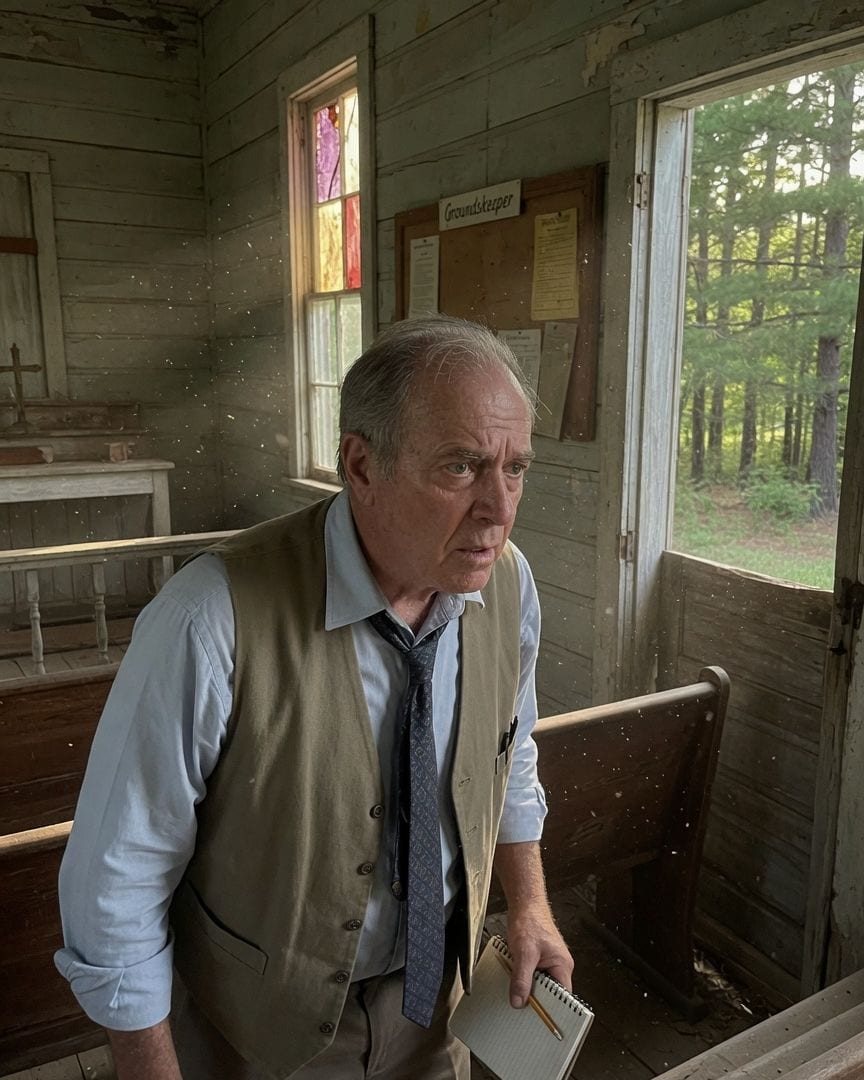 Declassified
Owen Sarkis, a lineage historian nearing retirement, sought to close his career with one final, simple project: resolving the mystery of the phantom 250th Chemical Company. His search led him deep into a Carolina pine forest, to an isolated chapel with a meticulously mowed plot. Forty-one headstones stood in neat rows, each bearing a name and regimental number, but beneath every name, the dates of birth and death were unsettlingly blank. The local groundskeeper hinted the men "just… left," and Owen found their names on no military lists after 1955; their lives seemed erased. But the true shock came with a "TOP SECRET" military transfer order, listing all 41 men from the chapel, ordered to a non-existent facility *two weeks after* their supposed burial. What really happened to the 250th Chemical Company?
10 min read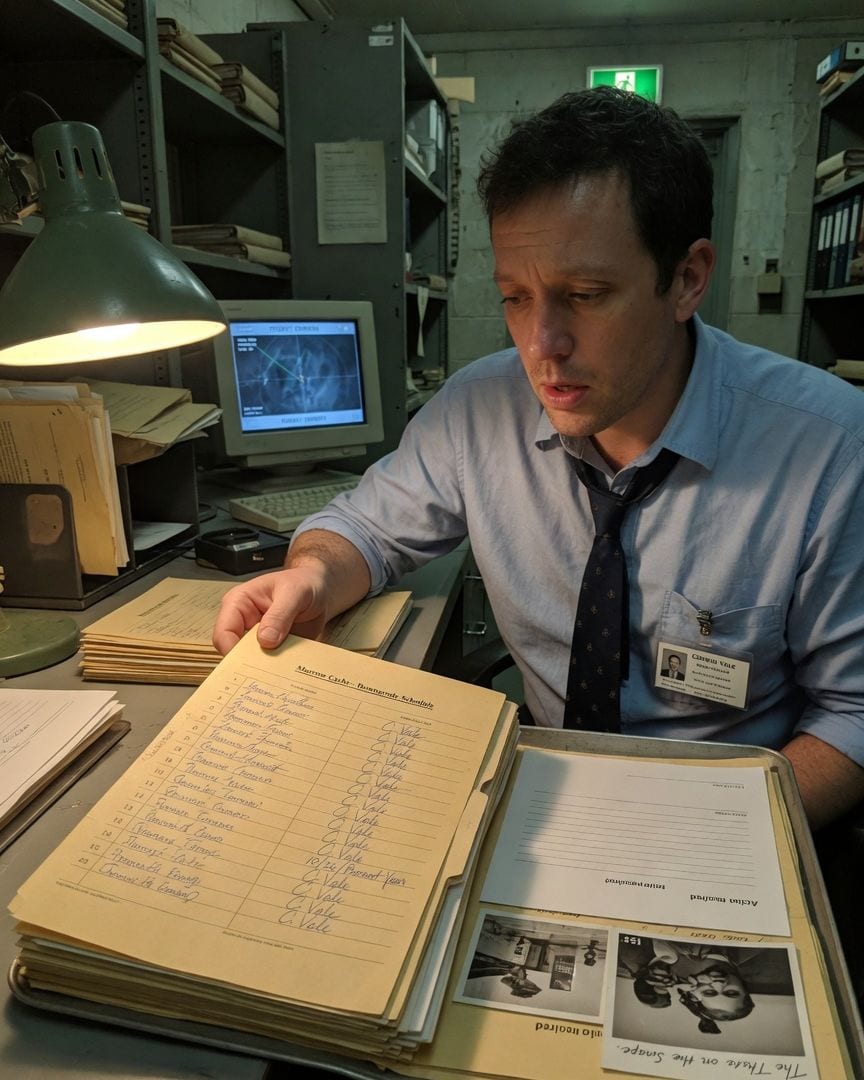 Declassified
Chief Archivist Corwin Vale aimed to unravel the bureaucratic enigma of the Marrow Cache file, perpetually extended since 1972. In the cold, ozone-scented vault of Fort Ruthven, he sought to discover who was signing off on the endless delays. His breath hitched when he found his own signature on the log, dated this very morning, despite being home sick. But then, a chilling discovery: another identical signature, dated 1988, years before he was even employed. What impossible hand was tracing his name through time?
10 min read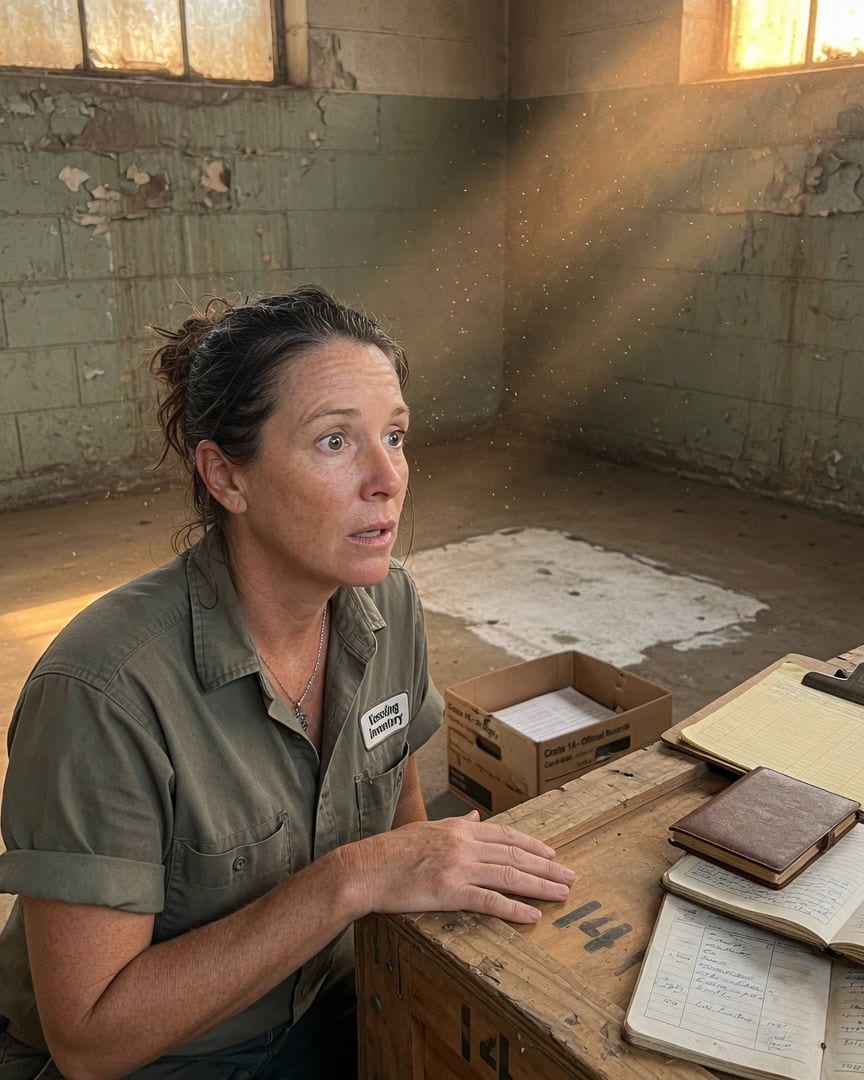 Declassified
With demolition crews just a day away, inventory specialist Deborah Kessling raced through the vast, dusty Carolina warehouse, tasked with logging its final forgotten equipment. In a cold, far corner, she discovered Crate 14, an unremarkable box that inexplicably radiated an absolute, bone-deep chill, having spalled the concrete beneath it for decades. Her research uncovered an official logbook detailing quarterly signatures for sixty years, unbroken by base closures or disasters, but a hidden ledger revealed an entry from 1980 signed by Lars Thornton, a logistics officer confirmed dead since 1975. As Deborah read the dead man's words describing 'a faint, rhythmic pulse,' a subtle thrum began to vibrate through the floor beneath her feet. What was Crate 14 protecting?
10 min read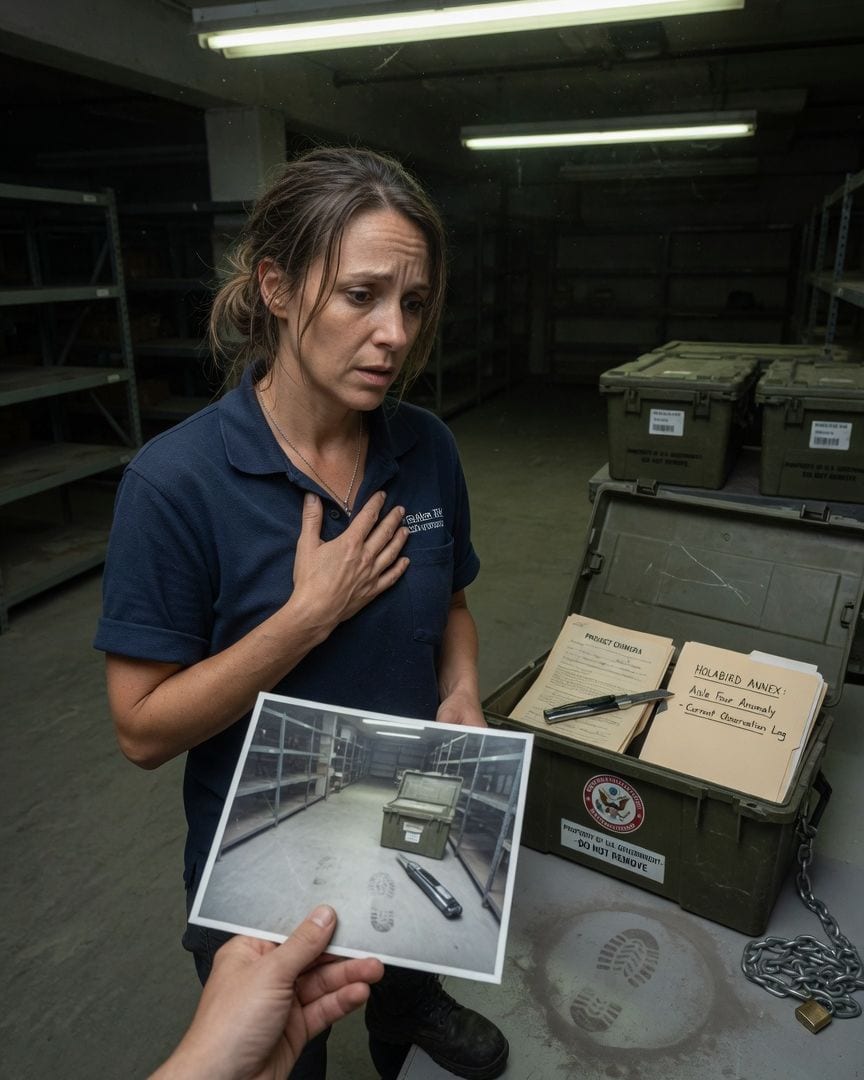 Declassified
Elke Sarrazin, a forty-year-old logging clerk, felt the cold finality of her last week at Fort Holabird annex. The vast, echoing storage facility, slated for demolition, was almost empty as she meticulously logged the last sealed government crates for off-site storage. But Monday morning, a crate she had moved and logged days earlier sat precisely back in aisle four, its official seal unbroken and a fresh ring of dust around it. After it returned multiple times, Elke found a distinct boot print not her own beside it, then later, inside the crate, a glossy photograph of that very aisle, taken moments ago, showing the same impossible boot print.
14 min read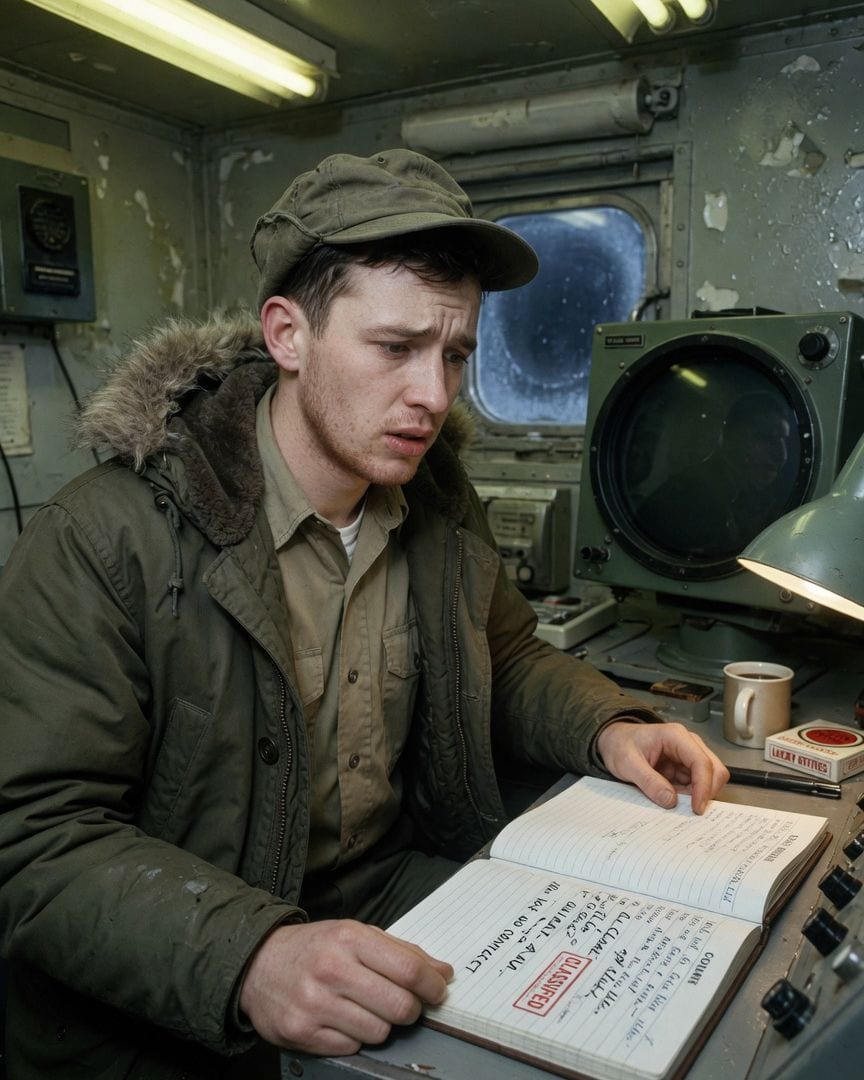 Declassified
Airman Ordway Vance, 22, manned the radar dome at Site Pellin in the biting North Atlantic dark of January 1962, running the last calibration sweep before its decommissioning. His scope picked up a faint, impossible return, growing closer with each pass, though the ocean remained empty to the eye. When Vance detailed the contact in his official logbook, a 'CLASSIFIED' stamp appeared, followed by a hastily scrawled 'ALL CLEAR' dated moments before his own entry, contradicting his every word. Commander Hartley dismissed it as equipment malfunction, but Vance sensed a chilling, official erasure behind the lie. He soon found a locked cabinet marked 'SITE PELLIN ANOMALIES,' hinting at a deeper truth buried within the base's final days.
13 min read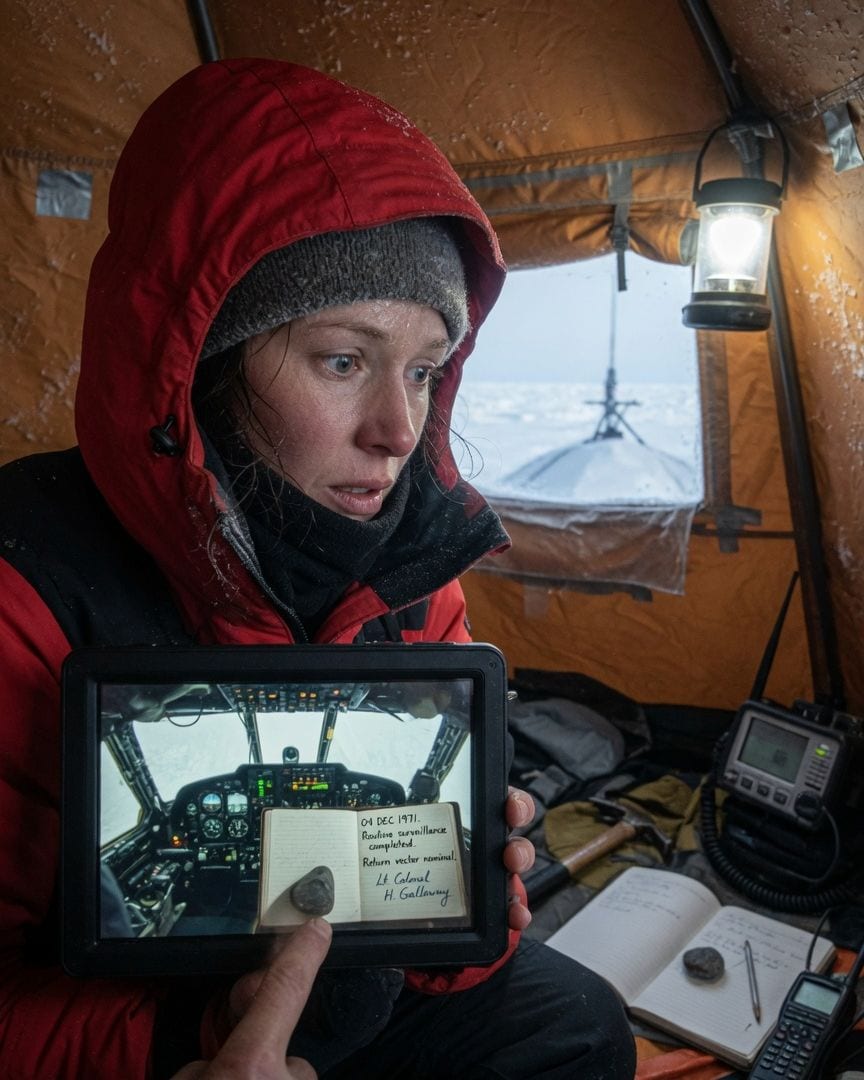 Declassified
Geophysicist Ines Faurholt pushed her ski pole into the Greenland ice, the sub-zero wind biting at her brow during a white noon. What began as a routine expedition turned chilling when her ski struck an antenna mast, leading her to a Cold War spy plane entombed sixty feet below in decades of ice. Its navigation lights still glowed, a faint hum vibrated through the frozen depths, and an impossible digital clock in the cockpit meticulously kept time. But the true impossibility emerged from the pilot's logbook: an entry dated eight years after the aircraft and its pilot, Lt. Col. Hugo Galloway, were officially declared lost. How could a vanished pilot have logged a flight almost a decade after he disappeared?
12 min read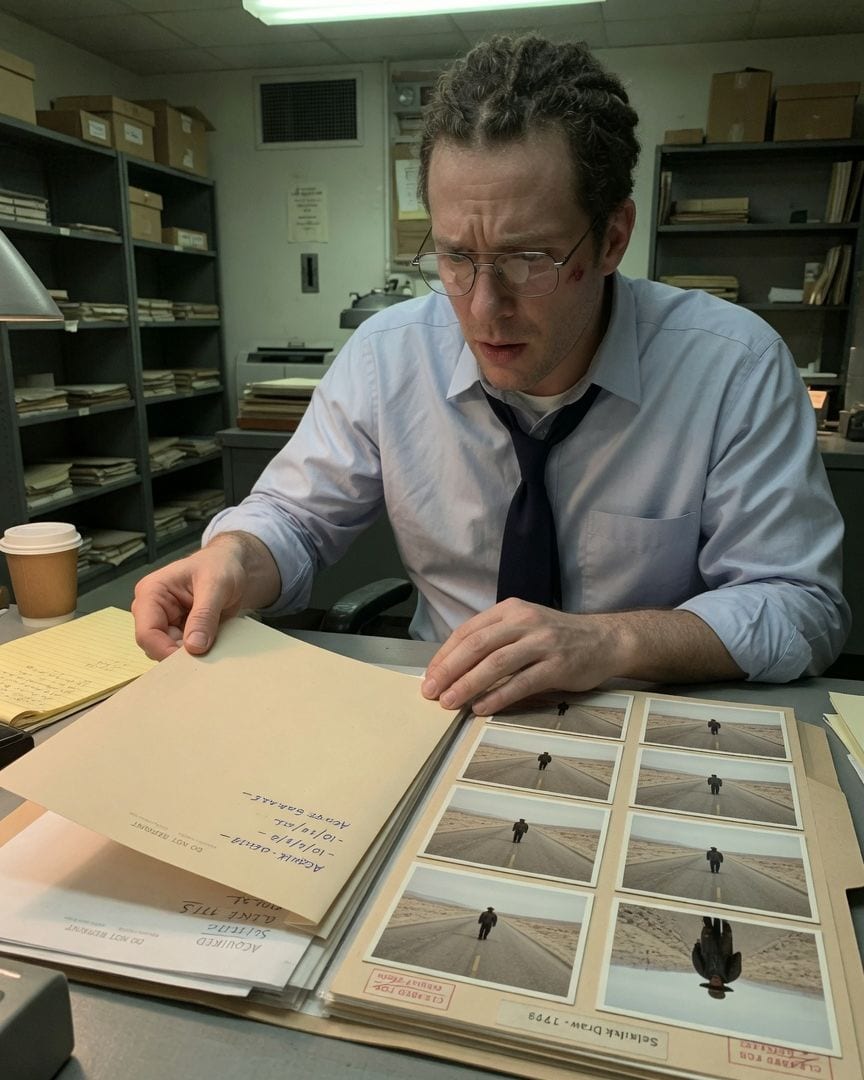 Declassified
Corwin Ashby, a declassification reviewer, expected mundane desert landscapes from a stack of 1970s photographs. Instead, he found nineteen identical shots of a desolate road, each showing a lone hitchhiker progressively closer, covering impossible miles in mere minutes. His methodical nature rebelled when he discovered the twentieth exposure was missing, marked 'DO NOT REPRINT'. But it was the hidden, unofficial annotation 'ACQUIRED' on the reverse of the index sheet that brought a cold dread, implying the hitchhiker wasn't just an image, but a physical thing taken. What could have been 'acquired' from a photograph?
10 min read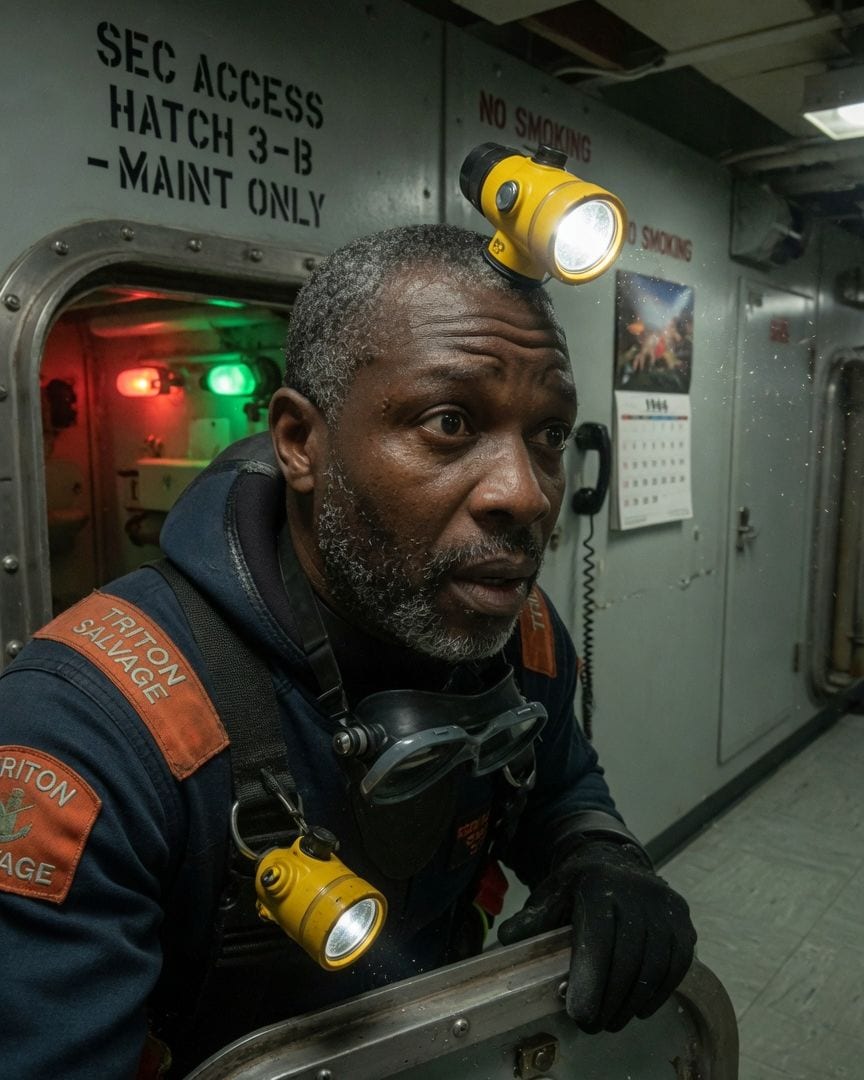 Declassified
Salvage Master Bram Oduya, a man dedicated to finding the lost, stared at an impossible sonar readout in the calm Java Sea. Beneath his vessel, the Triton, lay the USS Palo Cinder, an escort vessel officially lost in 1966. What truly froze him were its running lights, burning steady and bright after nearly six decades in salt water. He ordered his ROV to surface, and as its camera rose into position, it captured the impossible sight: the Palo Cinder, motionless, yet showing a faint bow wave around its pristine hull. Bram knew this was no ordinary wreck, and he prepared for a dive, determined to touch the seam where reality had torn open.
11 min read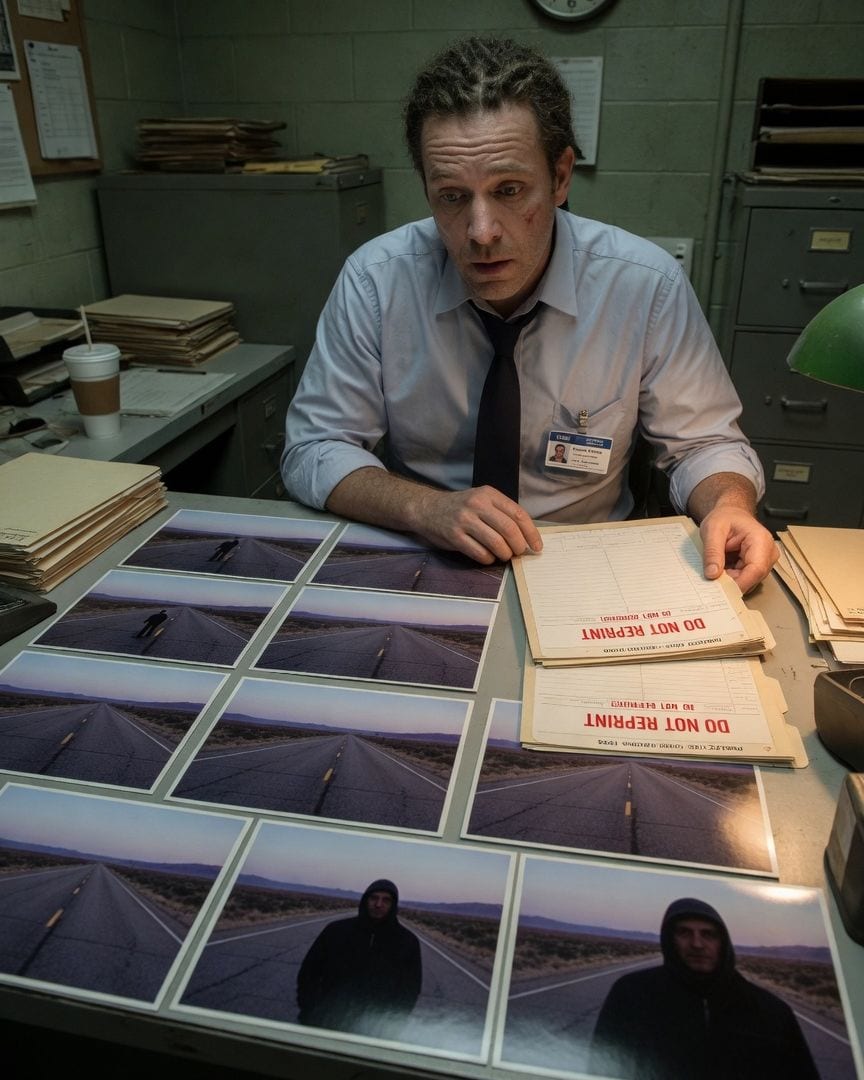 Declassified
Reviewer Corwin Ashby, whose professional life was built on faith in official records, pulled a Cold War-era file from the backlog, expecting routine images. Instead, he found nineteen glossy prints of an empty Nevada highway, each showing a lone hitchhiker advancing impossibly fast towards the lens. The twentieth photo was missing, replaced by a stark 'DO NOT REPRINT' stamp. Corwin's search for an explanation led him to a second, identical file from 1958, revealing the same impossible sequence and another vanished photographer. What secret did these missing photos hide?
10 min read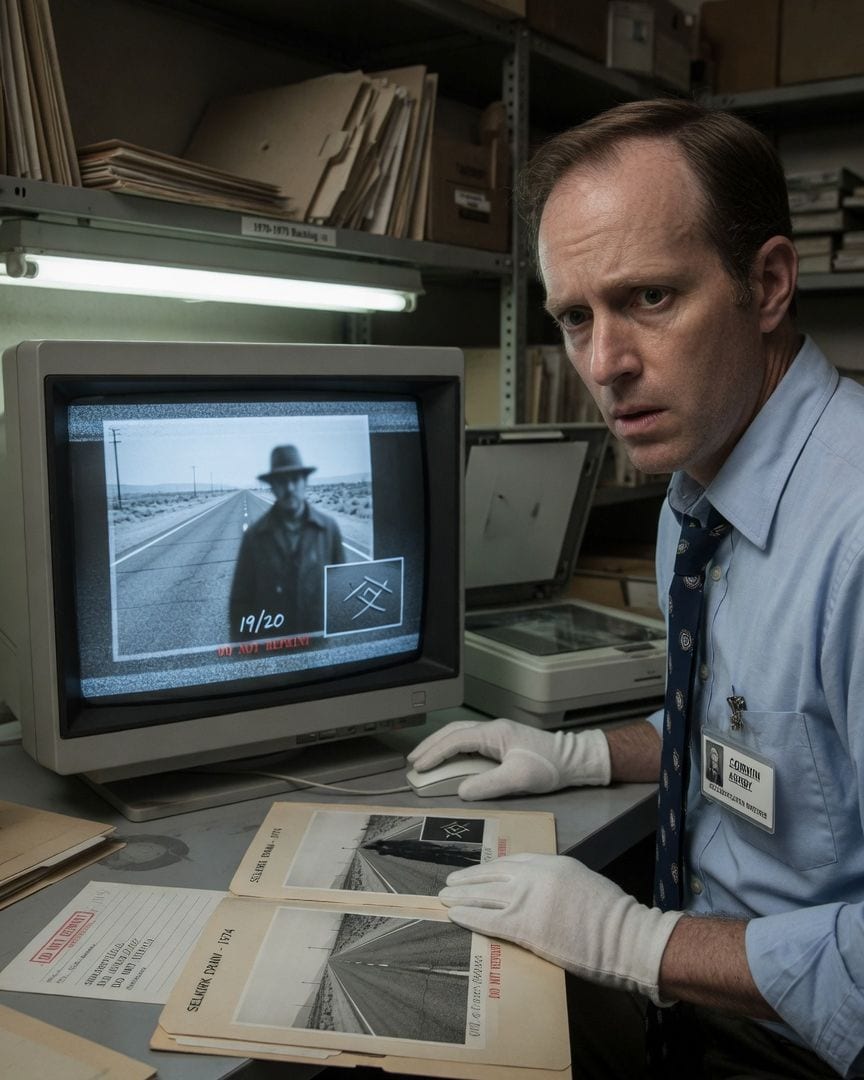 Declassified
Corwin Ashby, a declassification reviewer whose life revolved around meticulous order, pulled a dusty file from a 1974 backlog. Inside, nineteen black-and-white photographs tracked a lone hitchhiker on a desolate Nevada road, each image showing him steadily nearing the camera until his face blurred inches from the lens. The twentieth photo was missing, but its slot bore a stark 'DO NOT REPRINT' stamp and the unsettling handwritten notes: 'SUBJECT ACQUIRED' and 'DO NOT VIEW.' As Corwin tried to digitally enhance the final available image, the hitchhiker's blurred eyes in the photograph seemed to shift, looking directly out of the frame.
10 min read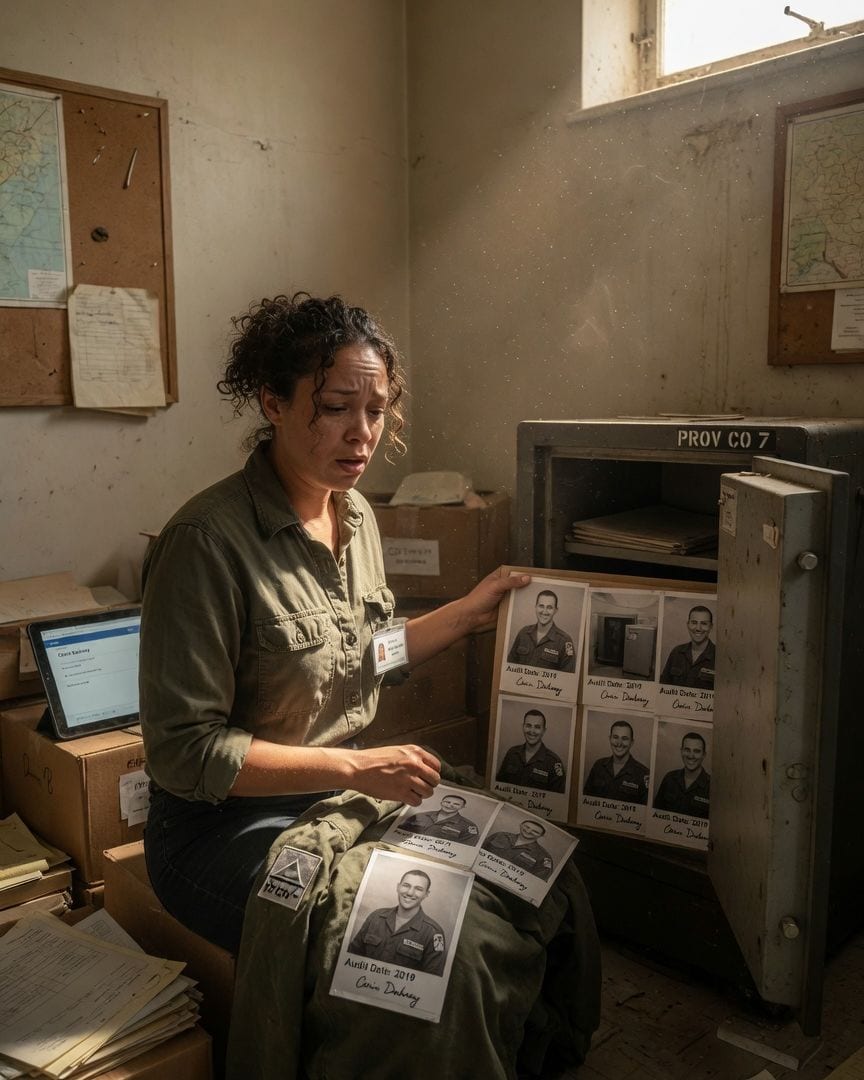 Declassified
With just eight days left before Fort Halloway was gutted by demolition crews, Corin Calloway worked to clear half a century of forgotten lives from its dusty archives. As she meticulously sorted through records, she discovered an old, unlisted safe, its pitted door stenciled with a phantom designation. Inside, Corin found seven personnel jackets, each dated '2019' and signed with the name 'Corin Dabney.' But Corin Calloway knew she had never set foot in the building before this week, and the name 'Corin Dabney' existed nowhere in the base's official history. What secret was Fort Halloway's forgotten safe trying to reveal?
13 min read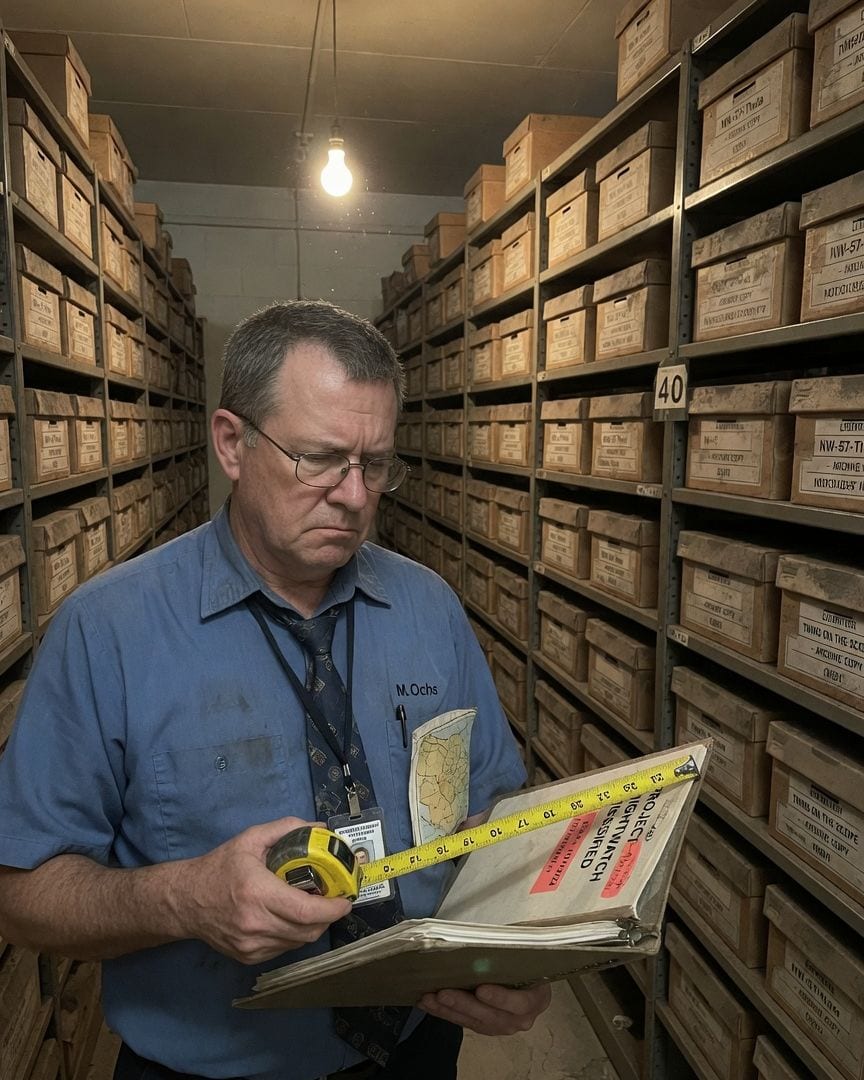 Declassified
Marlin Ochs, a creature of habit after nineteen years at the St. Louis federal records depot, faced his final patrol through Aisle 40 before its scheduled pulping. His routine walk, usually 92 precise strides, suddenly stretched to an impossible 119, making the aisle 61 feet longer than its blueprint. The extra section felt colder, lined with dust-laden boxes bearing alien classification codes and no manifest. Inside one, he found a metal-bound file: 'PROJECT NIGHTWATCH - CLASSIFIED,' dated 1957, but with a timestamp just hours old.
10 min read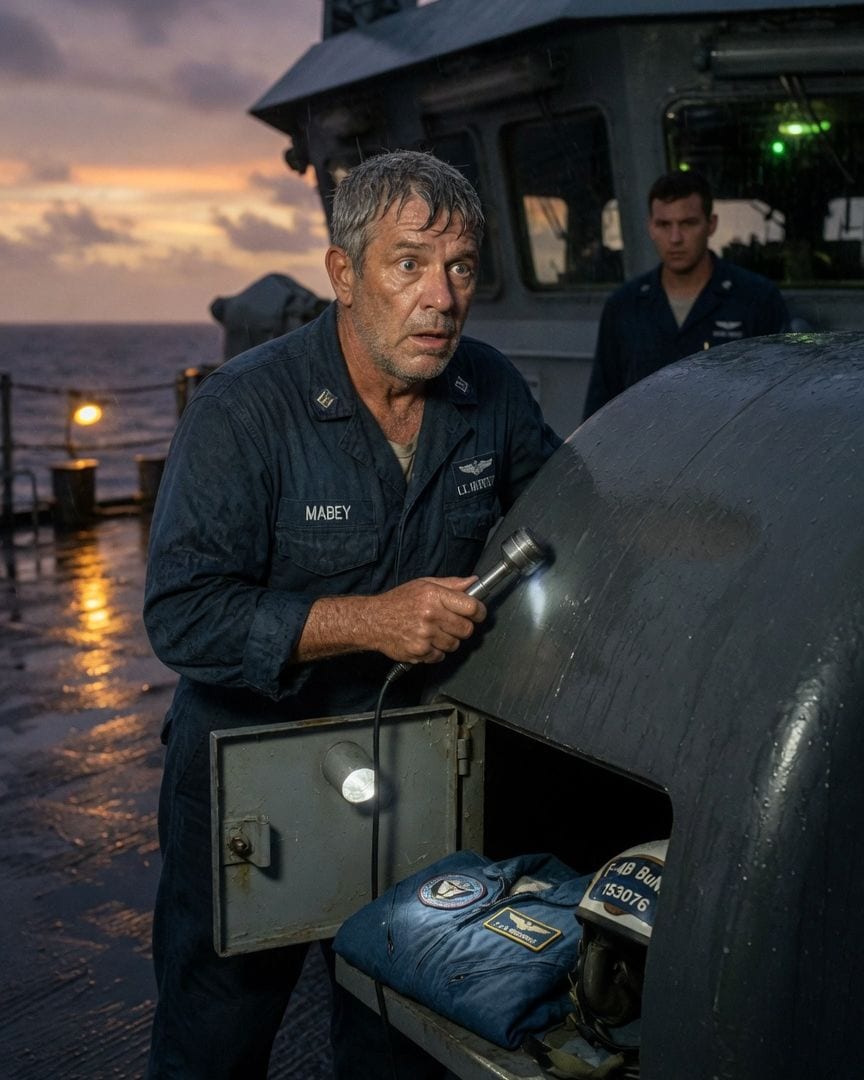 Declassified
In 1972, Chief Petty Officer Walter Mabey supervised a recovery mission aboard the USS Vance, straining against rain and unease as the crane began to haul up what sonar promised was a lost F-4 fighter jet. But the crane's gauge screamed past sixty tons, a massive weight for a jet, and the dark shape that broke the surface was no mangled aircraft. Instead, a seamless, charcoal-gray mass sat on the deck, cool and featureless, devoid of any wings, cockpit, or even a single rivet. As Mabey investigated its impossibly smooth surface, a hidden hatch opened to reveal a pristine Navy flight suit inside, bearing the name and tail number of the very pilot they were meant to be recovering.
14 min read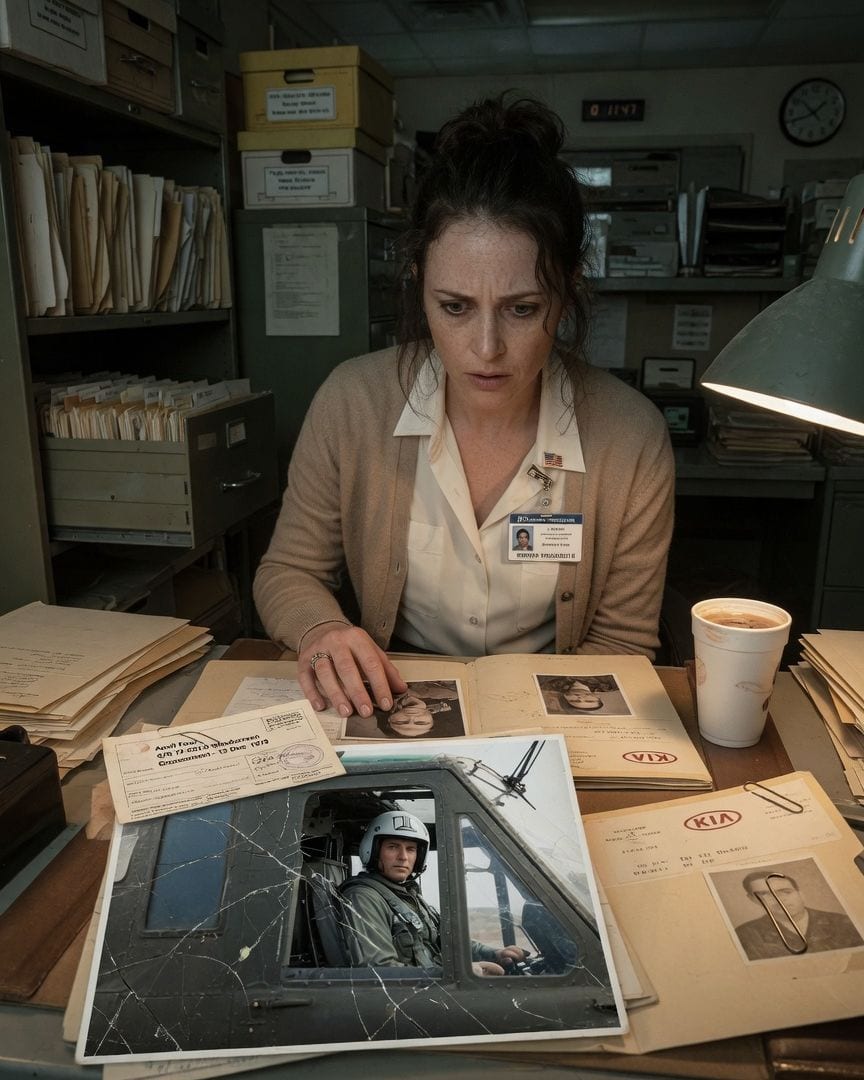 Declassified
Josie Ilnicki, a meticulous Department of Defense archivist, finally processed a file requested annually for forty years by a woman in Reno. The Anvil Four file detailed a UH-1H helicopter officially lost in April 1979 during a training exercise over the vast Nevada ranges, holding the usual reports of a cold disaster. But tucked inside, dated eight months after the crash, was a maintenance sheet for Anvil Four, complete with a grainy photograph. The image showed a man, calm and unsmiling, sitting in the helicopter's cracked cockpit – a man Josie identified as Major Oscar Vance, the pilot declared Missing In Action on the very day the helicopter vanished. What impossible truth did the official records truly hold?
12 min read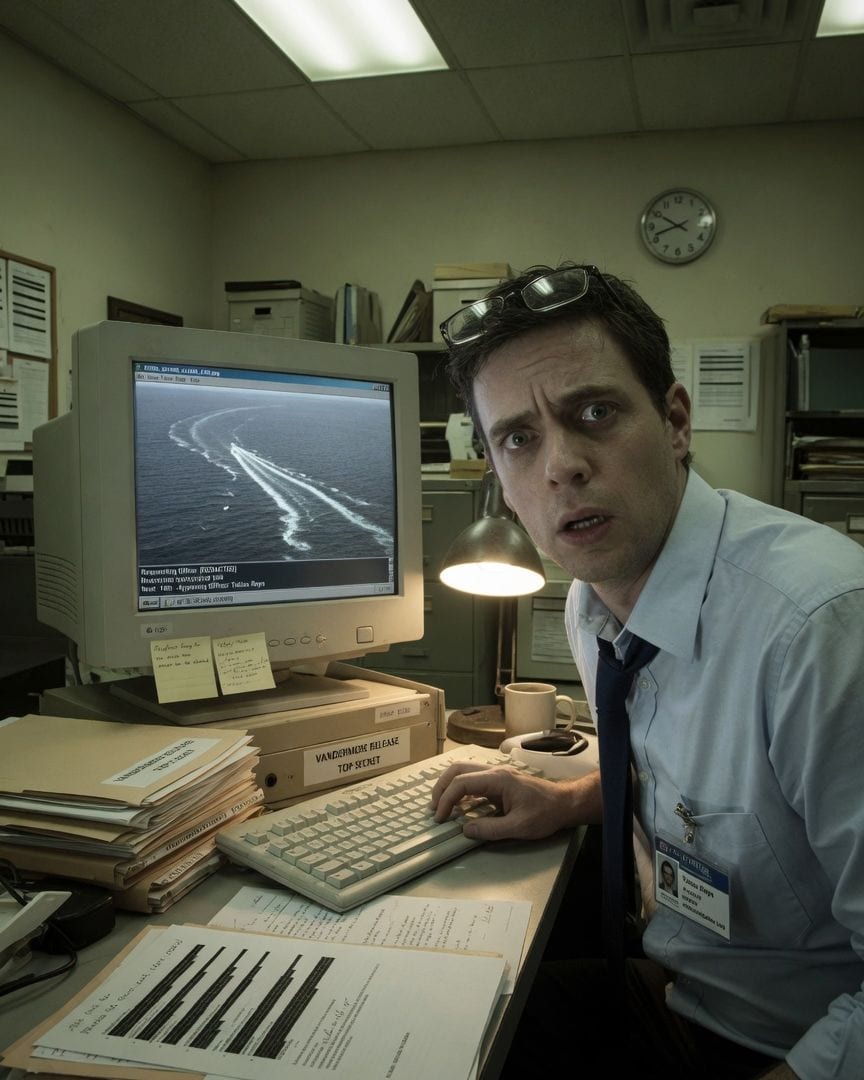 Declassified
Analyst Tobias Reyn, under the crushing weight of a declassification deadline, hunched in his sterile office. He uncovered a pattern: for eleven years, the same empty ocean square was repeatedly imaged, but almost all files were withheld. A single cleared image showed a colossal wake with nothing at its head, an impossible displacement in the desolate Kerguelen sector. As he tried to rationalize the phantom, Tobias found his own name listed as the approving officer for the next imaging request, scheduled for the fourteenth of this month. A buried report then revealed 'Project Deep Scan,' detailing a deep-ocean sonar contact – a 'transient, high-speed, non-reflective signature' moving at impossible depths.
12 min read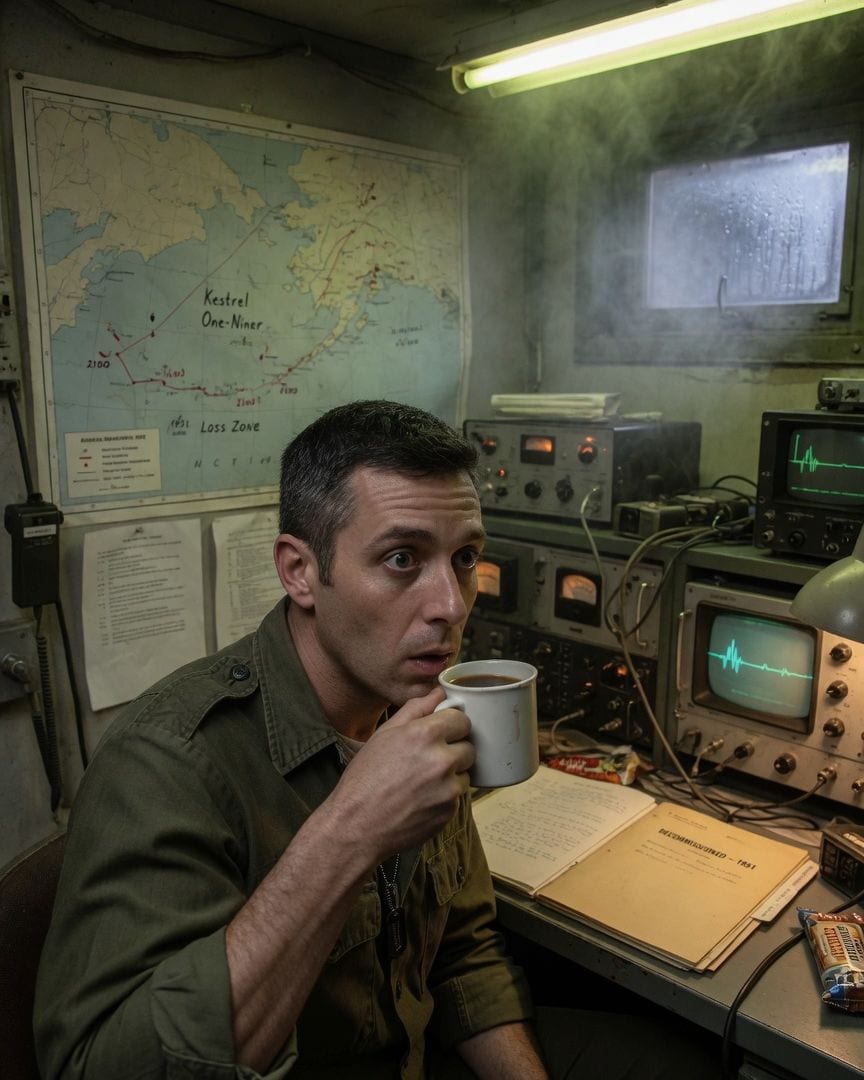 Declassified
Lieutenant Aaron Suvak's shift in the isolated Aleutian communications bunker was usually quiet, a lonely vigil against the thick, silent fog that had closed the strip. But precisely at 2000 hours, the low hum of his radio equipment broke with a clear, professional voice. The signal came from "Kestrel One-Niner," a Cold War reconnaissance plane officially lost over the Bering Sea in 1951. Suvak plotted its impossible progress across his old paper chart, realizing the signal wasn't a glitch, but the same plane, still transmitting its route seventy years later.
11 min read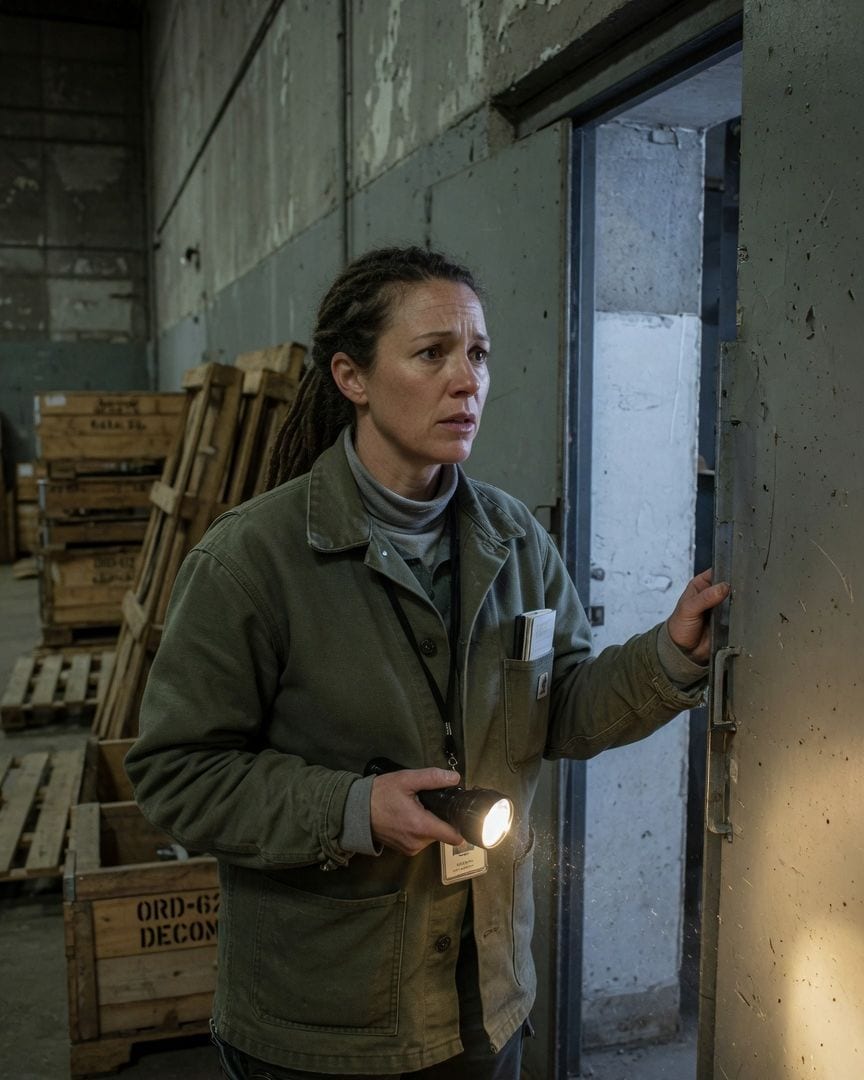 Declassified
Halcyon Reeve, a meticulous inventory specialist, prided herself on the perfect records of the vast Sweetgrass ordnance depot. But one blank space on a 1962 ledger gnawed at her: a missing footlocker for 89 men, when only 16 were ever assigned. Her search led her back to the silent, cavernous warehouse, where she uncovered a cleverly disguised access panel. Behind it, a hidden room, unnaturally cold and sterile, held not the missing footlocker, but 89 identical metal containers, each chillingly marked 'PROCESSED'.
13 min read