 Declassified
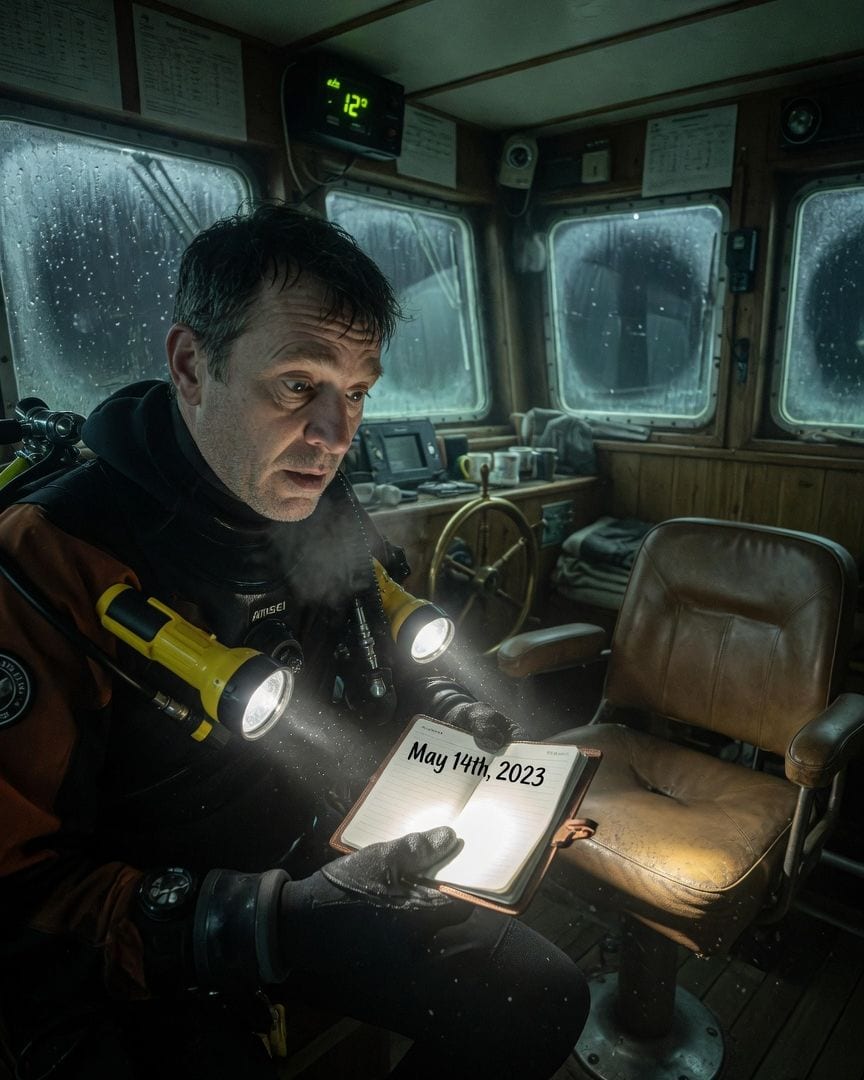
Dive supervisor Hugo Amsel felt the familiar cold of the Bering Sea as his submersible approached the 'Wynn Portal,' a sealer vanished without a trace in 1991. The wreck sat eerily intact, its wheelhouse windows impossibly clear, and the helm locked hard to starboard. But then the rudder angle indicator twitched, moving two degrees, a ghost still at the wheel. After breaching the sealed hull, Hugo and his lead diver found the ship's interior pristine, frozen in time. In the wheelhouse, on a shelf next to the chart table, lay the logbook. Its final entry, written in Captain Larsen’s hand, was dated 'May 14th, 2023' – today. The ink was still unsettlingly fresh, leaving Hugo to stare at the impossible date and the empty captain's chair.
12 min read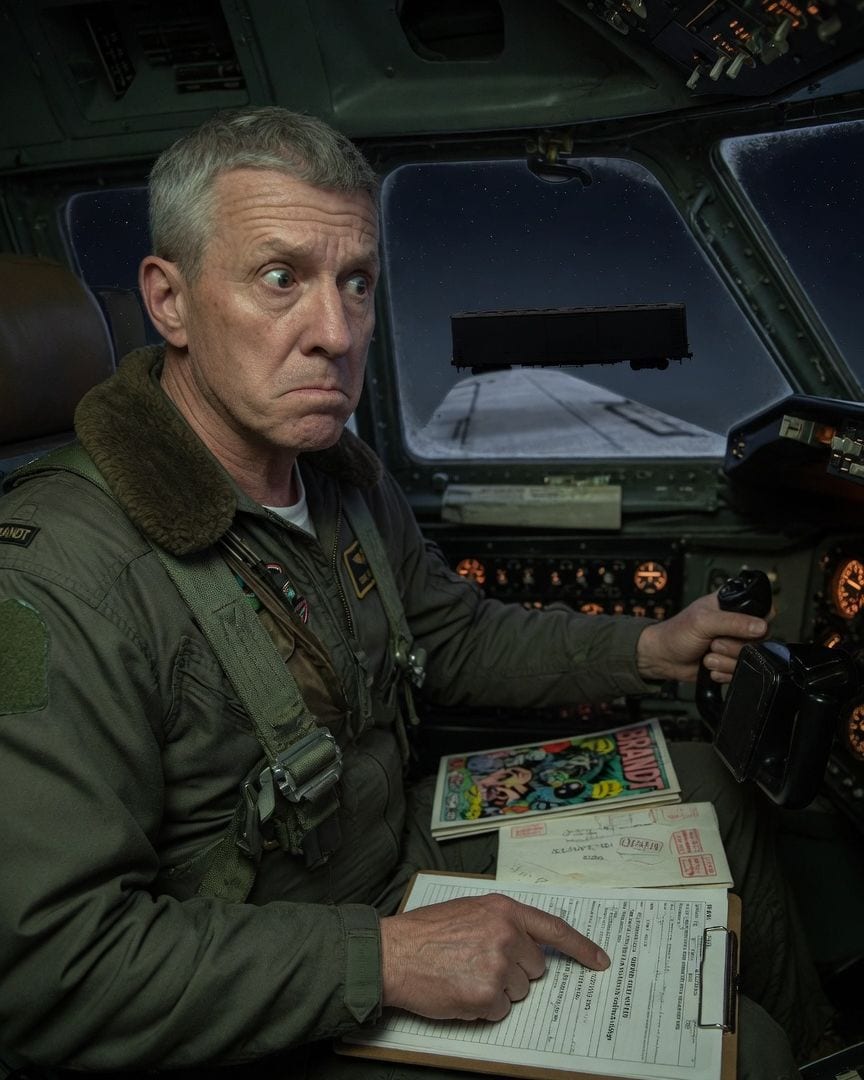 Declassified
Major Cyril Brandt, a seasoned pilot nearing retirement, undertook his final airborne alert leg in the B-47, the familiar hum of its engines a lullaby against the vast, dark sky over the Dakotas. Then, an impossible, featureless boxcar-thing appeared silently, thirty feet off his wingtip, vanishing as abruptly as it came nineteen minutes later. Three days later, the official incident report contained two chilling fabrications: a quote only his tail gunner uttered, attributed to Major Brandt, and a claim of material recovery from a wing he knew was untouched. The document was not just wrong; it was a deliberate, precise lie about an interaction that never happened, leaving the pilot with a cold dread.
11 min read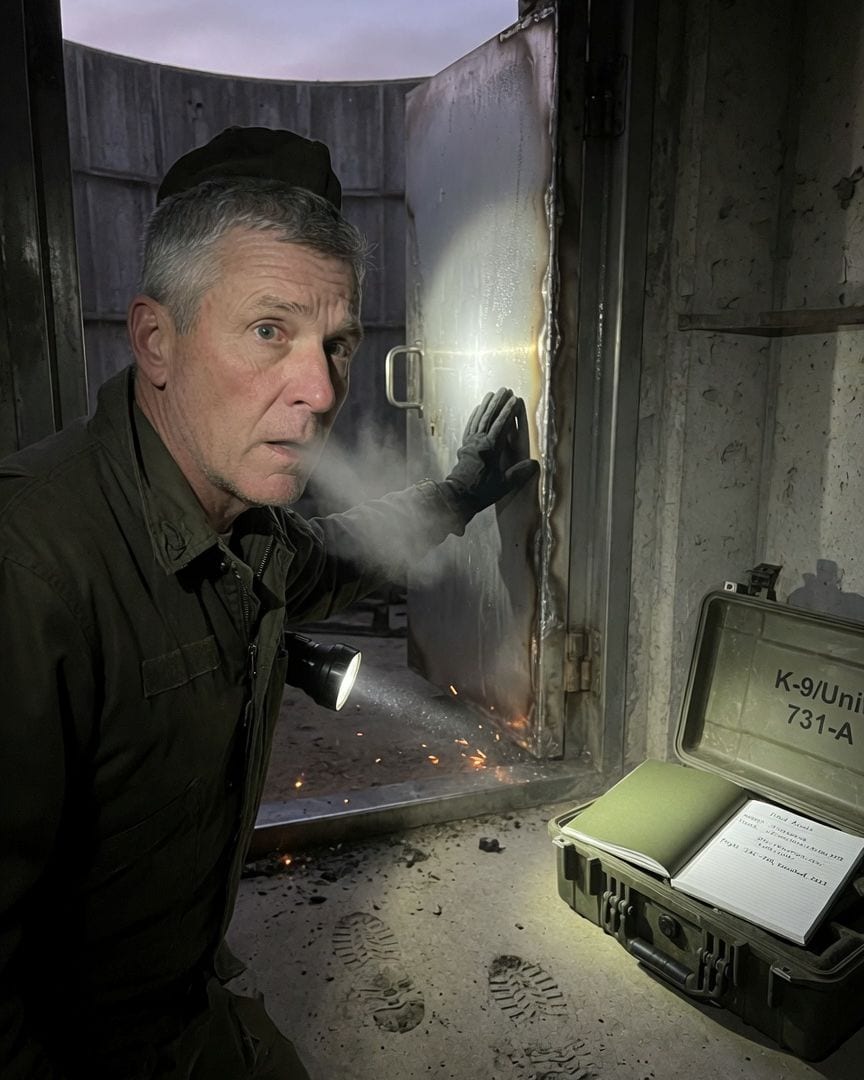 Declassified
Captain Merrit Sable faced a deadline at Silo K-9: one cold morning to retrieve classified hardware before its scheduled demolition at noon. The silo, officially welded shut by the Air Force in 1968 and long off-grid, should have been a tomb of forgotten machinery. Yet, through a cracked port, he saw nine work lights burning steadily forty feet down, and felt the faint suction of an active ventilation system. After breaching the decades-old weld, Merrit found more than just lights; fresh boot prints led deeper into the meticulously clean shaft, but none returned. A hidden compartment in an empty, warm hardcase revealed a logbook, its crisp pages detailing notorious military disappearances, with the latest entry dated just last week.
10 min read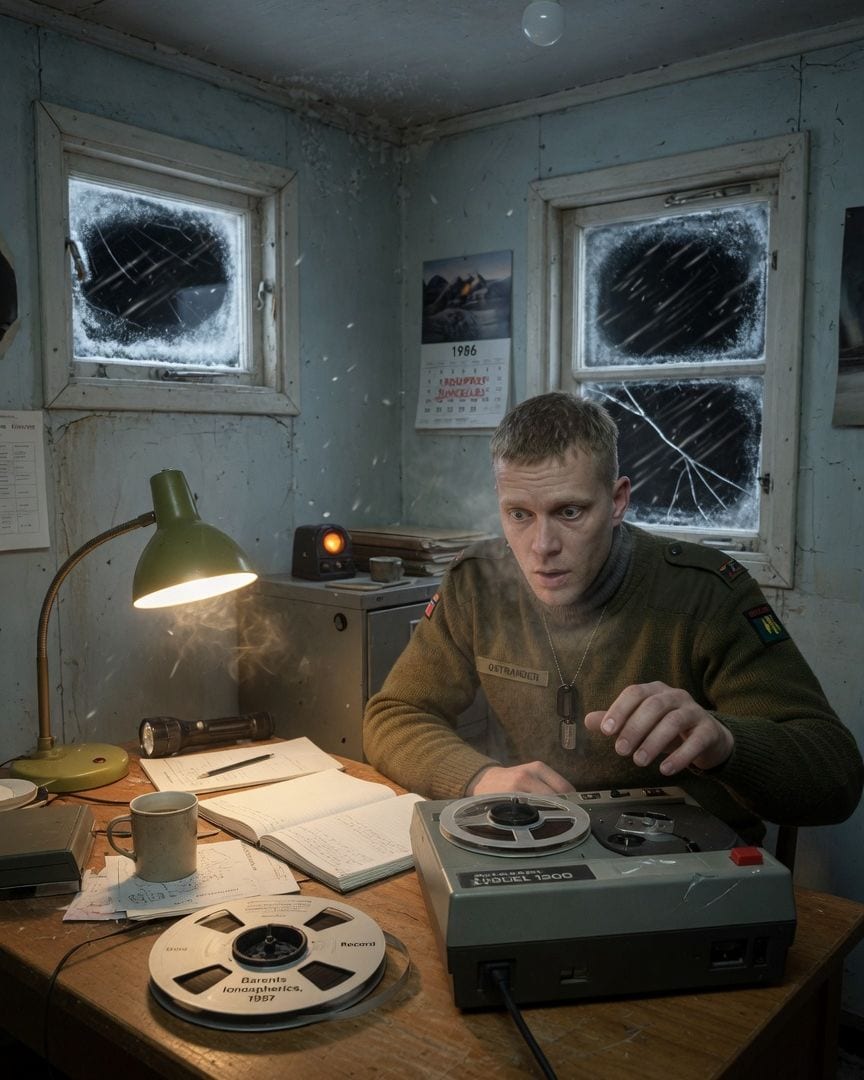 Declassified
Sergeant Pell Ostrander, a methodical man of thirty-five, was isolated in a Norwegian fell hut in 1986, with only the generator's hum and a stack of old reels to burn by Friday. The arctic quiet led him to play a 1957 tape, expecting static. Instead, a calm voice filled the small space, detailing his exact hut, its generator, and the snow outside. His heart hammered when the voice read the log for this coming Friday, describing the record burn and more reels than he counted. But the dread truly landed when the voice named his service number and described a fresh scratch he had just made on the playback machine.
9 min read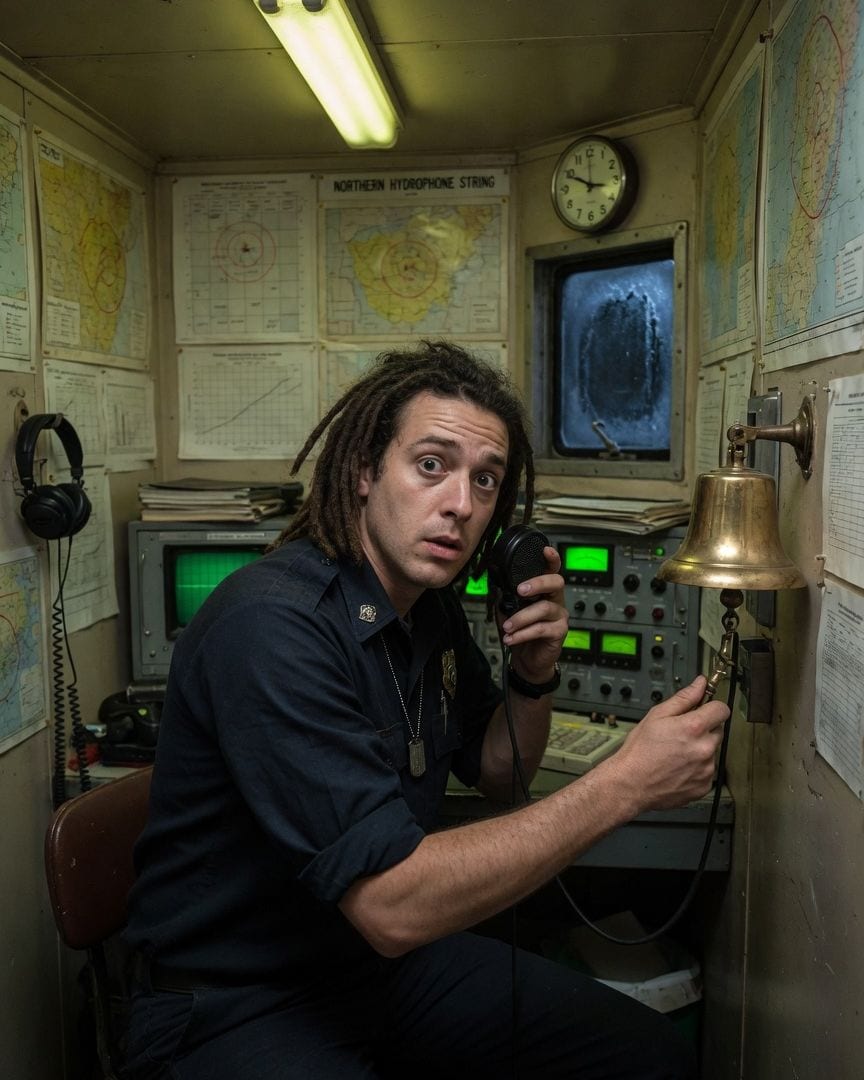 Declassified
Petty Officer Ruel Marchetti was deep into his final career hitch at the isolated ocean-surveillance station on Adak in October 1958. Under the dim console lights, surrounded by the Bering Sea's droning solitude, he knew every sound the hydrophone arrays picked up. But then, from the Aleutian dark, a clear, resonant ship's bell began to chime on the northern string, from four thousand fathoms of empty Bering silt. He checked and recalibrated, but the signal remained clean, distinct, and utterly impossible, tolling back precisely every half-hour for six nights from a featureless void. What could be ringing a bell in the crushing silence of the abyss?
10 min read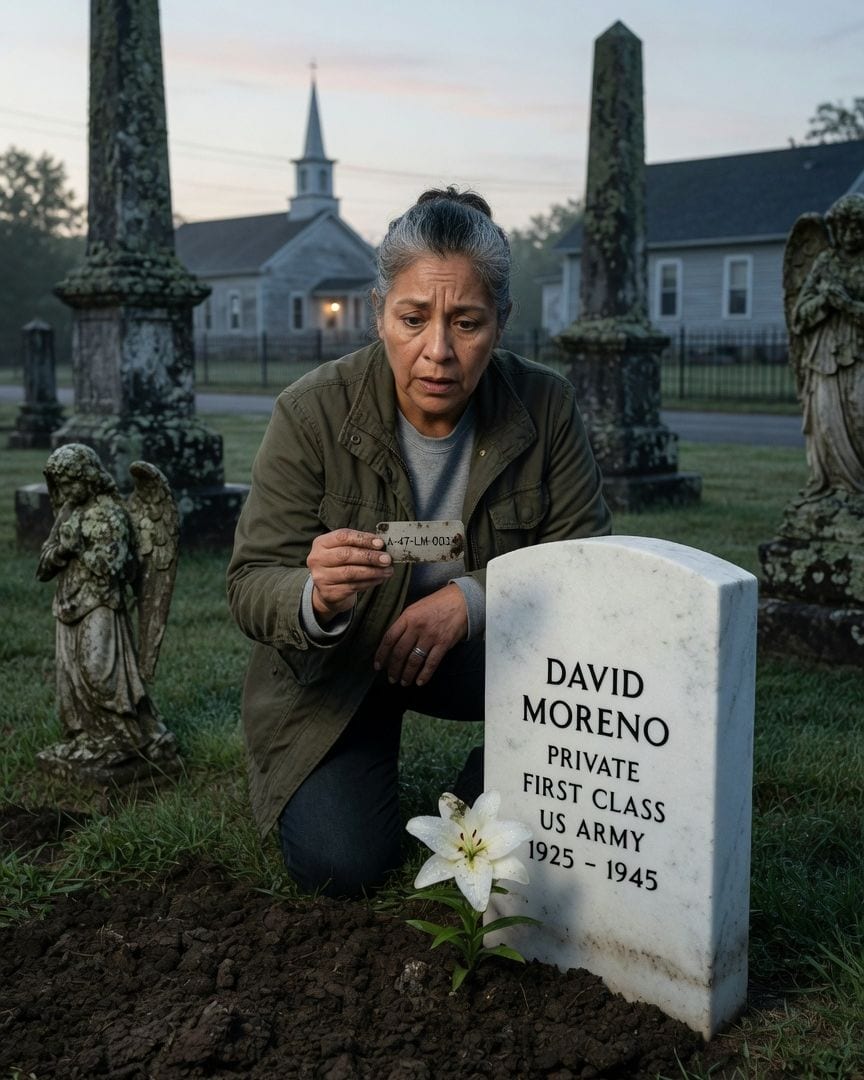 Declassified
Sergeant First Class Ida Moreno had spent two decades in Graves Registration, finding comfort in the quiet order of old paper and dust. But the recent amendments to her brother, Private First Class David Moreno’s, casualty file shattered that peace. David had died in 1945, his record static for sixty years, but over the last fourteen months, four different amendments moved his designated resting place. The last change, stamped just days ago, placed him starkly in St. Jude’s Churchyard — only fifty feet from her front door. As she walked past the familiar headstones each morning, a cold dread whispered: was this a bureaucratic glitch, or something far more personal?
12 min read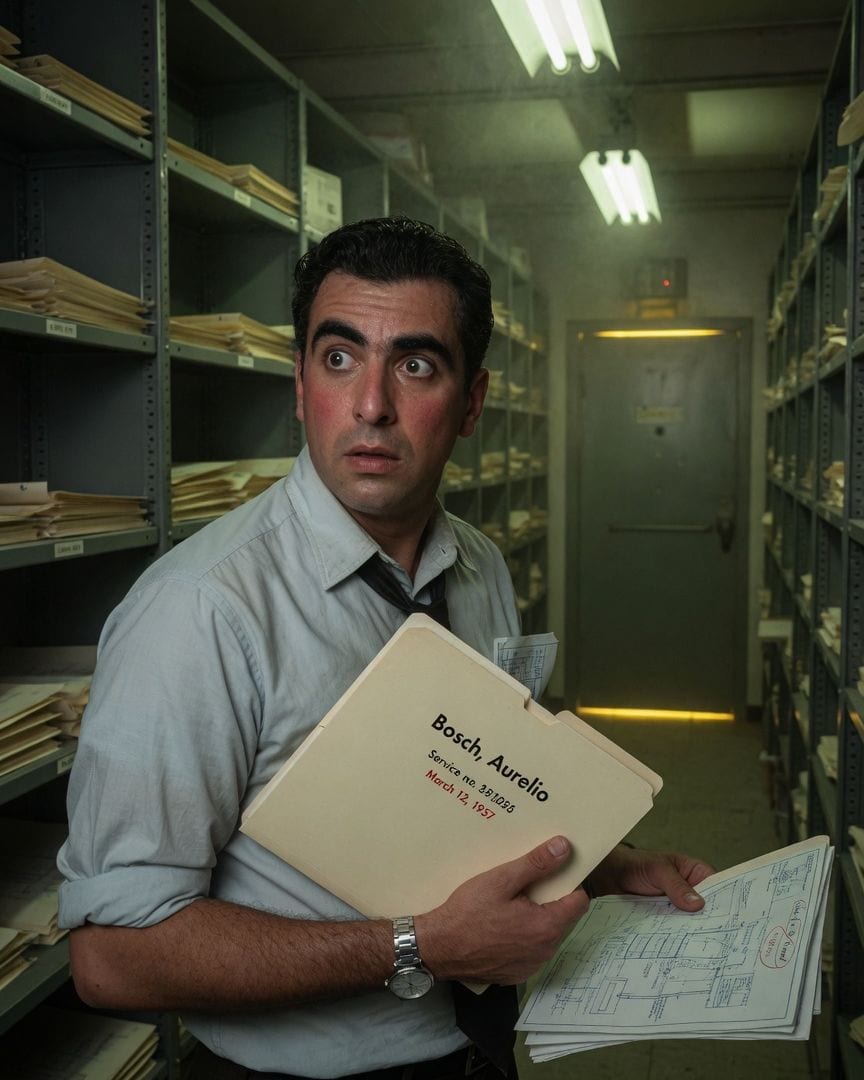 Declassified
Aurelio Bosch, a meticulous 32-year-old night-shift clerk, found comfort in the quiet hum of the Cheyenne records vault in the winter of 1957. His solitary routine of comparing physical files to digital manifests was predictable until he reached Aisle 3. The vault's blueprints showed a solid wall, but the aisle stretched ten impossible feet further, ending at a heavy, unlisted door. From beneath it, a faint light glowed and a rhythmic hum vibrated through the air. Inside, a modern printing press churned out blank official forms, but it was the single file on a nearby desk that bore his own name, his service number, and a date for tomorrow.
10 min read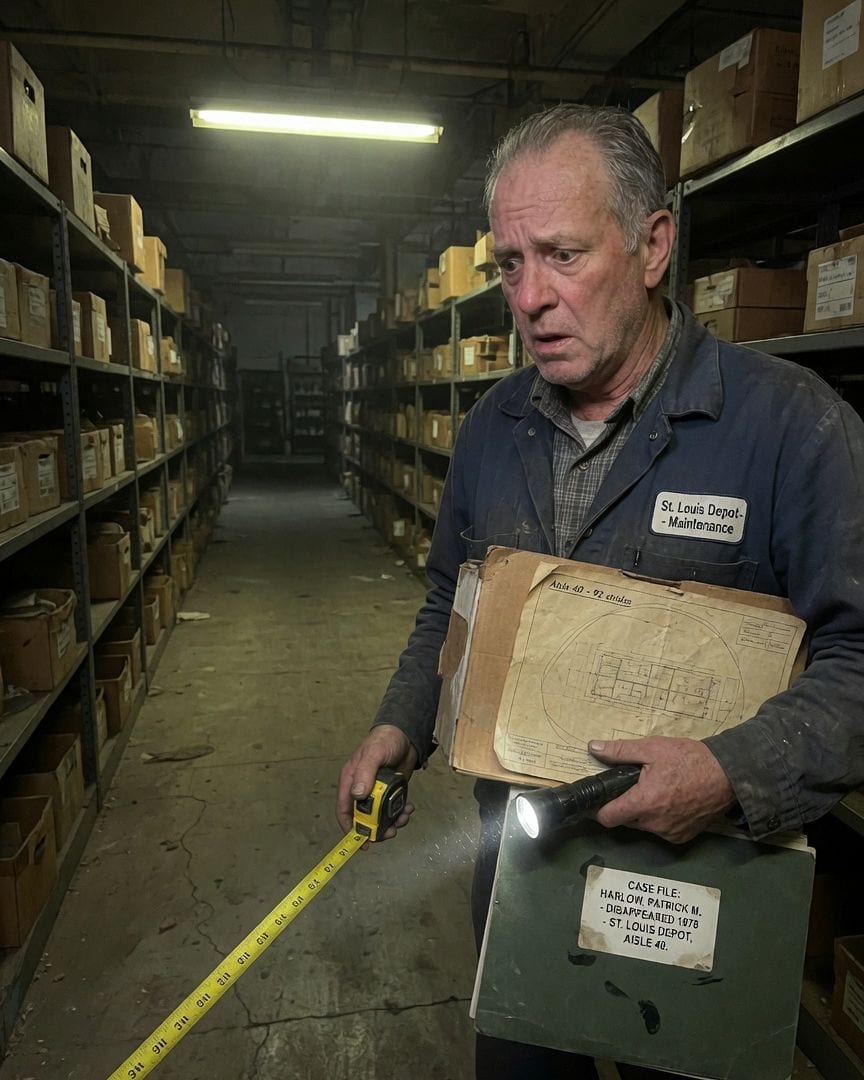 Declassified
Marlin Ochs, a 58-year-old depot worker, felt the familiar ache in his knees on his last shift before the St. Louis depot was pulped. For nineteen years, he’d walked Aisle 40, 92 strides wall to wall, a quiet ritual in the vast silence. Tonight, retrieving the final carton, his foot hit concrete where the wall should have been, but there was no wall. He kept walking, counting steps, into a physical space that could not exist. Deep within this impossible extension, he found a thick file about a 1978 disappearance, its cover sheet dated 'current year' with ink still wet beneath his thumb.
11 min read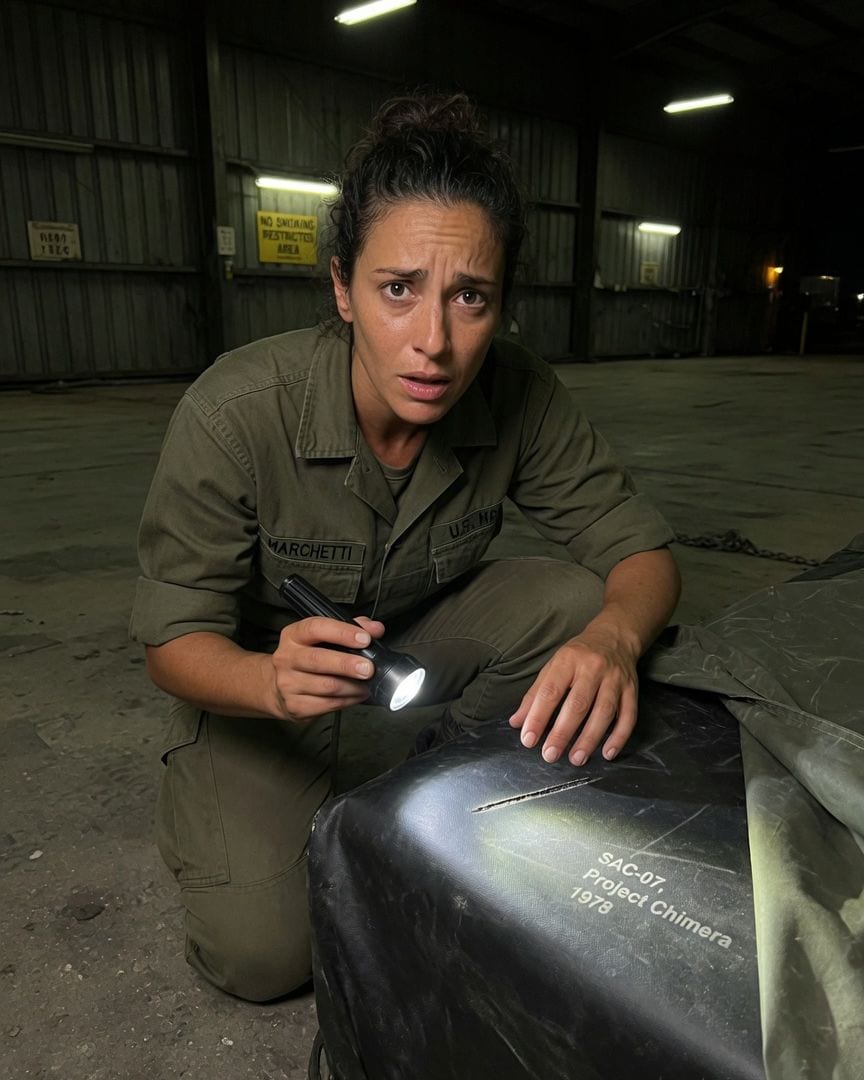 Declassified
Specialist Cleo Marchetti knew her job was simple: keep the lead truck's taillights in sight across the empty Nevada desert. But at 0200, Sergeant Caldwell's truck simply blinked out, only to reappear three hundred yards closer moments later. Despite Cleo's shock, the official convoy log recorded a perfectly routine, non-stop journey, denying her very perception of reality. Her professional integrity demanded answers, leading her to the sleek, tarped craft she'd transported. There, she found a fresh scratch, and beneath it, an impossibly warm, faded stencil revealing a classified 1978 project name on a supposedly modern asset.
10 min read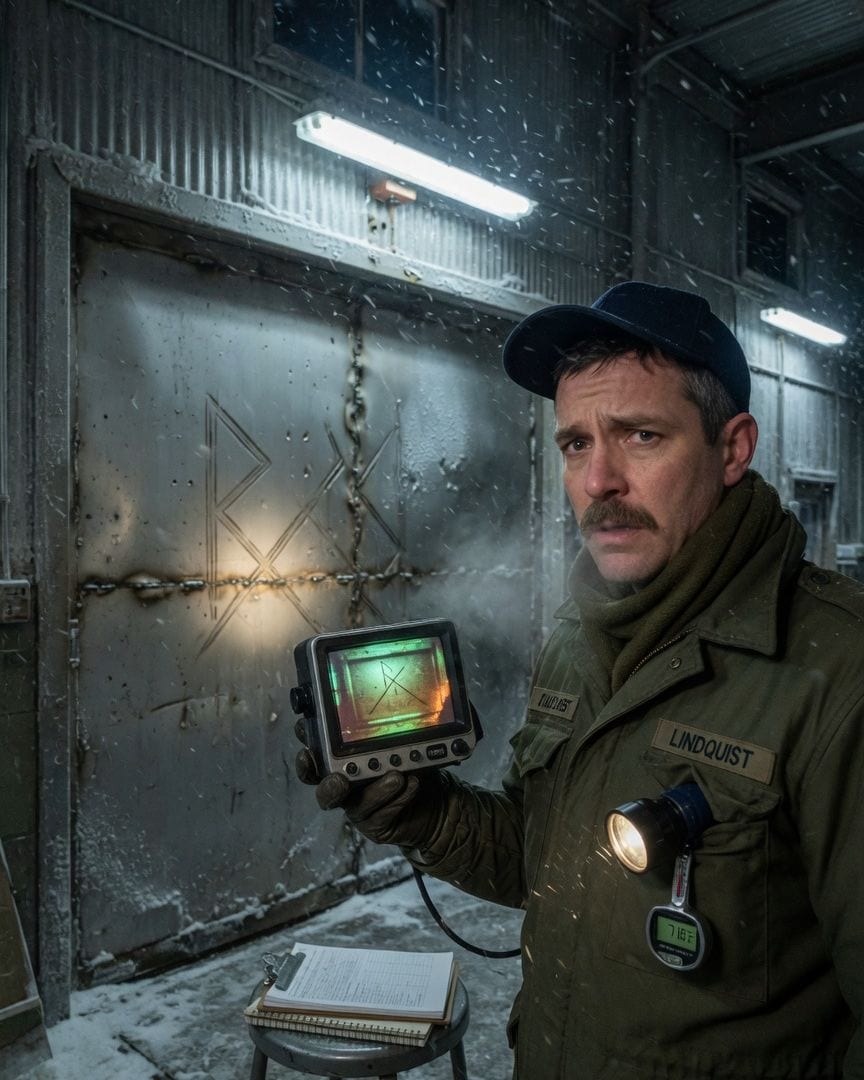 Declassified
Technical Sergeant Wes Lindquist endured Alaskan winters, his duty in the vast, frigid hangar simple: log Bay Two’s temperature. The bay, sealed shut for months, inexplicably ran nine degrees warmer than the icy building for 111 straight nights in 1978. Despite official dismissal, the numbers kept climbing, forcing Lindquist to keep a secret log as the bay’s internal heat reached an impossible 72 degrees. Driven by cold certainty, he discovered a faint, unsettling symbol etched along the door's weld. Later, peering through a tiny seam with a borescope, he saw the identical mark shimmering with a fresh, orange glow from *inside* the supposedly empty, sealed bay.
11 min read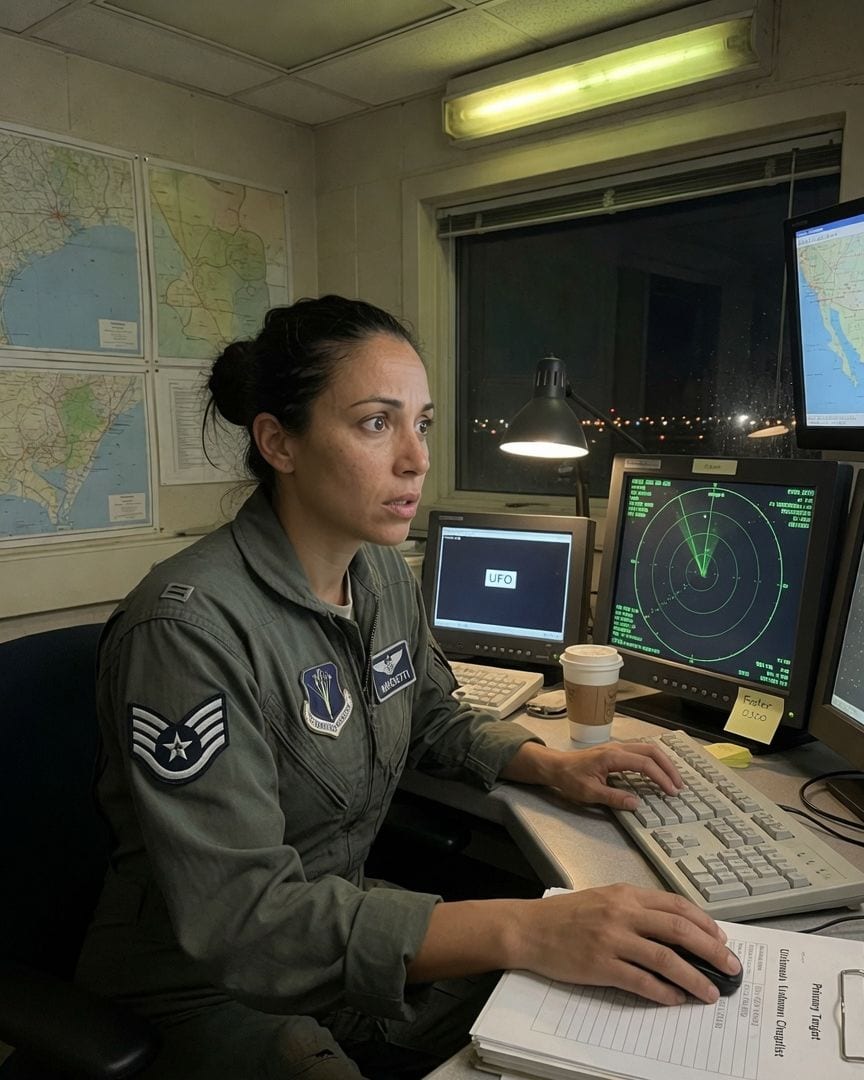 Declassified
Technical Sergeant Odile Marchetti sat alone in the dim radar room, her watch a final vigil for a base winding down along the silent Gulf Coast. At 02:17, a pilot reported a 'companion' on his wing, but her screen initially showed nothing. Then, a second blip bloomed, twice its size, before merging impossibly into the first and continuing its flight path without a ripple. She logged it as a UFO, only to discover the system already had a designated category for such anomalies – a pre-approved slot for the unexplained. A week later, her incident was re-categorized under a locked 'Special Handling' code, creating a new, inaccessible folder in her own personnel file.
11 min read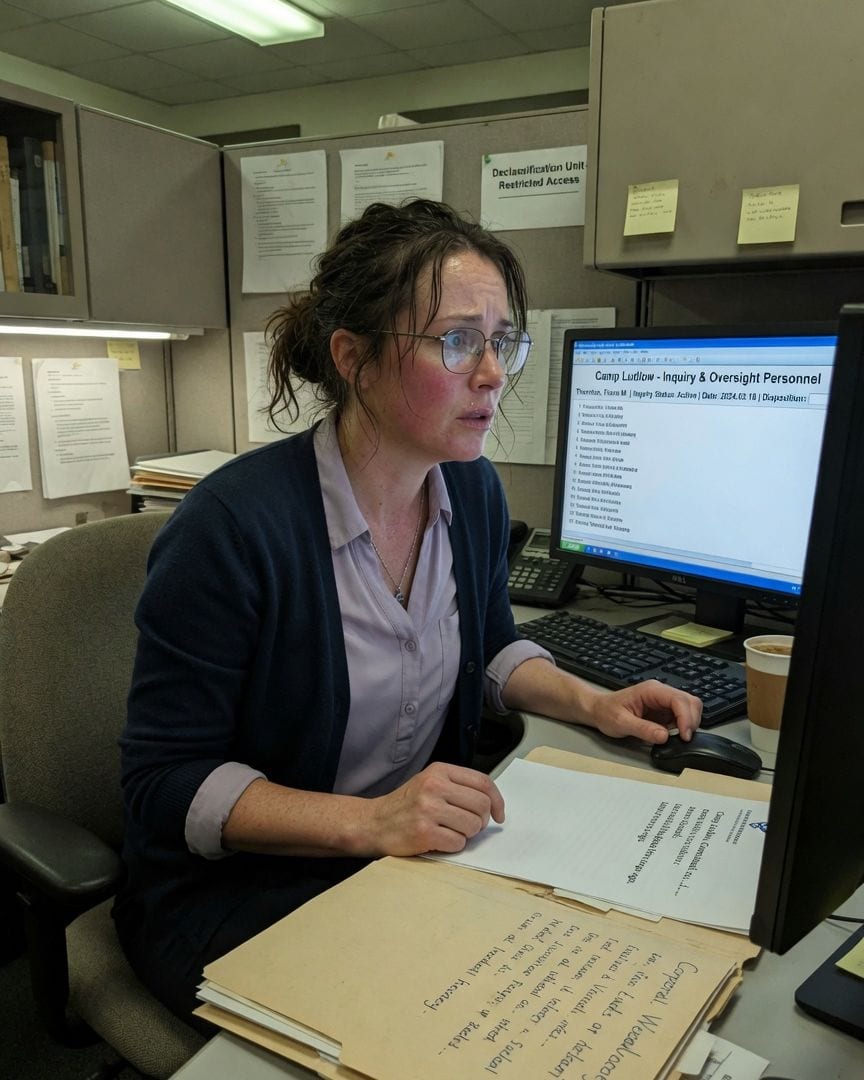 Declassified
Declassification reviewer Fiona Thornton prided herself on the meticulous order of official records. Her world, built on precision, began to unravel when an Air Force response claimed Camp Ludlow, Greenland, officially closed in 1959, was still active, with a radio check just four days prior. Digging deeper, she uncovered a supply manifest from 1961 listing advanced equipment that wouldn't be invented for another decade and a half. But the true chill settled when she found her own name, 'Thornton, Fiona M.,' on the base's 'Current Operations' personnel roster, dated for this very morning. Was she investigating a ghost, or had she become part of one?
12 min read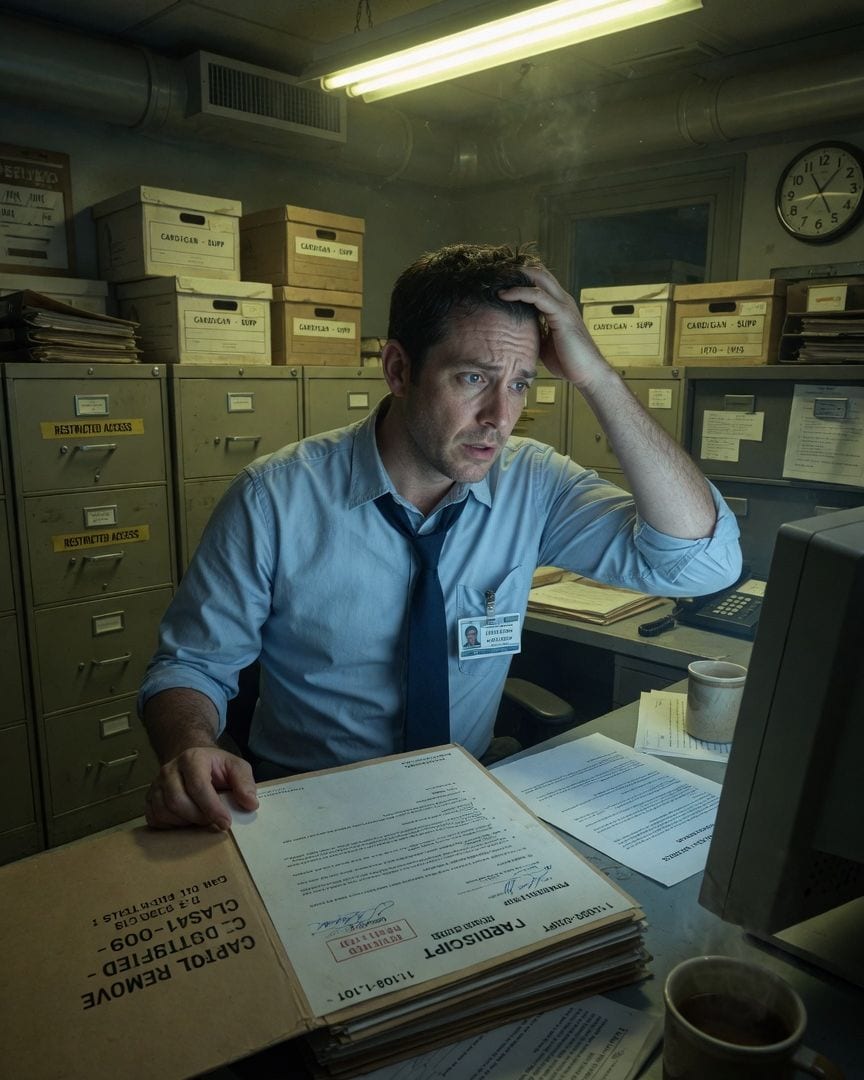 Declassified
At three in the morning, an archives reviewer named Peter Voss sat hunched over his desk, cross-checking logs for a stubborn Cold War dossier. He noticed its page count had inexplicably grown over decades, from 200 to 1100 pages. When the physical file arrived, Peter found its final pages held a transcript, dated just last week, detailing a conversation about a historian named Voss requesting that very file at three in the morning. How could a document predict its own future discovery with such chilling accuracy?
9 min read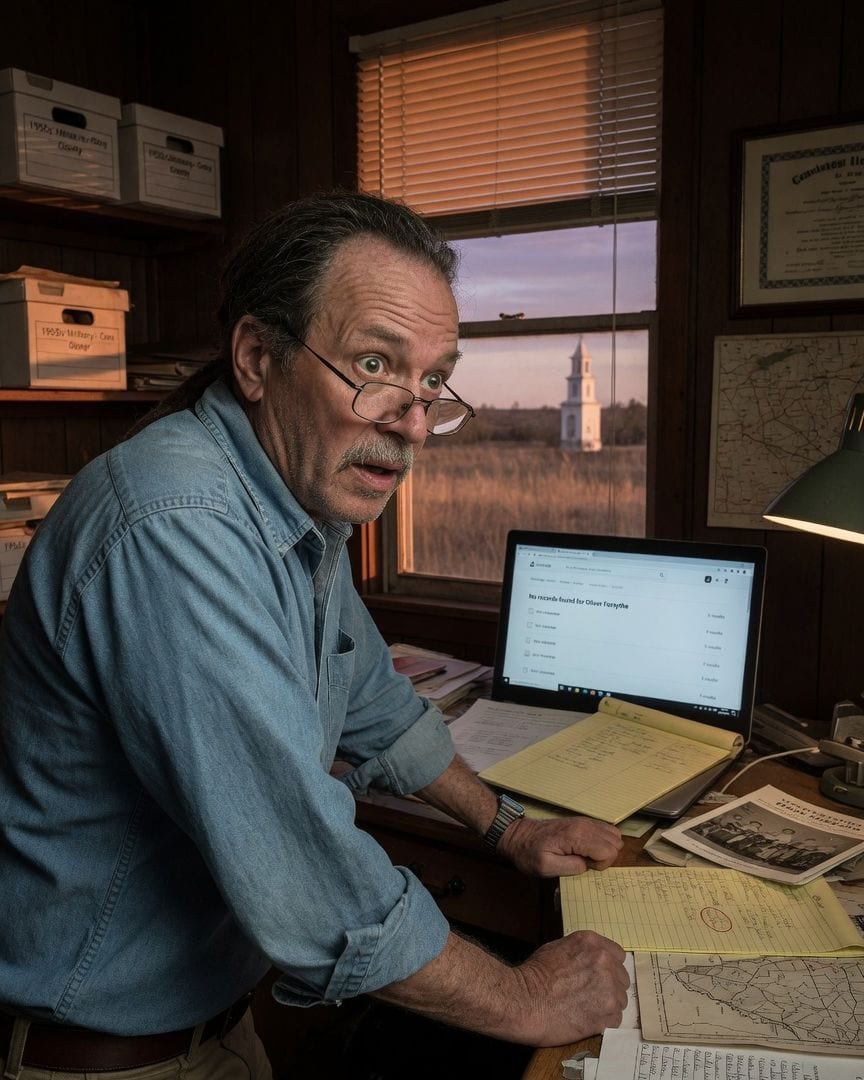 Declassified
Approaching retirement, lineage historian Owen Sarkis took on one final project: solving the mystery of the 250th Chemical Company, a unit that vanished after a single 1955 parade. His search led him down Carolina backroads to a lonely, weathered chapel, behind which lay forty-one identical gray headstones in neat rows. Each stone bore a name, but chillingly, not one had a date of death, a silence louder than any inscription. Then, on one stone, he found a small, industrial metal plate bearing a cryptic code and a symbol he recognized from a declassified document on 'unconventional materials handling.' The true nature of these 'graves' began to curdle in his mind, suggesting something far colder than death itself.
15 min read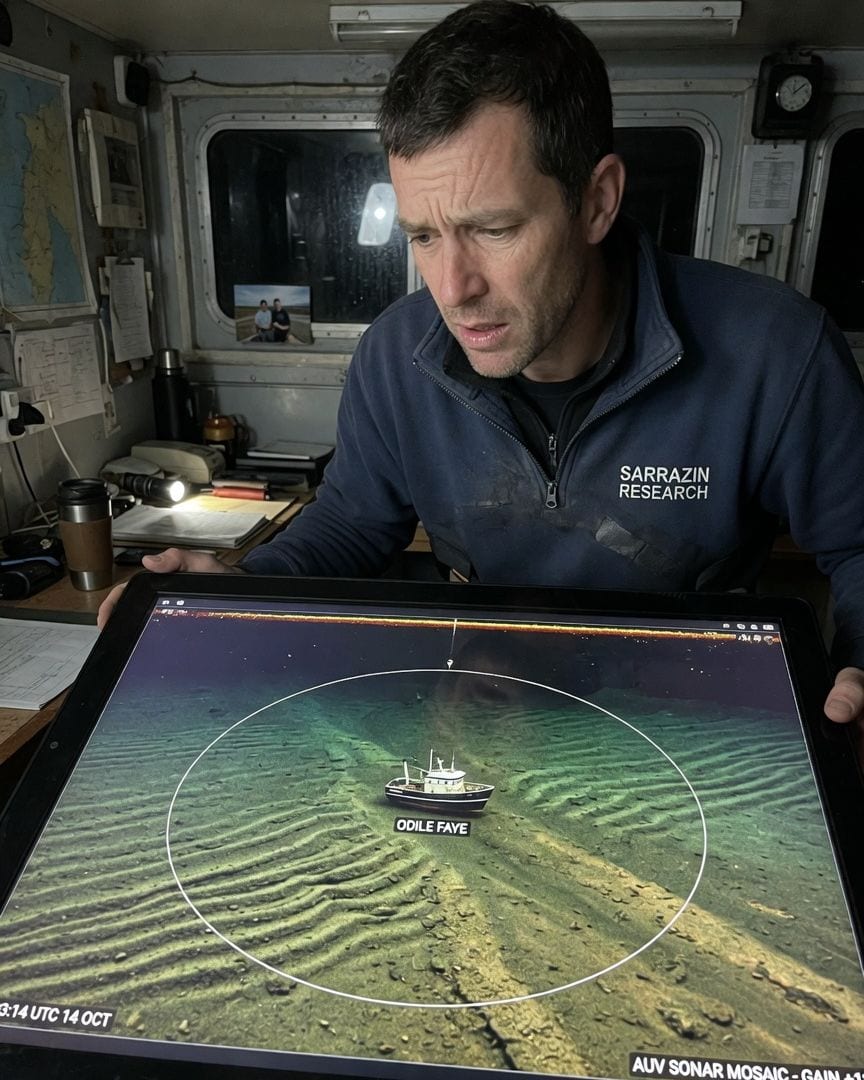 Declassified
Driven by a deep need for answers, Kip Sarrazin spent his own money searching the cold Atlantic for the lost crabber Odile Faye, where his brother Wayne had gone missing. His sonar finally pinpointed the vessel on the barren seabed, resting in the center of a perfect, impossible circle of raked silt. Descending in his submersible, Kip found the Odile Faye intact and upright, with no sign of collision or damage, yet a chilling dread took hold as he saw every single access point – from main deck hatches to the emergency escape – dogged shut, firmly from the inside. On the deck itself, a single, recent boot print marred the undisturbed silt, clear as if made only yesterday. Who secured the ship from within, and who left a fresh mark on its deep-sea deck?
10 min read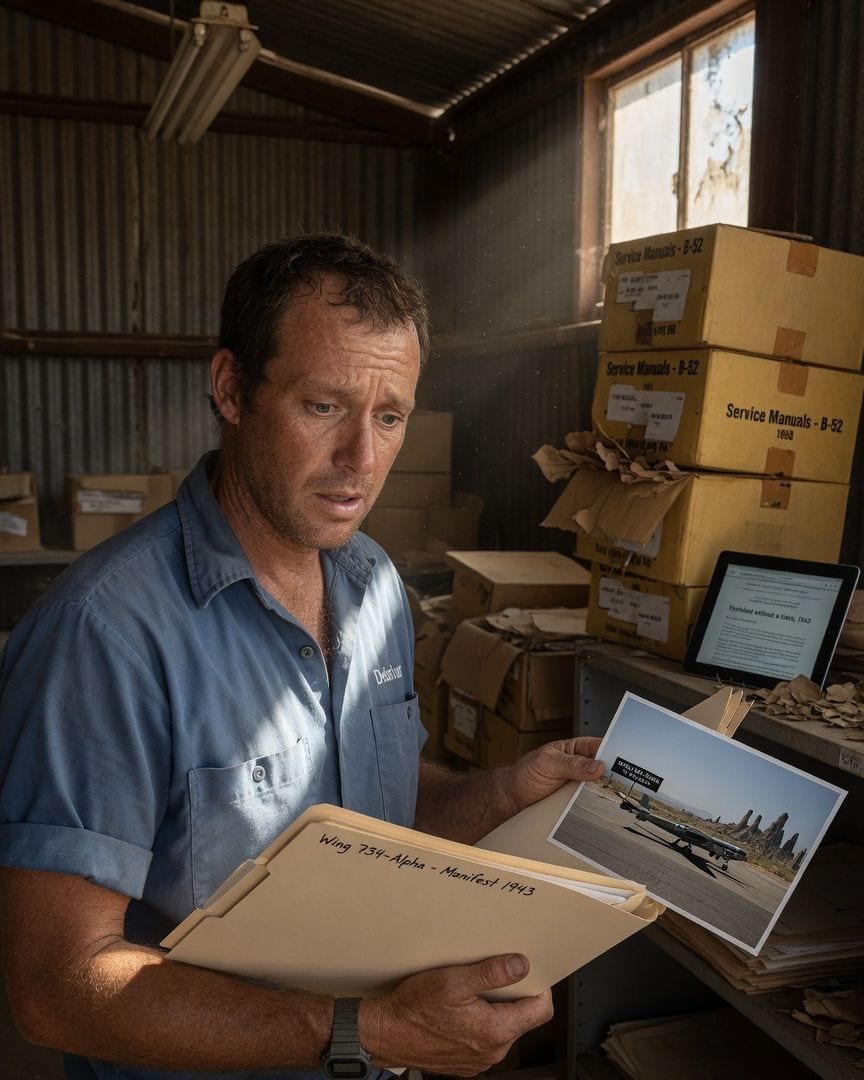 Declassified
Inventory clerk Rafe Delahunt worked through the Kingman boneyard, his month-long task almost done, the Arizona sun baking through the roof. Amidst crumbling, forgotten records, his hand brushed eleven folders for a 'Wing 734-Alpha'—a designation that never officially existed. Unlike the brittle paper surrounding them, these felt supple and cool, smelling faintly new despite their 1943 dates. Then he found a pristine, modern-resolution photograph of a prototype aircraft officially vanished in 1943, now bearing impossible modifications on an unmapped runway. It was like seeing a ghost in high definition, hinting that these 'recoveries' might be happening closer than he imagined.
11 min read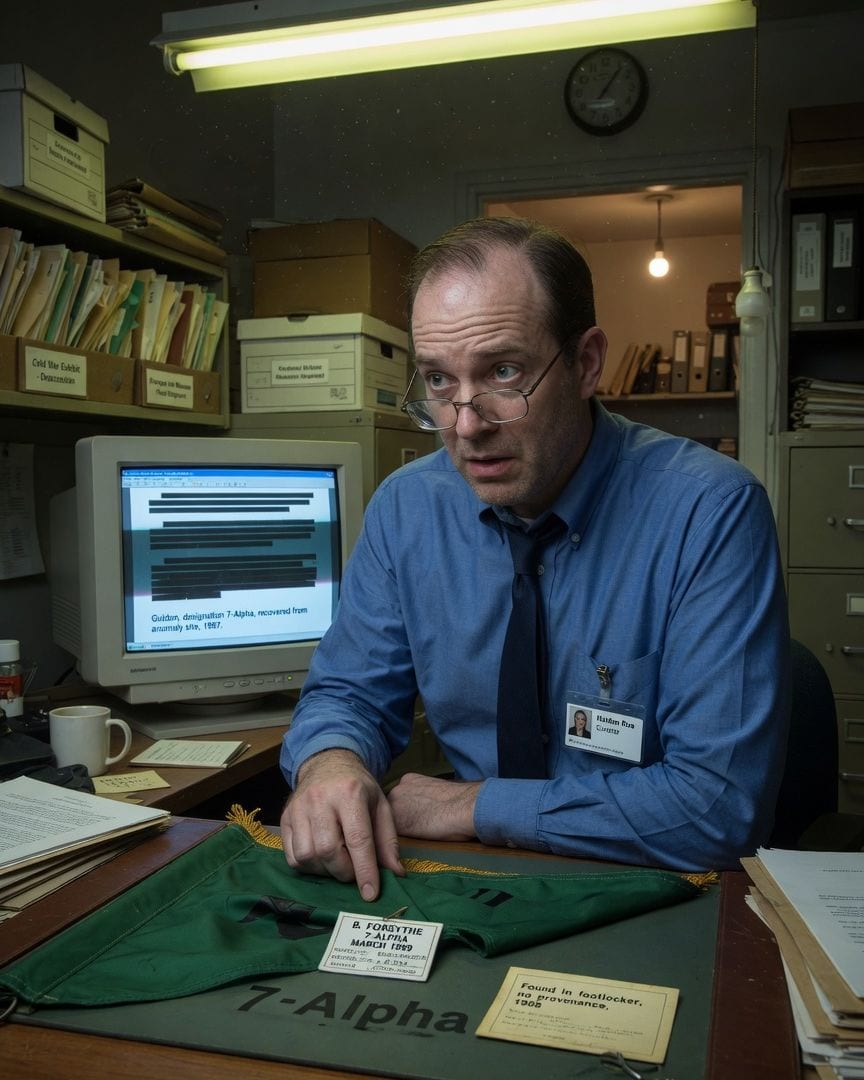 Declassified
Halden Roe, a meticulous curator, worked against a pressing deadline as the Presque Isle Museum's Cold War exhibit closed for good. In the dusty storage unit, under a single bare bulb, he discovered a small laundry tag sewn into an antique green silk guidon. Its crisp black stitching clearly read 'MARCH 1989' — a date a full year *after* the museum’s intake record for the artifact. As Halden's unease grew, he found the service number on the tag belonged to Benjamin Forsythe, an airman who vanished off Greenland in 1954. How could a museum piece found in 1988 bear a future date and belong to a ghost from decades past?
11 min read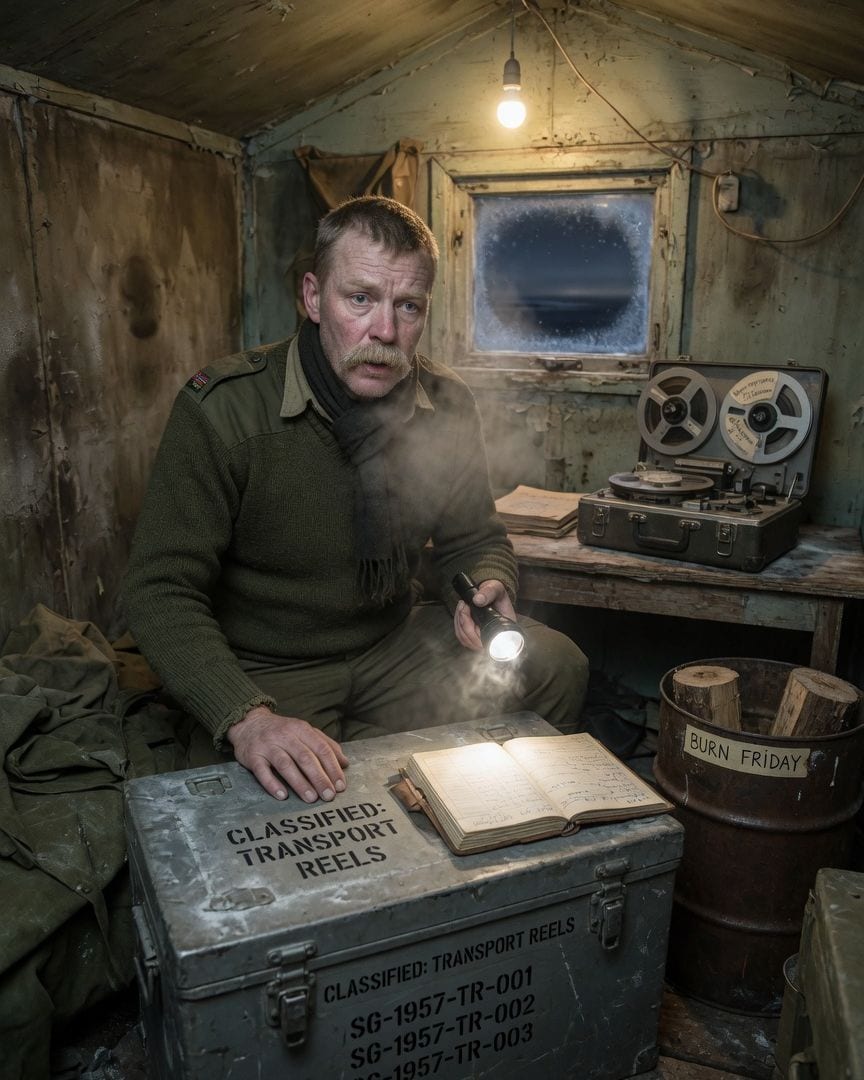 Declassified
Sergeant Pell Ostrander shivered alone in a remote Norwegian fell hut in 1986, the Barents Sea his only company. With a stack of old reels to burn by Friday, he threaded one labeled "Barents ionospherics from 1957." A dry baritone voice crackled through the speaker, reading mundane log entries from decades past, until it detailed "three sealed transport reels" for disposal on Friday at 1600. Ostrander, a man of routine, checked his watch: it was only Wednesday, and no such reels existed in his hut. Then, in a dusty closet, he found a heavy metal box, sealed and marked 'CLASSIFIED', with the exact serial numbers of the reels the voice had described, waiting for its appointed burn.
11 min read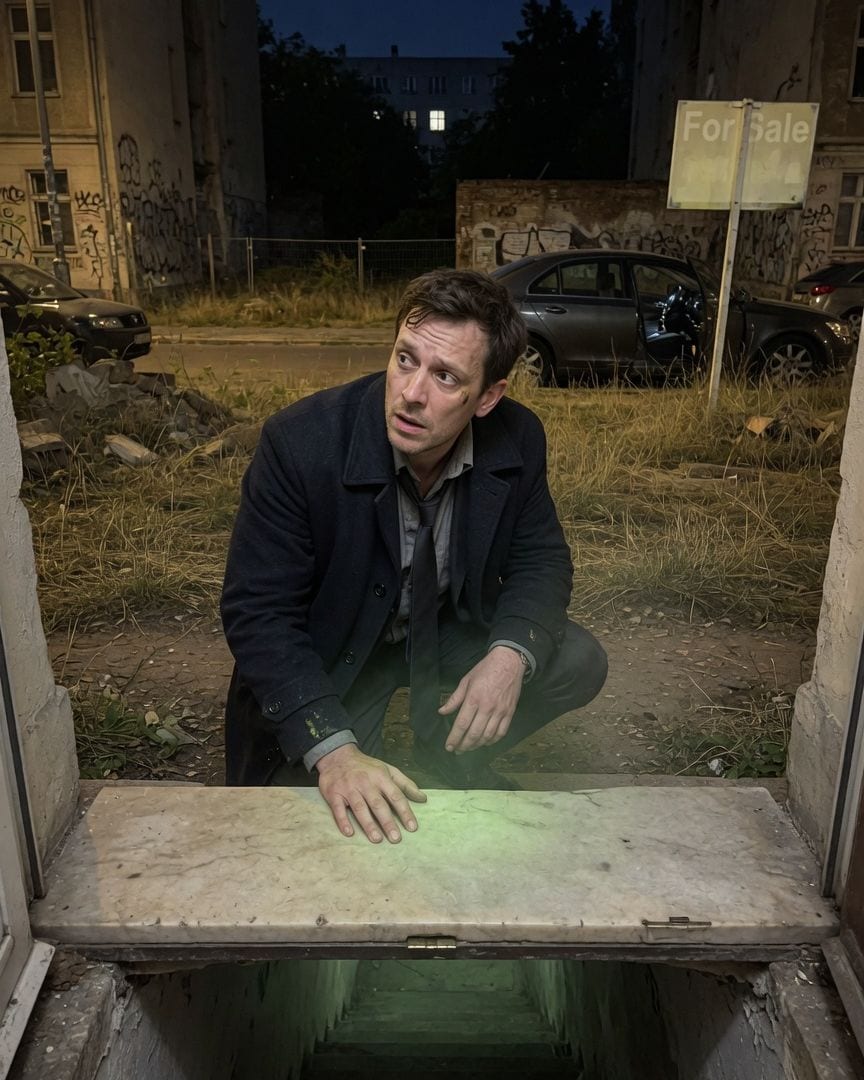 Declassified
Ansel Vidmar, a methodical researcher, worked late in a Berlin archive, driven by academic curiosity before its municipal transfer. He discovered a steel cabinet containing meticulous administrative records for a 1980s garrison company, listed at an address that had been a vacant lot for decades. The discrepancy gnawed at Ansel, pushing him to visit the site, where he found a single, immaculately swept doorstep. To his astonishment, it silently sank inward, revealing a dark, concrete stairwell. From its depths, an anachronistic hum and faint green light pulsed, hinting at an impossible secret beneath Berlin.
11 min read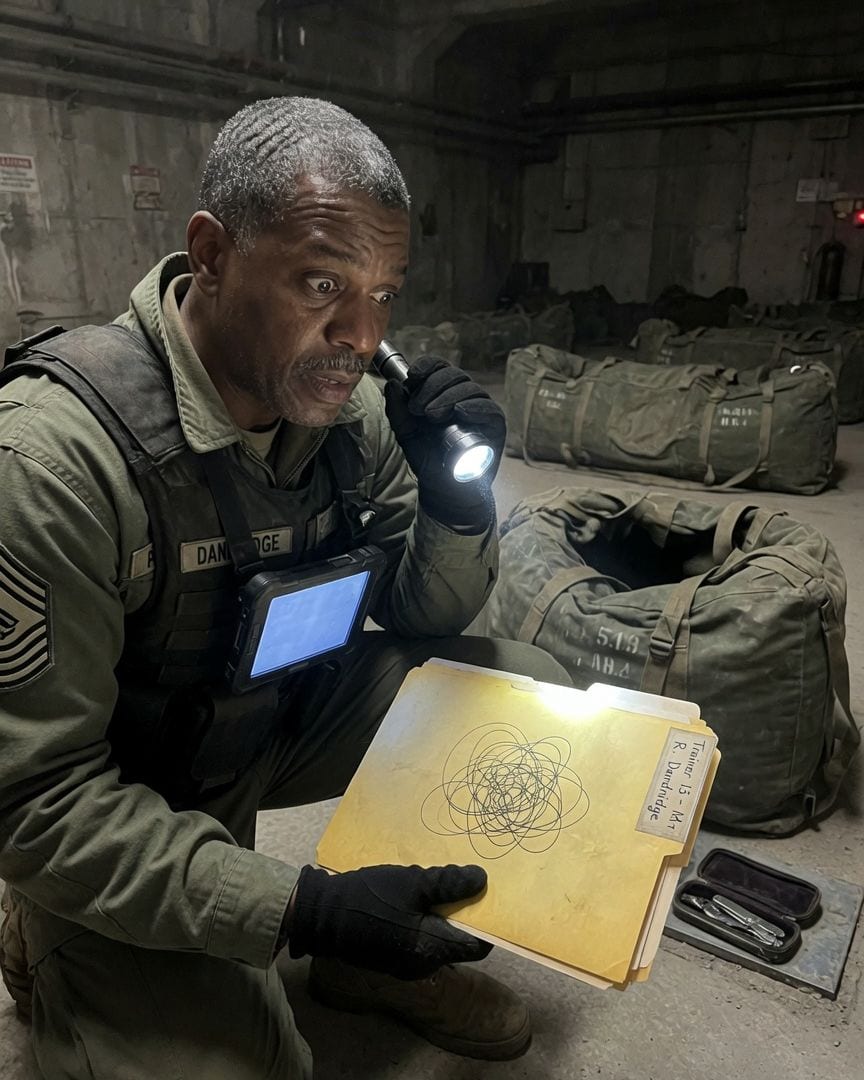 Declassified
Master Sergeant Ruel Dandridge had just thirty days left at Kestrel Mountain, conducting its final inventory before the underground vault was sealed forever. He methodically counted twelve warhead trainer cradles, but then his beam caught a thirteenth: bolted down, empty, its straps dented as if something immense had shifted. A tag bore his own precise handwriting: ‘Trainer 13 - R. Dandridge,’ an impossible find in a bay he'd never entered and not on any manifest. Prying at its base, Ruel discovered a hidden compartment holding a yellowed file with a symbol that pulsed with light and subtly shifted, its velvet lining strangely warm. This confronted the Master Sergeant with a pattern that defied all logic.
9 min read