 The File They Kept
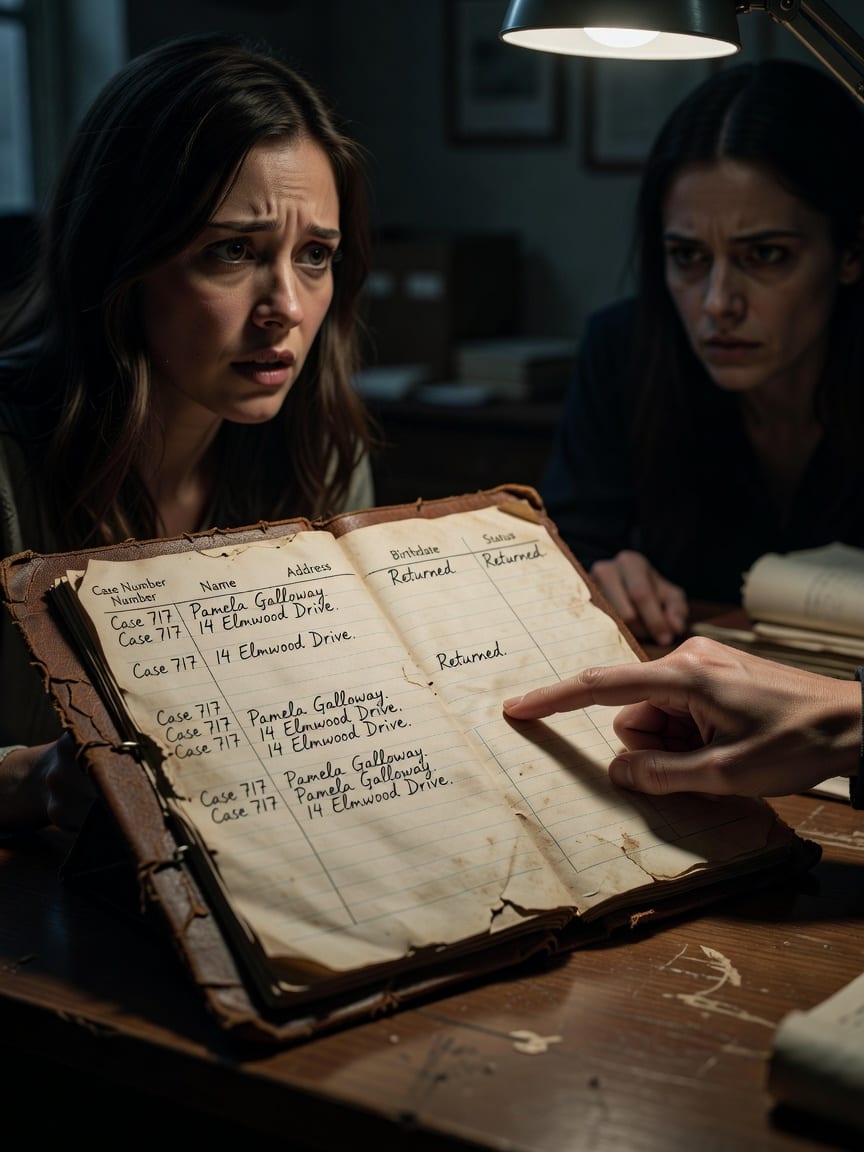
I finally got my medical file, hoping to clear up a ridiculous bill. Inside, I found an entry from 1988: my current home address, scrawled on a partial intake form and marked 'returned.' I was six then, living fifty miles away.
13 min read It Knows My Name
After a strange taxi ride, I received an unsettling birthday card addressed to me. Its return address listed 'Old Mill Road Field,' an empty lot where a mill once stood, and it was postmarked locally. The card arrived four months before my actual birthday, sparking a cold dread I couldn't ignore.
15 min read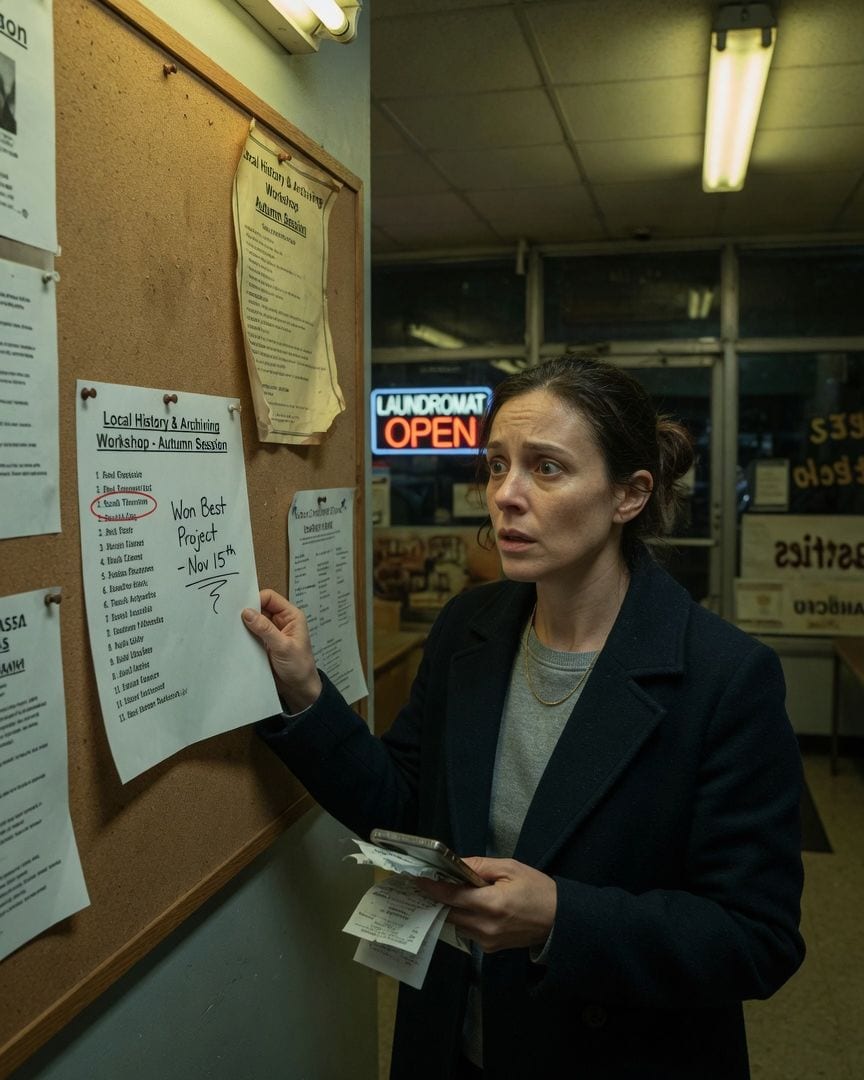 The Record Disagrees
I found a department store refund slip with my own signature for a winter coat I'd never owned. But at the exact time it was processed, I was undeniably in a dentist's chair across town. The store's CCTV for that minute went mysteriously dark.
11 min read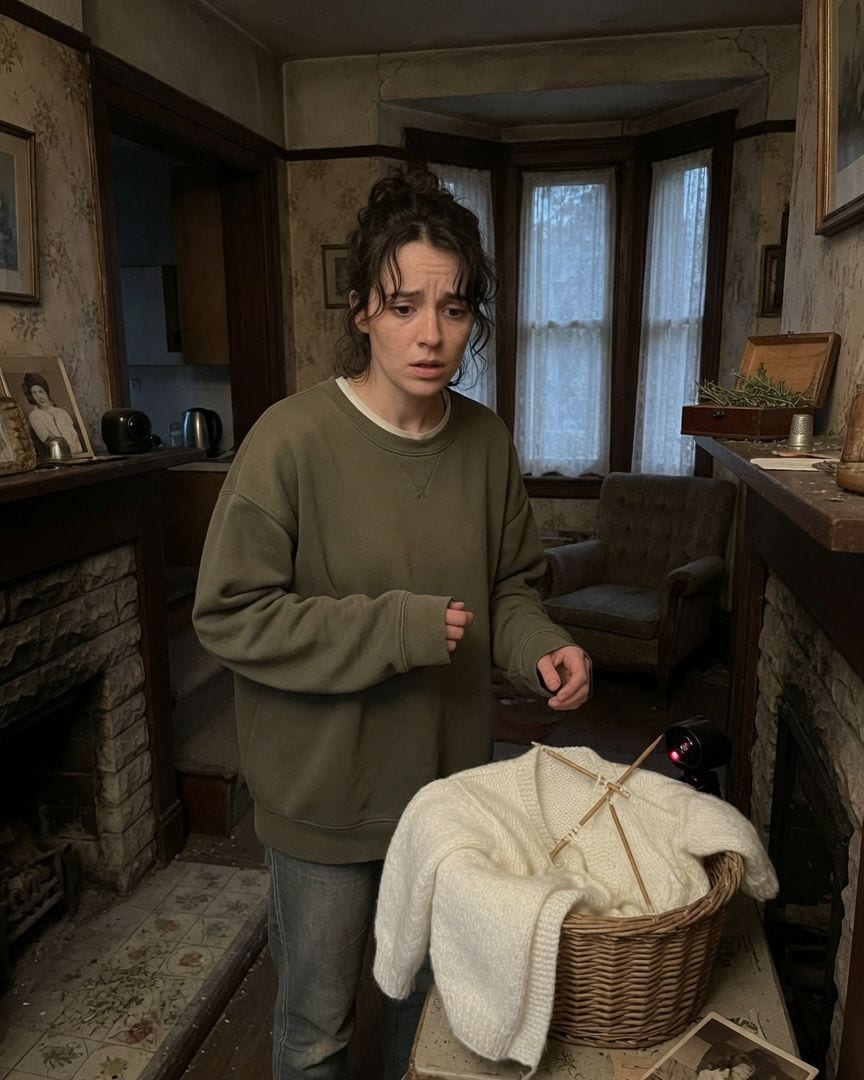 The House Remembers
Moving into my grandmother's quiet old house, I found a half-finished baby cardigan in a workbasket. I thought it was a sweet detail, left it there. But then, day after day, new rows of perfect white stitches appeared on the wool. I don't knit, the house was locked, and I live alone.
11 min read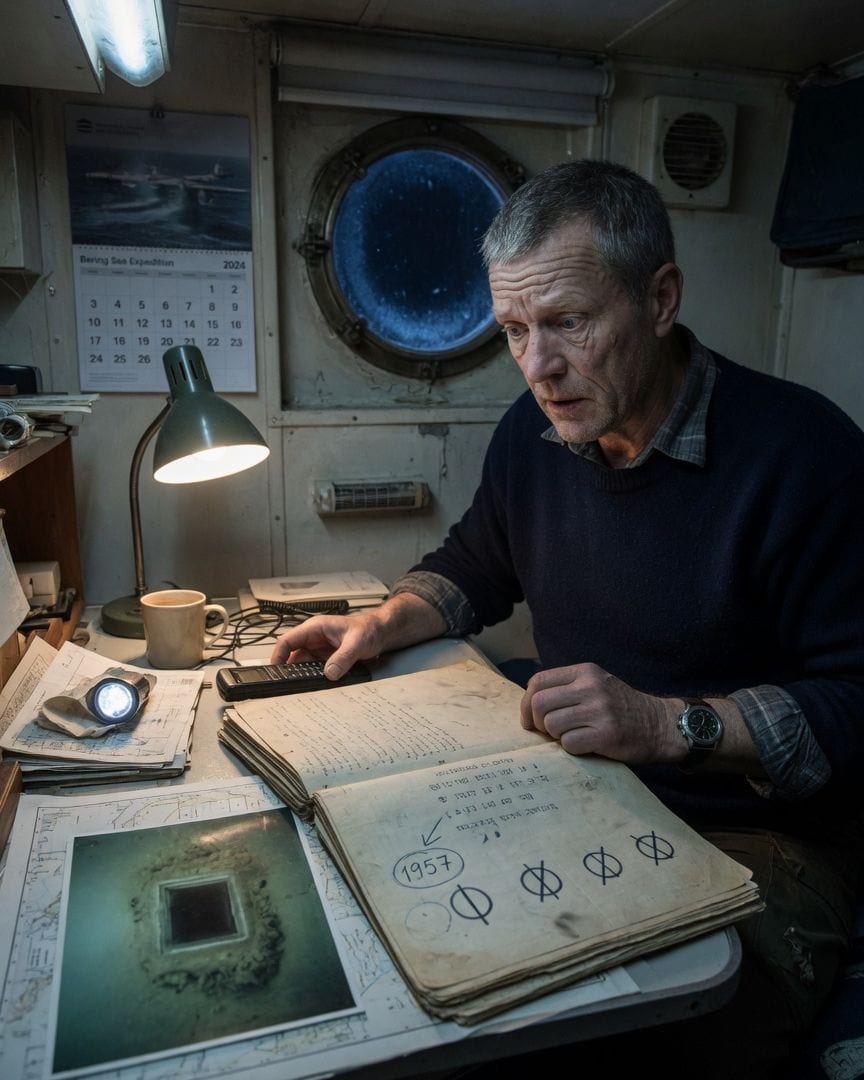 Declassified
Sten Höglund, a dedicated wreck-hunter, navigated the choppy Bering Sea, his quest driven by his aunt’s lingering grief for her brother, Roy Sinclair, lost with his B-29 bomber in 1945. After four days, Sten’s sonar finally located the intact plane, 300 feet below. As his camera explored the eerily preserved fuselage, he saw the upper hatch was open from the inside, with no life raft visible. Yet hours spent replaying the footage offered no rational explanation. Then, a call from a retired pilot revealed a survival raft found in 1999, hundreds of miles north. Inside was a meticulously kept Cold War log, dated 1957, listing coordinates far beyond the B-29’s range. How could a log from twelve years after the crash, found so far away, be tied to his uncle's lost plane?
12 min read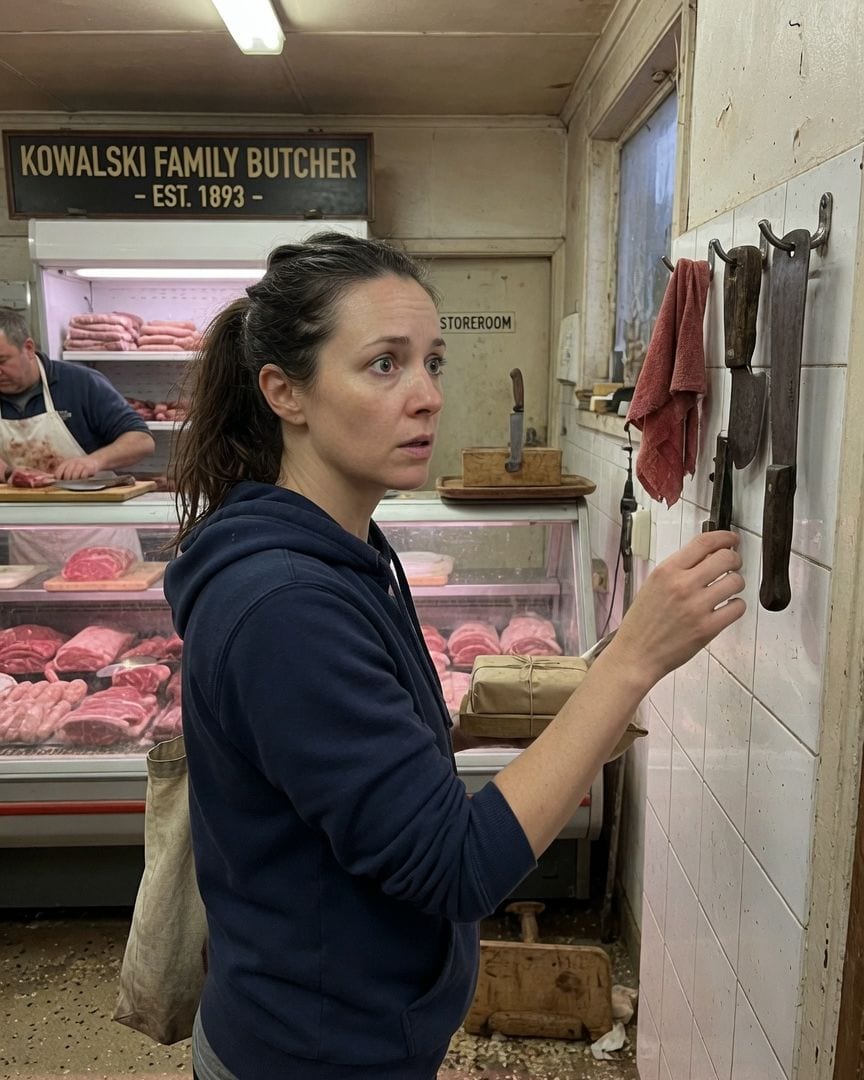 The Local Legend Is True
Still new to Longnor, I stepped into Oscar Kowalski's butcher shop, needing a place to hang my bag. My hand brushed a simple hook, but Oscar's knife suddenly thudded, and he snapped, 'Not that one, dear.' He insisted the empty hook was 'reserved,' leaving me with a strange prickle of unease.
16 min read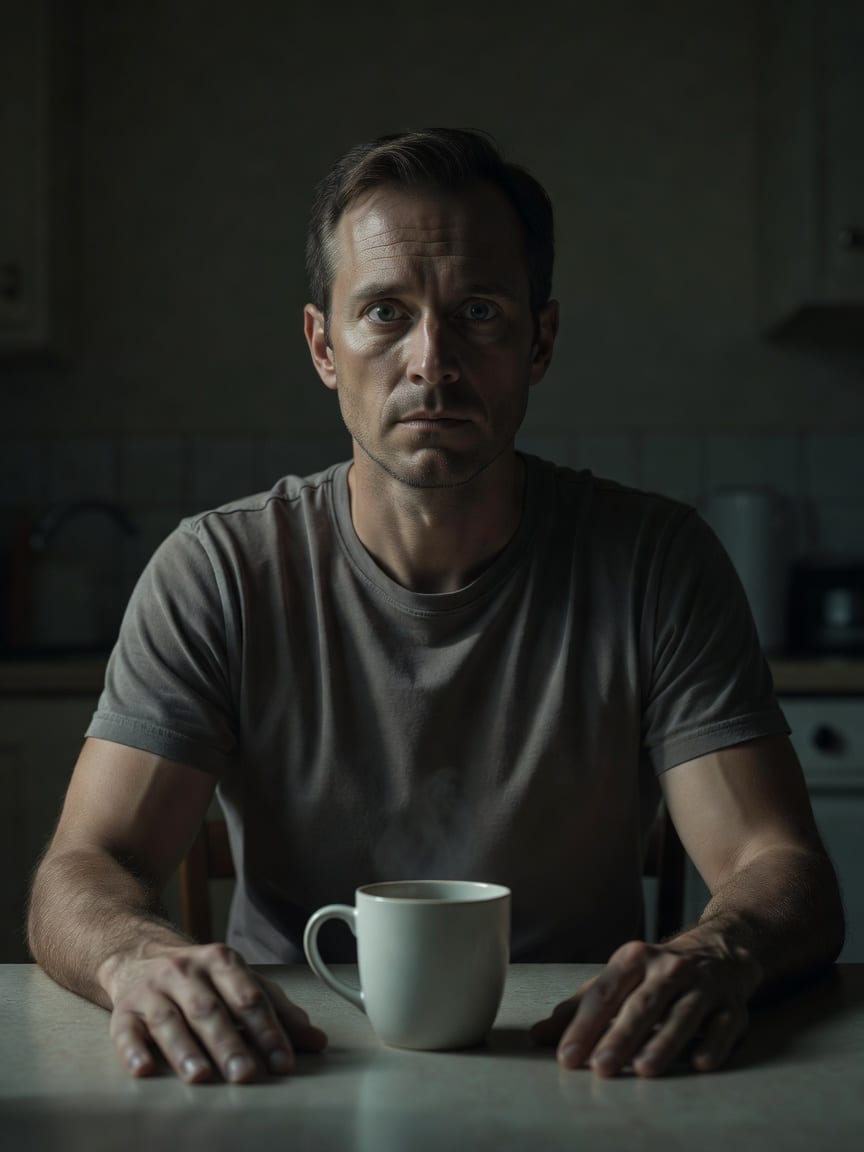 The One Who Came Back
Bernard was home after three days missing, his face tan, undeniably him. But then he asked for 'espresso' a third time, perfectly pronounced, a word he'd mangled for forty years. A chilling certainty bloomed: the man across from me was not Bernard.
15 min read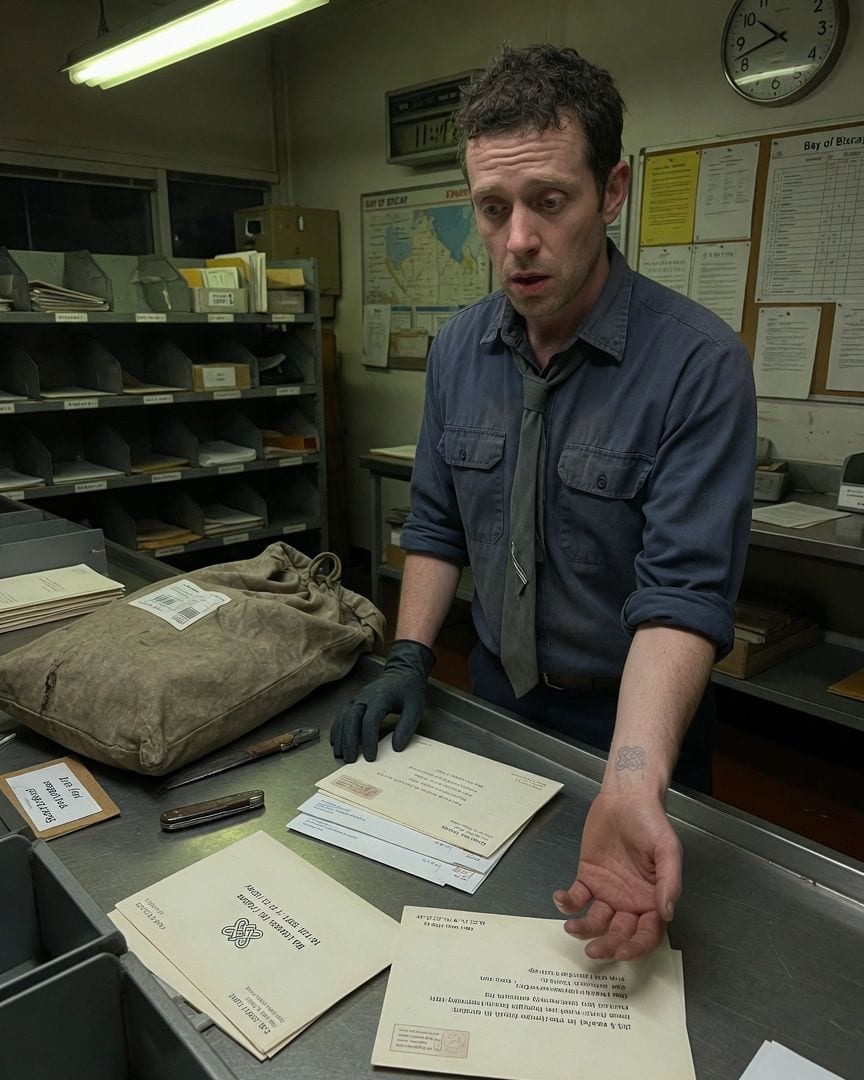 Declassified
Postal Inspector Guy Vantree stood under the humming fluorescent lights of Port Sterling, examining a peculiar mail sack. Trawlermen had dredged it from the abyssal Bay of Biscay, yet its heavy canvas felt impossibly bone dry after decades underwater. As Vantree ran a gloved hand over the dispatch tags, his own birth year stared back at him – May 1988 – and a chill settled over him, not from the sea air. Then he cut the seal. Inside, every single pristine envelope was addressed directly to him, each one detailing a private memory he had never spoken or written down.
10 min read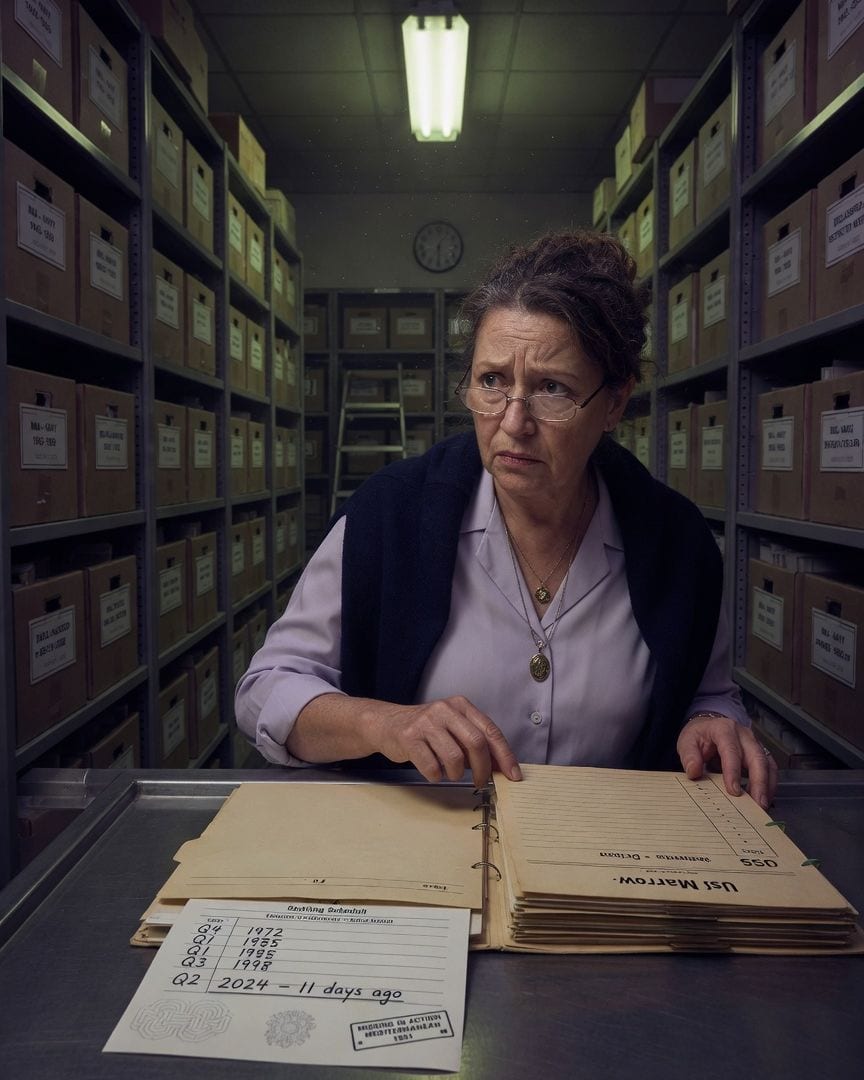 Declassified
Marguerite Ansell, an archivist, faced her final week before retirement in the National Archives. Dust motes danced in the anemic fluorescent light as she navigated endless rows of forgotten history, counting down to quiet days. Her last routine task, auditing 'missing in action' files, led her to the oiler Pell Marrow, officially lost in the Mediterranean in 1951. Inside its yellowed folder, a crisp, newer fueling schedule revealed quarterly updates, running relentlessly forward to an entry just 11 days old: someone was still filling the Pell Marrow’s tanks. As she found similar active schedules for other 'lost' assets, each bearing a peculiar, unknown fractal stamp, a cold dread settled: what agency kept these ghosts of the Cold War afloat?
10 min read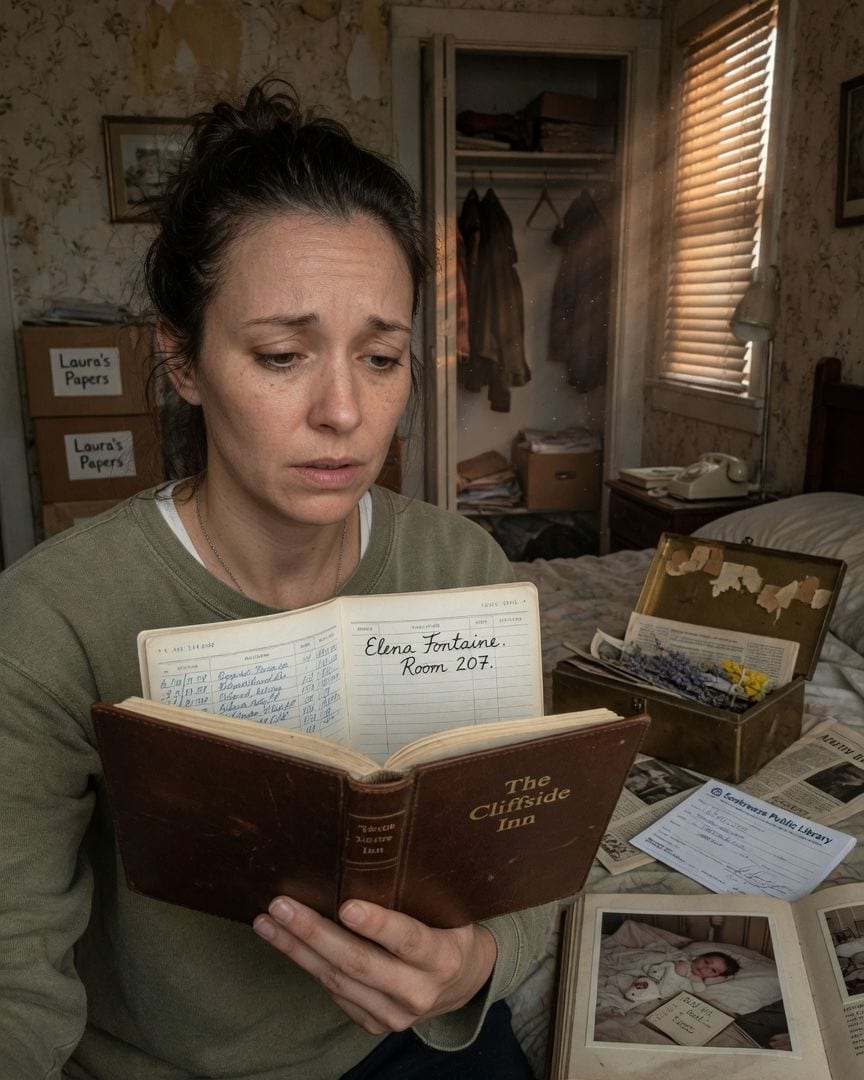 The Record Disagrees
Sifting through my late mother's belongings, I found an old hotel register dated March 1994. To my shock, it held my unmistakable signature for Room 207. But in 1994, I was eleven years old, confined to bed with the flu, hours away from that coastal inn.
9 min read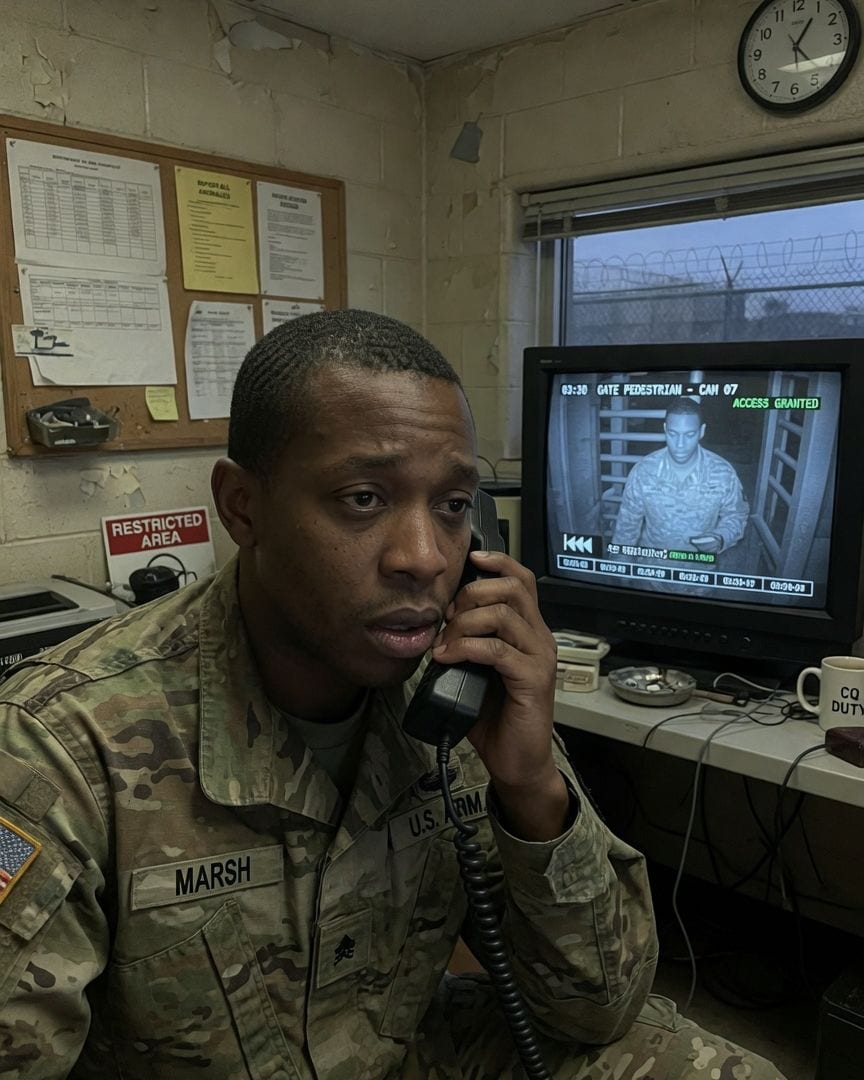 US Armed Forces
Corporal Simon Marsh had just three weeks until his honorable discharge from the Fort in the Carolinas, a sprawling base usually quiet after midnight. But one dead hour, his security monitor showed Private Theodore Delgado clearly badging in at 0338, even as his sergeant confirmed the private was asleep in his bunk. Marsh discovered this impossible sequence had repeated every night for forty nights, a perfect digital ghost. Driven by an unsettling dread, he later found a low, insistent hum beneath the ground near the turnstile, and fresh boot prints that led into dense overgrowth before abruptly vanishing into the predawn gloom.
13 min read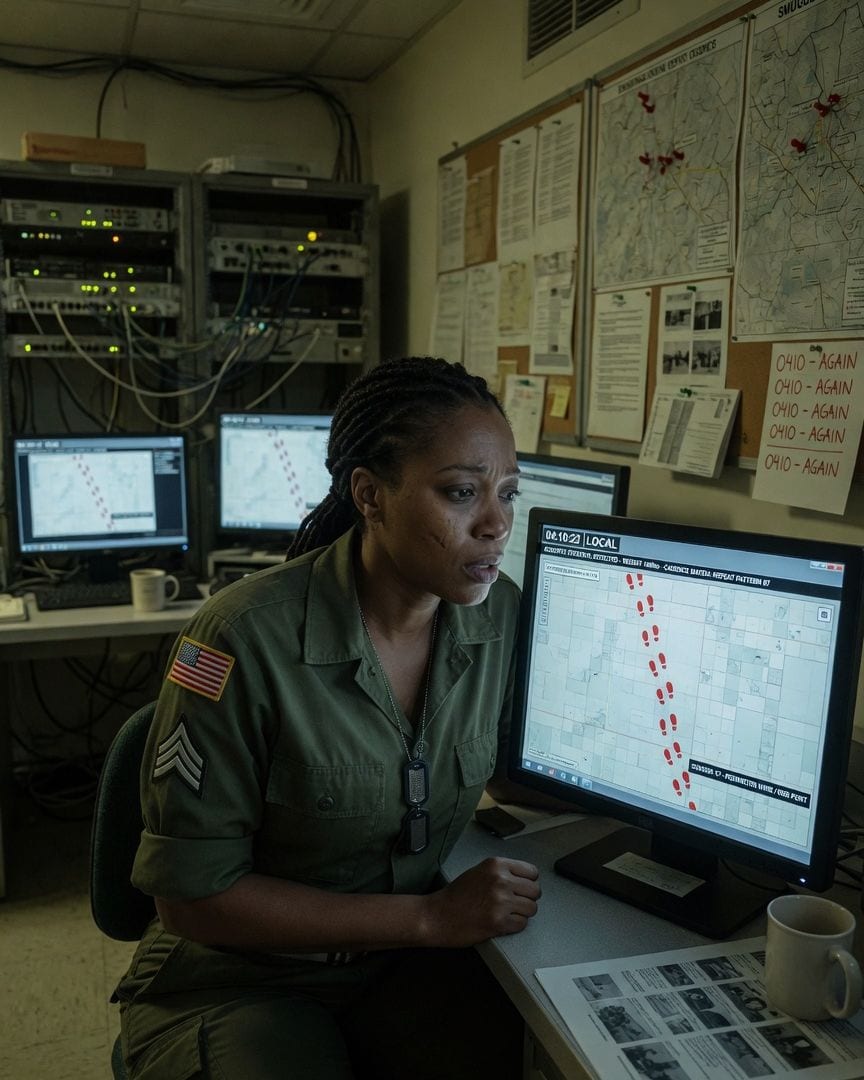 US Armed Forces
Sergeant Naomi Prescott, a border-support analyst, had grown accustomed to the quiet routine of OP Nightingale. For three months, however, her sensors have registered a single, repeating footfall signature every morning at 0410. This unseen walker's track moves with impossible precision, stopping dead at the perimeter wire just outside her post, leaving no visual or thermal trace.
13 min read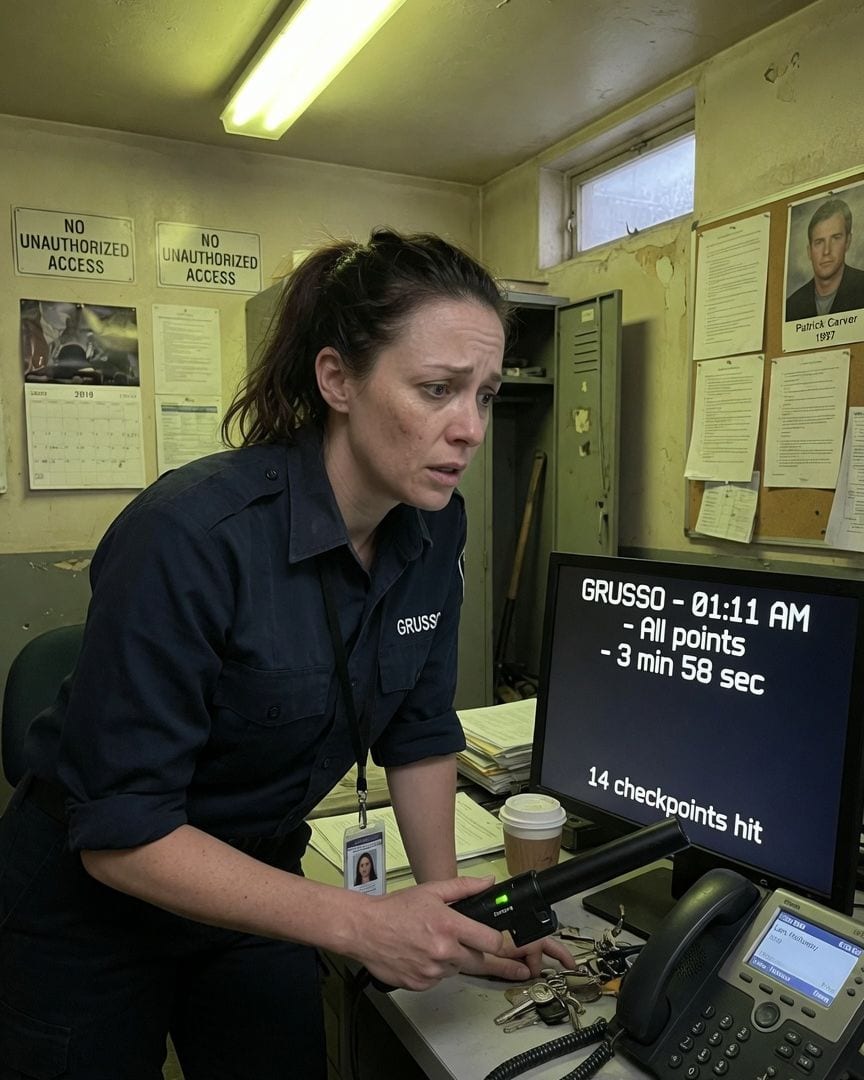 The Night Shift
Finishing my night shift, all I wanted was to get home. But the dock readout screen showed my security wand logged a full patrol at 1:11 AM, completed in just under four minutes. I knew my wand had been charging right beside the monitor the entire time, yet the log, under my ID, confirmed the impossible.
11 min read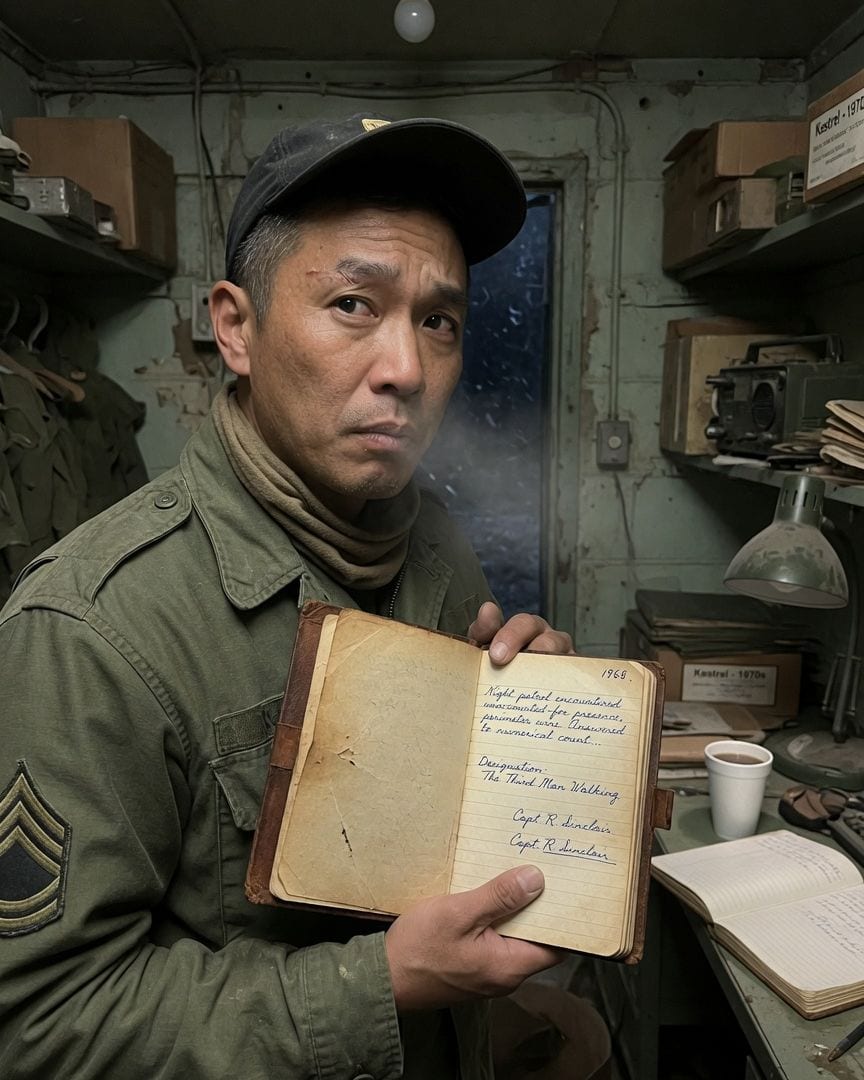 US Armed Forces
Sergeant Julian Aoki, a career NCO, prepared for his final perimeter sweep of Firebase Kestrel, a remote outpost days from decommissioning. He aimed to leave the desolate, windswept plateau with a clean manifest before the relief column arrived at dawn. As he called out his four-man patrol’s numbers, a raspy, barely audible fifth voice answered 'Five,' though only four men stood before him. Later, a fifth set of heavy boot prints appeared in the dust, matching his stride back to the wire, a silent, invisible companion. Dismissing it as fatigue, Aoki later found a disused, leather-bound logbook describing identical perimeter encounters, including a 'Third Man Walking' in 1968. Could this unsettling record be more than just old superstition?
14 min read The One Who Came Back
Ronald Sullivan, vanished a year ago, knocked on my door yesterday. I was overwhelmed with relief, until he handed me my grandmother's casserole dish and thanked me for his mother's funeral. His mother, Sharon, is very much alive and well.
14 min read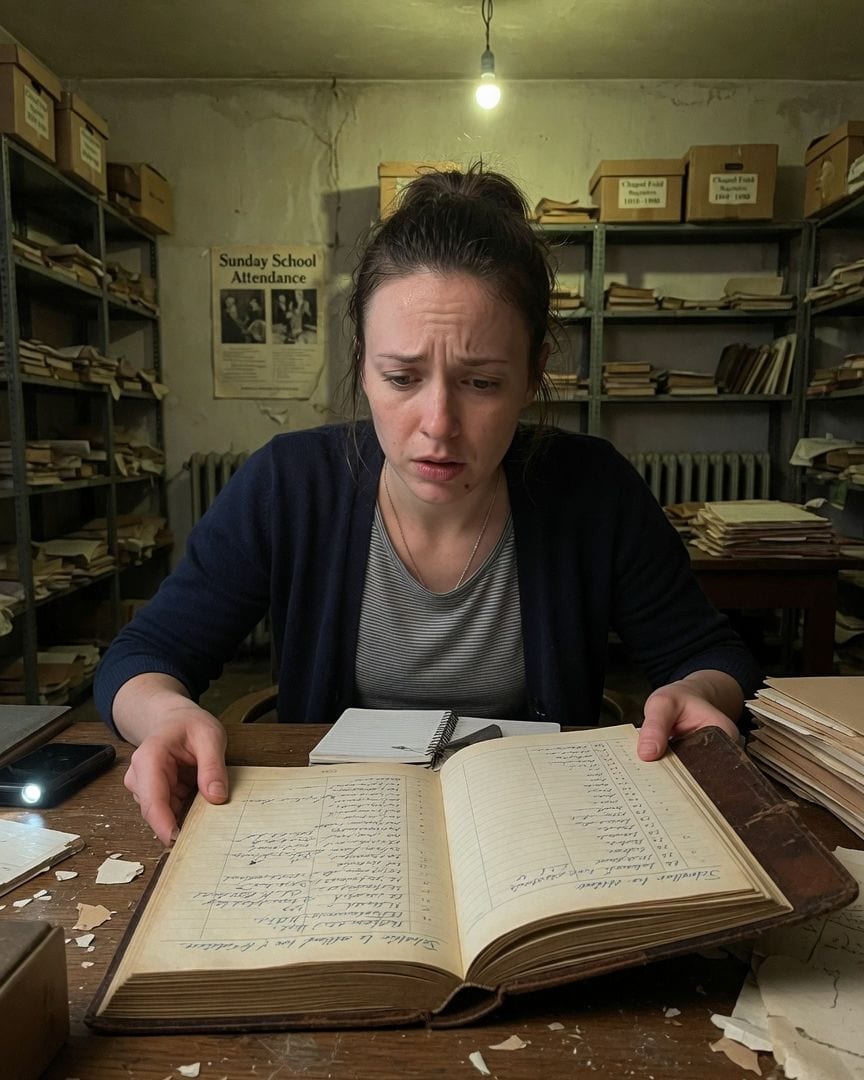 The File They Kept
As a chapel volunteer, I found comfort cataloging old documents until a Sunday school register revealed a chilling pattern. Every seven years since 1907, 'Scholar 33' from my old address, Chapel Fold, was entered. Each entry was marked with the same curt, chilling phrase: 'ceased to attend, not called for.'
12 min read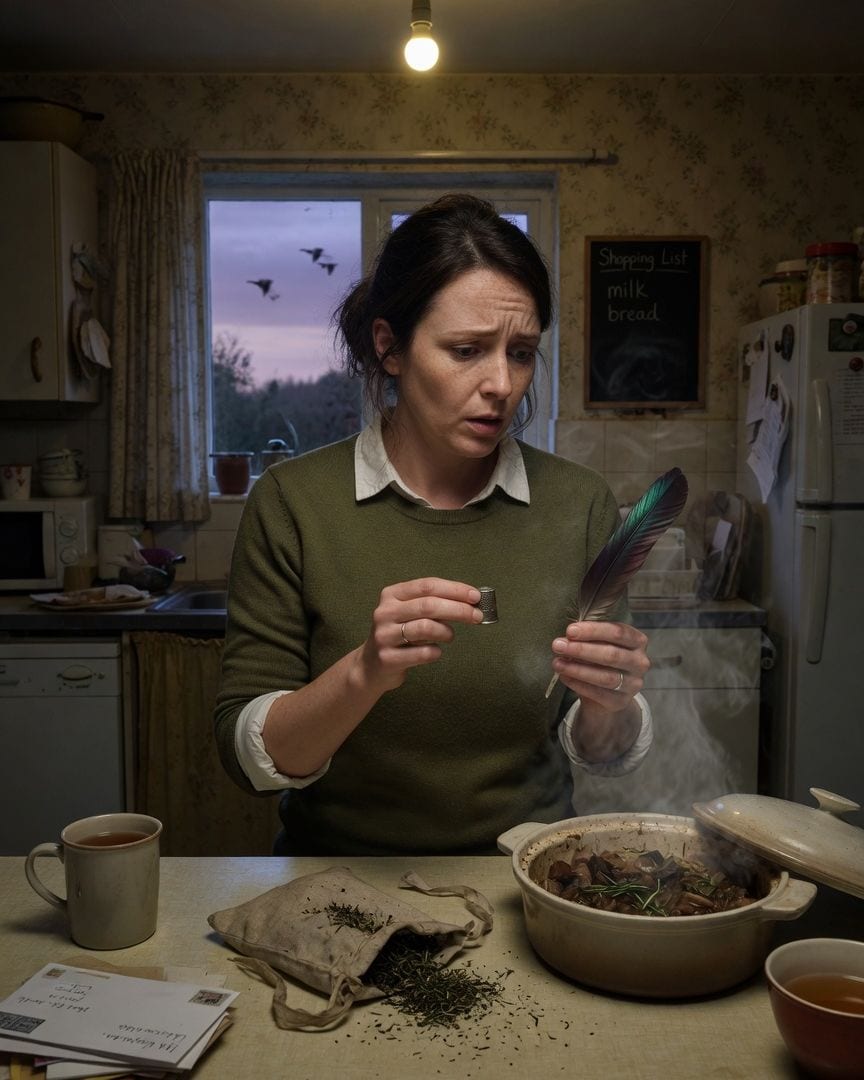 The Local Legend Is True
I moved to a quiet village, expecting a calm life, but the casseroles left on my doorstep were far from a simple welcome. Tucked beneath one, I found an ancient, hand-stitched pouch filled with dark earth and a strangely shimmering goose feather. It was a gift that felt like an unsettling warning.
11 min read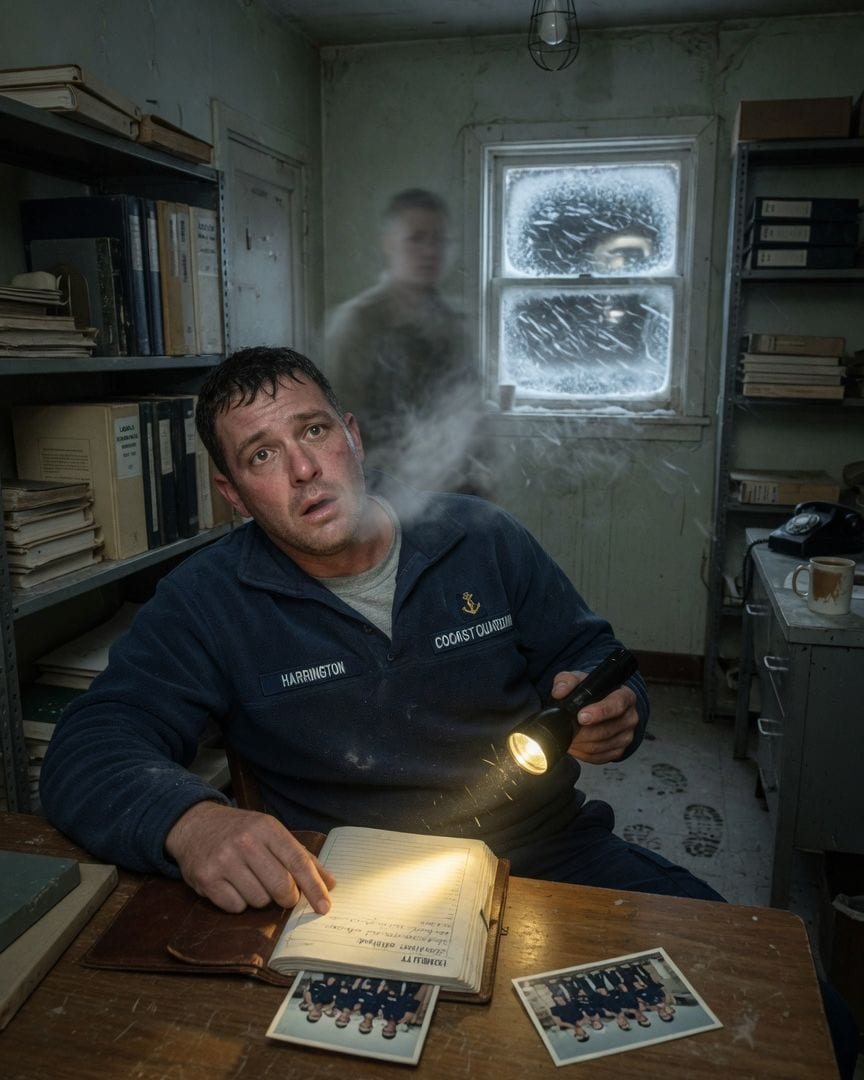 US Armed Forces
Coast Guardsman Victor Harrington endured the nor'easter's crushing weight against the remote LORAN station's windows during his last lonely watch. Exhaustion claimed him for an hour, but when he jolted awake, the station's logbook held a chilling surprise: his own handwriting recorded, '0300. Visitor arrived. Not yet departed.' The ink was still glistening wet, and soon after, Victor discovered fresh, wet boot prints across the floor — not his, and leading to a dead end with no sign of entry. Every door remained locked, every window unbroken, yet the prints had simply materialized, leaving the guardsman with a suffocating sense of impossible dread. Who or what had left its mark in a sealed, storm-battered station, and how?
11 min read US Armed Forces
Lance Corporal Eugene Sable, point man for his four-man recon patrol, pushes three days deep into a humid jungle, miles from Firebase Ares, their comms long dead. The oppressive green wall of foliage begins to whisper, calling the men's names in the voices of loved ones and old drill sergeants, gnawing at their nerves. But the true chill comes when Sable finds an abandoned duty log, meticulously detailing their current mission—signed off by his own distinct hand, for a successful extraction dated for next Tuesday. How could his signature confirm a mission he hasn't even completed?
9 min read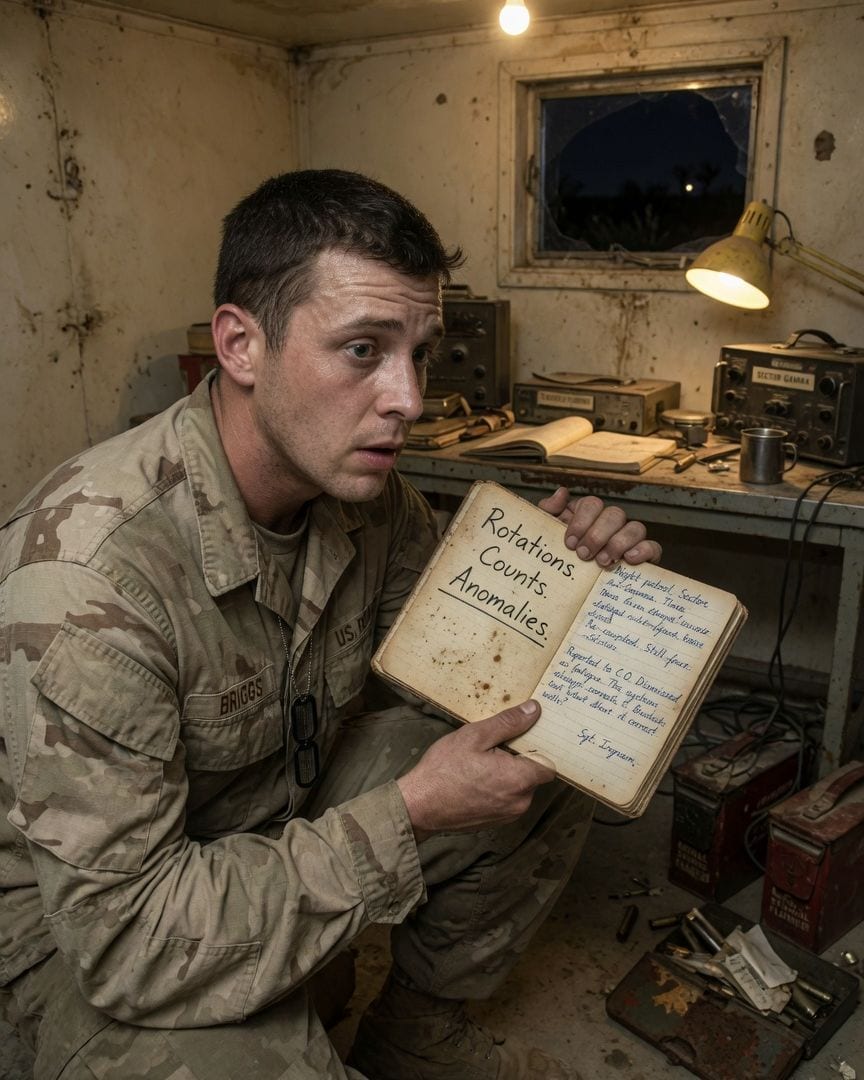 US Armed Forces
Lance Corporal Everett Briggs, new to a remote firebase, dismissed the old-timer whispers as he moved through the black scrub on night patrol. His boots crunched against the arid ground, the vast night swallowing the sound as he counted his men. He saw three familiar figures ahead, but his reflex count came out four. Despite rationalizing it as fatigue, the impossible number haunted him, especially after an old logbook revealed the same phantom count years ago in the same sector.
12 min read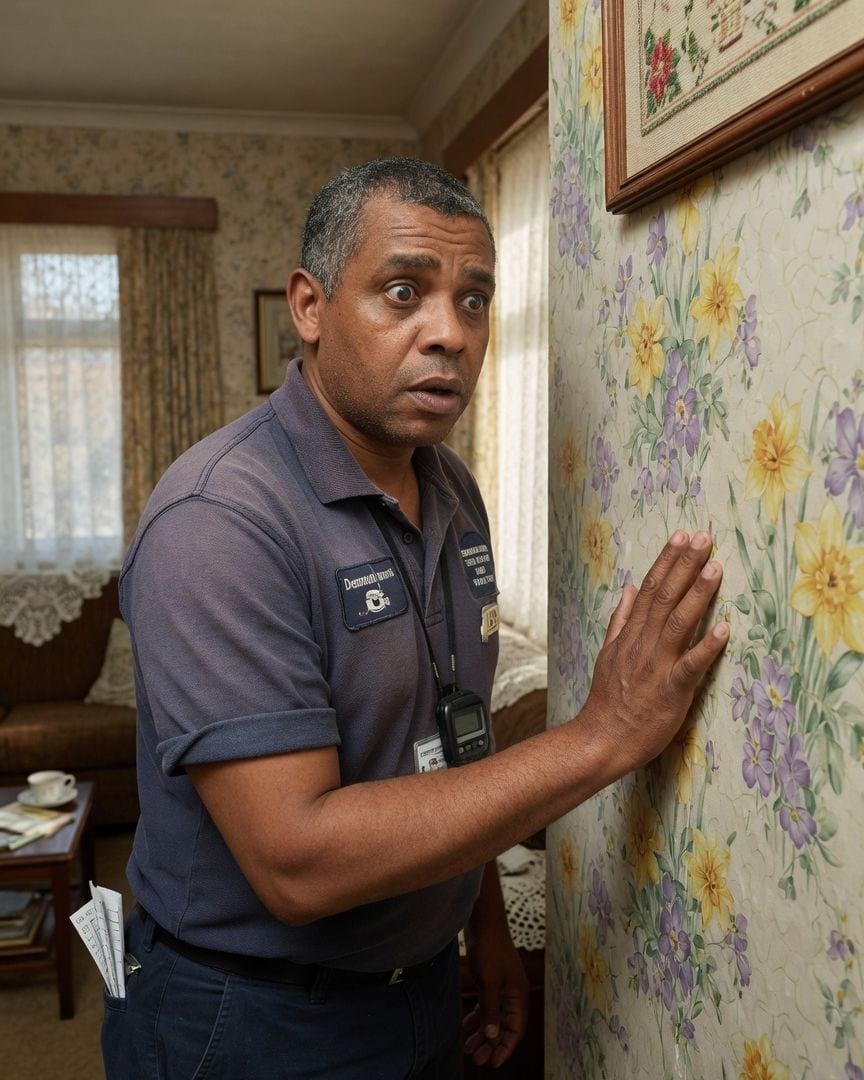 The Place That Isn't On The Map
I'm Desmond Drummond, a city water meter reader, used to the predictable rhythm of my fifteen-year route. But this month, Mrs. Crane's house on Elm Street showed a second meter reading. It led to a new meter pointed at a blank brick wall, and later, to a hidden door behind her living room wallpaper where no door should exist.
14 min read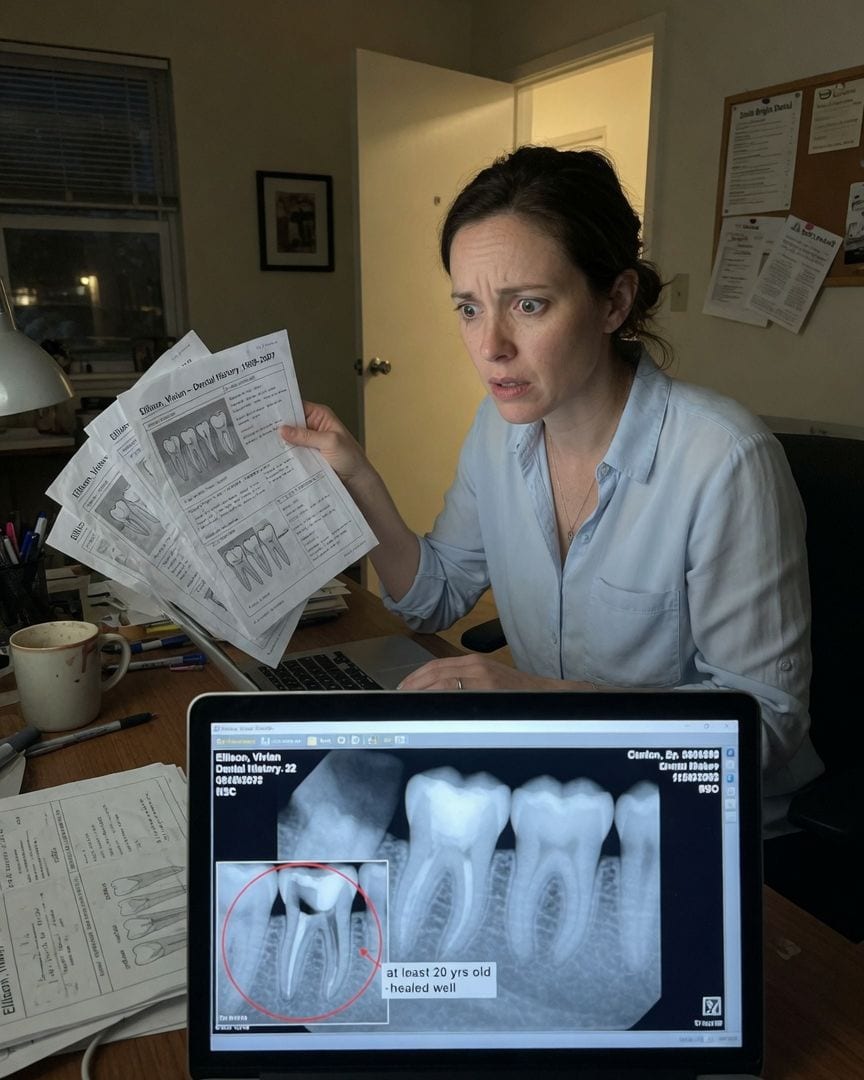 The Body That Doesn't Fit
I settled into the dental chair, expecting a routine check-up. Instead, my new dentist pointed out a twenty-year-old root canal on my lower left molar – a major procedure I have absolutely no memory of. My meticulous childhood dental records also insist that tooth was always pristine, leaving me with an impossible contradiction.
14 min read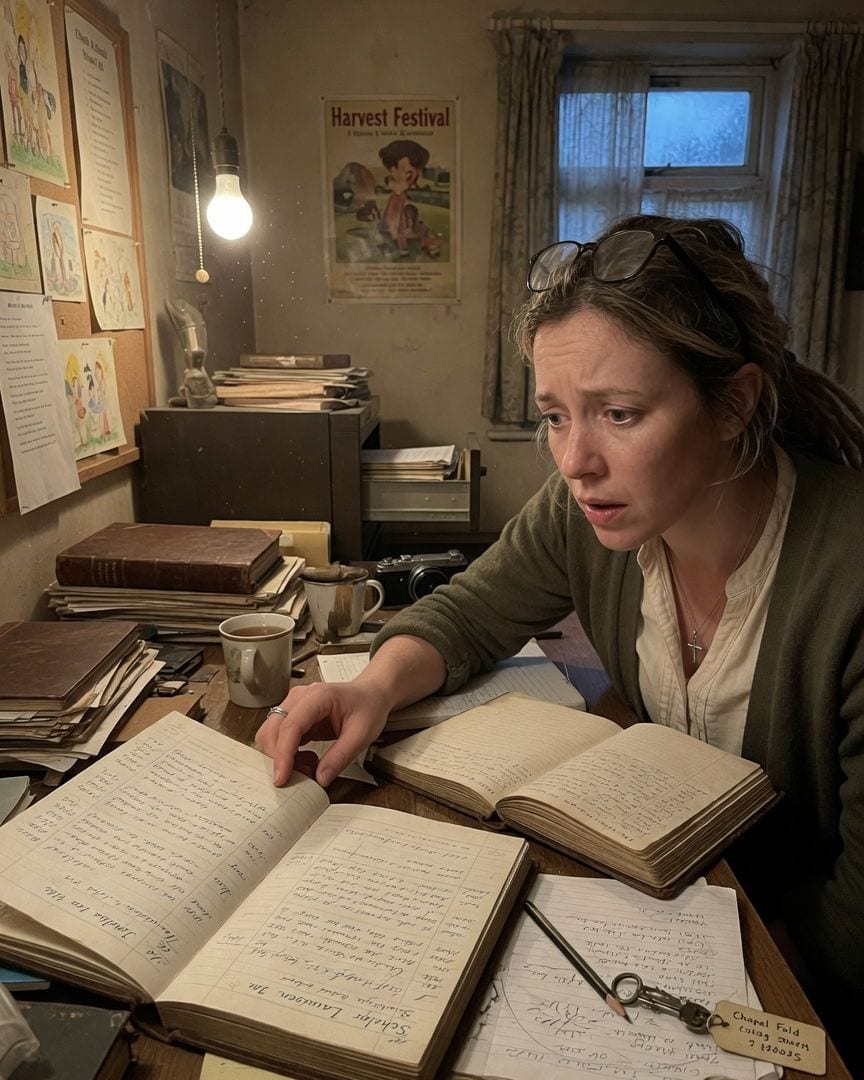 The File They Kept
Sorting dusty chapel archives, my job as a local history enthusiast, was a soothing journey through generations. But then my own name, Penelope Lawson, jumped out: 'Scholar 33' for the current year. I'd never attended. Flipping back, I found the same 'Scholar 33' entry repeating every seven years for over a century, always linked to the same old cottage.
13 min read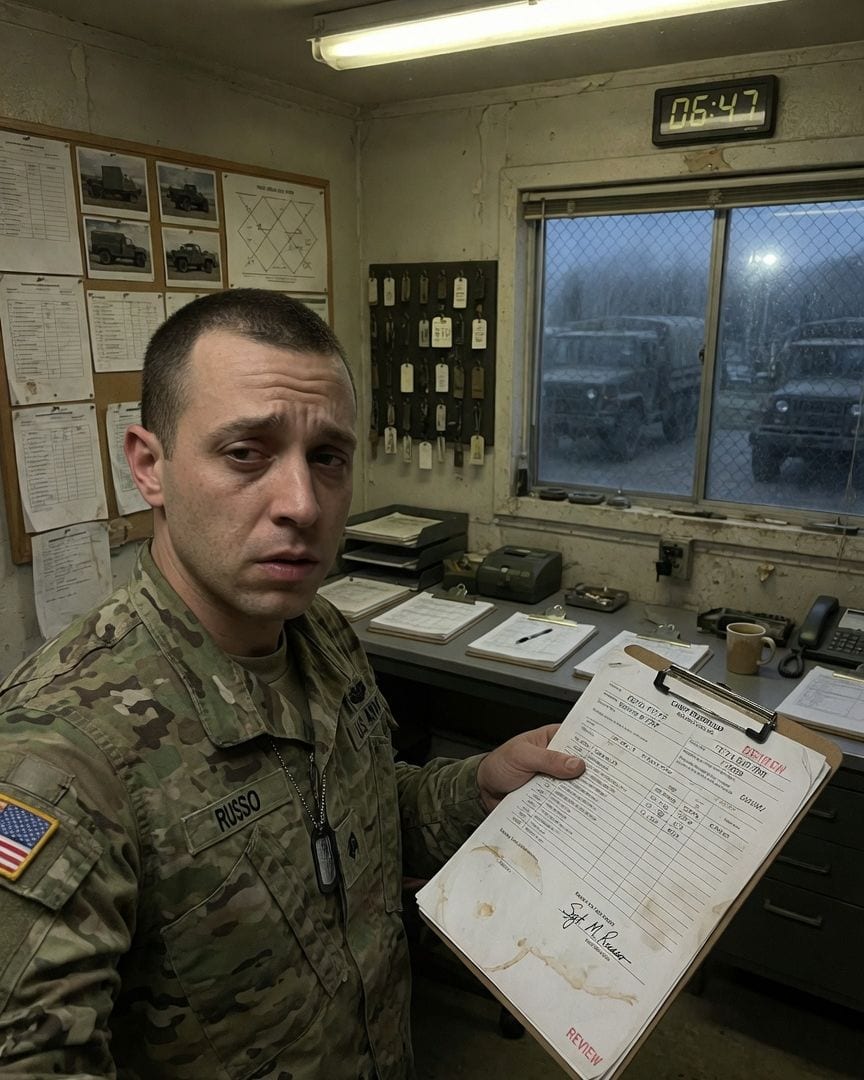 US Armed Forces
Sergeant Malcolm Russo was three months from his honorable discharge, a meticulously squared-away supervisor at Camp Deering's isolated motor pool. His impeccable records were his pride, and any hiccup now could jeopardize his clean exit. When a Private reported a dormant truck had driven itself for eleven miles, Russo dismissed it as a prank. But then he pulled the vehicle log for #734 and found an entry for an unscheduled patrol, authorized by his own perfectly forged signature.
13 min read